Source Whitening Fruit Bath Salt Scrub for Body Care
Find 30 Whitening Fruit Bath Salt Scrub options featuring organic ingredients and deep cleansing properties. Compare OEM services, custom fragrances, and moisturizing benefits for combination or all skin types.
Key considerations
Products List

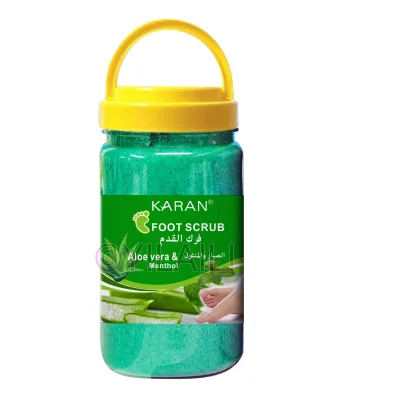
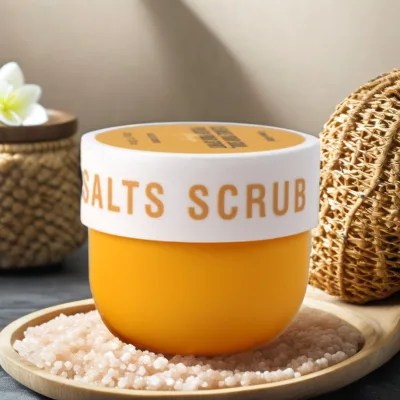
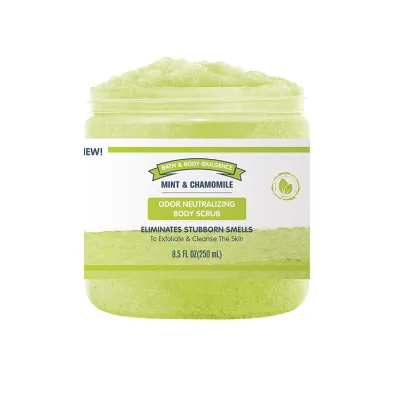
Hot Natural Organic Vegan Salt and Fruits Whitening Exfoliating Care Body Scrub
$0.79 - $0.88
MOQ: 1130 Pieces
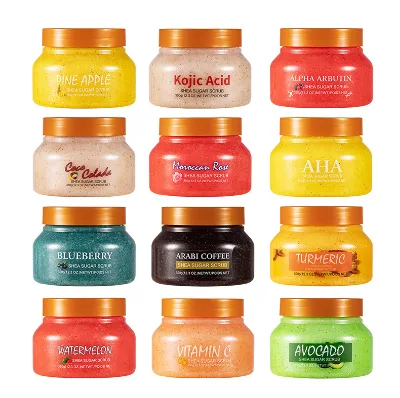


Organic Pure Body Scrub Whitening Sea Salt Sugar Exfoliator Foot SPA Care
$0.89 - $1.99
MOQ: 48 Pieces



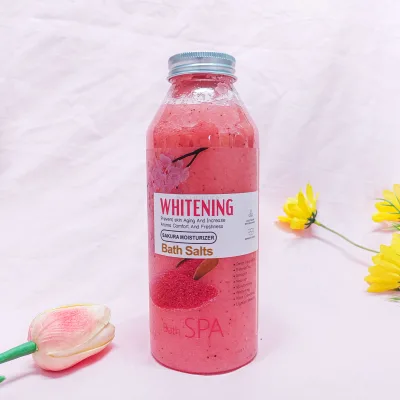
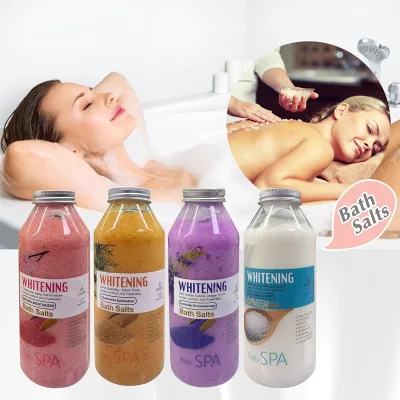
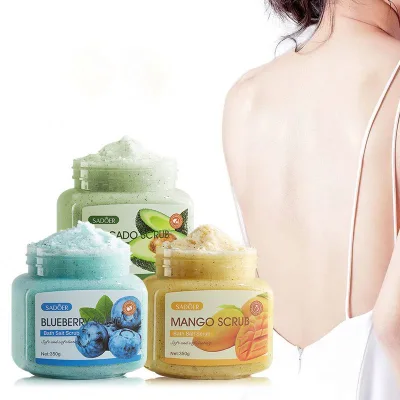



Comprehensive Sourcing Guide
Whitening Fruit Bath Salt Scrub Sourcing Guide
Sourcing whitening fruit bath salt scrubs requires a nuanced understanding of the intersection between cosmetic efficacy, regulatory compliance, and supply chain logistics. These products are formulated to combine the physical exfoliation properties of salt with the brightening and moisturizing benefits of fruit-derived ingredients and active compounds like Vitamin C or Arbutin. Buyers must navigate a market where "whitening" claims are heavily scrutinized in many jurisdictions, requiring careful alignment of product labeling with local cosmetic regulations. The procurement process involves verifying that the supplier can deliver consistent texture, stable active ingredients, and compliant labeling while maintaining competitive pricing for bulk orders.
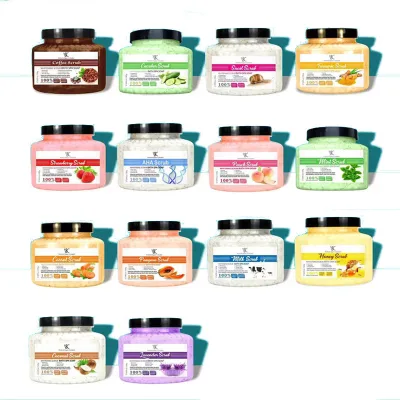
The decision to source this specific category of body care product hinges on the ability to balance aesthetic appeal with functional performance. Market observations indicate a strong preference for multi-fragrance options, such as watermelon, pineapple, and coffee, which enhance the sensory experience of the scrub. Procurement teams must evaluate whether the supplier’s formulation supports the desired skin benefits, such as deep cleansing, exfoliation, and moisturizing, without compromising the stability of the salt crystals or the efficacy of the whitening agents. This guide provides a structured approach to evaluating suppliers, verifying technical specifications, and managing commercial risks associated with importing these specialized cosmetic items.
Product Scope and Observed Listing Signals
The observed product landscape for whitening fruit bath salt scrubs reveals a diverse range of formulations designed for various skin types, including combination and all skin types. Listings frequently highlight features such as organic ingredients, deep cleaning capabilities, and moisturizing effects, often packaged in convenient sizes like 350g or 340g. The product form is typically a cream-based scrub or a salt-based mixture, with some variations offering customized weights and packaging options. Buyers should note that while many products claim suitability for the body, some listings also suggest usage for the face, hands, and lips, necessitating careful verification of the intended application to ensure safety and efficacy for the target demographic.
Commercial signals from the market indicate a high degree of customization availability, with suppliers offering OEM and ODM services to accommodate private label requirements. The observed price range is relatively accessible, spanning from $0.55 to $5 per unit, which suggests a competitive market with varying quality tiers. Minimum Order Quantities (MOQs) vary significantly, ranging from as low as 1 unit for sampling to 5,000 units for bulk production, allowing buyers to scale their orders based on demand forecasts. Additionally, the availability of samples and customized logos underscores the flexibility of suppliers in catering to specific brand identities and testing requirements before committing to large-scale production runs.
Technical Specifications to Verify
When evaluating technical specifications, buyers must prioritize the verification of ingredient lists and active components, particularly those related to whitening and exfoliation. Key ingredients often cited include Vitamin C, Arbutin, Kojic Acid, and various fruit extracts, which contribute to the product’s brightening and nourishing effects. It is crucial to confirm the concentration and stability of these active ingredients, as their efficacy can degrade over time or under certain storage conditions. Suppliers should provide detailed formulations that clearly distinguish between the exfoliating salt base and the moisturizing cream or oil components, ensuring that the product delivers on its promised benefits of deep cleansing and skin rejuvenation.
Packaging and physical attributes are equally important considerations for procurement. The observed single package sizes, such as 8x8x6 cm, and gross weights around 0.380 kg, provide baseline data for logistics planning and cost estimation. Buyers should verify the material quality of the packaging, whether it is a jar, tube, or carton, to ensure it protects the product from moisture and contamination, which is critical for salt-based scrubs. Additionally, the shelf life of the product, typically observed to be around three years, should be confirmed through stability testing data provided by the supplier. This ensures that the product remains effective and safe for consumers throughout its intended usage period, minimizing the risk of returns or complaints due to product degradation.
Compliance and Safety Documentation
Regulatory compliance is a critical aspect of sourcing whitening fruit bath salt scrubs, particularly given the sensitive nature of "whitening" claims in various markets. Buyers must ensure that the supplier adheres to relevant cosmetic regulations, such as ISO 22716:2008 for Good Manufacturing Practices (GMP), which provides guidelines for the production and control of cosmetic products. While ISO 14001:2015 relates to environmental management, it is not a direct product safety standard but may indicate the supplier’s commitment to sustainable practices. Procurement teams should request certificates of analysis (COA) and safety data sheets (SDS) to verify that the product meets local regulatory requirements for ingredients, labeling, and safety testing.
Documentation should also include evidence of compliance with specific ingredient restrictions and permissible limits for active compounds like Arbutin or Kojic Acid, which may be regulated differently across regions. Buyers must verify that the supplier has conducted necessary safety assessments, including dermatological testing, to ensure the product is suitable for the claimed skin types and uses. It is essential to confirm that the labeling accurately reflects the product’s ingredients, usage instructions, and any potential allergens, such as specific fruit extracts or fragrances. This diligence helps mitigate legal risks and ensures that the product can be legally marketed and sold in the target destination countries.
Cost Drivers and Commercial Terms
The cost structure of whitening fruit bath salt scrubs is influenced by several factors, including the quality of raw materials, packaging complexity, and order volume. The observed price range of $0.55 to $5 per unit reflects variations in ingredient sourcing, such as the use of organic or premium fruit extracts, and the level of customization required. Buyers should analyze the cost breakdown to understand how much is attributed to the active whitening agents versus the base salt and moisturizing components. Higher prices may correlate with more sophisticated formulations, better packaging, or stricter quality control measures, which can justify the investment for brands targeting premium market segments.
Commercial terms and logistics play a significant role in the total cost of ownership. Suppliers typically offer various trade terms, including EXW, FOB, CIF, CFR, DAP, and DDP, each affecting the buyer’s responsibility for shipping, insurance, and customs clearance. The production time, observed to range from 7 to 30 days, impacts inventory planning and cash flow, requiring buyers to align their order schedules with demand forecasts. Additionally, buyers should consider the costs associated with sampling, tooling for custom packaging, and potential tariffs or duties in the destination country. Negotiating favorable payment terms and volume discounts can further optimize the overall procurement cost, ensuring a competitive margin for the final product.
Supplier Qualification and Quality Control
Supplier qualification involves a thorough assessment of the manufacturer’s capabilities, quality management systems, and production capacity. Buyers should verify the supplier’s experience in producing cosmetic products, particularly those with active ingredients like Vitamin C or fruit extracts, which require specialized handling to maintain stability. Requesting references from existing clients and conducting site audits can provide insights into the supplier’s operational efficiency, hygiene standards, and adherence to GMP practices. It is also important to assess the supplier’s ability to handle OEM and ODM requests, ensuring they have the technical expertise to develop custom formulations and packaging solutions that meet the buyer’s brand requirements.
Quality control measures should be integrated into the procurement process to ensure consistent product quality and compliance. Buyers should establish clear quality standards and inspection criteria, including checks for packaging integrity, product weight, and ingredient consistency. Implementing a robust sampling and testing protocol, such as requesting pre-shipment samples for laboratory analysis, can help identify potential issues before bulk production begins. Additionally, buyers should negotiate quality assurance clauses in the contract, including provisions for product recalls, refunds, or replacements in case of non-conformance. Regular communication and collaboration with the supplier can foster a partnership focused on continuous improvement and risk mitigation.
Long-Term Procurement Checks
Long-term procurement success depends on establishing a sustainable supply chain that can adapt to changing market demands and regulatory landscapes. Buyers should regularly review supplier performance metrics, including on-time delivery rates, product quality consistency, and responsiveness to issues. Building a diversified supplier base can mitigate risks associated with single-source dependencies, ensuring continuity of supply in case of disruptions. Additionally, staying informed about emerging trends in cosmetic ingredients and packaging technologies can help buyers identify opportunities for product innovation and differentiation.
Continuous monitoring of regulatory changes is essential to ensure ongoing compliance with local and international standards. Buyers should maintain open lines of communication with their suppliers to stay updated on any changes in ingredient regulations or labeling requirements. Engaging in periodic audits and reviews of the supplier’s quality management systems can help identify areas for improvement and reinforce best practices. By fostering a collaborative relationship with suppliers and prioritizing transparency and accountability, buyers can build a resilient supply chain that supports long-term business growth and customer satisfaction.
FAQs
What are the main functions of this bath scrub?
The product provides deep cleansing, exfoliating, and moisturizing functions for the body. It is formulated to relax and nourish the skin while removing dead cells. This makes it suitable for combination and all skin types seeking a thorough yet gentle cleaning experience.
Can I customize the logo and packaging for this scrub?
Yes, customization is available including private labeling and customized logos. The product supports OEM and ODM services to meet specific brand requirements. Buyers can request tailored packaging solutions while maintaining the standard 350g weight and carton packing format.
What is the shelf life of the whitening fruit bath scrub?
The shelf life is three years from the date of manufacture. This duration ensures product stability and efficacy for long-term storage or distribution. Buyers should store the item in a cool, dry place to maintain its organic nature and active ingredients.
Which ingredients are used in this body scrub cream?
The scrub contains herbal ingredients and Vitamin C to support skin health. It features various fruit extracts like watermelon, pineapple, and turmeric depending on the selected variant. These natural components contribute to the exfoliating and whitening effects observed in the product.
How long does production take for custom orders?
Production time ranges from 7 to 30 days depending on order volume and customization needs. This lead time applies to standard and private label orders placed with the manufacturer. Buyers should confirm specific timelines based on their required quantity and design specifications.
What are the available weight options for this product?
The standard weight is 350 grams, though 340g or customized weights are also available. Some variants may be offered in 50g or 100g sizes for sampling or specific market needs. The product form is typically a cream or salt scrub contained in a single package.
Is this scrub suitable for all skin types?
Yes, the product is designed for all skin types including combination skin. It offers moisturizing and exfoliating benefits without causing irritation for most users. The formulation includes organic nature advantages to ensure gentle care for the face, body, and hands.