Source Whitening Cream for Skin Lightening, Anti-Wrinkle, and Nourishing
Find 30 Whitening Cream options from verified suppliers in Guangdong, China. Compare features like lightening, moisturizing, and anti-aging functions with MOQs ranging from 1 to 30,000 pieces for diverse sourcing needs.
Key considerations
Products List


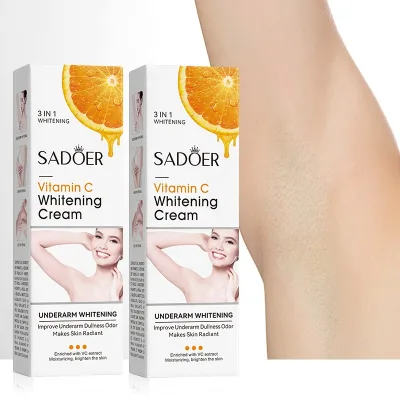


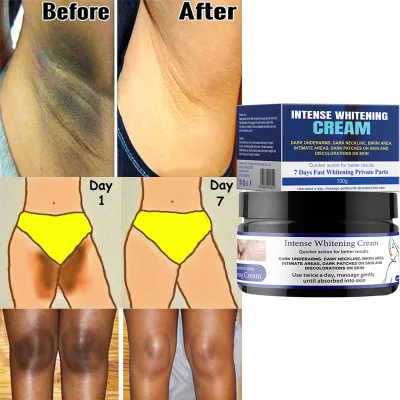


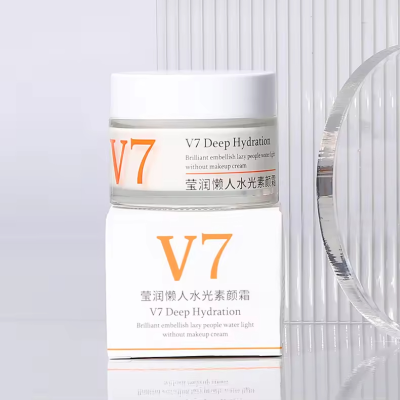
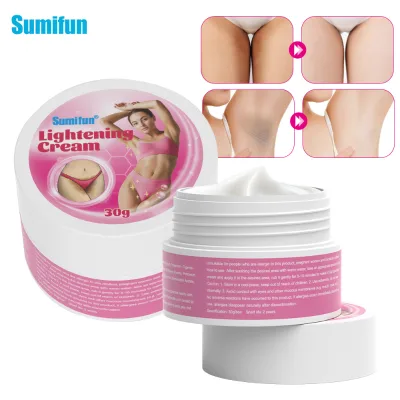


Bright Skin Care Boosting Niacinamide Quick Whitening Instant Face Cream
$0.80 - $1.00
MOQ: 800 Pieces


Popular Factory Price Skin Whitening Cream Effective for Skin Brightening
$5.00 - $10.00
MOQ: 1 Pieces

Comprehensive Sourcing Guide
Whitening Cream Sourcing Guide
Sourcing whitening creams requires a disciplined approach that balances cosmetic efficacy with rigorous regulatory compliance. Buyers must navigate a market where product claims range from basic moisturization to advanced skin revitalization, often driven by specific active ingredients like Vitamin C, Glycerin, or specialized extracts. The procurement strategy must account for the diverse functional profiles available, ensuring that the selected formulation aligns precisely with the target demographic’s skin type and desired outcomes. This guide provides a structured framework for evaluating suppliers, verifying technical specifications, and managing commercial risks associated with private label and OEM manufacturing in this category.
The following sections detail the critical verification steps necessary for successful procurement. By focusing on observable listing signals, technical parameters, and compliance documentation, buyers can mitigate the risks of non-conforming goods. The guidance emphasizes evidence-based decision-making, relying on confirmed attributes such as ingredient lists, packaging standards, and certification requirements rather than marketing assertions. This approach ensures that the final product meets both quality expectations and legal standards in the destination market.
Product Scope and Observed Listing Signals
The current market landscape for whitening creams presents a wide array of product variations, primarily categorized by their primary function and target application. Listings frequently identify products as skin whitening creams, body massage creams, or daily skin care lotions, indicating a broad scope that extends beyond facial care to include full-body treatments. The observed product types often emphasize multiple benefits simultaneously, such as lightening, moisturizing, and anti-wrinkle properties, suggesting that buyers should carefully distinguish between primary whitening agents and secondary nourishing components. Understanding these functional distinctions is crucial for aligning product selection with specific consumer needs and market positioning strategies.
Ingredient profiles serve as a key differentiator among suppliers, with common components including Glycerin, Vitamin C, Dead Sea Salt, Emu oil, Green Tea, and Shea Butter. These ingredients suggest a focus on both immediate hydration and long-term skin revitalization, appealing to a wide demographic that includes women, unisex users, and all age groups. The presence of natural smells and specific forms, such as creams or lotions, further indicates a consumer preference for sensory appeal and ease of application. Buyers should verify the exact concentration and source of these ingredients to ensure consistency and efficacy, as the listed main ingredients may vary significantly between different supplier offerings.
Technical Specifications to Verify
Technical verification begins with confirming the physical attributes and packaging standards of the Whitening Cream. Standard product models observed include specific weights such as 30g and 50g, with net weights often matching these specifications. Packaging formats vary from individual cartons to bulk configurations, such as 96 pieces per carton, which directly impacts logistics and storage requirements. Buyers must verify the single package dimensions, which have been observed at approximately 2x2x2 cm, to calculate accurate shipping volumes and container utilization. These physical specifications are critical for determining the total landed cost and ensuring that the product fits within the intended retail packaging constraints.
Formulation consistency and shelf life are equally important technical parameters that require explicit confirmation. The observed shelf life for these products is typically three years, providing a reasonable window for distribution and retail turnover. However, buyers should verify the stability of the emulsion, particularly for products containing complex ingredient blends like Dead Sea Salt and Emu oil, to prevent separation or degradation during transit. Additionally, the form of the product, whether classified as a cream or lotion, affects its viscosity and application rate, which must be matched to the intended usage scenario, whether for daily care or specialized body massage treatments.
Compliance and Safety Documentation
Regulatory compliance is a non-negotiable aspect of sourcing whitening creams, particularly given the sensitive nature of skin-lightening claims. Suppliers are expected to provide relevant certifications, with MSDS (Material Safety Data Sheet) being a commonly observed requirement. This document is essential for understanding the chemical composition and handling safety of the product, ensuring that it meets international transport and storage regulations. Buyers must insist on receiving the MSDS for each specific product variant to verify that all ingredients are declared accurately and that the product does not contain prohibited substances in the destination market.
Beyond MSDS, other certifications such as CE, EEC, and GMP (Good Manufacturing Practice) may be required depending on the target region. GMP certification, in particular, indicates that the manufacturing facility adheres to strict quality control standards, which is vital for ensuring product safety and consistency. Buyers should verify the validity and scope of these certifications, ensuring they cover the specific manufacturing site and product line being sourced. Additionally, compliance with local cosmetic regulations, which may have specific restrictions on whitening agents, must be confirmed through supplier documentation and independent legal review.
Cost Drivers and Commercial Terms
The cost structure of whitening creams is influenced by several factors, including ingredient quality, packaging complexity, and order volume. The observed minimum order quantities (MOQ) range widely, from as low as 10 pieces to as high as 30,000 pieces, reflecting the flexibility of suppliers to accommodate both small trial orders and large-scale production runs. Buyers should leverage this range to negotiate favorable terms, particularly when starting with smaller orders to test market response before committing to larger volumes. The availability of small order acceptance is a significant advantage for new entrants or those testing new product lines.
Pricing and lead times are also critical commercial considerations. While specific price points vary, the observed range suggests competitive pricing structures that can be optimized through volume discounts. Lead times, such as the observed three-day delivery for in-stock items, indicate that suppliers may maintain inventory for popular models, reducing wait times for urgent orders. However, for custom OEM or ODM projects, lead times will extend significantly. Buyers should clarify these timelines upfront and include buffer periods in their supply chain planning to account for potential delays in production or shipping.
Supplier Qualification and Quality Control
Supplier qualification requires a thorough assessment of their manufacturing capabilities and quality control processes. Buyers should verify the supplier’s location, with Guangdong, China, being a common origin for these products, indicating access to established cosmetic manufacturing hubs. The ability to provide OEM, ODM, and private label services suggests that the supplier has the infrastructure to customize products according to specific brand requirements. Buyers should request samples to evaluate the product’s texture, scent, and packaging quality before placing bulk orders, ensuring that the final product meets their brand standards.
Quality control measures should be explicitly defined in the purchase agreement, including protocols for batch testing and defect rates. Buyers should inquire about the supplier’s internal quality assurance processes, such as stability testing and microbial analysis, to ensure product safety and efficacy. Additionally, the supplier’s ability to handle customer-specific packaging requirements, as observed in some listings, indicates flexibility in meeting branding needs. Establishing clear communication channels and regular quality audits can help maintain consistency and address any issues promptly throughout the production cycle.
Long-Term Procurement Checks
Long-term procurement success depends on continuous monitoring of supplier performance and market trends. Buyers should establish key performance indicators (KPIs) related to delivery accuracy, product quality, and responsiveness to issues. Regular reviews of these metrics can help identify potential risks and opportunities for improvement in the supply chain. Additionally, staying informed about regulatory changes in the destination market is crucial, as restrictions on whitening ingredients or packaging materials may evolve over time. Proactive compliance management ensures that the product remains legal and competitive in the market.
Building a resilient supply chain also involves diversifying suppliers and maintaining strong relationships with key partners. Buyers should consider engaging with multiple suppliers to mitigate the risk of supply disruptions and to leverage competitive pricing. Regular communication and collaboration on product development can lead to innovative formulations that meet changing consumer preferences. By focusing on long-term partnerships and continuous improvement, buyers can secure a stable supply of high-quality whitening creams that support their brand’s growth and reputation in the global market.
FAQs
What ingredients are commonly used in Whitening Cream formulations?
Glycerin and vitamin C are common main ingredients, and some formulations also include shea butter, green tea, emu oil, or dead sea salt. These ingredients support whitening, moisturizing, and nourishing functions. When comparing products, review the ingredient list on the product page and confirm with the supplier whether the formula matches your target market's regulatory and labeling requirements.
Which packaging sizes are available for Whitening Cream orders?
Listed options include 30g jars, 50g jars, and 200ml lotion formats. Single package sizes such as 2x2x2 cm or 6.8x6.8x6 cm are noted, with cartons packed at 96 pieces per carton in some cases. Confirm the exact net weight, tube or jar format, and carton packing with the supplier before placing an order.
Can Whitening Cream be ordered with private label or OEM customization?
Yes, OEM, ODM, and private label services are available, and customization is generally supported. Suppliers can often adjust packaging to customer requirements and accept small orders, with some listings showing a minimum order quantity as low as 10 pieces. Discuss your branding, artwork, and formula requirements with the supplier to confirm what can be customized.
How long does delivery take for in-stock Whitening Cream?
Some listings show a delivery date of 3 days when goods are in stock. Out-of-stock or customized orders typically take longer, depending on production scheduling and order volume. Always confirm current stock status, production lead time, and shipping method with the supplier, since delivery times can vary by order size and destination.
What certifications should Whitening Cream products have?
MSDS documentation is listed on these products, and some listings also show CE, EEC, and GMP certification. Certification requirements vary by destination market, so verify which documents the supplier can provide, such as safety data sheets or manufacturing standard evidence, and check whether additional registration is needed for your specific country before importing.
Which skin types and users are whitening creams designed for?
Listed products are generally formulated for all skin types, with some marked as unisex and suitable for all ages, while others are positioned for women. Application areas include face and body, and some products are intended for daytime use. Review the usage instructions on each product to match the formulation to your customers' needs.
How should Whitening Cream be stored and what is its shelf life?
Many listings indicate a shelf life of 3 years. Creams should be stored sealed, away from direct sunlight and high temperatures, to maintain stability. Confirm the exact production date and expiry labeling with the supplier, and check that carton packing protects the jars during transit, especially for long-distance sea freight shipments.
What is the typical minimum order quantity for Whitening Cream?
Minimum order quantities vary widely across listings, from as low as 1 piece or 10 pieces to 96 pieces per carton, and up to 30,000 units for larger production runs. Suppliers that accept small orders are available. Confirm the MOQ for your specific customization level, since private label orders often require higher minimums than stock goods.