Source Whitening Anti-Aging Body Lotion for Skin Care
Find 30 whitening anti-aging body lotion options from Chinese manufacturers. Compare OEM services, certifications like GMP and FDA, and ingredient profiles including aloe vera and shea butter for your private label needs.
Key considerations
Products List
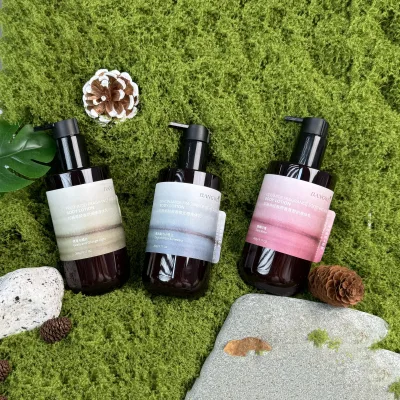
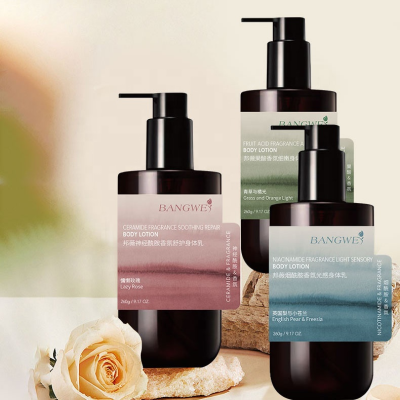


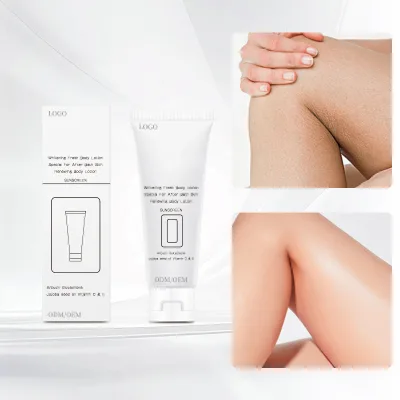
Whitening Fresh Body Lotion Special for After Bath Skin Renewing Body Lotion
$0.98 - $1.50
MOQ: 500 pieces


Comprehensive Sourcing Guide
Whitening Anti-Aging Body Lotion Sourcing Guide
Sourcing whitening anti-aging body lotion requires a disciplined approach to balancing cosmetic efficacy with regulatory compliance and supply chain reliability. Buyers in the B2B sector must navigate a market where product claims often overlap, necessitating clear differentiation between moisturizing, brightening, and rejuvenating properties. The core keyword highlights two primary functional benefits: skin lightening or evening of skin tone, and the reduction of visible signs of aging such as fine lines or loss of elasticity. Procurement teams must ensure that the selected formulations align with these specific claims while maintaining the structural integrity of a lotion or cream base suitable for large-scale distribution.
This guide provides evidence-based procurement strategies for sourcing these specialized body care products. It focuses on verifying technical specifications, validating compliance documentation, and understanding the commercial dynamics that influence cost and delivery. By adhering to the facts observed in current market listings and trusted category knowledge, buyers can mitigate risks associated with unverified claims, inconsistent quality, or non-compliant ingredients. The objective is to equip sourcing professionals with the necessary framework to evaluate suppliers effectively and secure products that meet both regulatory standards and end-consumer expectations.
Product Scope and Observed Listing Signals
The observed product landscape for whitening anti-aging body lotions reveals a diverse range of formulations targeting various skin types and aesthetic preferences. Listings indicate that these products are typically available in lotion or cream forms, with net weights commonly ranging from 200g to 300g, though smaller 30ml to 200ml options also exist for sampling or travel markets. The primary functional attributes observed include moisturizing, nourishing, whitening, and anti-aging capabilities, often supplemented by features such as pigmentation correction, anti-chapping, and skin revitalization. Buyers should note that while "whitening" is a prominent claim, it is frequently paired with "lightening" or "brightening" in ingredient descriptions, suggesting a focus on reducing hyperpigmentation rather than altering natural skin tone.
Fragrance and ingredient profiles are significant differentiators in this category. Observed products feature scents such as rose, fruity, and natural aromas, with customization options available for private label clients. Ingredient lists often highlight natural or herbal components, including aloe vera, shea butter, glycerin, green tea, and pearl extracts, catering to the growing demand for organic and vegan-friendly formulations. However, buyers must verify these claims against actual ingredient lists, as some products may be labeled as "oil-free" or "herbal" while still containing complex emulsions. The target skin types are broadly inclusive, covering normal, dry, oily, combination, sensitive, and melanin-rich skin, indicating that formulations are designed for universal applicability rather than niche dermatological needs.
Technical Specifications to Verify
Technical verification begins with confirming the physical and chemical properties of the lotion or cream. Buyers should request detailed product data sheets that specify the viscosity, pH balance, and stability of the formulation under various temperature conditions. The observed single gross weights range from 0.500 kg to 0.600 kg per unit, which includes packaging, while the net weight of the product itself is typically around 260g. It is crucial to distinguish between the product form (lotion vs. cream) and the packaging specifications, as the latter can significantly impact shipping costs and storage requirements. Standard packaging often involves cartons containing 72 pieces per carton, with individual package dimensions observed at approximately 18.7x15x25.7 cm, though these figures may vary based on bottle design and material.
Ingredient transparency is a critical technical specification that requires rigorous verification. While listings may mention main ingredients like emu oil, dead sea salt, or pearl extract, buyers must ensure that these are present in effective concentrations and are not merely marketing additions. The presence of certifications such as GMP, MSDS, and CE suggests a baseline level of manufacturing quality, but these do not guarantee the efficacy of the whitening or anti-aging agents. Buyers should request full ingredient lists (INCI names) to identify active compounds such as niacinamide, vitamin C, or retinol derivatives, which are commonly associated with the observed claims. Additionally, the availability of OEM and ODM services allows for customization, but buyers must validate that any custom formulations undergo stability and compatibility testing before mass production.
Compliance and Safety Documentation
Compliance with international and regional regulations is non-negotiable for whitening and anti-aging body lotions. Buyers must verify that suppliers hold valid certifications such as GMP (Good Manufacturing Practice), which ensures consistent quality control during production. The observed presence of MSDS (Material Safety Data Sheet) documentation indicates that suppliers provide information on the safe handling and composition of the product, which is essential for logistics and regulatory submissions. However, certifications like CE and EEC are more relevant to machinery and electronics; for cosmetics, buyers should prioritize FDA registration (for US markets), EU Cosmetic Regulation compliance, or local health authority approvals depending on the destination country.
Safety testing and ingredient compliance are paramount, especially for products claiming whitening or anti-aging benefits. Buyers should request clinical or efficacy test reports that substantiate the claims of pigmentation correction and skin revitalization. These tests should be conducted by accredited third-party laboratories and include data on irritation, sensitization, and phototoxicity. The presence of "natural" or "organic" ingredients does not exempt a product from safety regulations; buyers must ensure that all components, including fragrances and preservatives, comply with restricted substance lists in target markets. Additionally, the trade terms observed (EXW, FOB, CIF, CFR, DDA, DDP) influence who is responsible for ensuring compliance during transit and customs clearance, so buyers must clarify these responsibilities in their contracts.
Cost Drivers and Commercial Terms
The cost of whitening anti-aging body lotion is influenced by several factors, including ingredient quality, packaging complexity, and order volume. Observed price ranges in the market vary significantly, reflecting differences in formulation sophistication and brand positioning. Buyers should expect higher costs for products with certified organic ingredients, advanced anti-aging actives, or custom packaging solutions. The minimum order quantity (MOQ) observed ranges from 50 to 30,000 pieces, with some suppliers offering free samples to facilitate evaluation. Lower MOQs may come with higher per-unit costs, while bulk orders can leverage economies of scale, but buyers must balance inventory costs with cash flow constraints.
Commercial terms and delivery times are critical components of the procurement strategy. The observed delivery time for mass production is typically 20-25 days, with some suppliers offering production windows of 7-30 days depending on order size and customization requirements. Buyers should negotiate clear terms regarding payment schedules, such as deposits and balance payments upon shipment, and clarify who bears the risk and cost of transportation based on the chosen trade term (e.g., FOB vs. DDP). Additionally, the availability of private label services and customization options may incur additional setup fees or mold charges, which should be factored into the total cost of ownership. Understanding these commercial dynamics helps buyers avoid hidden costs and ensures a transparent procurement process.
Supplier Qualification and Quality Control
Supplier qualification involves a thorough assessment of manufacturing capabilities, quality management systems, and past performance. Buyers should verify that suppliers have experience in producing cosmetic products, particularly those with active ingredients like whitening and anti-aging agents. The observed certifications (GMP, MSDS, CE) provide a baseline, but buyers should conduct on-site audits or request virtual tours to inspect production lines, hygiene standards, and storage conditions. Suppliers offering OEM and ODM services should demonstrate flexibility and technical expertise in formulating products that meet specific client requirements while maintaining regulatory compliance.
Quality control measures must be integrated into the procurement process to ensure product consistency and safety. Buyers should establish clear quality specifications in their contracts, including acceptable ranges for viscosity, pH, and active ingredient concentration. Regular inspections, such as pre-shipment inspections (PSI), can help identify defects or deviations from specifications before goods are dispatched. Additionally, buyers should request batch-specific test reports for each production run to verify compliance with safety and efficacy standards. Establishing a robust quality control framework reduces the risk of receiving substandard products and protects the buyer’s brand reputation in the market.
Long-Term Procurement Checks
Long-term procurement success depends on continuous monitoring of supplier performance and market trends. Buyers should establish key performance indicators (KPIs) to track delivery reliability, product quality, and responsiveness to issues. Regular reviews of supplier audits and certification renewals ensure that compliance standards are maintained over time. Additionally, buyers should stay informed about regulatory changes in target markets, particularly regarding restricted substances and labeling requirements for whitening and anti-aging claims. Proactive engagement with suppliers can lead to collaborative improvements in product formulation and packaging, enhancing competitiveness in the market.
Building a resilient supply chain involves diversifying suppliers and maintaining open communication channels. Buyers should avoid over-reliance on a single source and develop relationships with multiple qualified suppliers to mitigate risks associated with production delays or quality issues. Regular feedback loops with suppliers can help identify areas for improvement and foster a partnership-oriented approach. Furthermore, buyers should monitor consumer trends and preferences to ensure that product offerings remain relevant and appealing. By implementing these long-term checks, buyers can sustain a competitive edge and ensure the successful launch and distribution of whitening anti-aging body lotions.
FAQs
What certifications do the body lotions have?
The products hold EEC, GMP, and MSDS certifications. Some listings also include CE and FDA approvals. These documents verify compliance with safety and manufacturing standards for international trade.
Can I get custom fragrances for this lotion?
Yes, customized fragrances are available for this product. Buyers can select from options like rose, fruity, or natural scents. The service supports OEM and ODM private label requirements for branding.
What is the minimum order quantity for bulk purchase?
The minimum order quantity ranges from 50 to 30,000 pieces depending on the supplier. One specific listing requires 5,000 pieces as the baseline. Buyers should confirm the exact MOQ with the vendor.
How long does production take for mass orders?
Production time typically spans 7 to 30 days for mass production. One specific delivery window is listed as 20 to 25 days. Lead times may vary based on order volume and customization needs.
Which skin types are suitable for this moisturizer?
This lotion is formulated for all skin types including dry, oily, combination, and sensitive skin. It is also suitable for melanin-rich skin. The formula focuses on moisturizing, whitening, and nourishing properties.
What packaging options are available for wholesale?
Standard packaging is 72 pieces per carton with a single gross weight of 0.5 to 0.6 kg. Custom OEM packaging is available upon request. The product comes in white tubes or bottles with various volume standards.
Are samples available for testing before bulk order?
Free samples are available for buyers to test the product quality. This allows verification of texture, scent, and efficacy before committing to a large order. Buyers should contact the supplier to arrange sample collection.