Source Wide Mouth Cosmetic Glass Bottle for Foundation, Serum, and Lotion
Explore 30 verified options for the Wide Mouth Cosmetic Glass Bottle, featuring round and square shapes with customization available. Buyers can compare specifications like neck size, material, and surface treatment across suppliers in Anhui, Zhejiang, and Shandong.
Key considerations
Products List


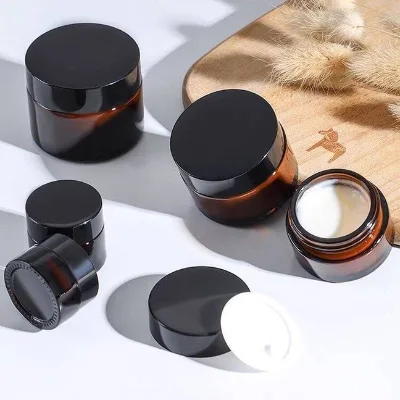


Glass Bottle Cosmetic Packaging Water Bottle High White Bottle for Skin Care
$0.10 - $0.11
MOQ: 10000 Pieces


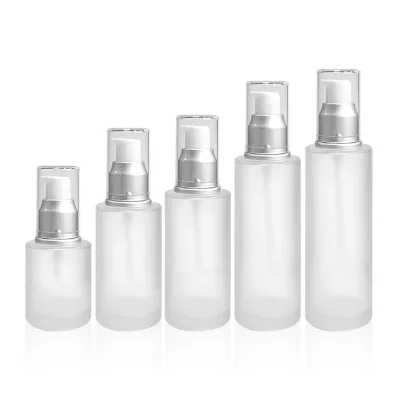
Comprehensive Sourcing Guide
Strategic Sourcing Guide for Wide Mouth Cosmetic Glass Bottles
The global demand for premium packaging solutions has elevated the Wide Mouth Cosmetic Glass Bottle from a simple container to a critical component of brand identity and product integrity. For procurement professionals, navigating the market requires a disciplined approach that balances aesthetic requirements with rigorous technical and compliance standards. This guide synthesizes observed market data and verified product attributes to provide a framework for sourcing high-quality glass containers. The focus remains on evidence-based decision-making, ensuring that buyers can evaluate suppliers and products without relying on unverified marketing claims or speculative data.
Technical Specifications and Material Integrity
When evaluating wide mouth cosmetic glass bottles, the primary technical consideration is the material composition and structural design. The supplied product data indicates that the industry standard for these containers is high-transparency glass, often paired with a glass collar. This material choice is essential for maintaining product stability, as glass is chemically inert and prevents interaction between the container and cosmetic formulations. The transparency allows consumers to view the product, a key factor in marketing foundation and liquid cosmetics.
Shape is a significant differentiator in this category. Market observations reveal a clear divergence between round and square profiles. Round bottles, such as those with the model designation RY-90Z, offer a classic aesthetic that is often preferred for lotions and serums. Conversely, square designs, identified by models like LW-66Y3 and LW-78D, provide a modern, shelf-stable geometry that maximizes space in retail displays. The neck size is another critical specification; data points to a 15mm neck size as a common standard for wide mouth applications, ensuring compatibility with various pump mechanisms and dispensing systems.
The manufacturing process also influences the final product quality. Surface treatments such as silk screen printing and electroplating are frequently employed to enhance visual appeal. These processes allow for the application of printed logos and branding directly onto the glass surface. Buyers must verify that the surface treatment adheres to the specific requirements of their product line, as the durability of the print is vital for long-term shelf life. Additionally, the sealing type is predominantly spray bottle configurations, which require precise engineering to ensure the pump mechanism functions correctly with the wide mouth opening.
Compliance, Certification, and Safety Standards
In the cosmetic industry, regulatory compliance is non-negotiable. Procurement teams must prioritize suppliers who can demonstrate adherence to international safety standards. The available data highlights several critical certifications that serve as benchmarks for quality assurance. These include CE, FDA, SGS, and Food Safe Certificate approvals. These certifications indicate that the materials used in the bottle and its components, such as the cap and pump, meet specific safety thresholds for human contact.
Furthermore, standards such as LFGB (German Food and Feed Code) and SGS are referenced in product specifications, suggesting a focus on food-grade safety even for cosmetic applications. This is particularly relevant for products that may come into contact with sensitive skin or are marketed as natural and organic. While background information mentions REACH and RoHS, these should be treated as potential attributes rather than guaranteed facts unless explicitly confirmed by the supplier for a specific batch.
Buyers should verify the "Food Safe Certificate" status directly, as this implies the glass and associated materials are free from harmful heavy metals and leachable substances. The presence of these certifications is not merely a formality; it is a prerequisite for entering regulated markets in North America, Europe, and Asia. When evaluating a supplier, request current, valid certificates that match the specific product model and material composition. Do not accept generic statements about compliance; demand documentation that links the certification to the specific batch or production run.
Cost Drivers and Economic Factors
Understanding the cost structure of wide mouth cosmetic glass bottles is essential for budget planning and negotiation. The observed price range in the market spans from $0.05 to $2.40 USD, a significant variance that reflects differences in material quality, customization levels, and order volume. Several factors drive these costs. First, the material itself, specifically high-transparency glass, is more expensive than alternative plastics, but it offers superior barrier properties and a premium feel.
Customization is a major cost driver. The data confirms that customization is available for these bottles, including custom shapes, colors, and surface printing. Products with complex surface treatments like electroplating or multi-color silk screen printing will naturally command a higher price point. Additionally, the inclusion of accessories, such as silver electroplated aluminum spray pumps and ABS lids, adds to the unit cost. Buyers must decide whether to source the bottle and pump separately or opt for a pre-assembled unit, as the latter often incurs a premium for assembly labor and quality control.
Order volume plays a pivotal role in pricing. The Minimum Order Quantity (MOQ) ranges widely from 100 to 30,000 units, with specific product lines requiring MOQs of 5,000 or 10,000 pieces. Larger orders typically benefit from economies of scale, reducing the per-unit cost. However, smaller MOQs may be necessary for startups or limited-edition launches, albeit at a higher price per unit. Buyers should analyze their forecasted demand against the supplier's MOQ requirements to optimize cash flow and inventory holding costs.
Typical Applications and Usage Scenarios
Wide mouth cosmetic glass bottles are versatile containers designed for a variety of cosmetic applications. The primary use case identified is the storage of cosmetic liquids, including foundations, serums, and lotions. The wide mouth design facilitates the easy dispensing of viscous products and allows for the use of spatulas or large pumps, which is particularly beneficial for high-viscosity formulations that might clog narrow-neck containers.
The product data explicitly lists "Foundation Package" as a specific usage, highlighting the bottle's suitability for liquid makeup products. The square and round shapes cater to different brand aesthetics, with square bottles often used for modern, minimalist branding and round bottles for traditional, luxury positioning. The "Industrial Use" is categorized as cosmetic, confirming that these bottles are engineered to meet the specific demands of the beauty industry, such as resistance to chemical degradation from active ingredients.
Furthermore, the "Aromatherapy Bottle" application suggests utility in the fragrance and wellness sectors. The glass material's ability to preserve the integrity of essential oils and fragrances makes it an ideal choice for this niche. The "Single Item" selling unit indicates that these products are often sold individually for retail or as part of a curated set, rather than exclusively in bulk industrial packs. Buyers should align their product formulation with the bottle's capabilities, ensuring that the viscosity and chemical nature of their product are compatible with the glass and the sealing mechanism.
Supplier Evaluation and Quality Control
Selecting the right supplier requires a rigorous evaluation process that goes beyond price comparisons. Buyers should assess the supplier's origin, as the data indicates production locations in Anhui, Zhejiang, and Shandong, China. Each region may have different manufacturing capabilities and supply chain efficiencies. For instance, suppliers in Zhejiang might specialize in glass molding, while those in Shandong could focus on packaging assembly.
Quality control is paramount. The "Hardness" attribute is noted as "Partial Hard," which may refer to the surface treatment or the glass thickness. Buyers must verify the mechanical strength of the bottle to prevent breakage during shipping and handling. The "Waterproof" attribute is another critical quality metric, ensuring that the bottle can withstand humidity and potential water exposure without compromising the label or the seal.
When evaluating suppliers, request samples that match the exact specifications of the intended order. Check the consistency of the "Silk Screen + Electroplating" finish for defects such as peeling or uneven coverage. Verify the "Sealing Type" by testing the pump mechanism for smooth operation and leak resistance. Additionally, inspect the "Packing" method, which ranges from individual boxes to cartons and pallets. Proper packaging is essential to prevent breakage during transit, especially for fragile glass items.
Long-Term Procurement Considerations
Sourcing wide mouth cosmetic glass bottles is a long-term strategic decision that impacts brand reputation and supply chain resilience. Buyers should consider the scalability of the supplier's production capacity. With MOQs ranging up to 30,000 units, suppliers must be able to ramp up production to meet seasonal demand spikes or new product launches. Lead times, while not explicitly quantified in the data, are a critical factor in planning. Buyers should establish clear communication channels to understand production schedules and potential delays.
Sustainability is an emerging consideration in the cosmetic industry. While the data does not explicitly detail recycling programs, the use of glass, a recyclable material, is a positive attribute. Buyers should inquire about the supplier's environmental practices, such as energy efficiency in glass melting and waste reduction initiatives. The availability of "Customized" options also allows for future-proofing, enabling brands to adapt packaging designs as market trends evolve without changing suppliers.
Finally, the "Standard" attributes, such as 50g, 30ml, and 5ml-100ml capacities, indicate a range of sizes available. Buyers should ensure that the supplier can maintain consistency across these sizes and that the supply chain can support a diverse product portfolio. Building a relationship with a supplier who offers flexibility in customization and maintains high quality standards will provide a competitive advantage in the dynamic cosmetic market.
Comparative Analysis of Product Attributes
To facilitate decision-making, the following table summarizes key attributes observed in the market for wide mouth cosmetic glass bottles. This comparison highlights the diversity in specifications and helps buyers identify the most suitable options for their specific needs.
| Attribute Category | Observation 1 | Observation 2 | Observation 3 |
|---|---|---|---|
| Shape | Round (e.g., RY-90Z) | Square (e.g., LW-66Y3) | Mixed (Round/Square) |
| Material | High-Transparency Glass | Glass + Cap | Glass Collar |
| Neck Size | 15mm | Standard Wide Mouth | Variable |
| Surface Treatment | Silk Screen + Electroplating | Screen Printing | Printed Logo |
| Sealing Type | Spray Bottle | Spray Bottle | Standard Cap |
| MOQ Range | 100 - 30,000 PCS | 5,000 PCS | 10,000 PCS |
| Certifications | CE, FDA, SGS | Food Safe Certificate | LFGB, SGS |
| Origin | Anhui, China | Zhejiang, China | Shandong, China |
| Capacity Standard | 50g | 30ml | 5ml-100ml |
| Packing | Carton | Box | Pallet/Carton |
This table underscores the importance of matching specific product requirements with supplier capabilities. For instance, a brand requiring a square bottle with a 15mm neck and FDA certification must look beyond suppliers who only offer round bottles or lack specific certifications. The diversity in origins and packing methods also suggests that logistics planning must be tailored to the specific supplier selected. By carefully analyzing these attributes, buyers can make informed decisions that align with their technical, financial, and strategic goals.
FAQs
What shapes are available for wide mouth cosmetic glass bottles?
Both round and square shapes are available for wide mouth cosmetic glass bottles. Round models like RY-90Z offer a classic look, while square designs such as LW-66Y3 provide modern aesthetics suitable for foundation packaging and aromatherapy applications.
Can I customize the surface treatment and logo on these bottles?
Yes, customization is available for surface treatments including silk screen printing and electroplating. Buyers can request printed logos on the glass surface, and accessories like silver electroplated aluminum spray pumps can be included to match brand identity.
What certifications do wide mouth cosmetic glass bottles typically hold?
These bottles often hold CE, FDA, SGS, and Food Safe Certificate approvals. Some products also meet LFGB standards, ensuring the glass and components are safe for human contact and suitable for cosmetic liquids and fragrances.
How does the MOQ vary for different Wide Mouth Cosmetic Glass Bottle models?
Minimum Order Quantities range from 100 to 30,000 units depending on the specific model. Some standard lines require 5,000 or 10,000 pieces, while others may accommodate smaller orders to support startups or limited edition launches.
What is the typical price range for wide mouth cosmetic glass bottles?
The observed price range spans from 0.05 to 2.4 USD per unit. Costs vary based on material quality, customization levels, and order volume, with complex surface treatments and included accessories driving higher prices.
Which neck sizes are standard for wide mouth cosmetic glass bottles?
A 15mm neck size is a common standard for wide mouth applications. This dimension ensures compatibility with various pump mechanisms and dispensing systems required for cosmetic liquid storage and foundation packaging.
Where are these wide mouth cosmetic glass bottles manufactured?
Production originates from regions in China including Anhui, Zhejiang, and Shandong. Each location may offer different manufacturing capabilities, with suppliers providing options ranging from individual boxes to palletized carton packaging.