Source Wide Brim Polyester Fedora Hat for Events, Fashion, and Gifts
Source a Wide Brim Polyester Fedora Hat from 30 verified listings. Compare options featuring cotton blends, adjustable fits, and custom logos for winter, summer, and four-season wear. Evaluate MOQs, packing details, and origin locations to find the right supplier for your needs.
Key considerations
Products List


Wool Wide Brim Fedora Hats Custom Various Colors Dark Orange Fedora Hat
$18.00 - $22.00
MOQ: 10 pieces


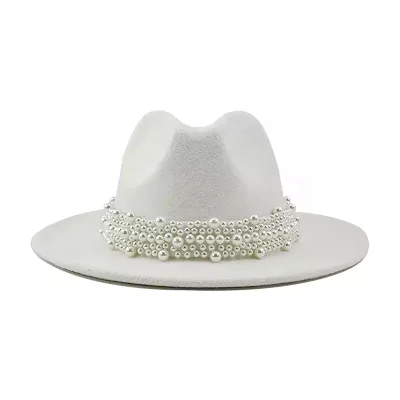
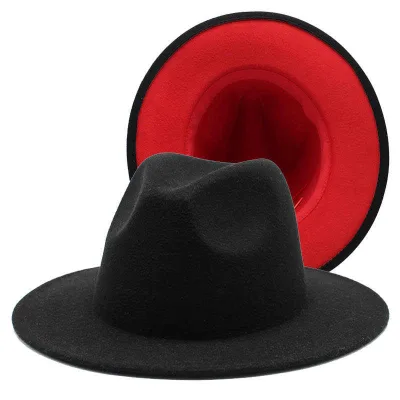
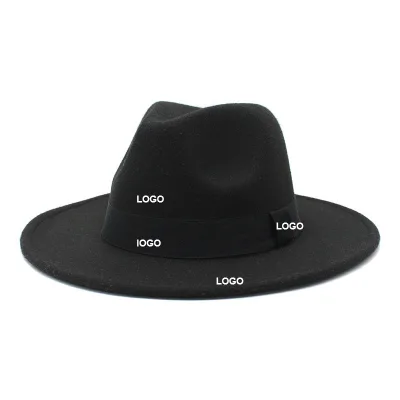
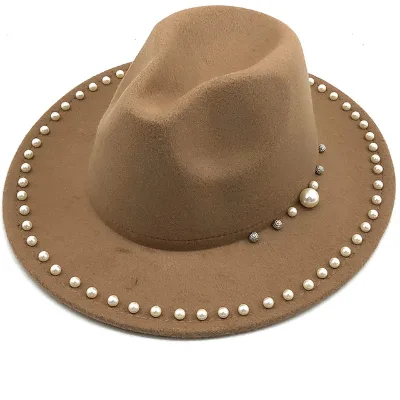
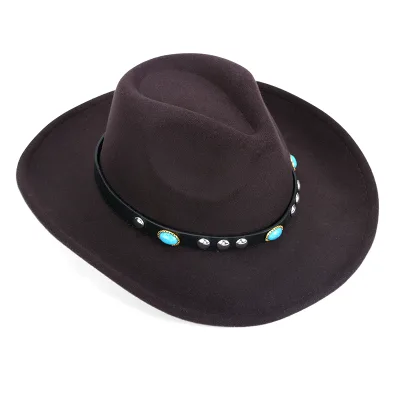
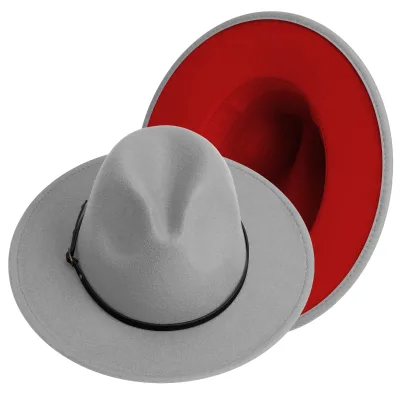
Comprehensive Sourcing Guide
Wide Brim Polyester Fedora Hat Sourcing Guide
Sourcing wide brim polyester fedora hats requires a nuanced understanding of material performance and seasonal versatility. The observed product data indicates a diverse inventory ranging from winter-specific items to those suitable for summer or four-season wear. Buyers must carefully distinguish between hats designed for thermal insulation and those intended for sun protection, as the functional requirements differ significantly. Polyester and cotton blends are common, offering durability and shape retention, while 100% cotton options provide breathability. Understanding these material distinctions is critical for aligning product selection with target market needs, ensuring that the final goods meet the specific environmental demands of the end consumer.
The visual and stylistic attributes of these hats vary widely, including plain dyed, checked, and embroidered patterns. Some listings highlight specific styles such as jazz hats or character-themed designs, while others focus on classic fedora aesthetics with ribbons and ropes. Customization is frequently available, allowing buyers to tailor colors, logos, and packaging to their brand identity. However, the presence of multiple models and seasonal tags in the same dataset suggests that suppliers may offer a broad catalog rather than a specialized niche. Procurement teams should verify that the specific wide brim polyester fedora they intend to order matches the exact style, material composition, and seasonal rating required for their inventory plan.
Product Scope and Observed Listing Signals
The current market signals reveal a wide range of product models, such as SNJJ21070501 and SNTA-820-1, indicating a fragmented supplier landscape with diverse SKUs. Buyers should note that while some items are explicitly labeled as polyester or cotton, others may have ambiguous material descriptions that require direct confirmation. The observed price range of 0.89 to 25 USD suggests significant variation in quality, branding, and complexity. Lower-priced items may be basic plain dyed caps, while higher-priced options could feature 3D embroidery, custom ribbons, or premium fabric blends. This disparity necessitates rigorous sample evaluation to ensure that the price point correlates with the expected material quality and construction standards.
Seasonal applicability is another critical signal, with listings covering winter, summer, spring/autumn, and four-season use. This diversity implies that suppliers may produce hats for different climates using similar base designs but with varying fabric weights or linings. Buyers must clarify whether the wide brim design is intended for fashion or functional sun protection, as this affects the choice of polyester density and weave. Additionally, the availability of adjustable features and unisex sizing (56-60cm or 57-61cm) suggests a focus on broad market appeal. Procurement teams should map these signals to their specific customer demographics to avoid overstocking items that do not align with their target audience's seasonal or stylistic preferences.
Technical Specifications to Verify
Verifying the exact material composition is paramount, as listings may cite polyester/cotton blends, 100% cotton, or unspecified fabrics. Buyers must confirm the percentage of polyester to ensure the hat meets durability and moisture-wicking requirements, especially for summer or active use cases. The brim width and crown structure should be measured against design specifications, as "wide brim" can vary significantly between suppliers. Additionally, the presence of accessories like ribbons and ropes must be confirmed, as these add to the cost and complexity of the product. Ensuring that the material matches the claimed style, such as checked or embroidered patterns, prevents discrepancies between the ordered sample and the bulk production.
Size and fit specifications require careful attention, with observed sizes ranging from 56-60cm to 57-61cm. Buyers should verify whether the hats are adjustable or fixed-size, as this impacts inventory management and return rates. The packing dimensions, such as 326597 cm per carton or 24 PCS per oppbag, influence logistics costs and storage requirements. It is essential to confirm the single package size and gross weight to accurately calculate freight charges. Furthermore, any custom logo or pattern technology, such as 3D embroidery, must be validated for durability and placement accuracy to maintain brand consistency across the product line.
Compliance and Safety Documentation
While specific certification statuses are not explicitly detailed in the observed data, buyers must ensure that all polyester and cotton materials comply with relevant safety standards for headwear. This includes verifying that dyes and finishes used in plain dyed or colored hats are free from harmful substances, particularly for products marketed to adults or children. Suppliers should provide test reports confirming compliance with regional regulations, such as REACH in Europe or CPSIA in the United States, depending on the target market. Buyers should request documentation for any chemical treatments applied to the fabric to ensure they do not pose health risks during prolonged wear.
Labeling and care instructions must also be reviewed for accuracy and compliance. The product name, material composition, and country of origin (e.g., Zhejiang or Hebei, China) must be clearly stated on the product or packaging. Buyers should verify that the labeling meets the requirements of their destination market, including fiber content percentages and washing instructions. Additionally, any claims regarding seasonal suitability or special features, such as adjustability, must be substantiated by the product's actual design. Ensuring that all documentation is accurate and complete helps prevent customs delays and ensures that the product can be legally sold in the target region.
Cost Drivers and Commercial Terms
The observed MOQ range of 1-1000 pieces offers flexibility for buyers with varying order volumes, but it also highlights the importance of negotiating favorable terms based on quantity. Lower MOQs may come with higher unit prices, while larger orders could unlock discounts, especially for customized designs or specific materials. Buyers should clarify whether the price includes customization costs, such as logo printing or embroidery, as these can significantly impact the final cost. Additionally, the payment terms, typically T/T, should be structured to protect the buyer's interests, such as using a deposit and balance against copy of B/L.
Packing and logistics costs are influenced by the specified packing methods, such as 120 PCS per carton or 24 PCS per oppbag. Buyers should calculate the total landed cost, including freight, insurance, and duties, based on the carton dimensions and weight. The sample time of 7-15 days should be factored into the production schedule, especially for customized orders. It is also important to confirm whether the supplier offers free samples or charges for them, and if the sample cost is deductible from the bulk order. Understanding these cost drivers helps buyers make informed decisions about order size and timing.
Supplier Qualification and Quality Control
Evaluating supplier qualifications is essential, particularly given the diverse origins listed, such as Zhejiang and Hebei in China. Buyers should verify the supplier's manufacturing capabilities, including their experience with polyester and cotton fabrics, as well as their ability to handle custom designs like 3D embroidery or checked patterns. Requesting references or case studies from previous clients can provide insight into the supplier's reliability and consistency. Additionally, buyers should assess the supplier's quality control processes, including in-line inspections and final random inspections, to ensure that the products meet the agreed-upon standards.
Quality control should focus on key areas such as material consistency, stitching quality, and the durability of accessories like ribbons and ropes. Buyers should conduct pre-shipment inspections to verify that the products match the approved samples in terms of color, size, and design. It is also important to check for any defects, such as loose threads, uneven dyeing, or misaligned patterns. Establishing clear quality criteria and communication channels with the supplier helps minimize the risk of receiving substandard products. Regular feedback and continuous improvement discussions can further enhance the quality of future orders.
Long-Term Procurement Checks
Building a long-term relationship with suppliers requires regular performance reviews and continuous improvement initiatives. Buyers should track key metrics such as on-time delivery, product quality, and responsiveness to issues. Establishing a scorecard system can help identify areas for improvement and recognize high-performing suppliers. Additionally, buyers should stay informed about market trends and changes in consumer preferences, such as the growing demand for sustainable materials or unique designs. This knowledge can help buyers negotiate better terms and select suppliers who can adapt to changing market conditions.
Risk management is another critical aspect of long-term procurement. Buyers should diversify their supplier base to mitigate the risk of supply chain disruptions. It is also important to have contingency plans in place for issues such as material shortages or production delays. Regular audits and site visits can help ensure that suppliers maintain high standards of quality and ethical practices. By proactively managing these risks and fostering strong supplier relationships, buyers can ensure a stable and reliable supply of wide brim polyester fedora hats for their business.
FAQs
What materials are used for wide brim polyester fedora hats?
The hats are crafted from a durable blend of polyester and cotton. This material combination offers a balance of structure and comfort. Some variants are made from 100% cotton for breathability. The fabric is often plain dyed or checked, ensuring a versatile look. This composition supports the hat's shape while remaining lightweight for all-day wear in various seasons.
Can I customize the logo on these fedora hats?
Yes, customization is available for these wide brim polyester fedora hats. Buyers can request a customized logo to be applied to the product. Options include 3D embroidery for a premium finish. This service allows brands to add unique identity to their orders. The customization process is supported by the supplier to meet specific design requirements.
What is the minimum order quantity for these hats?
The minimum order quantity varies by supplier but typically starts at 10 pieces. Some listings indicate an MOQ of 1 to 1000 pieces depending on the model. This flexibility allows small buyers to test the market. Larger orders benefit from standard carton packing of 120 pieces. Buyers should confirm the exact MOQ with the specific manufacturer before placing an order.
Which sizes are available for adult wide brim fedora hats?
Standard sizes for adults range from 56cm to 60cm. Some models offer specific measurements like 57cm, 59cm, and 61cm. The hats feature an adjustable design to ensure a secure fit. This sizing covers most adult head circumferences. Buyers should measure their head circumference to select the correct size from the available options.
How long does it take to produce a sample?
The sample production time is typically 7 to 15 days. This period allows for material preparation and quality checks. Buyers can request samples to verify the hat's quality and customization options. The lead time may vary based on the complexity of the design. Prompt communication with the supplier ensures timely sample delivery for approval.
What payment methods are accepted for these fedora hats?
The standard payment method accepted is T/T, or Telegraphic Transfer. This is a common secure method for B2B transactions. Buyers should confirm the payment terms with the supplier before proceeding. The payment process is usually structured with a deposit and balance upon shipment. This method ensures security for both the buyer and the manufacturer.