Source Wide Mouth Plastic Reagent Bottle for Lab Storage
Compare 29 Wide Mouth Plastic Reagent Bottle options from verified Chinese manufacturers. Buyers can evaluate materials like HDPE and PP, capacities ranging from 250ml to 3000ml, and customization features for laboratory analysis and chemical storage needs.
Key considerations
Products List





Comprehensive Sourcing Guide
Strategic Sourcing Guide for Wide Mouth Plastic Reagent Bottles
Technical Specifications and Material Selection
When sourcing wide mouth plastic reagent bottles, the primary technical differentiator lies in the material composition and dimensional specifications. The market offers a diverse range of options, primarily driven by the chemical compatibility required for specific laboratory applications. The supplied data indicates that these bottles are frequently manufactured from HDPE (High-Density Polyethylene) or PP (Polypropylene), both of which are standard thermoplastics in laboratory settings due to their chemical resistance. However, buyers must also be aware that some listings in the broader category reference Borosilicate 3.3 glass or neutral glass, suggesting that the term "reagent bottle" can encompass both plastic and glass variants. For a strict focus on plastic reagent bottles, the material selection should be verified against the specific chemical being stored to ensure no degradation or leaching occurs.
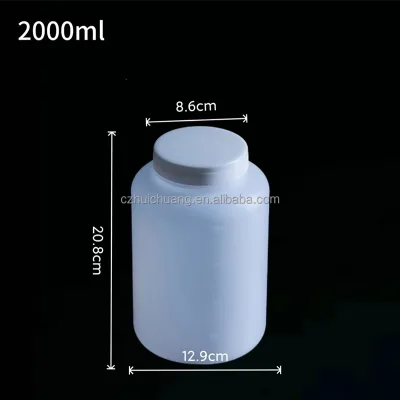
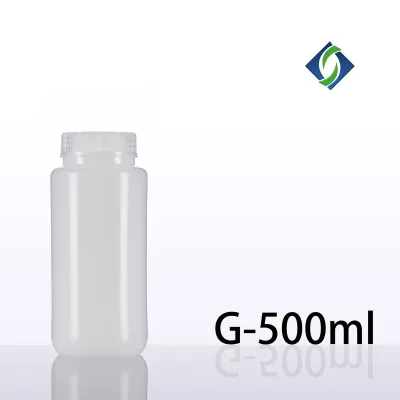
Capacity is another critical specification. The observed product range spans from small volumes up to 2500ml, with specific listings highlighting capacities such as 30mL, 50ml, 60ml, 100ml, 150ml, 200ml, 250ml, 300ml, 500ml, 1000ml, 2000ml, and 2500ml. The "wide mouth" designation is a functional attribute designed to facilitate the insertion of pipettes, spatulas, and brushes, making these bottles ideal for handling viscous liquids or solid reagents. The standard capacity range observed in the market data extends from 8ml to 1000ml, though larger industrial variants exist. The bottle type is predominantly round, which offers structural stability and efficient stacking, while the closure mechanism is consistently a screw cap or screw top. This threading ensures a secure seal, which is vital for preventing evaporation and contamination. Buyers should verify the thread pitch and diameter to ensure compatibility with existing laboratory equipment or custom closures.
Compliance, Certification, and Regulatory Standards
In the laboratory environment, compliance is not merely a formality but a prerequisite for safety and data integrity. The sourcing landscape for wide mouth plastic reagent bottles includes products that carry specific certifications such as RoHS, ISO, and CE. These certifications indicate that the manufacturing process adheres to environmental restrictions on hazardous substances, meets international management system standards, and complies with European health, safety, and environmental protection requirements. However, it is crucial to treat these certifications as observations of specific listings rather than universal attributes of all products in the category. A buyer must verify that the specific supplier and batch of bottles they intend to purchase actually hold these certifications, as the presence of one does not guarantee the presence of others across the entire market.
Beyond general certifications, the product standards for these bottles vary significantly. Some listings specify a standard range of 8ml to 1000ml, while others indicate "custom" standards or specific model numbers like 22AT649, 22AT658, and BZH-R-PFA-SJP3000. The "custom" standard designation suggests that many manufacturers offer tailored solutions for unique laboratory needs. When evaluating compliance, buyers should look for evidence of high purity, as this is a noted advantage for reagent bottles used in sensitive analytical procedures. The attribute "Does Not Stick to The Sample" is also significant, indicating a surface treatment or material property that prevents sample loss and ensures accurate quantitative analysis. Buyers should request documentation confirming that the plastic material does not interact with the specific reagents they intend to store, particularly for organic solvents or strong acids and bases.
Cost Drivers and Pricing Dynamics
The pricing structure for wide mouth plastic reagent bottles is influenced by a complex interplay of material costs, customization levels, and order volume. The observed price range in the market is extensive, spanning from $0.03 to $526 per unit. This wide disparity reflects the difference between basic, single-use plastic bottles and specialized, high-volume, or custom-engineered containers. The Minimum Order Quantity (MOQ) is a significant cost driver, with observed ranges from 1 unit to 5000 units. For buyers with small-scale needs, suppliers offering an MOQ of 10 pieces or even single items can be cost-effective, whereas large-scale procurement benefits from economies of scale associated with higher MOQs.
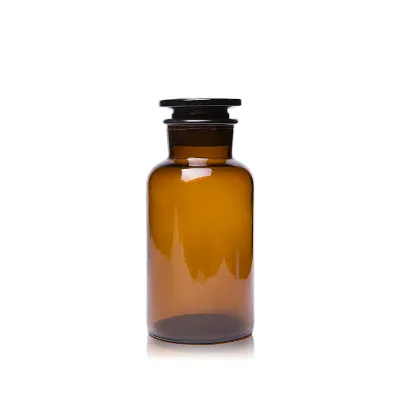
Material composition plays a substantial role in pricing. HDPE and PP are generally cost-effective materials, but the inclusion of specialized features, such as specific color treatments (White, Amber, or Clear) or custom logos, can increase the unit cost. The "Amber" color variant, for instance, is often required for light-sensitive reagents and may command a premium over standard clear or white bottles. Additionally, the packaging method, typically described as "Carton" or "Packaging in Carton," adds to the overall cost. The single gross weight of 2.500 kg for certain packages indicates that shipping costs can be a hidden variable, especially for international procurement. Buyers should consider the total landed cost, which includes the unit price, packaging, and freight, rather than focusing solely on the base price. Customization options, such as OEM and ODM support, also introduce variable costs that depend on the complexity of the design and the volume of the order.
Typical Applications and Usage Scenarios
Wide mouth plastic reagent bottles are designed for a broad spectrum of laboratory applications, ranging from general storage to specialized chemical analysis. The primary application category is "Laboratory," with specific mentions of "Laboratory Analysis," "Lab Medical Chemical," and "Laboratory Experiment." The wide mouth design makes these bottles particularly suitable for applications requiring the transfer of solid reagents, viscous liquids, or the use of large-diameter tools. The attribute "Disposable" appears in some listings, suggesting that for certain high-contamination-risk applications, single-use bottles are preferred to eliminate cross-contamination. Conversely, other listings specify "Non-Disposable," indicating that the bottles are durable and intended for repeated use after sterilization.
The transparency of the bottle is another factor influencing its application. Listings describe the bottles as "Translucent" or "Clear," which allows for visual inspection of the contents. However, for reagents sensitive to light, the "Amber" color option is essential to prevent photodegradation. The "High Purity" advantage noted in the data suggests that these bottles are suitable for high-precision analytical work where trace contaminants could compromise results. The "Does Not Stick to The Sample" attribute is particularly valuable in quantitative analysis, ensuring that the entire sample can be transferred from the bottle to the analytical instrument without residue. Whether for medical, chemical, or general research purposes, the versatility of these bottles makes them a staple in laboratory inventory, provided the material and capacity are matched to the specific chemical requirements.
Supplier Evaluation and Origin Verification
Evaluating suppliers for wide mouth plastic reagent bottles requires a careful examination of their geographic origin, production capabilities, and customization support. The supply chain for these products is concentrated in China, with specific origins noted in Jiangsu, Anhui, and Hebei provinces. These regions are known for their robust manufacturing infrastructure, but buyers should verify the specific factory location to ensure it aligns with their quality expectations and logistical preferences. The presence of "OEM" and "ODM" support indicates that many suppliers are capable of producing custom-branded or custom-designed bottles, which is a significant advantage for laboratories with specific branding or functional requirements.
When assessing a supplier, buyers should look for evidence of their ability to provide samples. The data confirms that sample provision is available, allowing buyers to physically inspect the product quality, thread integrity, and material thickness before committing to a large order. The "Customized Logo Acceptable" attribute further highlights the supplier's flexibility in branding. However, buyers must be cautious of the "warranty: no" attribute found in some listings, which suggests that many suppliers operate on a "as-is" basis without extended warranties. This underscores the importance of rigorous pre-shipment quality checks. Additionally, the "Selling Units: Single item" attribute indicates that some suppliers are flexible with order sizes, catering to both small research groups and large industrial clients. Buyers should prioritize suppliers who can demonstrate a track record of consistent quality and reliable communication, especially when dealing with custom specifications.
Quality Control and Long-Term Procurement Considerations
Ensuring the long-term reliability of wide mouth plastic reagent bottles requires a robust quality control strategy. The variability in product models, such as 22AT649, 22AT658, and BZH-R-PFA-SJP3000, suggests that buyers must verify the specific model number against their requirements to ensure compatibility. The "Single package size" of 30X30X37 cm provides a standard for logistics planning, but buyers should confirm that the packaging is sufficient to prevent damage during transit. The "Carton" packaging is standard, but the structural integrity of these cartons can vary between suppliers.
For long-term procurement, buyers should consider the sustainability and disposability of the bottles. While some bottles are marketed as "Disposable," others are designed for reuse. The decision to reuse depends on the sterilization capabilities of the laboratory and the chemical resistance of the plastic. HDPE and PP are generally resistant to many chemicals, but repeated exposure to harsh solvents or high temperatures can degrade the material over time. Buyers should establish a protocol for inspecting bottles for signs of wear, such as clouding, cracking, or thread deformation, before reuse. Furthermore, the "High Purity" attribute should be validated through batch testing to ensure that the plastic does not leach contaminants into the reagents. By maintaining a consistent relationship with a reliable supplier and conducting regular quality audits, laboratories can ensure a steady supply of high-quality wide mouth plastic reagent bottles that meet their specific operational needs.
Comparative Analysis of Product Attributes
To assist buyers in making informed decisions, the following table summarizes key attributes observed in the market for wide mouth plastic reagent bottles. This comparison highlights the variability in specifications and helps identify the features that are most critical for specific applications.
| Attribute Category | Observed Options | Key Considerations for Buyers |
|---|---|---|
| Material | HDPE Plastic, PP, Borosilicate 3.3 Glass | Verify chemical compatibility; HDPE/PP for general use, Glass for high purity/heat. |
| Capacity | 30mL to 2500ml (Standard 8ml-1000ml) | Select based on reagent volume; wide mouth facilitates solid transfer. |
| Closure Type | Screw Cap, Screw Top | Ensure thread compatibility with existing lab equipment. |
| Color/Transparency | White, Amber, Clear, Translucent | Amber for light-sensitive reagents; Clear for visual inspection. |
| Customization | OEM, ODM, Custom Logo, Custom Standard | Essential for branding and specific functional requirements. |
| Certifications | RoHS, ISO, CE (Varies by listing) | Verify specific certifications for the intended batch and application. |
| Usage Type | Disposable, Non-Disposable | Determine based on contamination risk and sterilization capability. |
| Origin | Jiangsu, Anhui, Hebei, China | Verify factory location for quality control and logistics planning. |
This table serves as a reference point for buyers to cross-reference their specific requirements against the available market options. By systematically evaluating these attributes, procurement teams can select the most suitable wide mouth plastic reagent bottles for their laboratory operations, ensuring safety, efficiency, and compliance with all relevant standards.
FAQs
What materials are used for wide mouth plastic reagent bottles?
These bottles are primarily made from HDPE plastic or PP. Some listings also reference Borosilicate 3.3 glass or neutral glass, so verify the specific material type to ensure chemical compatibility for your laboratory needs.
Which certifications do these bottles typically hold?
Many products carry RoHS, ISO, and CE certifications. These indicate compliance with environmental restrictions and safety standards, but you must verify that the specific batch you purchase actually holds these credentials.
How much does a Wide Mouth Plastic Reagent Bottle cost?
Prices range from 0.03 to 526 USD per unit depending on the model. The cost varies significantly based on material, capacity, customization, and order volume, so request a quote for your specific requirements.
Can I get samples before placing a large order?
Yes, suppliers generally provide samples for inspection. This allows you to verify thread integrity, material thickness, and transparency before committing to a bulk purchase with a minimum order quantity of 10 pieces or more.
What capacity options are available for these bottles?
Capacities range from 8ml up to 2500ml, including specific sizes like 100ml, 500ml, and 1000ml. The standard range often covers 8ml to 1000ml, but custom volumes are also available for specialized laboratory applications.
Are these bottles available in different colors?
Yes, options include white, amber, and clear colors. Amber variants are essential for light-sensitive reagents, while clear bottles allow for visual inspection of the contents during laboratory experiments.
Where are these bottles manufactured?
Manufacturing origins include Jiangsu, Anhui, and Hebei provinces in China. Buyers should verify the specific factory location to ensure it aligns with their quality expectations and logistical preferences for shipping.