Source Wind Up Square Music Box for Holiday Gifts and Decor
Find a selection of 30 Wind Up Square Music Box options featuring wood and metal materials with customized songs. Buyers can compare specifications like sound duration, dimensions, and packaging details to select the right item for holiday gifts or home decoration.
Key considerations
Products List
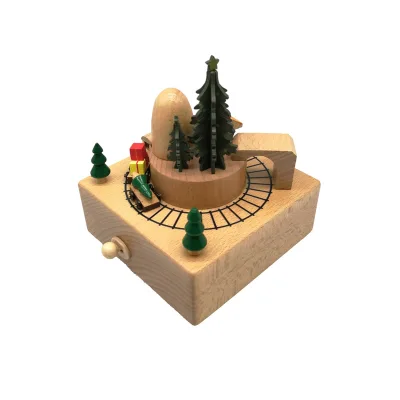
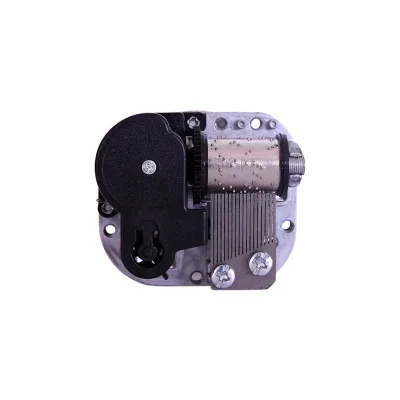
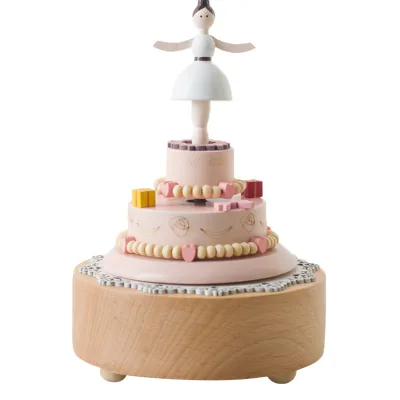
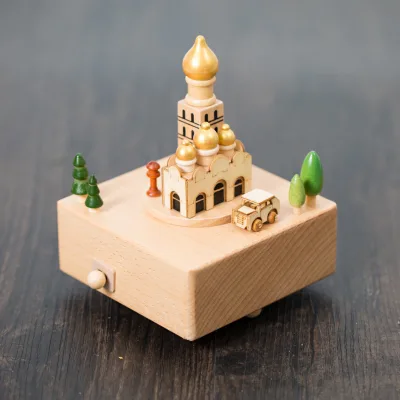
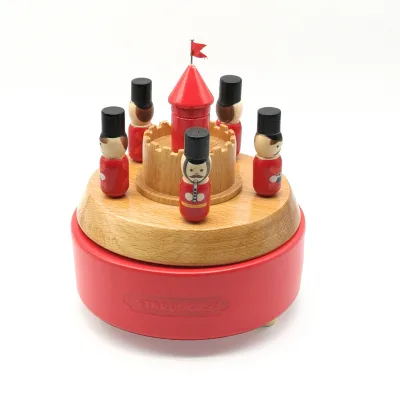
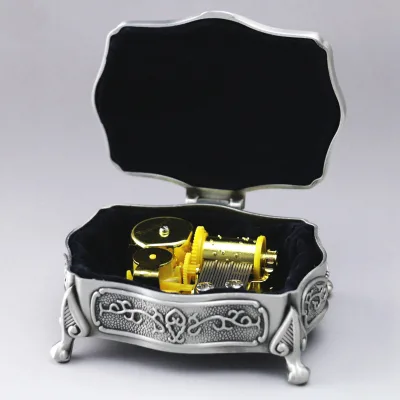
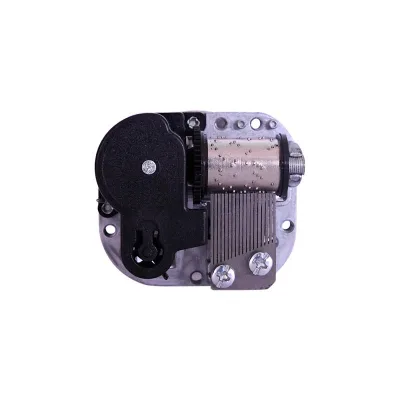
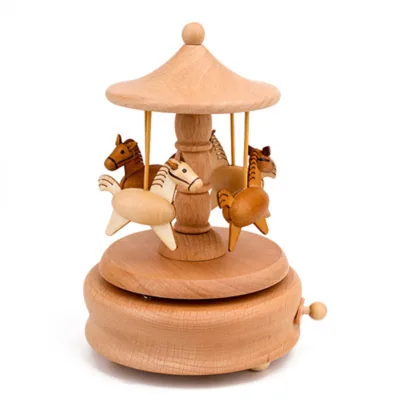
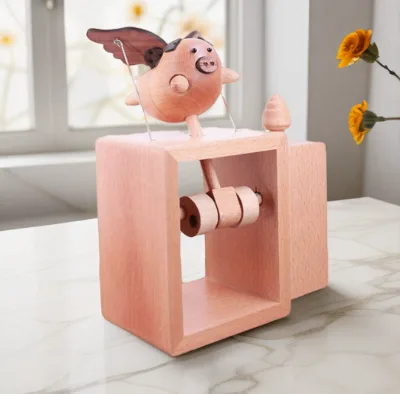
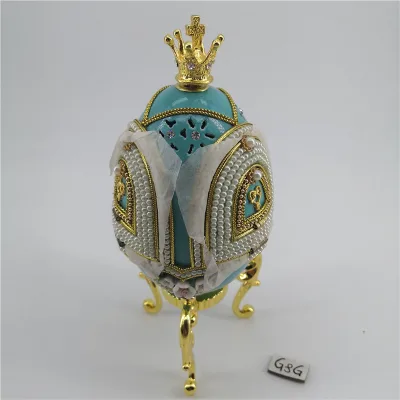
Wooden Music Box Girls Carousel Music Box Boutique Gift Sky City Music Box
$11.68 - $12.18
MOQ: 12 pieces
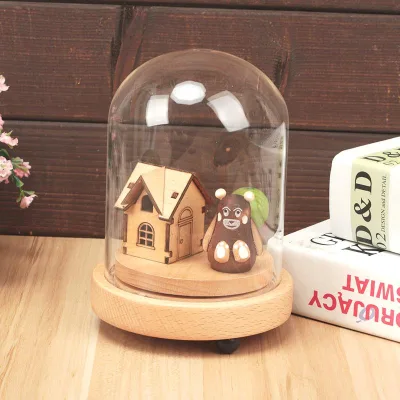
Creative Students Gift Cartoon Wind up Rotating Glass Dome Music Box with Lamp
$13.30 - $13.60
MOQ: 12 pieces
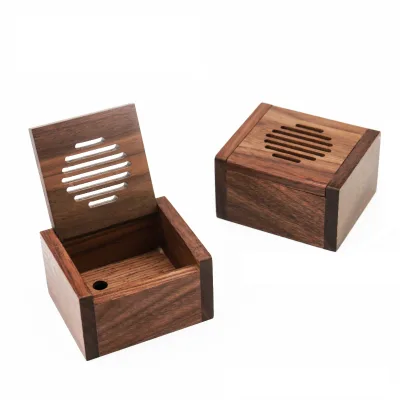
Factory Custom Hollow Out Music Box Walnut Wind up Music Box for DIY Music Box
$3.20 - $3.26
MOQ: 10 pieces




Comprehensive Sourcing Guide
Strategic Sourcing Guide for Wind-Up Square Music Boxes
Understanding Product Variants and Mechanical Specifications
The core keyword "Wind Up Square Music Box" encompasses a diverse range of mechanical devices designed to produce sound through manual winding or cranking mechanisms. When evaluating products in this category, buyers must first distinguish between the specific power sources and mechanical architectures observed in the market. The supplied data indicates a clear bifurcation in power mechanisms, with some units explicitly described as "Hand Cranked" while others are classified as "wind-up" or "Mechanical." This distinction is critical for procurement, as hand-cranked models often require a physical lever to be turned continuously or intermittently to generate sound, whereas wind-up mechanisms typically rely on a spring that, once wound, plays the melody for a set duration before stopping.
The physical dimensions of these units vary significantly, influencing their suitability for different applications. Observed specifications include a square format with dimensions such as 111115cm, which suggests a compact, portable design suitable for gift packaging. In contrast, other variants in the same category may feature smaller footprints, such as 54.4cm or 104*7cm, indicating a focus on decorative accessories or internal components rather than standalone units. The material composition is another primary differentiator. The market data reveals a split between "Wood" and "Metal" constructions. Wooden models, often associated with a "Brown" or "wood" color palette, align with traditional aesthetics and are frequently marketed as "Fashionable" or "Artificial" style items. Metal variants, sometimes described as "Silver," may offer different acoustic properties and durability profiles.
Buyers should note that the "Shape" attribute is listed as "Other" in some contexts, which implies that while the core keyword specifies a square form, the actual inventory may include variations that deviate from strict geometric squares. The single package size also varies, ranging from 6.5X5.72X11.7 cm to 15X15X22 cm, which directly impacts logistics planning and shipping costs. The weight of individual units further complicates the specification matrix, with observed gross weights ranging from 0.110 kg for smaller metal or accessory units to 0.650 kg for larger wooden models. Understanding these physical and mechanical variances is the first step in defining a precise product requirement that matches the intended use case.
Compliance, Certification, and Origin Verification
When sourcing mechanical toys and decorative items like music boxes, verifying the origin and compliance status is essential for risk management. The supplied facts indicate that products originate from specific regions in China, with "CHIAN" (likely a typographical variation of China) and "Shandong, China" listed as places of origin. Shandong is a known manufacturing hub for various consumer goods, but buyers must ensure that the specific supplier they engage with can provide verifiable documentation regarding their manufacturing location and adherence to international safety standards.
Regarding certifications, the provided data does not explicitly list specific safety certifications such as ASTM F963 (US) or EN71 (EU). However, the presence of attributes like "Eco-Friendly" and "Fashionable" suggests that some manufacturers may be targeting markets with stricter environmental and safety regulations. Buyers must not assume that a product labeled "Eco-Friendly" automatically meets all regulatory requirements for the destination market. Instead, the procurement strategy must include a mandatory request for third-party test reports. For mechanical toys, this typically involves verifying that small parts do not pose a choking hazard, that the materials used are non-toxic, and that the mechanical winding mechanism does not present pinch points or injury risks.
The "Material" attribute is a key area for compliance verification. Wooden components must be sourced from sustainable forests if the buyer intends to market the product as eco-friendly, potentially requiring FSC certification. Metal components must be free from lead and other heavy metals, particularly if the product is intended for children or as a holiday gift. The "Place of Origin" field must be accurate on all shipping documents and product labels to avoid customs delays or penalties. Buyers should verify that the supplier can provide a Certificate of Origin and that the manufacturing facility is registered and compliant with local labor and environmental laws. Without explicit certification data in the product listing, the burden of proof lies with the buyer to request and validate these documents before placing a bulk order.
Cost Drivers and Minimum Order Quantity Analysis
The economics of sourcing wind-up square music boxes are heavily influenced by the Minimum Order Quantity (MOQ) and the level of customization required. The observed data presents a wide range of MOQs, from as low as 1 piece to as high as 200 pieces, with specific instances noting 12 pieces per song or 100 pieces. This variance suggests that the market is segmented between suppliers catering to small-batch, custom orders and those focused on mass production. For buyers seeking custom songs or logos, the MOQ may be higher due to the setup costs associated with programming the music cylinder or stamping the logo.
The price range observed in the market spans from $1 to $120 USD. This broad spectrum reflects the differences in material quality, mechanical complexity, and branding. A basic metal music box with a standard melody may fall at the lower end of this range, while a hand-cranked wooden model with a customized song and premium packaging could command a price closer to the upper limit. The "Selling Units" attribute indicates that some products are sold as single items, which is typical for sample orders or low-volume retail, whereas bulk orders usually require purchasing in multiples of the MOQ.
Customization is a significant cost driver. The data highlights that "Music" and "Logo" are both customizable, with options for "Customized Logo Acceptable" and "OEM: Custom Song." Implementing a custom melody requires the manufacturer to modify the music cylinder or pin drum, which incurs additional tooling and programming costs. Similarly, adding a custom logo to the wooden or metal casing requires additional printing or engraving steps. Buyers must balance the desire for personalization against the budget constraints, as high levels of customization often result in higher unit costs and potentially longer lead times. The "Single gross weight" and "Single package size" also play a role in logistics costs; heavier and larger packages will increase shipping expenses, which can erode the profit margin if not factored into the total landed cost calculation.
Typical Applications and Market Positioning
Wind-up square music boxes serve a variety of applications, ranging from functional toys to decorative home accessories. The "Usage" attributes in the data explicitly mention "Holiday Gifts," "Home Decoration," and "Make Music Gift." This indicates that the primary market segments are gift-giving occasions and interior design. The "Style" attributes, such as "Artificial," "Popular," and "Simple," suggest that these products are designed to appeal to a broad consumer base looking for aesthetically pleasing items that fit into modern or traditional decor.
The "Feature" list includes "Rotating," "Eco-Friendly," and "Fast Delivery," which points to specific consumer preferences. Rotating music boxes, often found in the metal or toy variants, add a visual element that enhances the gift appeal. The "Eco-Friendly" feature is particularly relevant for buyers targeting environmentally conscious consumers, where the use of wood and sustainable manufacturing processes can be a key selling point. The "Sound duration" varies from 30 seconds to 120 seconds, allowing buyers to select products based on the desired experience. Shorter durations may be suitable for quick, playful interactions, while longer durations are better for ambient background music or more immersive gift experiences.
The "Type" attribute categorizes these items as "Music Box, hand crank music box, toy music box, wooden music box," highlighting their versatility. As toys, they must meet safety standards for children, while as home decorations, they must prioritize aesthetic quality and durability. The "Color" options, including "wood" and "Brown" for wooden models and "Silver" for metal ones, allow for coordination with various interior design themes. Buyers should consider the target demographic when selecting these attributes; for example, a "Simple" style with a "Brown" wood finish may appeal to a different segment than a "Fashionable" silver metal box with a "Rotating" feature.
Supplier Evaluation and Quality Control Protocols
Evaluating suppliers for wind-up square music boxes requires a rigorous approach to quality control, given the mechanical nature of the product. The "Brand name" attribute shows both "GG" and "OEM" options, indicating that buyers can choose between branded products or white-label manufacturing. When evaluating an OEM supplier, it is crucial to assess their engineering capabilities, particularly regarding the precision of the music cylinder and the durability of the winding mechanism. The "Play power" variations (Hand Cranked, wind-up, Mechanical) suggest that different suppliers specialize in different mechanical solutions, and buyers should request samples to test the smoothness of the winding action and the consistency of the sound output.
Quality control should focus on several key areas. First, the mechanical integrity of the winding mechanism must be tested for fatigue; the spring should not lose tension after repeated use. Second, the acoustic quality must be consistent, with no distortion or skipping in the melody. The "Sound duration" should match the specifications provided, and the "Single gross weight" should be consistent across units to ensure packaging accuracy. Third, the finish of the product, whether wood or metal, must be inspected for defects such as scratches, uneven coloring, or loose parts. The "Package" attribute, listed as "Paper Box," requires inspection to ensure that the packaging is sturdy enough to protect the delicate internal mechanisms during transit.
Buyers should also verify the supplier's ability to handle customization requests. The "Model number" variations, such as "RY-2412-15" and "YS," suggest that suppliers may have different production lines for different models. It is essential to confirm that the supplier can maintain quality standards across all models and that the customization process does not compromise the product's integrity. Requesting a pre-shipment inspection report is highly recommended to ensure that the final products meet the agreed-upon specifications before they leave the factory.
Long-Term Procurement and Supply Chain Considerations
For long-term procurement of wind-up square music boxes, buyers must consider the stability of the supply chain and the potential for product evolution. The "Place of origin" being China suggests a mature manufacturing ecosystem, but buyers should monitor geopolitical factors and trade policies that could impact shipping costs and lead times. The "Lead time" is not explicitly stated in the data, but the "Fast delivery" feature implies that some suppliers may offer expedited options. Buyers should negotiate clear lead time commitments in their contracts to avoid disruptions in their inventory flow.
Sustainability is another long-term consideration. With the "Eco-Friendly" feature appearing in the data, there is a growing trend toward environmentally responsible manufacturing. Buyers should inquire about the sourcing of wood and metal materials and whether the supplier uses sustainable practices. This can be a differentiator in the market and align with corporate social responsibility goals. Additionally, the "Customized" nature of the music and logo suggests that buyers should plan for ongoing updates to their product lines to keep them fresh and relevant.
Finally, buyers should establish a robust relationship with their suppliers to ensure consistent quality and pricing. The wide range of MOQs and prices indicates that there is flexibility in the market, but buyers must be prepared to scale their orders up or down based on demand. Regular communication and periodic audits of the supplier's facilities can help maintain high standards and mitigate risks. By focusing on these long-term factors, buyers can build a resilient supply chain that supports the continued success of their wind-up square music box product line.
FAQs
What power mechanisms are available for wind up square music boxes?
Products use hand-cranked, wind-up, or mechanical power sources. Hand-cranked models require continuous turning, while wind-up versions play for a set duration before stopping. Buyers should verify the specific mechanism type to match their intended usage.
Which materials are used to construct these music boxes?
Manufacturers use wood or metal for construction. Wooden models often feature a brown or wood color and are marketed as eco-friendly. Metal variants may appear in silver and offer different acoustic properties and durability profiles for various applications.
How does the minimum order quantity vary for these items?
Minimum order quantities range from one piece to two hundred pieces. Some suppliers require 12 pieces per song or 100 pieces for standard orders. Customization levels like logos or songs often influence the specific MOQ requirements for each batch.
Can buyers customize the music and logo on these boxes?
Yes, both music and logos are customizable options. Buyers can request custom songs and accept customized logos on the product. This customization typically involves additional setup costs and may affect the minimum order quantity and lead time for production.
What are the typical sound durations for these music boxes?
Sound durations vary from 30 seconds up to 120 seconds. Specific models may offer 60 seconds or 90 seconds of play time. The duration depends on the internal mechanism and the specific model number selected by the buyer.
Where are these products typically manufactured?
Products originate from China, specifically regions like Shandong. Some listings may show typographical variations like CHIAN for the place of origin. Buyers should verify the exact manufacturing location to ensure compliance with origin labeling requirements.
What packaging is used for shipping these music boxes?
Items are typically shipped in paper boxes. The single package size varies significantly, ranging from approximately 6.5 cm to 15 cm in dimensions. This variation impacts logistics planning and shipping costs for bulk orders.