Source Windbreak Shade Greenhouse Netting for Agriculture, Gardening, and Livestock
Explore 30 verified listings for Windbreak Shade Greenhouse Netting designed for agricultural, gardening, and livestock applications. Buyers can compare material types like PE and PP, shade rates from 50% to 98%, and customization options including width and length to find the right solution for their needs.
Key considerations
Products List

Greenhouse Shading Net Sun Protection Net Windbreak Shade Netting Shade Net
$0.10 - $0.34
MOQ: 2000 Square Meters

Windbreak Green Agro Greenhouse Shading Clothgreenhouse Sun Shade Net
$0.10 - $0.34
MOQ: 2000 Square Meters

Sun UV Protection Greenhouse Cooling Shade Fabric Cover Windbreak Shade Net
$0.10 - $0.34
MOQ: 2000 Square Meters

Cooling Shade Canopy for Outdoor Sun Protection Greenhouse Shade Net
$0.10 - $0.34
MOQ: 2000 Square Meters

Bird Shade Cloth for Sun Protection Barrier Greenhouse Shading Net
$0.10 - $0.34
MOQ: 2000 Square Meters


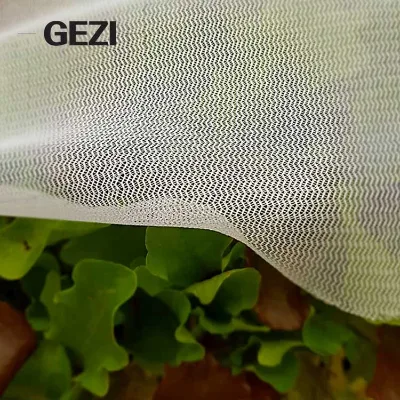


Green Shade Net for Greenhouse Sun Shading Net Agricultural Shade Net
$0.20 - $1.98
MOQ: 1000 Square Meters


Comprehensive Sourcing Guide
Strategic Sourcing Guide for Windbreak Shade Greenhouse Netting
Understanding Material Composition and Structural Variants
The foundation of effective procurement for Windbreak Shade Greenhouse Netting begins with a rigorous analysis of material composition. The market offers distinct polymer options, primarily Polyethylene (PE) and Polypropylene (PP), each serving specific environmental and structural needs. Buyers must recognize that PE is frequently cited as the primary material for high-durability applications, offering superior resistance to environmental degradation compared to other polymers. Conversely, PP variants are also available, often selected for specific cost-efficiency or weight requirements. The distinction is critical because the material dictates the net's lifespan, flexibility, and resistance to UV radiation.
Beyond the base polymer, the physical structure of the netting significantly influences its performance. The product specifications indicate that these nets are available in two primary yarn configurations: Flat Yarn and Monofilament. Flat yarn nets generally provide a denser shade coverage and are often preferred for agricultural windbreaks where maximum airflow reduction is desired. Monofilament nets, characterized by their single-filament construction, offer different tensile strengths and are often utilized where specific mesh geometries are required for light diffusion. The choice between these two forms should be driven by the specific microclimate requirements of the greenhouse or agricultural site.
Furthermore, the physical dimensions of the netting are highly customizable. Standard width offerings often range from 1 meter to 20 meters, with specific models available in widths of 1, 2, and 4 meters. Lengths are similarly flexible, with standard roll options including 50 meters, 100 meters, and 200 meters, though custom lengths are frequently requested to minimize waste during installation. This modularity allows procurement teams to tailor orders to the exact footprint of the greenhouse structure, reducing off-cut waste and optimizing logistics.
Technical Specifications and Performance Metrics
When evaluating Windbreak Shade Greenhouse Netting, buyers must scrutinize the technical parameters that define performance. The most critical metric is the shade rate, which determines the amount of sunlight blocked by the netting. The observed market data indicates a shade rate range of 50% to 98%. This wide spectrum allows for precise customization based on crop requirements; for instance, shade-loving crops may require the upper end of this range, while crops needing more light will necessitate lower percentages. The color of the netting, typically available in Green, Black, or other custom options, also plays a role in light transmission and heat absorption, though the specific impact depends on the material's reflectivity.
UV protection is another non-negotiable technical specification. The supply chain data highlights that these nets are available with or without UV treatment, and specific UV resistance levels are noted as 1%, 3%, or 5% in certain contexts, likely referring to the percentage of UV rays blocked or the degradation rate. For long-term greenhouse applications, nets with high UV resistance are essential to prevent premature brittleness and tearing. The warranty data suggests that high-quality products often carry a warranty of over 5 years, indicating a manufacturer's confidence in the material's longevity against solar exposure.
The physical construction also includes specific features like knot types and pin configurations. Knot types are specified as "Single," which affects the net's tensile strength and the likelihood of unraveling under wind stress. For installation, the nets are often paired with specific pin configurations, such as 3, 6, or 9 pins, which are used to secure the netting to the greenhouse frame. These pins must be compatible with the net's mesh size and the structural integrity of the frame to ensure the windbreak functions effectively during high-wind events.
Compliance, Certification, and Quality Standards
Navigating the compliance landscape is essential for B2B procurement, particularly when sourcing from international markets. The primary origin points for these products are identified as Shandong and Anhui in China, regions known for their manufacturing capabilities in agricultural plastics. Buyers should verify that suppliers adhere to recognized quality management systems. The data confirms the availability of ISO9001 certification, a standard that indicates the supplier has established processes for consistent quality control. Additionally, CE certification is mentioned, which is a mandatory conformity marking for products sold within the European Economic Area, ensuring the product meets health, safety, and environmental protection requirements.
It is crucial to distinguish between product standards and certifications. While ISO9001 and CE are certifications, the product standards themselves often relate to the material composition and manufacturing processes. For example, High Density Polyethylene (HDPE) is cited as a standard material specification for certain models, ensuring a baseline of density and strength. Buyers should request documentation proving that the specific batch of netting meets the stated material standards, as "HDPE" is a broad category that can vary in quality.
Furthermore, the packaging standards serve as an indirect indicator of quality control. Products are typically packed in cardboard boxes, woven bags, or strong polybags, with specific instructions like "One Roll One Strong Polybag" to prevent damage during transit. The presence of eco-friendly features and waterproof capabilities in the product attributes suggests that modern manufacturing processes are increasingly focused on sustainability and durability. Buyers should verify that the packaging aligns with the destination country's import regulations regarding plastic waste and material safety.
Cost Drivers and Procurement Economics
The economics of sourcing Windbreak Shade Greenhouse Netting are influenced by several dynamic factors, including material costs, order volume, and logistical requirements. The observed price range in the market is extensive, spanning from $0.10 to $3,300 USD. This vast disparity is not indicative of a single product but rather reflects the difference between small-scale samples, standard rolls, and large-scale custom orders. The Minimum Order Quantity (MOQ) is a significant cost driver, with observed ranges from 1 unit up to 10,000 units. Specific high-volume requirements may mandate an MOQ of 3 tons, which can significantly impact the total cost of ownership for smaller buyers.
Lead times are another critical component of the cost equation. The standard delivery time is noted as 35 days after the order is placed, though this can vary based on customization requests and production capacity. Suppliers with a stated supply capacity of 100 tons per month may offer more reliable scheduling for large orders, whereas smaller suppliers might face delays. Buyers must factor in these lead times into their project timelines to avoid costly construction delays.
Customization is a major value-add that influences pricing. While standard widths and lengths are available, requests for custom dimensions, specific shade rates, or unique color combinations often incur additional costs. The availability of customization is a key differentiator in the market, allowing buyers to optimize the netting for specific greenhouse geometries. However, this flexibility comes with the trade-off of potentially longer lead times and higher unit costs compared to off-the-shelf inventory.
Typical Applications and Functional Deployment
Windbreak Shade Greenhouse Netting serves a dual purpose in agricultural and horticultural settings, functioning as both a sunshade and a windbreak. The primary application is in agriculture, where the netting protects crops from excessive solar radiation and strong winds. The "Sunshade and Sunscreen" attributes highlight its role in creating a controlled microclimate, reducing heat stress on plants and preventing water evaporation. The "Privacy Shade Cloth" designation further suggests its utility in commercial nurseries or greenhouses where visual screening is required to maintain privacy or block external visual distractions.
The versatility of the netting extends to various greenhouse structures. Whether used for high tunnels, polytunnels, or permanent glass greenhouses, the netting must be adaptable to different frame types. The "Flat Yarn or Monofilament" options allow for deployment in scenarios requiring different levels of airflow and light diffusion. For instance, a high shade rate net (up to 98%) is ideal for summer cooling in hot climates, while a lower shade rate (50%) might be used in cooler regions to maximize light penetration.
Safety is also a consideration in deployment. The classification of some products as "Safety Net" indicates that the netting can be used to prevent debris or personnel from falling, adding a layer of safety to the greenhouse infrastructure. The "Eco Friendly" and "Waterproof" features make these nets suitable for sustainable farming practices, where water conservation and environmental impact are paramount. The ability to customize the netting to specific site requirements ensures that it can be deployed effectively in diverse geographical locations, from arid regions to humid tropical zones.
Supplier Evaluation and Quality Assurance Protocols
Selecting the right supplier requires a multi-faceted evaluation strategy that goes beyond price comparisons. Buyers should prioritize suppliers who demonstrate transparency in their production processes and provide clear documentation of their certifications. The presence of ISO9001 and CE certifications should be verified through valid certificates, not just claimed on a product page. Additionally, the supplier's location, whether in Shandong or Anhui, can influence logistics costs and lead times. Buyers should assess the supplier's ability to meet the specific delivery time of 35 days or negotiate shorter timelines for urgent projects.
Quality assurance protocols are essential to ensure the netting performs as expected. Buyers should request samples to test the material's tensile strength, UV resistance, and knot integrity before placing large orders. The "Single" knot type and specific pin configurations should be inspected to ensure they meet the structural requirements of the greenhouse. The warranty of over 5 years is a strong indicator of quality, but buyers must understand the terms and conditions of this warranty, including what constitutes a valid claim and the process for replacement.
Furthermore, the supplier's production capacity and flexibility are critical. A supplier with a capacity of 100 tons per month is better positioned to handle large orders without compromising quality. The ability to provide custom packaging, such as "One Roll One Strong Polybag," demonstrates attention to detail and a commitment to protecting the product during transit. Buyers should also evaluate the supplier's responsiveness to customization requests, as the ability to adjust widths, lengths, and shade rates is often a deciding factor in the procurement decision.
Long-Term Procurement and Lifecycle Management
Sourcing Windbreak Shade Greenhouse Netting is not a one-time transaction but a long-term investment in agricultural infrastructure. The durability of the netting, indicated by the 5-year warranty and UV resistance specifications, suggests that the product is designed for extended use. However, buyers must plan for periodic inspections and potential replacements. The "Eco Friendly" attribute implies that the material is designed to minimize environmental impact, but the end-of-life disposal of plastic netting should also be considered.
Lifecycle management involves monitoring the netting's condition over time. Factors such as wind stress, UV exposure, and mechanical wear can degrade the material, even with high-quality construction. Buyers should establish a maintenance schedule that includes checking for tears, loose knots, and pin integrity. The ability to source replacement rolls or custom-cut sections from the same supplier ensures consistency in the greenhouse environment.
Finally, the procurement strategy should account for future scalability. As agricultural operations expand, the ability to source additional netting with the same specifications is crucial. Buyers should maintain a relationship with suppliers who can provide consistent quality and pricing over time. The customization options available, such as specific widths and lengths, allow for future modifications to the greenhouse structure without the need for a complete system overhaul. By focusing on long-term value rather than just initial cost, buyers can ensure the continued productivity and protection of their agricultural assets.
FAQs
What materials are used for Windbreak Shade Greenhouse Netting?
These nets are primarily made from Polyethylene (PE) or Polypropylene (PP). The material choice determines durability and UV resistance, with PE often preferred for high-durability applications requiring superior environmental degradation resistance.
Which shade rates are available for agricultural sunshade nets?
The available shade rate ranges from 50% to 98% depending on the specific model. This wide spectrum allows buyers to select the exact light blockage needed for specific crops, ranging from shade-loving plants to those requiring more sunlight.
Can I customize the width and length of the shade net?
Yes, customization is available for both width and length to fit specific greenhouse footprints. Standard widths include 1, 2, and 4 meters, while lengths can be ordered as 50, 100, or 200 meters, or fully customized to your request.
What certifications do these greenhouse netting manufacturers hold?
Manufacturers often hold ISO9001 and CE certifications to ensure quality and safety standards. These certifications verify that the supplier follows consistent quality control processes and meets health and safety requirements for products sold in various international markets.
How long is the warranty period for high-quality shade nets?
High-quality products typically come with a warranty of over 5 years. This warranty indicates the manufacturer's confidence in the material's longevity and resistance to UV radiation, ensuring the netting remains functional for extended agricultural use.
What is the typical lead time for ordering these nets?
The standard delivery time is approximately 35 days after the order is placed. This timeline can vary based on the order volume, customization requirements, and the supplier's current production capacity, which may reach 100 tons per month.
Which knot types are used in the construction of these nets?
The nets are constructed using a single knot type to ensure structural integrity. This specific knot configuration helps prevent unraveling under wind stress and maintains the tensile strength required for effective windbreak and sunshade applications in greenhouses.