Source Windbreaker Jacket for Cycling, Hiking, and Camping
Compare 24 Windbreaker Jacket options from Chinese manufacturers featuring windproof, waterproof, and breathable designs. Buyers can evaluate models suitable for cycling, hiking, and camping with customization services and various material compositions.
Key considerations
Products List


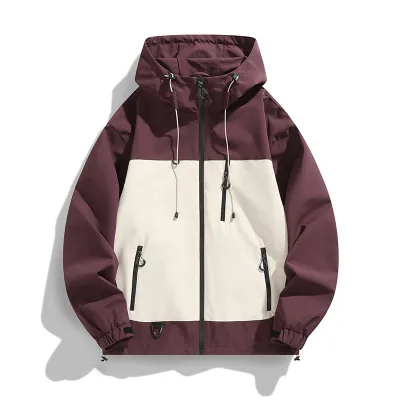
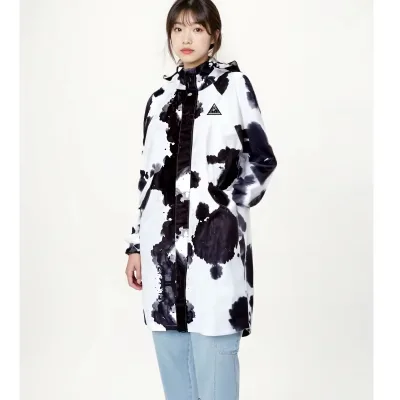
Comprehensive Sourcing Guide
Strategic Sourcing Guide for Windbreaker Jackets in the B2B Market
The global demand for windbreaker jackets continues to expand as outdoor recreation, professional cycling, and industrial workwear sectors seek versatile protective apparel. For B2B procurement professionals, sourcing these garments requires a disciplined approach that balances technical performance with supply chain reliability. The market offers a diverse array of options, ranging from casual leisure wear to specialized gear for high-intensity activities. This guide synthesizes observed market data and technical specifications to provide a framework for evaluating Windbreaker Jacket suppliers, ensuring that procurement decisions are grounded in verifiable facts rather than marketing assertions.
Technical Specifications and Material Composition
Understanding the technical architecture of a windbreaker is the first step in effective sourcing. The core functionality of these garments relies heavily on the material composition and the specific treatment of the fabric. In the current market, Polyester stands out as the predominant material, often cited in specifications as "100% polyester" or blended with Spandex to enhance elasticity. This material choice is critical because it offers a favorable balance between durability, water resistance, and cost-effectiveness.
Beyond the base fabric, the feature set defines the utility of the jacket. High-confidence observations indicate that a robust windbreaker should possess a combination of Windproof, Waterproof, and Breathable properties. However, the market also presents variations where specific features like Anti-Static or Dust-Proof capabilities are added to meet niche requirements. For instance, certain models are explicitly designed with Anti-Static features, which is a vital specification for environments involving electronic components or explosive atmospheres. The presence of a "Hoody" style is common, providing additional protection against wind and light precipitation, while other models may focus on a "Leisure Jacket" aesthetic suitable for casual wear.
Weight is another significant specification that buyers must verify. While some standards reference a specific weight of 120 grams, indicating a lightweight design suitable for layering or active use, other products may be classified as "medium" weight. Buyers should not assume a uniform weight across all listings; instead, they must request specific weight data for each model to ensure it aligns with the intended application, whether it be for cycling, hiking, or industrial work.
Compliance, Certification, and Standard Verification
In the B2B sector, compliance is not merely a formality but a prerequisite for market entry and risk mitigation. When sourcing windbreaker jackets, buyers must scrutinize the product standards listed by suppliers. The provided data indicates that some products adhere to specific standards such as "100% polyester" composition or generic "customized" standards. However, the absence of a specific certification name in a listing does not imply non-compliance; rather, it suggests that the buyer must verify the actual testing protocols used.
Buyers should actively seek documentation regarding the testing of windproof and waterproof claims. While the market data confirms that these features are available, the specific test results (such as hydrostatic head ratings for waterproofing or air permeability ratings for breathability) are not universally provided in the initial product descriptions. It is essential to request third-party test reports that validate these performance claims. Furthermore, the origin of the product, often listed as China, requires verification of the manufacturing facility's adherence to international labor and environmental standards.
Regarding size and fit, specifications vary significantly. Some models are offered in standard sizing like "XL," while others are marketed as "Free Size." This variation necessitates a clear understanding of the target demographic. For adult male users, specific sizing charts are crucial, whereas unisex models require a more generalized fit analysis. The "Small Orders: Accepted" attribute suggests flexibility in MOQs, but this should not come at the expense of quality control. Buyers must ensure that even small batch orders undergo the same rigorous standard verification as larger production runs.
Cost Drivers and Pricing Dynamics
The pricing of windbreaker jackets in the B2B market is influenced by a complex interplay of factors, including material costs, customization levels, and order volume. The observed price range in the market spans from 2 to 24.5 USD, a wide spectrum that reflects the diversity in product quality and feature sets. A jacket priced at the lower end of this range may utilize basic polyester with minimal feature integration, while a higher-priced unit likely incorporates advanced treatments for breathability, anti-static properties, and superior waterproofing.
The Minimum Order Quantity (MOQ) is a critical cost driver. The market data shows an MOQ range of 10 to 1000 units. Suppliers offering lower MOQs, such as 10 units, often charge a premium per unit to cover setup costs, whereas larger orders benefit from economies of scale. Additionally, the availability of ODM (Original Design Manufacturer) services allows for customization, which can significantly impact the final cost. Customization options, such as specific color requests (e.g., Black, Gray, Blue) or pattern designs, add value but also increase the unit price.
Buyers must also consider the logistics costs associated with "Sea Transportation" and specific packing requirements. Some suppliers offer packing in "1PCS/PP Bag, 30PCS/Carton," while others use "PE Bag Paper Carton" or "OPP Bag." These packaging choices affect the shipping volume and potential damage rates, which in turn influence the total landed cost. The payment terms, ranging from Western Union and PayPal to L/C and T/T, also play a role in the financial planning of the procurement process, with letters of credit often being preferred for larger, high-value transactions to mitigate risk.
Typical Applications and Usage Scenarios
The versatility of windbreaker jackets is evident in their diverse application scenarios. The market data highlights specific usage categories including Cycling, Hiking, Camping, Climbing, and Fishing. These activities demand different performance characteristics. For example, a jacket intended for cycling must prioritize breathability to manage sweat during high exertion, while a jacket for fishing might require enhanced waterproofing and durability against abrasive surfaces.
The seasonal applicability is another key consideration. While many models are designed for Spring and Autumn use, providing protection against wind and light rain, others are explicitly categorized for Winter. The distinction is often found in the material thickness and the inclusion of thermal linings, though the provided data primarily focuses on the outer shell properties. For industrial applications, the "Working Clothes" classification suggests a need for durability and safety features, such as the Anti-Static property mentioned in several listings.
The "Leisure Jacket" style indicates a market segment focused on casual wear, where aesthetics and comfort are as important as technical performance. In this segment, the "Hoody" style and specific colors like Black or Gray are popular choices. Buyers targeting this demographic should look for suppliers who can offer a blend of style and function, ensuring the garment meets the "Casual Clothes" classification while maintaining the core wind and water protection features.
Supplier Evaluation and Operational Capabilities
Evaluating a supplier for Windbreaker Jacket production requires a deep dive into their operational capabilities and service offerings. The presence of "ODM Service" indicates that the supplier has the capacity for design and development, allowing buyers to create unique products rather than simply selecting from a catalog. This is particularly valuable for brands looking to differentiate themselves in a crowded market.
Lead times are a critical factor in supplier selection. The data indicates a delivery time of "30-60 Working Days After The PP Sample Confirmed." This timeline is standard for many manufacturing hubs but requires careful planning on the part of the buyer. The "Time: Within 2 Working Days" attribute likely refers to the sample confirmation or initial response time, which is a positive indicator of responsiveness. However, the long production lead time necessitates early ordering to avoid stockouts.
Payment flexibility is another aspect of supplier evaluation. The acceptance of multiple payment methods, including Western Union, PayPal, L/C, and T/T, demonstrates a supplier's adaptability to different buyer preferences and risk profiles. For new buyers, starting with smaller orders or using secure payment methods like L/C can help build trust before committing to larger volumes. The "Small Orders: Accepted" policy is particularly beneficial for startups or companies testing new product lines, allowing them to enter the market with lower financial risk.
Quality Control and Long-Term Procurement Strategy
Ensuring consistent quality is paramount in B2B procurement. The observed specifications, such as "Weight 120 g" or "100% polyester," serve as baseline standards that must be maintained across all production batches. However, relying solely on these listed attributes is insufficient. Buyers should implement a robust quality control protocol that includes pre-production sample approval, in-line inspections, and final random inspections before shipment.
The packing standards, such as "PE Bag" or "OPP Bag," also play a role in quality assurance. Proper packaging protects the garment during transit and ensures that the product arrives in sellable condition. Buyers should verify that the packaging materials meet their specific requirements for branding and protection.
For long-term procurement, building a strategic relationship with a supplier is essential. The ability to customize products through ODM services and the flexibility in MOQs suggest that suppliers are willing to grow with their clients. However, buyers must remain vigilant about the consistency of features like "Windproof," "Waterproof," and "Breathable" across different production runs. Regular audits and performance testing of received goods will help maintain the integrity of the brand and ensure customer satisfaction. By focusing on these strategic elements, buyers can secure a reliable supply of high-quality windbreaker jackets that meet the demands of their specific market segments.
FAQs
Can I customize windbreaker jackets with ODM services?
Yes, ODM services are available for customizing windbreaker jackets. Suppliers offer flexibility in design and specifications, allowing buyers to tailor products like color, pattern, and features such as windproof or anti-static properties to meet specific brand requirements.
What materials are commonly used for windbreaker jackets?
Polyester is the predominant material used for windbreaker jackets, often cited as 100% polyester or blended with spandex. This composition provides a balance of durability, water resistance, and cost-effectiveness suitable for various applications from casual wear to industrial work.
Which features should a high-performance windbreaker have?
A high-performance windbreaker should include windproof, waterproof, and breathable properties. Additional features like anti-static and dust-proof capabilities are also available to meet niche requirements for environments involving electronic components or specific industrial safety needs.
How does the MOQ vary for Windbreaker Jacket orders?
The minimum order quantity ranges from 10 to 1000 units depending on the supplier. Lower MOQs like 10 units are accepted for small orders but may carry a higher per-unit cost, while larger orders benefit from economies of scale and potentially lower pricing.
What is the typical lead time for Windbreaker Jacket production?
The delivery time is typically 30 to 60 working days after the PP sample is confirmed. Buyers must plan their inventory accordingly, as this timeline is standard for manufacturing hubs and requires early ordering to avoid potential stockouts.
Can I order small quantities of windbreaker jackets?
Yes, small orders are accepted by many suppliers offering windbreaker jackets. This policy allows startups or companies testing new product lines to enter the market with lower financial risk while still accessing customization options and quality control measures.
Which payment methods are accepted for Windbreaker Jacket purchases?
Suppliers accept various payment methods including Western Union, PayPal, L/C, and T/T. The availability of these options provides flexibility for buyers to choose terms that best fit their risk profile and financial planning needs for the procurement process.