Source Windproof Breathable Workout Jacket for Hiking, Gym, and Daily Wear
Explore 30 listings for the Windproof Breathable Workout Jacket, featuring polyester shells and customizable designs. Buyers can compare specs like thickness, packing, and sample times from verified suppliers offering OEM services.
Key considerations
Products List


Ultimate Outdoor Training Jacket: Windproof, Waterproof, and Breathable
$62.30 - $69.70
MOQ: 1000 piece


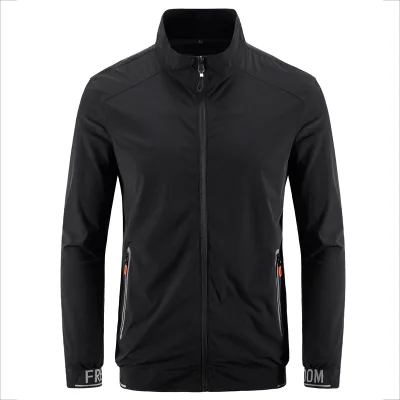


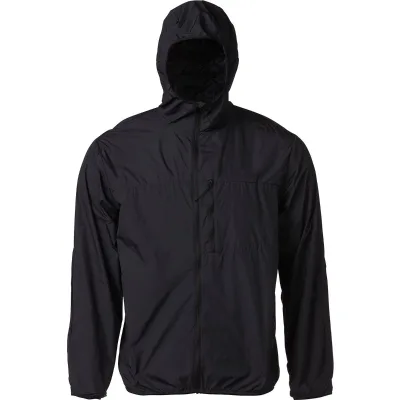
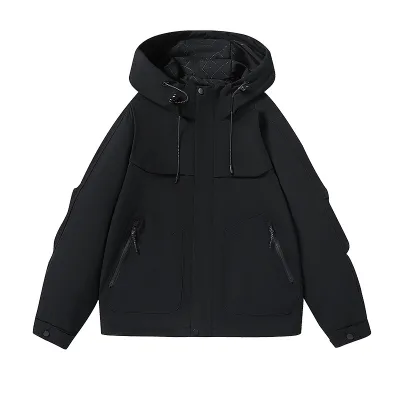
Jacket Waterproof Windproof Autumn Outdoor Travel Sports Unisex Loose Fitting
$26.40 - $38.40
MOQ: 100 pieces


Fitness Jacket with Pockets Breathable Elastic Running Cycling Sports Yoga
$12.04 - $13.38
MOQ: 100 Pieces


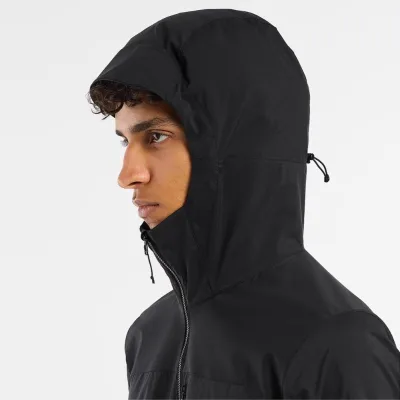

Lightweight Waterproof Running Jacket Windbreaker Workout Gym Sport Jackets
$6.99 - $10.99
MOQ: 300 Pieces


Comprehensive Sourcing Guide
Strategic Sourcing Guide for Windproof Breathable Workout Jackets
Understanding Product Specifications and Material Composition
When sourcing a Windproof Breathable Workout Jacket, the primary objective is to identify a garment that balances protection against the elements with the ability to manage moisture and heat during physical exertion. Based on the available market data, the core construction of these jackets typically relies on a polyester shell, often blended with cotton or other synthetic fibers to achieve specific performance characteristics. The observed material composition varies significantly across listings, ranging from a standard 50% cotton and 50% polyester blend to high-performance synthetic mixes containing 80% polyester and 20% spandex, or complex blends of 51.2% polyester, 42.1% nylon, and 6.7% spandex. This variation indicates that buyers must carefully verify the specific material standard for each supplier, as the inclusion of spandex or nylon directly impacts the jacket's elasticity, durability, and breathability.
The "windproof" and "breathable" attributes are not merely marketing terms but functional requirements that dictate the fabric's weave and coating. The supplied facts confirm that these jackets are designed with features specifically labeled as windproof, waterproof, dust-proof, and breathable. Some listings also note anti-static properties, which are crucial for comfort in dry environments or during high-friction activities. The thickness of the shell is generally described as "standard" or "normal," suggesting a balance between insulation and mobility suitable for spring, autumn, and winter conditions. Buyers should note that while some products are categorized strictly as winter wear, others are listed for spring and autumn use, implying that the thermal insulation level may vary based on the specific model number, such as D42186 or M7. The "padded" style and "quilted" pattern observed in the data suggest that some units include internal insulation layers, which would further influence the breathability and weight of the final product.
Compliance Verification and Certification Standards
In the B2B procurement of technical outerwear, verifying compliance with safety and quality standards is as critical as evaluating the physical product. The supplied context highlights a specific standard of "50% cotton 50% polyester" for certain models, while others adhere to different ratios involving nylon and spandex. However, the absence of explicit third-party certification data in the provided facts necessitates a rigorous verification process by the buyer. When sourcing from manufacturers in China (Mainland) or specific hubs like Guangzhou, it is essential to request documentation that confirms the fabric meets international safety standards for flammability, chemical restrictions (such as REACH or CPSIA), and colorfastness.
Buyers should not assume that a "100% QC Inspection" claim guarantees compliance with specific regulatory frameworks without seeing the test reports. The "100% QC Inspection" mentioned in the product data refers to an internal quality control process, likely covering visual defects, stitching integrity, and basic functionality. It does not inherently validate compliance with external legal standards. Therefore, procurement teams must explicitly ask suppliers for test reports from accredited laboratories regarding the "windproof" and "waterproof" claims. These tests typically involve water column ratings for waterproofing and air permeability tests for breathability. Without these specific numerical test results, the performance claims remain observational. Additionally, for products intended for children or specific industries, chemical safety standards may differ, making it imperative to verify the "prod_standard" details against the target market's regulations before placing a bulk order.
Cost Drivers and Pricing Structure Analysis
The pricing landscape for windproof breathable workout jackets is influenced by a complex interplay of material costs, customization requirements, and order volume. The observed listed price range in the market data spans from $5 to $69.7 USD. This wide variance suggests that the base cost is heavily dependent on the specific material blend and the level of customization applied. A jacket with a simple 50/50 cotton-polyester blend and minimal branding will likely fall at the lower end of this spectrum, while a high-performance jacket featuring a nylon-spandex blend, advanced waterproof coatings, and custom quilted designs will command a premium price.
Beyond the unit price, the Minimum Order Quantity (MOQ) acts as a significant cost driver. The observed MOQ range extends from 1 to 1000 units. Suppliers offering an MOQ of 1 are typically catering to sampling or very small batch needs, which often results in a higher per-unit cost due to the lack of economies of scale. Conversely, orders approaching the 1000-unit threshold may unlock lower pricing tiers but require a substantial upfront capital commitment. Buyers must also consider the costs associated with "OEM Service" and "Customized Designs." The ability to apply custom logos via heat transfer printing, add custom labels, and modify the pattern (such as the "quilted" or "leisure" styles) adds value but also increases the production complexity and cost. Furthermore, the "Sample Time" of 7-10 working days represents a lead time cost; while relatively short, it must be factored into the overall supply chain timeline. Buyers should calculate the total landed cost, including shipping from Guangzhou or other Chinese origins, duties, and the potential cost of re-ordering samples if the initial customization does not meet specifications.
Typical Applications and Usage Scenarios
The versatility of windproof breathable workout jackets makes them suitable for a diverse range of applications, from high-intensity athletic training to casual daily wear. The product data explicitly categorizes these items for "Daily Lift Casual Sports Wearing" and "Gym Sports Casual Wear." This dual-purpose nature is a key selling point for retailers targeting consumers who require a single garment that transitions seamlessly from the gym to everyday activities. The "Hoody" style and "Straight" trouser leg designs (in related product lines) suggest a focus on comfort and unrestricted movement, which is essential for fitness activities.
The "Windproof Jacket" classification and the "Winter" and "Spring/Autumn" season tags indicate that these garments are designed to provide thermal regulation in variable weather conditions. The "padded" and "quilted" features provide insulation, making them ideal for cooler mornings or evenings during outdoor workouts. The "Anti-Static" feature is particularly relevant for indoor gym environments or dry climates where static electricity can be a nuisance. Furthermore, the "Casual Clothes" and "Leisure Jacket" classifications suggest that these items are also marketed as fashion-forward outerwear. The availability of "Customized Men Jacket" options and "Unisex" designs allows buyers to target specific demographics, whether it be men's fitness enthusiasts or general outdoor enthusiasts. The "One Piece Into PE Bags, Then Into Cartons" packing method ensures that the jackets remain clean and protected during transit, maintaining their aesthetic appeal for retail display.
Supplier Evaluation and Operational Capabilities
Selecting the right supplier requires a deep dive into their operational capabilities, specifically regarding their customization services and production flexibility. The data confirms that "OEM Service" is available, meaning suppliers are equipped to manufacture products based on the buyer's designs or specifications. The "Customized Designs" and "Customized Printing Methods" indicate that these suppliers can handle branding requests, such as heat transfer printing for logos and custom labeling. However, the variation in "prod_model" numbers (e.g., 692, M7, D42186, D259M001) suggests that suppliers may have a wide catalog of base templates. Buyers should evaluate whether the supplier can modify these existing models to meet specific technical requirements or if they are limited to selecting from pre-defined options.
The "Sample Time" of 7-10 days is a critical metric for supplier evaluation. A shorter sample turnaround allows for faster iteration and quicker time-to-market. Buyers should verify if this timeline is consistent across different customization levels. Additionally, the "Payment" terms listed as "T/T" (Telegraphic Transfer) are standard in the industry, but buyers should negotiate terms that protect their interests, such as partial payments upon sample approval and before bulk shipment. The "Quality: 100% QC Inspection" claim should be validated by asking for the specific inspection checklist used by the supplier. Do they check for seam strength, zipper functionality, and color consistency? The "prod_origin" being China (Mainland) or Guangzhou is a common hub for textile manufacturing, but buyers should assess the specific factory's capacity to handle their volume and their track record for meeting deadlines.
Quality Control Protocols and Long-Term Procurement Strategy
Ensuring consistent quality in windproof breathable jackets requires a robust quality control (QC) strategy that extends beyond the supplier's internal "100% QC Inspection." Buyers should implement a multi-stage QC process that includes pre-production sample approval, in-line production checks, and final random inspection before shipment. Given the variability in material standards observed (from 50/50 blends to complex synthetic mixes), it is vital to ensure that the raw materials used in bulk production match the approved sample exactly. Any deviation in the polyester, nylon, or spandex ratio can alter the jacket's breathability and windproofing capabilities.
For long-term procurement, building a strategic partnership with a supplier who offers reliable "Custom Label" services and consistent "OEM Service" is essential. The ability to maintain a consistent "Style" and "Pattern" across multiple production runs is crucial for brand identity. Buyers should also consider the "prod_packing" standards to ensure that the packaging protects the product's integrity, especially for "Quilted Jacket" styles that may be prone to compression damage. Long-term success also depends on the supplier's ability to scale production. If an order exceeds the initial MOQ, can the supplier maintain the same quality and lead times? Finally, buyers should establish clear communication channels for addressing any quality issues that arise post-delivery, ensuring that the "Windproof" and "Breathable" claims remain valid throughout the product's lifecycle.
Comparative Analysis of Product Attributes
To facilitate informed decision-making, the following table summarizes the key attributes observed in the market data, highlighting the variations that buyers must navigate during the sourcing process.
| Attribute Category | Observed Variations | Sourcing Implication |
|---|---|---|
| Material Composition | 50% Cotton/50% Polyester; 80% Polyester/20% Spandex; 51.2% Poly/42.1% Nylon/6.7% Spandex | Verify exact blend ratios to ensure desired stretch, durability, and breathability. |
| Seasonal Suitability | Winter; Spring/Autumn | Match the jacket's insulation level (padded/quilted) to the target climate. |
| Customization | OEM Service, Customized Designs, Heat Transfer Printing, Custom Label | Confirm if the supplier can handle specific logo placement and fabric modifications. |
| Performance Features | Windproof, Waterproof, Dust-Proof, Breathable, Anti-Static | Request test reports to validate these claims, as they vary by model. |
| MOQ Range | 1 to 1000 units | Align order volume with budget and inventory requirements; lower MOQs often cost more per unit. |
| Sample Lead Time | 7-10 Working Days | Factor this into the overall production timeline for time-sensitive launches. |
| Origin | China (Mainland), Guangzhou | Consider logistics costs and potential tariffs associated with these regions. |
By meticulously analyzing these attributes and adhering to the verification protocols outlined above, buyers can effectively source high-quality windproof breathable workout jackets that meet both functional requirements and commercial goals. The key lies in balancing the observed market diversity with rigorous due diligence to ensure that the final product delivers on its promises of protection and comfort.
FAQs
Can I get custom designs and logos on these jackets?
Yes, customization is available for designs and logos. Suppliers offer OEM services with customized printing methods like heat transfer printing. You can request specific patterns such as quilted or leisure styles, and colors can match pictures or be customized upon request.
What is the typical sample time for these jackets?
The typical sample time is 7 to 10 working days. This duration applies to creating a prototype with your specific customization requirements. Buyers should account for this lead time when planning their production schedule before placing a bulk order.
Which materials are used for the shell and lining?
The shell material is typically polyester, sometimes blended with cotton. Specific standards vary, including 50% cotton and 50% polyester or blends with nylon and spandex. Buyers must verify the exact material composition for each model to ensure the desired performance.
What is the minimum order quantity for these products?
The minimum order quantity ranges from 1 to 1000 units depending on the supplier. Lower MOQs allow for sampling or small batches, while higher volumes may unlock better pricing. Buyers should confirm the specific MOQ before finalizing their order quantity.
How are these jackets packed for shipping?
Jackets are packed one piece into PE bags and then placed into cartons. Some listings also mention package bags or cartons as standard packaging. This method ensures the products remain clean and protected during transit from the factory to the destination.
What features do these jackets offer for weather protection?
These jackets feature windproof, waterproof, dust-proof, and breathable properties. Some models also include anti-static capabilities for comfort. The padded and quilted designs provide insulation suitable for winter, spring, or autumn conditions depending on the specific model.
Where are these jackets manufactured?
These jackets are manufactured in China, with specific origins including Guangzhou. Buyers should verify the exact factory location as it may impact shipping costs and lead times. The production hub supports various customization services for international buyers.