Source Windproof Flat Knit Hat for Outdoor, Casual, and Winter Use
Compare 30 Windproof Flat Knit Hat options from verified Chinese suppliers. These unisex adult hats feature knit materials, embroidery, and winter protection for outdoor and casual scenes. Buyers can review specifications including head circumference, material composition like acrylic or wool, and customization availability to find the perfect fit for various seasonal needs.
Key considerations
Products List




Comprehensive Sourcing Guide
Windproof Flat Knit Hat Sourcing Guide
Procuring windproof flat knit hats requires distinguishing between generic winter headwear and specialized protective gear designed for outdoor exposure. The observed market data indicates a strong presence of unisex adult products originating from Jiangsu and Zhejiang provinces in China, with materials ranging from 100% acrylic to 100% wool. Buyers must verify that the specific "flat knit" construction aligns with the "windproof" claim, as standard knitting techniques often require specific tension or double-layering to achieve true wind resistance.
Commercial listings show significant variation in customization options, with some suppliers offering embroidered logos and others providing printed patterns. The observed price range of 0.15 to 15 USD suggests a wide disparity in quality and material composition, necessitating careful sample evaluation before bulk ordering. Sourcing teams should prioritize suppliers who explicitly define their knitting technics, such as hand-knitted or machine-knitted processes, to ensure the final product meets the intended durability and thermal performance standards for winter applications.
Product Scope and Observed Listing Signals
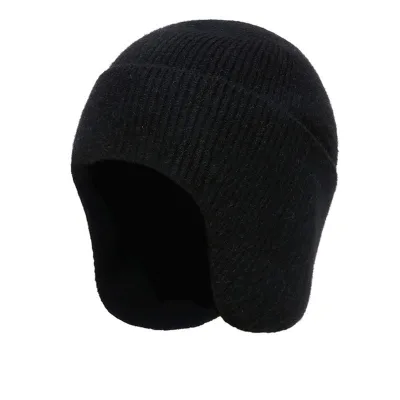
The current market inventory for windproof flat knit hats includes diverse design elements such as animal patterns, letter themes, and number motifs, often featuring embroidery or flat embroidery processes. Buyers will encounter products with specific attributes like "without brim" or "with crown" configurations, alongside specialized features such as ear warmers and moisture-wicking capabilities. It is critical to confirm whether the "windproof" designation applies to the entire garment or specific reinforced zones, as some listings describe general winter wear rather than specialized wind-blocking apparel.
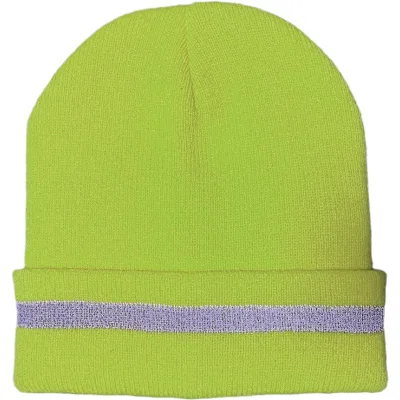
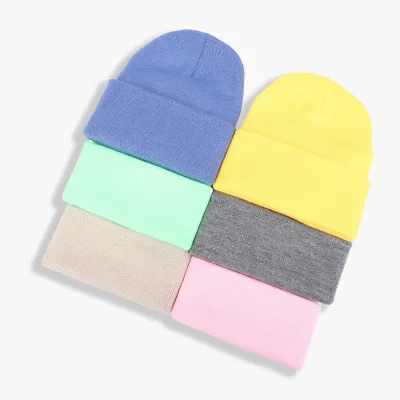
Listing signals also reveal variations in color palettes, ranging from standard black and gray to vibrant options like fluorescent yellow and watermelon red. The observed size specifications, including head circumferences of 54-56cm and 56-58cm, indicate that sizing is not uniform across all suppliers. Procurement teams must verify if the "adult size" designation covers the full 54-62cm range or if specific models are restricted to narrower bands, ensuring the selected inventory matches the demographic requirements of the target customer base.
Technical Specifications to Verify
Technical verification must begin with the material composition, as the observed data lists both 100% acrylic and 100% wool as primary inputs for these products. Acrylic offers lightweight and foldable properties, while wool provides superior warmth and breathability, yet neither material inherently guarantees windproof performance without specific knitting density or treatment. Buyers should request detailed specifications on the knitting gauge and fabric weight to confirm that the "flat knit" structure is dense enough to block wind penetration effectively.
Further scrutiny is required for the head circumference and fit specifications, which vary between 54-56cm and 56-58cm in the observed listings. The presence of adjustable features or specific crown types, such as "with crown" or "without crown," significantly impacts the fit and wind seal around the ears. Procurement teams must validate that the "hand knitted" or "hand embroidered" claims correspond to consistent quality control, as manual processes can introduce variability in stitch tightness that directly affects the windproof integrity of the final hat.
Compliance and Safety Documentation
While the supplied data does not explicitly list specific certification numbers, buyers must ensure that all textile products comply with general safety standards for apparel, particularly regarding flammability and chemical restrictions. The observed origin locations in China require verification that the manufacturing facilities adhere to international safety protocols, as the "knit" standard mentioned in the data is a material classification rather than a safety certification. Sourcing teams should request test reports confirming that the dyes and fibers used meet the safety requirements of the destination market.
Documentation should also address the specific claims made in the product listings, such as "wrinkle-free," "antimicrobial," or "moisture-wicking" features. These performance claims require substantiation through third-party testing to avoid regulatory issues related to false advertising. Buyers must verify that the "original packaging" or "carton" packing methods do not compromise the product's condition during transit and that any "customized" logos or patterns do not violate intellectual property rights in the target region.
Cost Drivers and Commercial Terms
The observed price range of 0.15 to 15 USD highlights that material costs and production complexity are the primary drivers of pricing in this category. High-end wool blends with hand-embroidered details and specialized windproof treatments will command prices at the upper end of the spectrum, while basic acrylic models with simple printed patterns will remain at the lower end. Procurement teams must analyze the cost breakdown to understand if the price difference reflects genuine material upgrades or merely aesthetic variations in pattern and color.
Commercial terms are heavily influenced by the Minimum Order Quantity (MOQ), which ranges from 1 to 1000 units in the observed data. Suppliers offering low MOQs may charge higher unit prices to cover setup costs for customization, whereas bulk orders often benefit from economies of scale in knitting and packaging. Buyers should negotiate clear terms regarding lead times and shipping, as the "single item" selling units suggest that some suppliers may not be optimized for large-scale distribution without prior arrangement.
Supplier Qualification and Quality Control
Supplier qualification should focus on verifying the consistency of their "hand knitted" and "hand embroidered" processes, as these manual techniques can lead to significant quality variance. Buyers must assess the supplier's ability to maintain uniform stitch density and pattern alignment across large batches, especially when producing items with specific features like "flower & bowknot" accessories or "checked" styles. A robust quality control plan should include random sampling to check for loose threads, uneven dyeing, and structural integrity of the knit.
Quality control protocols must also address the specific "windproof" and "breathable" claims, ensuring that the fabric does not compromise comfort while blocking wind. Suppliers should demonstrate their ability to produce consistent head circumference measurements, as deviations in the 54-62cm range can lead to customer returns. Implementing a pre-shipment inspection that tests for fabric weight, color fastness, and the durability of the "customized" logo is essential to maintain brand reputation and product reliability.
Long-Term Procurement Checks
Long-term procurement success depends on establishing a consistent supply chain that can adapt to seasonal demand fluctuations, particularly for winter and autumn collections. Buyers should monitor the supplier's capacity to maintain material availability, especially for 100% wool or specialized acrylic blends, to prevent production delays during peak seasons. Regular audits of the manufacturing process in Jiangsu and Zhejiang provinces will help ensure that the "flat knit" technology remains consistent and that the "windproof" features are not compromised by cost-cutting measures.
Continuous evaluation of product performance in the field is necessary to validate the "outdoor" and "casual" application claims made in the listings. Buyers should gather feedback on the durability of the "embroidered" patterns and the effectiveness of the "ear warmer" features after extended use. Establishing a feedback loop with the supplier allows for iterative improvements in design and material selection, ensuring that the product line evolves to meet changing consumer expectations and market trends over time.
FAQs
What materials are used for these windproof flat knit hats?
These hats are primarily made from 100% acrylic or 100% wool materials. The knitted construction ensures durability while providing necessary warmth for winter and autumn seasons. Some specific models feature hand-knitted techniques for enhanced texture and comfort during outdoor activities.
Can buyers request custom logos on these winter hats?
Yes, customization is available for these products including customized logos. Buyers can select from various colors like black, gray, or fluorescent yellow. The hats support embroidery or printing techniques to meet specific branding requirements for corporate or retail orders.
Which sizes are available for adult users of these hats?
The hats are designed for adults with head circumferences ranging from 54 to 62 centimeters. Specific models offer sizes like 54-56cm or 56-58cm to ensure a proper fit. Large sizes are also available to accommodate different head shapes comfortably.
How are these windproof hats packaged for shipping?
Products are typically packed in cartons or original packaging depending on the specific model. This ensures safe transport during international shipping. The packaging is designed to protect the knit structure and maintain the quality of the hat until it reaches the buyer.
What special features do these winter hats offer?
These hats feature windproof capabilities along with being lightweight and breathable. Some models include ear warmer designs and are foldable for easy storage. Additional features may include moisture-wicking properties and antimicrobial treatments for enhanced comfort during extended outdoor wear.
Where are these knitted hats manufactured and sourced from?
The hats originate from China, specifically from regions like Jiangsu and Zhejiang. These locations are known for their textile manufacturing capabilities. The products are produced by various vendors who specialize in knitwear and winter accessories for the global market.