Source Winter Bobble Hat for Winter, Outdoor, and Casual Use
Find 30 Winter Bobble Hat options featuring varied styles like striped, checked, and plush designs. Compare specifications including materials, sizes, and customization services for adults and kids across multiple suppliers.
Key considerations
Products List


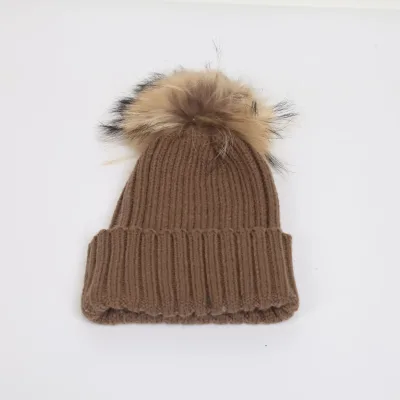
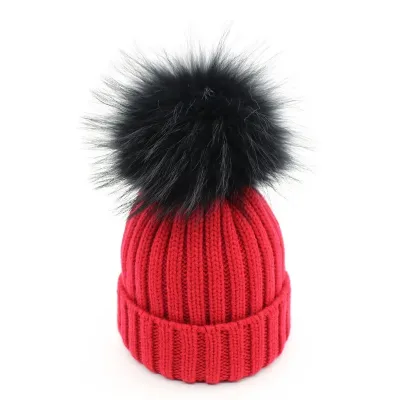


High Quality White Bubble Beanie Warm Winter Hat for Outdoor Activities
$4.00 - $12.00
MOQ: 500 Pieces


Comprehensive Sourcing Guide
Strategic Sourcing Guide for Winter Bobble Hats
Understanding Product Variations and Technical Specifications
The market for winter bobble hats, often categorized as knitted beanies or caps with fur balls, presents a diverse landscape of technical configurations. Buyers must first distinguish between the specific structural attributes observed in current listings, as these define the functional utility of the product. A primary technical differentiator is the presence or absence of a brim. Some inventory items are listed as "Without Brim," offering a classic beanie silhouette, while others feature a "With Brim" construction, which may provide additional sun protection or a distinct stylistic profile. Similarly, the crown structure varies significantly; products are available with a "With Crown" configuration, providing a structured top, or "Without Crown," which implies a slouchier, more relaxed fit.
Material composition is a critical specification for winter wear. The dominant material observed in the current supply base is 100% Acrylic. This synthetic fiber is selected for its ability to retain heat while remaining lightweight and durable. Buyers should verify the specific yarn weight and knitting density, as these factors influence the "Thick" classification often seen in product descriptions. The thickness of the fabric directly correlates to the thermal performance, which is essential for the "Winter" and "Spring / Autumn" seasons. Additionally, the "Style" attribute reveals a wide range of aesthetic options, including "Striped," "Checked," "Plain Dyed," and "Plush." The "Pattern" technology further refines the visual identity, with options ranging from "Embroidered" (specifically using "Flat Embroidery" techniques) to "Woven Patches."
Size specifications are equally variable. While many products are designed for "Adult or Kids Size," specific model numbers like YZ-180, YZ-164, and YZ-160 indicate distinct sizing standards. The "Standard" dimensions provided in some listings, such as 2121+7cm or 22cm22cm+7cm, offer a baseline for physical dimensions, though buyers must confirm if these measurements refer to the hat circumference, height, or the specific dimensions of the fur ball accessory. The "fur_ball_size" is explicitly noted as 10cm in certain models, a detail that impacts the overall aesthetic balance and weight of the hat. The "Angle" attribute, observed as 4 or 6 in specific entries, likely refers to the angle of the brim or the cut of the crown, influencing how the hat sits on the head.
Compliance, Certification, and Safety Standards
When sourcing winter headwear, compliance and safety standards are paramount, particularly for products intended for children or general public use. The current supply data includes references to "Oeko-Tex" and "GOTS" as background context, but these should be treated as potential verification points rather than guaranteed attributes of every listed product. Buyers must explicitly request and verify certification documents for any batch they intend to purchase. The "Oeko-Tex Standard 100" is a widely recognized benchmark for testing textiles for harmful substances, ensuring the fabric is safe for skin contact. Similarly, "GOTS" (Global Organic Textile Standard) certification would be required if the supplier claims the use of organic fibers, although the primary material observed is 100% Acrylic, which is synthetic.
Safety compliance extends beyond material testing to include flammability standards, which vary by destination market. For instance, the United States has specific flammability requirements for children's sleepwear and certain outerwear, while the European Union enforces strict REACH regulations regarding chemical substances in textiles. Buyers should not assume that a product's origin in "Jiangsu China" or "Hebei, China" automatically confers compliance with Western standards. Instead, the procurement strategy must include a requirement for third-party laboratory test reports that specifically address the intended market's regulatory framework.
Furthermore, the "Special Features" listed, such as "Windproof," "Breathable," "Smart," "Music," and "Lightweight," introduce additional compliance considerations. If a hat is marketed as "Smart" or includes "Music" capabilities, it falls under electronics regulations (such as FCC in the US or CE in Europe) in addition to textile standards. These electronic components must be safely integrated into the knit structure to prevent overheating or electrical hazards. Buyers must verify that any electronic modules are securely encased and that the battery specifications meet safety standards. For standard knitted hats without electronics, the focus remains on the mechanical safety of the "fur ball" attachment, ensuring it cannot be easily detached and poses no choking hazard for children.
Cost Drivers and Pricing Dynamics
The pricing structure for winter bobble hats is influenced by a complex interplay of material costs, manufacturing complexity, and order volume. The observed price range in the market spans from $0.50 to $20.00 USD. This wide disparity is not arbitrary but reflects the variance in product specifications. The lower end of the spectrum typically corresponds to basic "Plain Dyed" or "Striped" acrylic hats with simple construction, minimal packaging, and standard "Paper Carton" shipping methods. These items often have lower Minimum Order Quantities (MOQ), ranging from 2 to 500 units, making them accessible for small-scale buyers or sample testing.
Conversely, the higher price points are driven by added value features and customization. Hats featuring "Embroidered" patterns, "Woven Patches," or "Plush" styles require more labor-intensive production processes, such as "Flat Embroidery" or the application of specific patches. The inclusion of "Smart" or "Music" features significantly increases the cost due to the integration of electronic components and the associated quality control testing. Additionally, the "Customization" availability noted in the supply data allows for branding and design modifications, which incur setup fees and higher per-unit costs.
Packaging also plays a role in the final cost. While some items are shipped in bulk "Paper Carton" packaging, others are "Individually Packed in Plastic Bags." Individual packaging adds material and labor costs but enhances the retail presentation, potentially justifying a higher price point for brands targeting premium markets. The "Brand Name" attribute, often listed as "OEM service," indicates that the supplier is willing to produce private-label goods. This service adds value but may come with a premium compared to generic, unbranded inventory. Buyers should analyze the total landed cost, including shipping and duties, rather than focusing solely on the unit price, as the cost of logistics can significantly impact the profitability of low-margin items.
Typical Applications and Market Segmentation
Winter bobble hats serve a broad spectrum of applications, ranging from casual daily wear to specialized outdoor activities. The "Usage" and "Applicable Scene" attributes highlight the versatility of these products. They are designed for "Daily Life," "Casual," "Outdoor," "Traveling," "Sports," "SKI," and "Home Use." This wide applicability suggests that buyers should segment their sourcing strategy based on the end-user's specific needs. For example, hats intended for "SKI" or "Sports" applications require higher durability, better windproofing, and potentially more secure fit mechanisms to prevent loss during high-activity scenarios.
The "Gender" attribute is listed as "Unisex," indicating that the designs are generally adaptable to all users. However, the "Applicable User" specification includes both "Adults" and "Kids," necessitating careful attention to sizing and safety. Children's hats must adhere to stricter safety standards regarding small parts, such as the "fur ball," which is specified as 10cm in some models. For adult markets, the focus shifts more towards style and thermal comfort, with features like "Ear Warmer" functionality being highly valued.
The "Season" attribute confirms that these products are primarily for "Winter," "Spring / Autumn," and "Autumn." This seasonal nature dictates the timing of procurement. Buyers must plan their orders well in advance to ensure stock availability before the peak winter season. The "Style" variations, such as "Checked" or "Colourful," allow for fashion-forward positioning, while "Plain Dyed" options cater to more conservative or uniform-based markets. Understanding these application nuances helps buyers align their product selection with specific market demands, whether they are targeting outdoor enthusiasts, fashion retailers, or corporate uniform suppliers.
Supplier Evaluation and Quality Control Protocols
Evaluating suppliers for winter bobble hats requires a rigorous assessment of their manufacturing capabilities and quality control systems. The supply data indicates origins in "Jiangsu China" and "Hebei, China," regions known for textile manufacturing. However, the presence of multiple model numbers (e.g., YZ-180, YZ-164, YZ-160) suggests that suppliers may offer a wide range of SKUs, potentially sourced from different sub-contractors. Buyers should verify the supplier's direct control over the production process, especially for complex features like "Flat Embroidery" or electronic integration.
Quality control should focus on several key areas. First, the integrity of the "100% Acrylic" material must be verified to ensure it meets the "Thick" and "Windproof" claims. Second, the attachment of the "fur ball" must be tested for durability to prevent detachment. Third, for hats with "Smart" or "Music" features, functional testing is essential to ensure the electronics operate correctly and safely. The "Special Features" list includes "Foldable" and "Lightweight," which require physical testing to confirm that the hat can withstand repeated folding without losing its shape or structural integrity.
Buyers should also inspect the "Pattern Technology" to ensure that "Embroidered" or "Woven Patches" are securely attached and do not fray or peel after washing. The "prod_packing" method, whether "Paper Carton" or "Individually Packed in Plastic Bags," should be verified to ensure it protects the product during transit. Additionally, the "Standard" dimensions should be measured against the physical product to confirm accuracy, as discrepancies in size can lead to customer dissatisfaction. Establishing a clear quality assurance protocol, including pre-shipment inspections and random sampling, is crucial for maintaining product consistency.
Long-Term Procurement and Supply Chain Considerations
Sourcing winter bobble hats for the long term requires a strategic approach to supply chain management and relationship building. The "Customization" availability suggests that suppliers are capable of adapting to changing market trends, but buyers must establish clear communication channels to manage these changes effectively. The "OEM service" capability allows for brand differentiation, but it requires a robust intellectual property protection strategy to safeguard designs and logos.
Lead times and production capacity are critical factors to consider. While specific lead times are not provided in the data, the variability in MOQ (2-500 units) indicates that suppliers may have flexible production lines. Buyers should negotiate realistic lead times that account for potential delays in material sourcing, especially for specialized features like "Smart" electronics or specific "Pattern Technology." Building a relationship with a supplier that can scale production up or down based on demand fluctuations is essential for managing inventory risks.
Sustainability is another long-term consideration. While the primary material is acrylic, buyers may explore options for recycled acrylic or alternative eco-friendly materials to meet evolving consumer expectations. The "GOTS" and "Oeko-Tex" certifications, though not guaranteed, represent pathways to more sustainable sourcing. Buyers should encourage suppliers to adopt environmentally friendly practices and provide transparency regarding their supply chain. Finally, maintaining a diversified supplier base can mitigate risks associated with geopolitical issues, natural disasters, or production disruptions, ensuring a steady supply of winter bobble hats year after year.
Comparative Analysis of Product Attributes
To facilitate decision-making, the following table summarizes the key variations observed in the current market for winter bobble hats. This comparison highlights the critical differences buyers must navigate when selecting products.
| Attribute | Option A (Basic/Standard) | Option B (Premium/Feature-Rich) |
|---|---|---|
| Brim | Without Brim | With Brim |
| Crown | Without Crown | With Crown |
| Material | 100% Acrylic | 100% Acrylic (Thick/Plush) |
| Pattern | Plain Dyed, Striped | Embroidered, Woven Patches |
| Special Features | Windproof, Breathable | Windproof, Smart, Music, Foldable |
| Fur Ball | Standard (10cm) | Optional/Customizable |
| Packaging | Paper Carton | Individually Packed in Plastic Bags |
| Target Season | Winter | Winter, Spring/Autumn |
| Price Range | Lower end ($0.50 - $5.00) | Higher end ($5.00 - $20.00) |
| MOQ | 2 - 500 units | 2 - 500 units (varies by customization) |
This table underscores that while the core material remains consistent, the value proposition shifts significantly based on features, packaging, and customization. Buyers should align their selection with their specific market segment and budget constraints, ensuring that the chosen product attributes meet the functional and aesthetic requirements of their end customers.
FAQs
What material is used for winter bobble hats?
The primary material is 100% Acrylic, which provides warmth while remaining lightweight. This synthetic fiber is selected for its durability and ability to retain heat effectively during winter seasons.
Can these hats be customized for branding?
Yes, customization is available for these products. Buyers can request specific designs, logos, or patterns, though this may involve additional setup fees and minimum order quantity requirements.
Which sizes are available for these winter hats?
The hats come in Adult or Kids Size options to accommodate different user groups. Specific models like YZ-180 or YZ-164 may have distinct standard dimensions such as 21*21+7cm.
How are the hats packaged for shipment?
Packaging varies between Paper Carton for bulk shipping and Individually Packed in Plastic Bags for retail presentation. The choice depends on the specific model and the buyer's ordering preferences.
What special features do these hats offer?
Features include Windproof, Breathable, Lightweight, and Foldable properties. Some advanced models may also include Smart or Music capabilities, requiring specific electronic safety compliance.
Where are these winter bobble hats manufactured?
Products originate from regions in China, specifically Jiangsu and Hebei. These locations are known for textile manufacturing and offer various production capabilities for different hat styles.