Source Winter Kitchen Cleaning Gloves for Hotel, Restaurant, and Hair Dyeing
Compare 30 options for Winter Kitchen Cleaning Gloves, including latex and PE materials with features like anti-scratch and water-proof designs. These gloves are suitable for hotel, restaurant, and hair dyeing applications, offering customizable sizes and certifications such as FDA and CE.
Key considerations
Products List


Kitchen Washing Glove Rubber Cleaning Glove Latex Glove Cleaning Glove
$0.25 - $0.30
MOQ: 120000 Pairs

Cleaning Glove Rubber Glove Household Kitchen Washing Glove Latex Glove
$0.25 - $0.30
MOQ: 120000 Pairs


Rubber Dishwashing Gloves for Kitchen and Household Cleaning - Long Cuff
$0.46 - $0.49
MOQ: 50000 Pairs
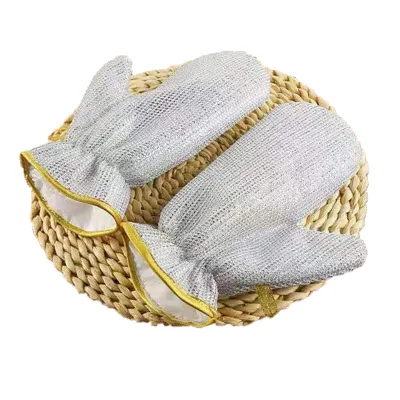


Household Latex Gloves Rubber cleaning Washing Gloves Latex Kitchen Gloves
$0.20 - $0.40
MOQ: 30000 Pairs

Long Cuff Rubber Gloves Kitchen cleaning Gloves Waterproof Household Latex Gloves
$0.38 - $0.40
MOQ: 30000 Pairs


Comprehensive Sourcing Guide
Winter Kitchen Cleaning Gloves Sourcing Guide
Procuring Winter Kitchen Cleaning Gloves requires balancing thermal protection with dexterity for wet tasks. The observed market data indicates a strong presence of latex and PE materials, with specific listings highlighting "thickened" profiles and "sleeveless" designs suitable for cold water environments. Buyers must distinguish between general cleaning gloves and specialized variants designed for hair dyeing or heavy-duty hotel maintenance, as the functional requirements for thermal insulation vary significantly across these use cases.
Commercial listings reveal a wide variance in customization options, ranging from standard "all color" transparent options to fully customized "Chinese style" designs. The presence of "embossed or smooth" surface textures suggests that grip performance is a critical differentiator for winter conditions where wet hands increase slip risks. Sourcing strategies should prioritize suppliers who explicitly offer "diamond grip" or "fish scale grip" patterns to ensure safety during prolonged exposure to cold, soapy water in commercial kitchens.
Product Scope and Observed Listing Signals
The product scope encompasses a diverse array of glove types, including non-disposable thickened latex models and disposable PE variants, each serving distinct operational needs. Observed signals show that while some products are marketed for general cleaning, others are specifically tagged for applications like hair dyeing or restaurant service. This segmentation is vital for buyers, as a glove suitable for light dishwashing may lack the durability required for industrial degreasing or the chemical resistance needed for dyeing tasks.
Listing attributes frequently mention "folded" packaging and "carton" shipping units, indicating that bulk procurement is the standard commercial model. The "all age" and "adults" demographic tags suggest these gloves are versatile for various workforce sizes, yet the "sleeveless" design limits protection for the forearm in splash-heavy scenarios. Buyers should verify if the "thickened" specification correlates with the specific mil thickness, as this directly impacts warmth retention and tactile sensitivity during winter operations.
Technical Specifications to Verify
Thickness and material composition are the primary technical determinants for winter performance, with observed ranges spanning from 11mil to 22mil for heavy-duty latex options. Buyers must verify that the "thickened" claim aligns with specific mil measurements, as thinner profiles may fail to insulate against cold water effectively. Additionally, the choice between latex and PE materials dictates the glove's elasticity and chemical resistance, requiring a clear definition of the intended cleaning agents to prevent material degradation.
Surface texture and cuff design are equally critical for maintaining a secure fit and preventing water ingress. The availability of "zigzag edge cuffs" and "spray flock lined" interiors offers enhanced comfort and grip, which are essential for handling slippery items in cold environments. Procurement teams should confirm that the "diamond grip" or "fish scale grip" patterns are consistent across the batch, as inconsistent embossing can lead to uneven wear and reduced safety during extended use.
Compliance and Safety Documentation
Safety compliance is non-negotiable for kitchen gloves, with observed certifications including FDA, CE, LFGB, CIQ, and EEC standards. These certifications indicate that the materials meet specific food contact and chemical safety requirements, which is particularly important for gloves used in food preparation or cleaning areas where residue transfer is a risk. Buyers must request current test reports to verify that the "eco-friendly" claims and material compositions align with these regulatory frameworks before finalizing orders.
Documentation should also address the specific standards for glove dimensions and weight, ensuring they match the operational requirements of the facility. While some listings cite "export standard" or specific dimensions like "10*30CM," buyers should confirm that these measurements are consistent with international sizing norms to avoid fit issues. Verifying that the "soft" hardness rating does not compromise structural integrity is also necessary to ensure the gloves provide adequate protection without tearing under stress.
Cost Drivers and Commercial Terms
Cost structures are heavily influenced by material selection, thickness, and the extent of customization required. The observed MOQ range of 2 to 120,000 units suggests that economies of scale are significant, with larger orders likely securing better unit pricing. Buyers should analyze the trade-off between "thickened" latex gloves and disposable PE options, as the latter may offer lower upfront costs but higher long-term consumption expenses depending on the durability requirements of the specific cleaning tasks.
Lead times and packaging logistics also play a pivotal role in total cost of ownership, with observed delivery windows extending up to 45 days. The "carton" and "out carton" packaging specifications indicate that shipping volume and weight will impact freight costs, necessitating careful calculation of landed costs. Procurement teams must negotiate clear terms regarding price fluctuations due to raw material volatility, especially for latex, to ensure budget stability over the contract duration.
Supplier Qualification and Quality Control
Supplier qualification should focus on their ability to maintain consistent quality across large production runs, given the wide MOQ range observed in the market. Buyers must assess the supplier's capacity to deliver "customized" products that meet specific design and functional requirements without compromising on the "soft" or "thickened" attributes. A robust quality control process is essential to ensure that the "embossed or smooth" surface textures are applied uniformly, preventing defects that could lead to premature failure.
Quality audits should verify that the "spray flock lined" interiors and "zigzag edge cuffs" are manufactured to precise specifications, as these features directly impact user comfort and safety. Suppliers should demonstrate a track record of meeting the cited certifications, such as FDA and CE, through third-party testing rather than self-declaration. Establishing a clear protocol for sampling and batch testing before full shipment is critical to mitigate the risk of receiving substandard goods that fail to perform in cold, wet conditions.
Long-Term Procurement Checks
Long-term procurement success relies on establishing a partnership that supports continuous improvement and adaptability to changing market demands. Buyers should regularly review supplier performance against key metrics such as delivery timeliness, defect rates, and the consistency of material specifications like thickness and grip style. Maintaining open communication channels allows for proactive adjustments to order volumes and customization needs, ensuring the supply chain remains resilient against disruptions.
Periodic re-evaluation of product specifications is necessary to ensure they continue to meet evolving safety standards and operational requirements. As new materials or technologies emerge, buyers should remain open to upgrading from standard "transparent" or "white" options to more advanced variants that offer superior protection. Regular feedback loops with end-users in the kitchen can provide valuable insights into glove performance, driving informed decisions for future sourcing cycles and ensuring sustained value.
FAQs
What materials are commonly used for Winter Kitchen Cleaning Gloves?
Latex and PE are common materials for kitchen cleaning gloves, with latex offering better flexibility and a soft feel during wet cleaning tasks. PE gloves are lightweight, eco-friendly, and typically disposable, while thicker latex styles are non-disposable and reusable. Choose based on whether your application requires durability for repeated washing or low-cost single-use protection.
Can Winter Kitchen Cleaning Gloves be customized for my brand?
Yes, customization is available for these gloves, including color selection and surface finish options such as embossed or smooth textures. Buyers can request specific sizes, packaging in cartons, and tailored specifications for their market. Confirm minimum order quantities and customization details directly with suppliers before placing a trial order, since requirements vary by model and production batch.
Which certifications should I check before importing cleaning gloves?
Relevant certifications for cleaning gloves include FDA, CE, LFGB, CIQ, and EEC, which appear on listed products of this type. Requirements depend on your destination market, so verify which marks your customs authority expects. Always request valid, current certificates from suppliers and confirm they match the exact model and material you plan to import before finalizing contracts.
What sizes and thickness options are available for these gloves?
These gloves are available in S, M, and L sizes to fit different hand dimensions for adults. Thickness choices include 11mil, 13mil, 15mil, 18mil, and 22mil, with thicker versions providing more durability for heavy cleaning. Weight typically ranges from 45 to 75 grams per pair, so balance protection needs against dexterity when selecting the appropriate specification for your customers.
How long is the typical delivery time for bulk glove orders?
The listed delivery time for these gloves is 45 days, which covers production and preparation after order confirmation. Lead times can shift depending on order volume, customization requirements, and packaging needs such as carton packing. Plan your inventory cycle with this timeframe in mind and confirm the exact schedule with your supplier when negotiating the purchase agreement.
Can these gloves be used for applications beyond kitchen cleaning?
Yes, these gloves suit multiple applications including hair dyeing, hotel service, restaurant work, washing, and general cleaning tasks. They are waterproof, anti-scratch, and available in all colors, making them versatile for both household and commercial settings. For food-adjacent or hygiene-sensitive uses, verify the relevant certifications apply to the specific model you order before distribution.