Source ROHS Fishing Lamp for Pond, Fish Attracting, and Marine Use
Find 30 ROHS Fishing Lamp options with varying LED colors, power ratings, and IP68 ratings for pond and fish attracting applications. Compare specifications like luminous flux, voltage, and material to select the right product for your needs.
Key considerations
Products List


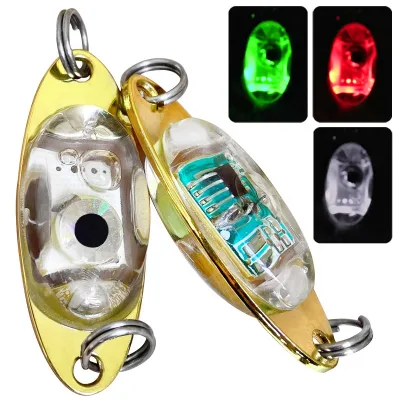
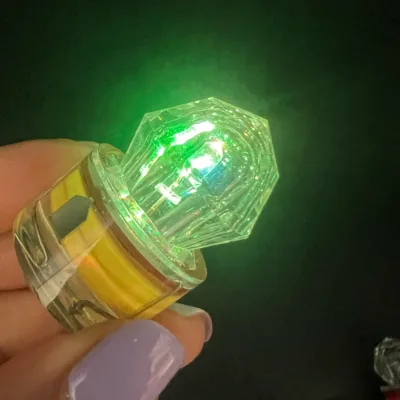
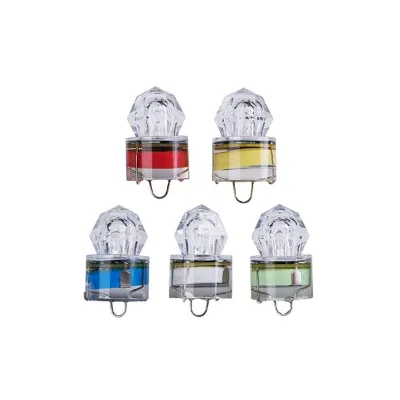
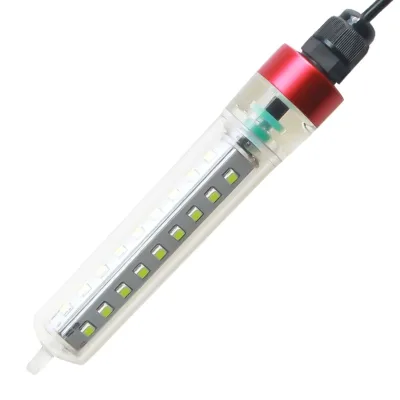
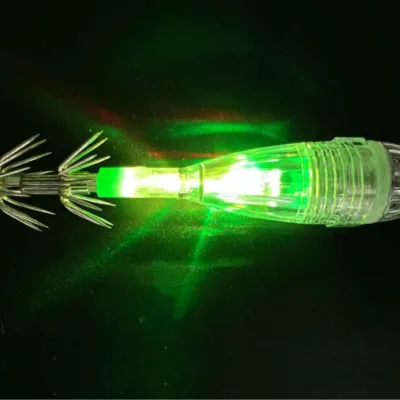
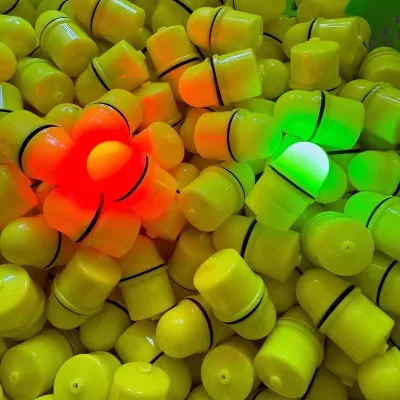
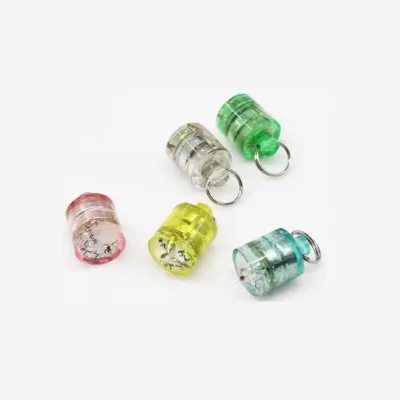


Flash LED Deep Drop Underwater Squid Strobe Bait Night Fishing Light Lamp
$0.65 - $2.50
MOQ: 300 Pieces
Comprehensive Sourcing Guide
Strategic Sourcing Guide for RoHS-Compliant Fishing Lamps
Understanding the Technical Landscape of LED Fishing Lamps
The procurement of fishing lamps, specifically those designed to attract fish using light, requires a deep understanding of the underlying technical specifications that drive performance in aquatic environments. The core of these devices lies in the Light Emitting Diode (LED) configuration. Based on available product data, modern fishing lamps frequently utilize 2835 SMD (Surface Mount Device) LEDs. The quantity of these diodes varies significantly across different models, with observed configurations including 96, 108, and 177 pieces per unit. This variation directly influences the total luminous flux and the effective range of the light underwater.
The spectral output is another critical technical parameter. Buyers must verify the emitting colors, as different fish species respond to different wavelengths. The market offers a diverse palette including Warm White, White, Cool White, Yellow, Red, Green, and Blue. Some advanced units provide RGB capabilities, allowing for dynamic color switching to adapt to specific fishing conditions. The power consumption is equally variable, with observed ratings ranging from 30W to 150W. For instance, specific models are rated at 30W with a luminous flux of 3000lm, while higher-power variants can reach 5000lm. The efficiency of these units is a key metric, with some products citing an efficiency of 100lm/W, which indicates a high conversion rate of electrical energy into usable light.
Electrical compatibility is paramount for installation on various vessels. The voltage requirements observed in the current market span from DC 9-14V to DC 12-24V. This variance necessitates that buyers match the lamp's voltage rating precisely with the boat's electrical system to prevent damage or inefficient operation. Furthermore, the physical construction must withstand harsh marine conditions. The lamp body materials often include Fiber Reinforced Plastics (FRP) or a combination of PC (Polycarbonate), Aluminum, and Copper. The IP (Ingress Protection) rating is a non-negotiable specification for underwater applications; observed data confirms IP68 ratings, which signify complete protection against dust and prolonged immersion in water. The physical dimensions also vary, with lengths ranging from approximately 55mm to 270mm and diameters from 40mm to 50mm, depending on the intended application and mounting requirements.
Compliance and Certification Verification Protocols
When sourcing products labeled as "ROHS Fishing Lamp," buyers must rigorously verify compliance claims rather than accepting them at face value. The Restriction of Hazardous Substances (RoHS) directive restricts the use of specific hazardous materials in electrical and electronic equipment. In the context of the provided product data, certifications such as CE and RoHS are explicitly mentioned as attributes for certain models. However, the presence of a CE mark alone does not guarantee RoHS compliance, although they often appear together in the same product documentation.
Buyers should request specific test reports or certificates of conformity that explicitly reference the RoHS directive. The data indicates that some products list "CE, RoHS" under the certificate field, suggesting a dual compliance status. It is essential to distinguish between a self-declared claim and a third-party verified certification. The supply chain for these lamps often originates from regions like Guangdong, China, where manufacturing capabilities are high, but regulatory enforcement can vary. Therefore, the procurement process must include a step to validate the authenticity of the RoHS certificate provided by the supplier.
Additionally, the product standards listed in the data, such as specific model numbers (e.g., HX-50-30W, HX-4050B) and physical dimensions (e.g., ø50*170mm), serve as identifiers for the specific compliance batch. Buyers should ensure that the model number on the physical product matches the documentation provided for certification. While some background information mentions ISO 9001, this is a quality management standard and does not directly certify the absence of hazardous substances. Consequently, the primary focus for "RoHS" keyword searches must remain on the specific material restriction certificates. The absence of a listed certification in the initial product description should trigger a request for documentation before any order is placed, as non-compliant materials can lead to legal liabilities and environmental hazards.
Cost Drivers and Pricing Structure Analysis
The pricing of fishing lamps is influenced by a complex interplay of technical specifications, material costs, and order volume. The observed price range in the market spans from $0.31 to $57 USD, a wide disparity that reflects the difference between basic components and fully integrated, high-performance units. The lower end of the spectrum likely corresponds to bare lamp bodies or units without light sources, as indicated by the attribute "Without Light Source" for certain models. In contrast, the higher price points correspond to fully assembled units with integrated LED arrays, drivers, and robust housing materials like Aluminum and Copper.
Material composition is a primary cost driver. Units constructed with Fiber Reinforced Plastics (FRP) may offer a different price point compared to those utilizing a PC+Aluminum+Copper composite. The latter combination typically provides superior heat dissipation and structural integrity, justifying a higher cost. The number of LEDs and their power rating also directly impact the price. A model with 177 LEDs and 150W power consumption will inherently cost more than a 30W unit with 96 LEDs due to the increased quantity of semiconductor components and the associated driver circuitry.
Order volume, represented by the Minimum Order Quantity (MOQ), is another critical factor in determining the final unit cost. The observed MOQ range is extensive, from 5 units to 5000 units. Buyers purchasing small quantities, such as 5 units, will likely face a higher per-unit price compared to those placing bulk orders. The data suggests that customization is available, which can introduce additional costs. Customization options may include specific color outputs, custom cable lengths (e.g., 6 meters with clamp), or tailored packaging. Buyers must weigh the cost of customization against the operational benefits it provides. Furthermore, packaging standards, such as the use of cartons, and the weight of the product (ranging from 0.1kg to 10.8kg per piece) influence shipping costs, which are often a significant component of the total landed cost for international procurement.
Typical Applications and Operational Environments
The application of fishing lamps extends beyond simple illumination; they are engineered specifically for fish attraction. The primary use case identified is "Fish Attracting," where the light is used to lure fish to the surface or near the vessel. This application relies on the phototactic behavior of fish, which are drawn to specific light wavelengths. The versatility of the available color spectrum—ranging from Warm White to RGB—allows operators to target different species. For example, blue and green lights are often effective for pelagic species, while red and yellow may be preferred for bottom-dwelling fish.
The operational environment for these lamps is predominantly aquatic. The "Pond" application listed in the data indicates suitability for aquaculture or stationary fishing setups, while the "Fish Attracting" application suggests use in active fishing scenarios on boats or piers. The IP68 rating confirms that these devices are designed for submersion, making them suitable for underwater mounting or floating deployment. The working temperature range of -20°C to 40°C ensures reliability in diverse climates, from tropical waters to colder northern seas.
Customization plays a vital role in adapting these lamps to specific operational needs. For instance, the "Modern simplism style" and specific dimensions allow for aesthetic integration into modern vessel designs. The cable distance, observed at 6 meters with a clamp, facilitates flexible installation on various boat sizes. However, buyers must consider the power requirements relative to the application. A 150W lamp may be excessive for a small pond but essential for deep-sea fishing. The warranty period, observed as two years for some models, provides a safety net for the operational risks associated with constant water exposure. Understanding the specific environment—whether it is a calm pond or a turbulent open sea—is crucial for selecting the appropriate model and power rating.
Supplier Evaluation and Quality Assurance Strategies
Evaluating suppliers for fishing lamps requires a focus on technical capability and adherence to the observed product attributes. Since specific supplier names cannot be recommended, buyers should assess potential partners based on their ability to provide the detailed specifications found in the market data. A reliable supplier should be able to demonstrate consistency in the LED quantities, voltage ratings, and material compositions. For example, if a buyer requires a 30W unit with 96 LEDs, the supplier must be able to produce this exact configuration consistently.
Quality control should be a central part of the supplier evaluation process. Buyers should verify the production standards, such as the specific dimensions (e.g., 25114.3cm or ø40*270mm) and weight specifications (e.g., 0.8kg or 10.8kg). Discrepancies between the ordered specifications and the delivered product can indicate poor quality control. The presence of certifications like CE and RoHS should be verified through third-party audits or direct requests for test reports. Suppliers who can provide transparent documentation regarding their manufacturing processes and material sourcing are preferable.
The origin of the product, noted as China or specifically Guangdong, China, is a factor in logistics and supply chain management. Buyers should consider the lead times associated with these regions and the reliability of the shipping infrastructure. The packaging standard, typically cartons, should be evaluated for durability to ensure the lamps arrive in pristine condition. Additionally, the availability of customization services is a strong indicator of a supplier's flexibility and customer service orientation. A supplier that can accommodate specific requests for cable lengths, colors, or dimensions is better positioned to meet unique procurement needs.
Long-Term Procurement and Lifecycle Management
Sourcing fishing lamps is not merely a transactional event but a long-term commitment that involves lifecycle management. The warranty period, observed as two years for certain models, is a key indicator of the manufacturer's confidence in their product's durability. Buyers should prioritize suppliers who offer robust warranty terms, as this reflects a commitment to quality and after-sales support. The efficiency of the lamps, such as the 100lm/W rating, impacts long-term operational costs. Higher efficiency units consume less power, reducing the load on the vessel's electrical system and lowering energy costs over time.
Maintenance and replacement are also critical considerations. The materials used, such as Fiber Reinforced Plastics or Aluminum, should be resistant to corrosion and UV degradation. Buyers should inquire about the expected lifespan of the LEDs and the ease of replacement if a unit fails. The support for dimmers, which is noted as "No" for some models, suggests that these are fixed-output devices. This limitation should be factored into the procurement strategy, as it may restrict the ability to adjust light intensity based on fishing conditions.
Finally, the scalability of the supply chain is important for buyers with growing operations. The wide MOQ range (5-5000) allows for flexibility in scaling orders up or down. However, buyers must ensure that the supplier can maintain quality and compliance standards as order volumes increase. The standardization of models, such as the HX series, facilitates easier inventory management and replacement part sourcing. By focusing on suppliers with a proven track record of delivering compliant, high-quality fishing lamps, buyers can ensure a reliable supply chain that supports their long-term operational goals.
FAQs
What certifications do rohs fishing lamps typically have?
Many rohs fishing lamps carry CE and RoHS certifications to ensure compliance with hazardous substance restrictions. Some models also display CE marks, but buyers must verify specific RoHS test reports for each batch to confirm the absence of restricted materials.
Which LED colors are available for fish attracting lamps?
Available emitting colors include Warm White, White, Yellow, Red, Green, Blue, and RGB options. Specific models offer configurations like 96 or 108 LEDs in various colors to target different fish species effectively in aquatic environments.
Can I find rohs fishing lamps with IP68 waterproof ratings?
Yes, observed products feature IP68 ratings indicating complete protection against dust and prolonged water immersion. This specification is critical for ensuring the lamp functions reliably when submerged in ponds or open water during fishing operations.
How does the voltage requirement vary for these lamps?
Voltage requirements range from DC 9-14V to DC 12-24V depending on the specific model. Buyers must match the lamp's voltage rating precisely with their boat's electrical system to ensure safe and efficient operation without damage.
What is the typical weight range for these fishing lights?
Weights vary significantly, ranging from 0.1kg for lighter units to 10.8kg per piece for larger models. The net weight and packing weight depend on the material composition, such as Fiber Reinforced Plastics or PC plus Aluminum.
Are customization options available for ROHS Fishing Lamp orders?
Customization is available for specific requirements like cable lengths, colors, or dimensions. Buyers can request tailored solutions, though this may affect the unit price and minimum order quantity depending on the supplier's production capacity.