Source Wired HiFi Reference Headphones for DJ, Mobile, Computer
Explore 30 listings of Wired HiFi Reference Headphones suitable for mobile phones, computers, and DJ applications. Buyers can compare specifications such as Bluetooth versions, driver sizes, and wire materials to find the right audio solution.
Key considerations
Products List




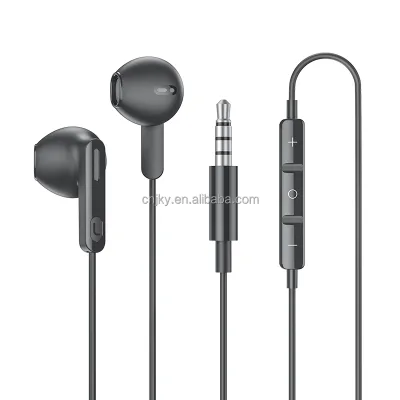
Wired Headphone for Phone Wired Earphone Noise Reduction Headset in-Ear Headphones
$8.60 - $11.60
MOQ: 500 Pieces




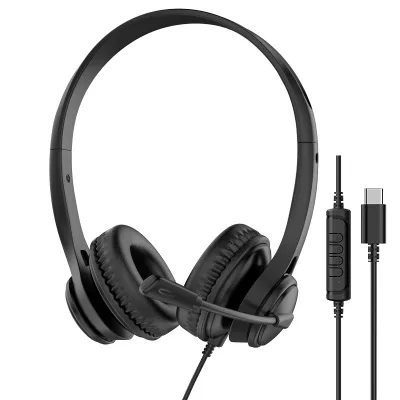
Professional Heavy Duty Wired Noise Cancelling Headphone for Walkie Talkie
$75.00 - $85.00
MOQ: 1 Pieces


Comprehensive Sourcing Guide
Strategic Sourcing Framework for Wired HiFi Reference Headphones
The procurement of Wired HiFi Reference Headphones requires a rigorous approach that balances technical fidelity with supply chain reliability. In the current B2B landscape, buyers must navigate a complex array of product attributes, ranging from driver technology and wire composition to connectivity standards and acoustic performance. The market offers a diverse range of options, including models with specific driver types like Moving-Iron configurations and various wire materials such as TPE and PU. Understanding these distinct characteristics is essential for sourcing professionals who aim to secure products that meet high-fidelity standards without compromising on durability or cost-efficiency. This guide outlines the critical dimensions of sourcing Wired HiFi Reference Headphones, focusing on technical verification, compliance, and supplier evaluation based on observable market data.
Technical Specifications and Acoustic Architecture
The core of any HiFi reference headphone lies in its acoustic architecture and technical specifications. When evaluating potential suppliers, buyers must scrutinize the driver type, as this fundamentally dictates the sound signature. The market includes products utilizing Moving-Iron drivers, which are often prized for their clarity and detail retrieval in the mid-to-high frequency range. In contrast, other listings may feature standard dynamic drivers with specific impedance and size parameters, such as 40mm drivers with a 32Ω impedance rating. The impedance value is critical for matching the headphones with the intended source equipment, ensuring optimal power transfer and volume control.
Wire material is another pivotal specification that influences both the acoustic performance and the longevity of the product. Common materials observed in the market include TPE (Thermoplastic Elastomer) and PU (Polyurethane). TPE offers flexibility and durability, making it suitable for frequent movement, while PU provides a different tactile feel and resistance profile. The length of the cable is also a standard specification, with some products adhering to a 1.2m standard length, which is a common benchmark for professional monitoring and studio use. Buyers should verify the exact length and material composition to ensure the product meets the specific ergonomic requirements of the end-user environment.
Furthermore, the presence of line controls and microphone sensitivity are essential functional attributes. Specifications such as a microphone sensitivity of 40dB±2dB indicate a specific level of audio capture quality, which is vital for headsets intended for communication as well as music playback. The inclusion of HSP (Headset Profile) support ensures compatibility with standard telephony protocols, allowing for seamless voice communication. For pure HiFi applications, the absence of electronic components in the signal path is often preferred, yet many modern wired solutions integrate Bluetooth modules for hybrid functionality, supporting codecs like AAC and featuring Bluetooth versions ranging from 4.0 to V5.3.
Connectivity and Wireless Hybrid Capabilities
While the core keyword specifies "wired" headphones, the modern B2B market frequently presents hybrid models that offer both wired and wireless connectivity. This duality introduces specific technical considerations for the procurement process. Some products listed in the market are explicitly categorized as having a "Bluetooth" function, supporting music playback and featuring a Class B distance version with an operation distance of at least 20 meters. These models often include a 3.5mm jack diameter, allowing for a direct wired connection when the battery is depleted or when a zero-latency connection is required.
The integration of Bluetooth technology necessitates a review of the chipset and codec support. Suppliers may utilize specific chipsets, such as the Jerry Chipset, which influences the stability and efficiency of the wireless connection. The support for the AAC codec is a significant factor for high-quality audio streaming, particularly when paired with iOS devices, as indicated by compatibility with the iPhone brand. Additionally, features like touch control and power display (LED battery indicators) are becoming standard expectations for these hybrid units. Buyers must distinguish between pure wired HiFi units and hybrid models, as the latter introduces variables like battery capacity, which is observed to be around 400mAh in some listings, and wireless delay times ranging from 51 to 60 milliseconds.
The distinction between "Wired" and "Bluetooth" functions is not always binary in product listings. Some products are described with a "Function" attribute that includes both "HiFi" and "Bluetooth," suggesting a versatile device capable of serving multiple use cases, from mobile phones and computers to DJ equipment and home theater systems. This versatility is a key selling point for B2B buyers looking to standardize inventory across different departments or user groups. However, the presence of wireless features may impact the "reference" nature of the headphones, as the analog signal path in a pure wired configuration is often considered superior for critical listening. Procurement teams must clearly define whether the requirement is for a strictly wired signal path or a flexible hybrid solution.
Compliance, Certification, and Material Standards
In the B2B sector, compliance and material standards are non-negotiable aspects of the sourcing process. While specific certification statuses such as CE and RoHS are often mentioned in the broader market context, buyers must verify these claims directly with the supplier rather than relying on general market observations. The absence of explicit certification data in the provided product attributes necessitates a proactive verification strategy. Buyers should request valid test reports and certificates of conformity to ensure that the products meet the regulatory requirements of their target markets, particularly in Europe and North America.
Material safety is another critical area of focus. The wire materials, such as TPE and PU, must be evaluated for their environmental and safety profiles. The "Feature" attribute of "Sustainable" suggests that some suppliers are incorporating eco-friendly practices, but this claim requires substantiation through third-party audits or material safety data sheets (MSDS). Additionally, the packaging standards, observed as "Lastic" or "Standard," play a role in the product's presentation and protection during transit. Buyers should specify packaging requirements to ensure that the headphones arrive in pristine condition, minimizing the risk of damage and returns.
The "prod_standard" attribute, which includes values like "1.2m" and "Standard," indicates that manufacturers adhere to specific dimensional and quality benchmarks. However, the term "Standard" is generic and should be defined in the purchase order. Buyers should establish clear technical specifications that align with industry standards for impedance, frequency response, and sound pressure level (SPL). The SNR (Signal-to-Noise Ratio) of ≥95dB is a specific performance metric observed in some listings, which serves as a benchmark for audio clarity. Procurement teams should verify that the products they source meet or exceed these performance thresholds to ensure the "HiFi" claim is substantiated by measurable data.
Cost Drivers and Pricing Dynamics
The pricing of Wired HiFi Reference Headphones is influenced by a complex interplay of factors, including driver technology, material quality, and the inclusion of wireless capabilities. The observed price range in the market spans from $0.5 to $85, reflecting a vast disparity in product positioning and quality. Low-cost options, often priced near the lower end of this spectrum, may utilize basic materials and simpler driver configurations, while premium models command higher prices due to advanced acoustic engineering and brand reputation.
The MOQ (Minimum Order Quantity) is a significant cost driver, with observed ranges extending from 1 to 3000 units. High-volume buyers can leverage economies of scale to negotiate better unit prices, but they must balance this against inventory holding costs and the risk of obsolescence. Suppliers may offer tiered pricing structures, where the unit cost decreases as the order volume increases. Buyers should analyze the total cost of ownership, including shipping, duties, and potential rework costs, rather than focusing solely on the unit price.
Customization is a key factor that can impact pricing. The availability of customization options allows buyers to tailor products to their specific brand requirements, such as custom colors, packaging, or logo placement. However, these customizations often come with additional costs and may require higher MOQs to be economically viable. The "prod_packing" attribute, which varies between "Lastic" and "Standard," also influences the final cost, as specialized packaging solutions are typically more expensive than standard retail packaging.
Supplier Evaluation and Quality Control
Selecting the right supplier is paramount to ensuring the quality and reliability of the sourced headphones. Buyers should evaluate suppliers based on their ability to meet technical specifications, maintain consistent quality, and provide reliable after-sales support. The "prod_origin" attribute indicates that many products originate from China, a major manufacturing hub for consumer electronics. While this offers access to a vast supply base, it also requires careful vetting to ensure that the suppliers adhere to international quality standards.
Quality control measures should be integrated into the procurement process from the outset. Buyers should implement a robust inspection protocol that includes pre-production sample verification, in-process quality checks, and final random inspections. The "Structure" attribute, described as "Closed," refers to the acoustic design of the headphones, which can affect sound isolation and bass response. Verifying that the physical construction matches the design specifications is essential to prevent issues such as sound leakage or driver failure.
Supplier reliability is also measured by their ability to meet lead times and maintain consistent inventory levels. While specific lead times are not provided in the current data, buyers should establish clear expectations regarding production schedules and delivery timelines. The "Function" attribute, which includes "Volume Control" and "Touch Control," highlights the importance of functional testing. Suppliers should be required to provide test results for these features to ensure they operate as intended.
Typical Applications and Usage Scenarios
The versatility of Wired HiFi Reference Headphones makes them suitable for a wide range of applications. The "Usage" attribute lists Mobile Phone, Computer, MP3 & MP4, DJ, Aviation, and Home Theatre, indicating that these products are designed for diverse environments. In professional settings, such as DJing and aviation, the durability and noise isolation of the headphones are critical. The "Style" attribute, described as "In-ear," suggests a form factor that is ideal for mobile and portable use, offering a secure fit and effective sound isolation.
For home theater and computer audio applications, the "Soundtrack" attribute of "Dual Track" and the support for "Multimedia" functions make these headphones suitable for immersive audio experiences. The compatibility with the iPhone brand and other mobile devices ensures broad usability across different ecosystems. Buyers should consider the specific needs of their target audience when selecting products. For example, a model with a 3.5mm jack and a 1.2m cable length may be ideal for studio monitoring, while a hybrid model with Bluetooth capabilities may be better suited for general consumer use.
Long-Term Procurement Considerations
Sourcing Wired HiFi Reference Headphones is not just a one-time transaction but a long-term partnership that requires ongoing management. Buyers should consider the lifecycle of the product, including the availability of spare parts, the potential for firmware updates (for hybrid models), and the supplier's ability to scale production as demand grows. The "Feature" attribute of "Sustainable" suggests a growing trend towards eco-friendly products, which may become a regulatory requirement in the future.
Buyers should also monitor market trends and technological advancements. The evolution of Bluetooth versions, from 4.0 to V5.3, and the introduction of new codecs and chipsets indicate a rapidly changing landscape. Staying informed about these developments will help buyers make informed decisions and maintain a competitive edge. Finally, establishing clear communication channels with suppliers and maintaining a collaborative relationship will ensure that any issues are resolved quickly and that the supply chain remains resilient.
| Attribute Category | Key Specifications Observed | Procurement Verification Focus |
|---|---|---|
| Driver & Acoustics | Moving-Iron, 40mm/32Ω, SNR ≥95dB | Verify frequency response and impedance matching. |
| Connectivity | Wired (3.5mm), Bluetooth 4.0-5.3, AAC | Confirm codec support and latency performance. |
| Materials | TPE, PU Wire, Closed Structure | Inspect wire durability and acoustic seal integrity. |
| Functionality | Line-Control, Touch Control, LED Battery | Test all controls and indicator functions. |
| Compliance | CE, RoHS (Background), Sustainable | Request valid certificates and MSDS. |
| Packaging | Lastic, Standard | Define packaging requirements to prevent damage. |
In conclusion, the procurement of Wired HiFi Reference Headphones demands a meticulous approach that addresses technical, compliance, and supply chain dimensions. By focusing on the specific attributes observed in the market and maintaining a rigorous verification process, buyers can secure high-quality products that meet the demanding standards of the HiFi audio industry.
FAQs
What wire materials are used for Wired HiFi Reference Headphones?
The market offers Wired HiFi Reference Headphones with TPE or PU wire materials. TPE provides flexibility and durability for frequent movement, while PU offers a distinct tactile feel and resistance profile suitable for different usage environments.
Which driver types are available for Wired HiFi Reference Headphones?
Some listings feature Moving-Iron drivers prized for clarity in mid-to-high frequencies. Other models utilize standard dynamic drivers with specific parameters like 40mm size and 32Ω impedance to ensure optimal power transfer and volume control.
Can Wired HiFi Reference Headphones support Bluetooth connectivity?
Yes, hybrid models exist that combine wired connections with Bluetooth functions. These units often support AAC codecs, include battery indicators, and offer operation distances of at least 20 meters while retaining a 3.5mm jack for direct wired use.
What is the standard cable length for Wired HiFi Reference Headphones?
A 1.2m cable length is a common standard observed in professional monitoring and studio use. Buyers should verify this dimension in product specifications to ensure the product meets specific ergonomic requirements for their intended environment.
How is the microphone sensitivity specified for Wired HiFi Reference Headphones?
Specifications often list microphone sensitivity at 40dB±2dB to indicate audio capture quality. This metric is vital for headsets intended for communication as well as music playback, ensuring clear voice transmission during calls.
Which certifications should buyers verify for Wired HiFi Reference Headphones?
Buyers must request valid test reports for CE and RoHS certifications directly from suppliers. General market observations do not guarantee compliance, so verification is essential to ensure products meet regulatory requirements for target markets like Europe and North America.