Source Wireless 1080p Camera Module for Cars, Trucks, and Agricultural Vehicles
Explore 30 listings for the Wireless 1080p Camera Module suitable for automotive and agricultural applications. Buyers can compare specifications, certifications, and pricing to find the right solution for vehicles, engineering equipment, or sightseeing cars.
Key considerations
Products List


USB2.0 1080P Camera Module with Driver Free for Windows, Linux, Android and Mac OS
$20.00 - $25.00
MOQ: 100 Pieces


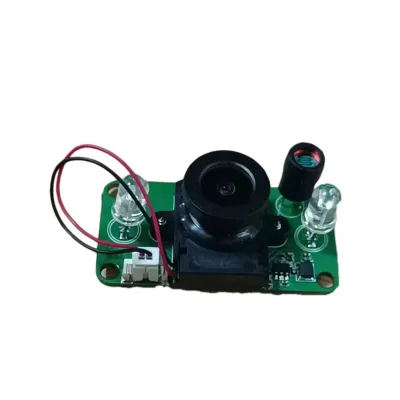
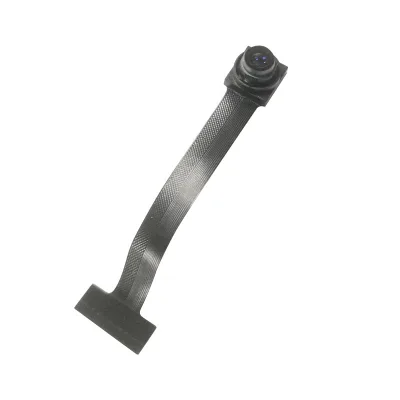


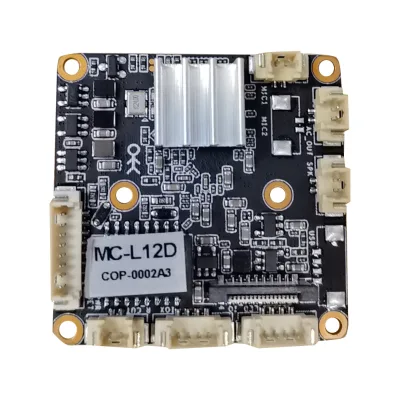


Comprehensive Sourcing Guide
Strategic Sourcing Guide for Wireless 1080p Camera Modules
The global demand for wireless 1080p camera modules has surged as industries seek compact, high-resolution imaging solutions for diverse applications ranging from autonomous vehicles to smart surveillance systems. For procurement professionals, navigating this market requires a disciplined approach that prioritizes verified technical specifications, regulatory compliance, and supply chain reliability. This guide outlines the critical factors buyers must evaluate when sourcing these components, ensuring that procurement decisions are grounded in observable data rather than unverified marketing claims. The focus remains on understanding the specific attributes of available modules, such as interface types, sensor sizes, and form factors, to align product selection with precise operational requirements.
Technical Architecture and Interface Compatibility
When evaluating wireless 1080p camera modules, the first step is to analyze the underlying technical architecture. The resolution of 1920*1080 pixels is a standard benchmark for high-definition imaging, but the performance of the module depends heavily on the image sensor and the interface used to transmit data. In the current market, modules often utilize sensors with specific sizes, such as 1/2.7 Inch or 1/4 Inch, which directly influence low-light performance and field of view. Buyers must verify the sensor size against their specific lighting conditions and optical requirements.
The interface type is another critical technical parameter. While some modules utilize standard USB 2.0 interfaces for direct connectivity, others employ MIPI (Mobile Industry Processor Interface) for high-speed data transmission in embedded systems. The choice between a fixed focus and auto-focus mechanism also dictates the module's suitability for different use cases. For instance, a fixed focus module may be sufficient for static monitoring applications, whereas auto-focus capabilities are essential for dynamic environments where subject distance varies. Additionally, the output formats, such as Yuv or Mjpg, must be compatible with the host system's processing capabilities to ensure seamless integration without excessive bandwidth consumption.
Compliance and Certification Verification
Regulatory compliance is a non-negotiable aspect of B2B procurement, particularly for electronic components intended for global distribution. Buyers must rigorously verify that suppliers possess valid certifications that align with the target markets. Common certifications observed in this sector include CE, RoHS, and FCC. The CE mark indicates conformity with health, safety, and environmental protection standards for products sold within the European Economic Area. Similarly, RoHS compliance ensures that the product does not contain specific hazardous substances, which is a legal requirement in many jurisdictions.
For products intended for the North American market, FCC certification is often mandatory to demonstrate that the device does not generate harmful interference. Furthermore, specific regional certifications such as UR (Underwriters Laboratories) may be required depending on the application and destination. It is crucial for buyers to request official certification documents rather than relying on supplier assertions. The presence of these certifications should be cross-referenced with the specific product model, as compliance status can vary between different batches or configurations. Without verified documentation, the risk of market rejection or legal penalties increases significantly.
Cost Drivers and Pricing Dynamics
The pricing of wireless 1080p camera modules is influenced by a complex interplay of factors, including sensor quality, resolution, interface complexity, and order volume. Market observations indicate a wide price range, with unit costs varying from as low as $0.30 to over $485.00. This disparity is not arbitrary but reflects differences in component quality, feature sets, and production scales. High-end modules featuring advanced auto-focus, larger sensor sizes, or specialized waterproofing (such as IP68 ratings) will naturally command higher prices compared to basic fixed-focus units.
Minimum Order Quantity (MOQ) is another significant cost driver. Suppliers often offer tiered pricing structures where the unit cost decreases as the order volume increases. MOQs in this sector can range from 1 unit for prototyping to 200 units for bulk production runs. Buyers should carefully calculate the total cost of ownership, factoring in the MOQ requirements and the potential for inventory holding costs. For startups or projects with uncertain demand, sourcing smaller quantities at a higher unit price may be more prudent than committing to large volumes that tie up capital. Conversely, established manufacturers with steady demand can leverage higher volumes to negotiate more favorable pricing terms.
Application-Specific Requirements and Form Factors
The versatility of camera modules allows them to be deployed across a wide array of industries, but each application imposes unique constraints. The applicable models for these modules often include agricultural vehicles, engineering vehicles, harvesters, corn machines, sightseeing cars, escort cars, forklifts, cars, SUVs, RVs, and trucks. This broad applicability suggests that the modules are designed to withstand varying environmental conditions and mechanical stresses. For example, modules intended for agricultural or engineering vehicles may require robust housing and higher waterproof grades, such as IP68, to operate effectively in dusty or wet environments.
Form factor is equally important, as space constraints often dictate the physical dimensions of the module. Standardized dimensions such as 38.0 x 38.0 x 44.3 mm or 32.0 x 32.0 x 21.3 mm are common, but custom sizes may be available depending on the supplier's capabilities. Buyers must ensure that the module's physical footprint fits within the designated enclosure without compromising thermal management or connectivity. Additionally, the scanning method, whether it involves a camera module or other optical systems, must align with the specific imaging needs of the application. Understanding these application-specific nuances is essential for selecting a module that delivers optimal performance in the intended environment.
Supplier Evaluation and Origin Verification
Selecting the right supplier is a critical step in the procurement process. Buyers should prioritize suppliers with a proven track record of delivering high-quality components and maintaining transparent communication. The origin of the product is a key indicator of supply chain stability. Many modules in this category originate from manufacturing hubs such as Shenzhen, China, which is known for its robust electronics ecosystem. However, the specific location of the supplier and their production facilities should be verified to ensure they meet the buyer's ethical and quality standards.
Supplier evaluation should also include an assessment of their customization capabilities. The availability of customization options allows buyers to tailor the module to their specific needs, such as adjusting the interface type, sensor size, or packaging requirements. Suppliers that offer flexible customization are often better equipped to handle unique project requirements and can provide valuable technical support throughout the development cycle. Additionally, buyers should review the supplier's warranty terms, which typically range from 12 to 24 months, to ensure adequate protection against defects and performance issues.
Quality Control and Long-Term Procurement Strategy
Implementing a robust quality control strategy is essential for mitigating risks associated with component failure. Buyers should establish clear acceptance criteria based on technical specifications, such as resolution, focus type, and interface compatibility. Regular testing and inspection of incoming shipments can help identify defects early in the supply chain, preventing costly delays and rework. The use of standardized packaging, such as cartons or vacuum bags with cardboard boxes, can also help protect the modules during transit and storage.
Long-term procurement considerations involve building a sustainable relationship with suppliers that can adapt to changing market conditions. This includes monitoring lead times, which can vary based on production capacity and material availability, and planning for potential supply chain disruptions. Buyers should also consider the product's lifecycle and the availability of spare parts or upgrades. A well-planned procurement strategy ensures that the supply of camera modules remains consistent and reliable, supporting the long-term success of the buyer's projects. By focusing on these strategic elements, buyers can navigate the complexities of the Wireless 1080p Camera Module market with confidence and efficiency.
Comparative Analysis of Module Specifications
To facilitate informed decision-making, buyers can utilize a comparative analysis of key module specifications. The following table highlights common attributes observed in the market, providing a snapshot of the diversity available.
| Attribute | Observation 1 | Observation 2 | Observation 3 |
|---|---|---|---|
| Resolution | 1920*1080 | 1920*1080 | 1920*1080 |
| Sensor Size | 1/2.7 Inch | 1/4 Inch | 1/2.7 Inch |
| Focus Type | Fixed | Auto | Fixed |
| Interface | USB 2.0 | MIPI | USB 2.0 |
| Waterproof Grade | IP68 | N/A | N/A |
| Certifications | CE, RoHS, ISO | CE, FCC, RoHS | UR, CE |
| Warranty | 24 Months | 12 Months | 24 Months |
| Material | ABS, Plastic | Plastic, LED | Plastic |
| Dimensions | 38*38mm | 62.00 x 8.50 mm | 32.0 x 32.0 x 21.3 mm |
This table illustrates the variability in specifications, emphasizing the need for buyers to carefully match module attributes to their specific project requirements. By systematically comparing these factors, procurement teams can identify the most suitable candidates for their applications, ensuring optimal performance and cost-effectiveness.
Conclusion
Sourcing wireless 1080p camera modules requires a meticulous approach that balances technical requirements, regulatory compliance, and cost considerations. By leveraging verified data and maintaining a disciplined evaluation process, buyers can navigate the complexities of this dynamic market. The key to successful procurement lies in understanding the specific attributes of available modules, verifying supplier credentials, and implementing robust quality control measures. With these strategies in place, organizations can secure reliable components that drive innovation and efficiency across their operations.
FAQs
What certifications are available for wireless 1080p camera modules?
Modules often carry CE, RoHS, ISO, and UR certifications. Buyers must verify specific documents for each model, as compliance varies by batch and configuration rather than applying universally to all listed products.
Which sensor sizes are commonly used in these modules?
Common sensor sizes include 1/2.7 Inch and 1/4 Inch. The choice depends on lighting conditions and field of view requirements, with larger sensors generally offering better low-light performance for specific applications.
Can I customize the interface type for my project?
Customization is available for interface types like MIPI and USB 2.0. Buyers should confirm specific interface compatibility with their host system to ensure seamless data transmission without excessive bandwidth consumption.
What is the typical warranty period for these camera modules?
Warranty periods typically range from 12 to 24 months. This coverage protects against defects, but terms may vary by supplier and specific product model, requiring verification before final procurement decisions.
Which waterproof grades are offered for industrial applications?
Some modules feature an IP68 waterproof grade suitable for harsh environments. This specification is critical for agricultural or engineering vehicles but may not apply to all standard indoor units listed in the catalog.
How do I find suppliers with specific packaging options?
Suppliers offer packaging like cartons, vacuum bags, or natural packages. Buyers should specify their storage and transit needs when contacting vendors to ensure the module arrives without damage during shipping.