Source Wood Grain Fiber Cement Siding for Hotels, Villas, and Workshops
Compare 30 listings of Wood Grain Fiber Cement Siding from verified Chinese manufacturers. Buyers can evaluate specifications like thickness, fire ratings, and certifications to find suitable options for exterior wall decoration and building projects; compare the available evidence and request quotations based on your requirements.
Key considerations
Products List


Outdoor Wood Grain Fiber Reinforced Concrete Cement Board Wall Siding Panels
$3.20 - $3.90
MOQ: 48 Piece/Pieces


House Building Materials Fireproof Wall Siding Wood Grain Fiber Cement Siding
$3.20 - $3.90
MOQ: 48 Piece/Pieces

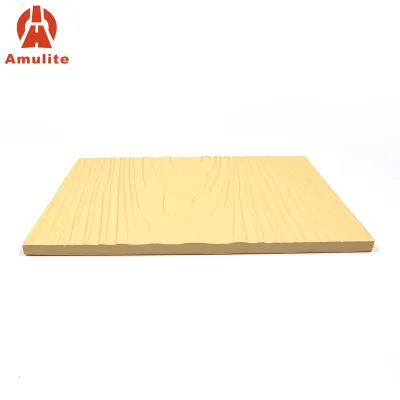
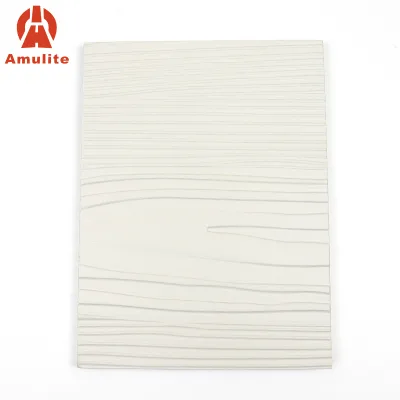


Wood Grain Fiber Cement Siding Board-Exterior & Interior Wall Decoration
$9.50
MOQ: 1300 Square Meters

Comprehensive Sourcing Guide
Wood Grain Fiber Cement Siding Sourcing Guide
Procuring Wood Grain Fiber Cement Siding requires a disciplined approach to material verification and supplier qualification. Buyers must distinguish between genuine non-asbestos cement boards and inferior alternatives by examining the core composition. The primary materials typically include cement, quartz sand, and imported wood pulp, ensuring a robust structural integrity that mimics natural timber without the associated maintenance burdens. This composite structure provides a durable exterior cladding solution suitable for diverse architectural styles, from modern commercial facades to traditional residential villas.
Verification of the manufacturing process is equally critical to ensure long-term performance. The surface finishing often features a textured wood grain appearance, which not only enhances aesthetic appeal but also contributes to the material’s durability against weathering. Buyers should confirm that the product is explicitly labeled as 100% non-asbestos, adhering to modern health and safety standards. This distinction is vital for projects in regions with strict environmental regulations, ensuring that the siding does not pose health risks during installation or throughout the building’s lifecycle.
Product Scope and Observed Listing Signals
The market for Wood Grain Fiber Cement Siding presents a wide variety of options, with observed price ranges indicating significant variation in quality and supplier tier. Listings often display prices between one and forty-two USD per unit, reflecting differences in thickness, density, and certification levels. Buyers should be cautious of prices that seem unusually low, as they may indicate compromised material quality or missing certifications. The minimum order quantities (MOQ) also vary widely, ranging from single units to thousands, which impacts the feasibility for both small renovation projects and large-scale commercial developments.
Observed product attributes reveal a diverse range of specifications available to buyers. Common colors include brown, green, black, yellow, red, white, and gray, allowing for flexible design integration. The density of these panels typically falls between 1.2 and 1.35 g/cm³, a key indicator of structural strength and resistance to impact. Additionally, the appearance is often described as having a wooden grain texture, which provides the visual warmth of timber while offering the superior weather resistance of cement-based materials. This combination makes them suitable for exterior wall decoration in hotels, warehouses, and dormitories.
Technical Specifications to Verify
Thickness is a primary technical specification that directly influences the siding’s performance and suitability for different applications. Available thicknesses often include 7.5mm, 8mm, 9mm, and 12mm, with 8mm being a common standard for general exterior cladding. Buyers must verify that the selected thickness aligns with local building codes and wind load requirements. Thicker panels generally offer better insulation and impact resistance, while thinner options may be more cost-effective for interior applications or specific design constraints. Consistency in thickness across the batch is crucial to ensure a uniform appearance and proper installation.
Dimensional stability and physical properties are equally important for long-term durability. The swelling ratio should be minimal, typically less than 0.25%, ensuring that the panels do not expand or contract significantly with humidity changes. Similarly, the shrinking ratio should be under 0.5%, preventing gaps or warping over time. The anti-bending strength is another critical metric, often exceeding 12MPa, which indicates the panel’s ability to withstand mechanical stress during handling and installation. Buyers should request test reports to confirm these values, as they are essential for ensuring the siding’s longevity in varying climatic conditions.
Compliance and Safety Documentation
Fire safety is a paramount concern for exterior cladding, and Wood Grain Fiber Cement Siding often boasts impressive fire ratings. Many products are classified as Grade A or A1, indicating they are incombustible and do not contribute to fire spread. The incombustibility rating can withstand temperatures for up to 240 minutes, providing critical time for evacuation and firefighting efforts. Buyers must verify that the fire rating complies with relevant local standards, such as GB8624-2012, to ensure legal compliance and insurance validity. This non-combustible nature is a significant advantage over traditional wood siding, especially in high-rise buildings or areas prone to wildfires.
Environmental and health certifications are also essential for modern procurement. Products should comply with radioactivity standards, such as GB6566-2010, ensuring that the materials do not emit harmful radiation. Certifications like ISO, CE, and SGS are common indicators of quality management and product safety. Buyers should request copies of these certificates to verify their authenticity and relevance to the specific product batch. Additionally, the water content ratio should be low, typically under 12%, which helps prevent mold growth and structural degradation over time.
Cost Drivers and Commercial Terms
The cost of Wood Grain Fiber Cement Siding is influenced by several factors, including material composition, thickness, and certification requirements. Higher density panels and those with additional features like perforation or eco-friendly treatments may command a premium price. Buyers should also consider the packaging costs, as these panels are typically shipped on fumigation wood pallets with PE covers and corner protectors to prevent damage during transit. The number of pallets per container, such as eight pallets in a 20-foot container, affects the overall logistics cost and should be factored into the total landed cost calculation.
Payment terms and lead times are critical components of the commercial agreement. Suppliers may offer customized payment structures, but buyers should aim for secure terms that protect their interests. Lead times can vary based on order volume and customization requirements, so it is essential to confirm production schedules early in the procurement process. Buyers should also inquire about the supplier’s ability to handle large orders without compromising quality or delivery timelines. Clear communication regarding these terms helps avoid unexpected delays and ensures a smooth procurement process.
Supplier Qualification and Quality Control
Supplier qualification is the first step in mitigating procurement risks. Buyers should verify the supplier’s manufacturing capabilities, including their production capacity and quality control processes. Suppliers with ISO certification are generally more reliable, as they adhere to standardized management practices. It is also important to check the supplier’s experience in exporting Wood Grain Fiber Cement Siding, as this indicates familiarity with international standards and logistics. Requesting references from previous clients can provide additional insights into the supplier’s reliability and product quality.
Quality control measures should be implemented throughout the production and shipping process. Buyers should consider hiring third-party inspection services to verify product specifications, packaging, and quantity before shipment. This step helps identify any defects or discrepancies early, allowing for corrective actions before the goods leave the factory. Additionally, buyers should ensure that the supplier provides detailed product documentation, including material safety data sheets and installation guidelines. This documentation is essential for proper installation and maintenance, ensuring that the siding performs as expected over its lifespan.
Long-Term Procurement Checks
Long-term procurement success depends on continuous monitoring of supplier performance and product quality. Buyers should establish a system for tracking delivery times, product consistency, and after-sales support. Regular feedback from installation teams and end-users can provide valuable insights into any issues that arise during or after installation. This feedback loop helps identify potential problems early, allowing for proactive measures to address them. Maintaining a strong relationship with the supplier can also lead to better pricing and priority service for future orders.
Adapting to changing market conditions and regulatory requirements is essential for sustained procurement success. Buyers should stay informed about updates to building codes and environmental regulations that may affect the use of fiber cement siding. This includes monitoring changes in fire safety standards and environmental certifications. By staying proactive, buyers can ensure that their procurement strategies remain compliant and competitive. Regularly reviewing and updating supplier contracts and quality standards helps maintain high levels of performance and reliability in the long run.
FAQs
What materials are used to make Wood Grain Fiber Cement Siding?
The siding is primarily made from plant fiber, calcium silicate, cement, quartz sand, and imported wood pulp. These components ensure the product is 100% non-asbestos while providing high density and structural integrity for exterior wall decoration applications.
Can I customize the size and thickness of the fiber cement board?
Yes, customization is available for various dimensions including 8mm, 7.5mm, 9mm, and 12mm thicknesses. Buyers can select specific sizes like 200x3000mm or 1200x2400mm to fit their specific building requirements and design preferences.
Which certifications does the Wood Grain Fiber Cement Siding hold?
The product holds ISO, CE, SGS, and NZ Standard certifications. These credentials verify that the material meets international safety and quality standards, ensuring compliance for use in hotels, villas, and other commercial or residential building projects.
How fireproof is the Wood Grain Fiber Cement Siding panel?
The siding achieves an A1 fire rating and is classified as incombustible according to GB8624-2012 standards. It offers a minimum incombustibility duration of 240 minutes, making it a safe choice for exterior walls and interior applications.
What is the typical packaging method for shipping these cement boards?
Products are packed on fumigation wood pallets with PE covers and corner protection to prevent damage during transit. Standard wooden pallets are also used, ensuring the panels remain secure and intact when shipped from China to international destinations.
What are the key features of the perforated wood grain wall panel?
Key features include being eco-friendly, fireproof, and waterproof with a textured surface finish. The panels are designed for durability with low water content and swelling ratios, suitable for use in warehouses, dormitories, and workshop environments.