Source Modern Kitchen Coffee Mug Rack for Storage, Spices, and Tableware
Explore 30 listings for a Modern Kitchen Coffee Mug Rack designed for versatile storage needs. Buyers can compare features like folding designs, material types including plastic and metal, and tier configurations to find the ideal holder for kitchen, bedroom, or living room spaces.
Key considerations
Products List


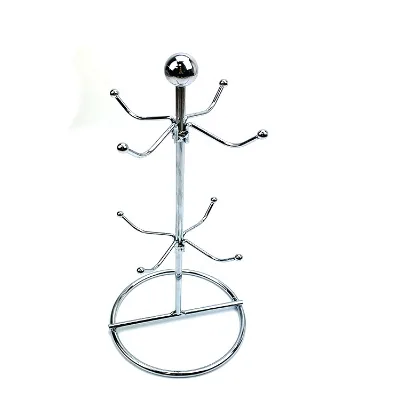
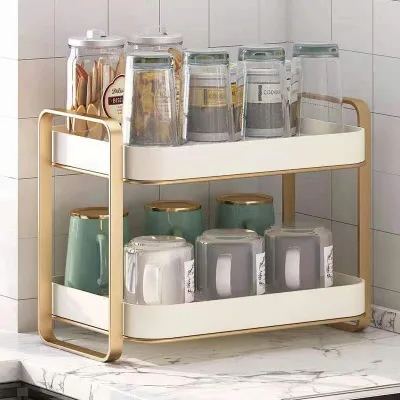

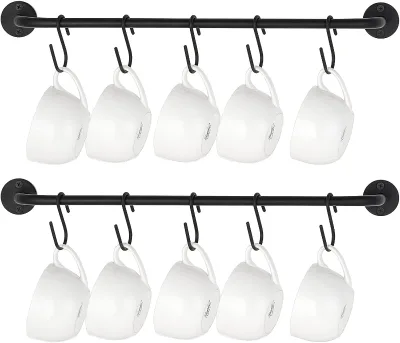


Modern Popular Customized Kitchen Storage Racks Wine Glass Rack Cup Holder
$2.88 - $5.68
MOQ: 1 Pieces




Comprehensive Sourcing Guide
Strategic Sourcing Guide for Modern Kitchen Coffee Mug Racks
Understanding Product Variability and Core Specifications
When sourcing a Modern Kitchen Coffee Mug Rack, buyers must first recognize that the market presents a wide spectrum of configurations rather than a single standardized item. The product category encompasses various structural designs, ranging from folding units to standing racks, each serving distinct spatial requirements within a kitchen environment. The observed product attributes indicate that modern mug racks are frequently designed with a "Common" shape but can be customized to specific buyer requirements, allowing for a "Style" that aligns with modern aesthetics. The material composition is a critical differentiator, with available options including plastic, metal, and specialized mug tree or cup holder constructions.
The physical dimensions and structural integrity of these racks vary significantly. Some models are specified with a "Medium" size, while others adhere to a "Standard size" or specific custom dimensions. A key technical specification to verify is the dimensional tolerance. While some listings indicate a tolerance of less than ±5mm, others specify a tighter range of less than ±1mm. Buyers must understand that these tolerances directly impact the fit and stability of the rack, particularly when stacking mugs of varying heights. The number of tiers is another fundamental specification; the market offers single-phase, double-tier, and three-layer configurations. The choice between a "Single Phase" unit and a "Three" layer unit depends heavily on the volume of tableware and the available vertical space in the target kitchen.
Furthermore, the functional design plays a pivotal role in the utility of the product. Options include "Folding" designs for space-saving capabilities and "Non-folding Rack" styles that offer permanent stability. The installation type is typically a "Standing Type," which requires no wall mounting, making it suitable for "Universal" application in kitchens, bedrooms, or living rooms. The "Single package size" can be substantial, with some units reaching 70x70x70 cm, which influences logistics planning and storage capacity at the destination.
Technical Compliance and Certification Verification
In the B2B procurement of kitchen storage solutions, verifying compliance with safety and quality standards is non-negotiable. The product data indicates that manufacturers may adhere to various standards, including SGS, CE, and a general "100% export Standard." It is crucial for buyers to treat these certifications as observations of specific supplier capabilities rather than universal guarantees for every listed product. When evaluating a potential supplier, the procurement team must explicitly request current certification documents to confirm that the specific batch of mugs racks meets the regulatory requirements of the destination market.
The material safety is paramount, especially for products used in food-adjacent environments like kitchens. While the materials listed include plastic and metal, the "Eco Product" attribute suggests that some manufacturers offer sustainable options. Buyers should verify the specific eco-certifications or material safety data sheets (MSDS) to ensure the plastic or metal components do not leach harmful substances. The "Functional Design" is often linked to "Sustainable" features, implying that the product lifecycle and material sourcing may be optimized for environmental impact. However, without explicit third-party verification, these claims should be treated as potential attributes to be validated during the supplier audit process.
Quality assurance is further reinforced by the "Products Quanlity" attribute, which claims "100% Exporter Standred." This phrase indicates a commitment to international quality benchmarks, but the exact definition of this standard must be clarified. Buyers should ask for the specific quality control protocols employed, such as ISO 9001 certification or internal testing procedures for weight and dimensional consistency. The "weight tolerance" of less than ±5% is a specific metric provided in some listings, which serves as a benchmark for manufacturing consistency. Ensuring that the supplier can consistently maintain this tolerance is essential for inventory management and product performance.
Cost Drivers and Pricing Structure Analysis
The pricing landscape for modern kitchen coffee mug racks is characterized by significant variability, with observed ranges spanning from $0.63 to $67. This wide disparity is driven by several factors, including material costs, customization levels, and packaging requirements. The "Material" is a primary cost driver; metal racks generally command a higher price point than plastic alternatives due to raw material costs and manufacturing complexity. Additionally, the "Style" and "Design" complexity, such as folding mechanisms or modern aesthetic finishes, add to the production cost.
The "MOQ" (Minimum Order Quantity) is another critical factor influencing the unit price. The observed MOQ range is extensive, from 1 piece to 3000 pieces. Buyers ordering small quantities, such as the 1-piece MOQ observed in some listings, will likely face a higher per-unit cost compared to bulk purchasers. Conversely, suppliers with a high MOQ threshold may offer more competitive pricing but require a larger capital outlay. The "Packaging" method also impacts cost; options range from "Single" packaging where each item is packed in a polybag to "Set" or "Carton" packaging. The "Single gross weight" of 70.0 kg for certain units indicates heavy-duty packaging requirements, which increases shipping costs and must be factored into the total landed cost.
Customization is a significant variable in the cost structure. The "prod_standard" is listed as "customized" in some contexts, and the "Style" is noted as "as Your Requirment." Customizing the logo type, such as using "Silkscreen" printing, or altering the dimensions and tier configuration will inevitably increase the unit price and potentially extend the lead time. Buyers must balance the desire for customization against the budget constraints, understanding that bespoke features often come with a premium.
Typical Applications and Spatial Integration
Modern kitchen coffee mug racks are designed for versatility, with "Applicable Space" extending beyond the kitchen to include bedrooms and living rooms. The "Usage" attributes highlight their primary function in storing tableware, sundries, food, and spices, making them a multifunctional storage solution. The "Use" is explicitly categorized as "Storage," emphasizing their role in organizing and decluttering living spaces. The "Suitable for: Universal" designation suggests that these racks can accommodate a wide variety of mug sizes and shapes, provided the dimensions align with the rack's specifications.
The "Functional Design" of these racks often includes "Flexible" features, such as folding capabilities, which allow them to be stored away when not in use. This is particularly beneficial for buyers with limited counter space or those who prefer a minimalist aesthetic. The "Installation Type" being a "Standing Type" means the racks are freestanding, requiring no drilling or wall attachment, which makes them ideal for rental properties or temporary setups. The "Number of Layers" directly correlates to storage capacity; a three-layer rack offers significantly more storage than a single-tier unit, making it suitable for households with large collections of mugs or for commercial settings like cafes.
Supplier Evaluation and Operational Capabilities
Evaluating a supplier for modern kitchen mug racks requires a thorough assessment of their operational capabilities and reliability. The "Place of Origin" is consistently listed as China, with specific mentions of Hebei as a production hub. Buyers should verify the supplier's capacity to handle the "Delivery Detail" of 15 to 35 days after order confirmation. This lead time can vary based on the complexity of the order, the customization level, and the current production schedule.
The "OEM" (Original Equipment Manufacturer) status is listed as "Welcome," indicating that many suppliers are open to branding and private labeling. This is a crucial factor for buyers looking to establish their own brand identity. The "Logo Type" of "Silkscreen" is a common method for customization, but buyers should discuss the feasibility of other printing methods if their branding requirements differ. The "Product Quality" claim of "100% Exporter Standred" should be validated through sample requests and factory audits to ensure consistency.
Suppliers should also be evaluated on their ability to manage the "Single package size" and "Single gross weight" efficiently. Large packages, such as those measuring 70x70x70 cm and weighing 70.0 kg, require specialized handling and shipping arrangements. Buyers must ensure that the supplier has experience in packing and shipping such heavy and bulky items to prevent damage during transit. The "prod_packing" details, whether "Each Packed in a Polybag" or "Carton or Box," should align with the buyer's retail or distribution requirements.
Quality Control and Long-Term Procurement Strategy
Implementing a robust quality control (QC) strategy is essential for mitigating risks associated with sourcing kitchen storage products. The "dimensional_tolerance" and "weight_tolerance" specifications provide clear metrics for QC checks. Buyers should establish acceptance criteria based on these tolerances, ensuring that the received goods meet the specified standards. For instance, verifying that the dimensional tolerance is within ±5mm or ±1mm, as per the specific product listing, is a critical step in the inspection process.
Long-term procurement considerations involve building a sustainable relationship with suppliers who can consistently deliver high-quality products. The "Eco Product" attribute suggests a growing market trend towards sustainability. Buyers should prioritize suppliers who demonstrate a commitment to environmental responsibility, such as using recyclable materials or sustainable manufacturing processes. The "feature: Stocked" attribute indicates that some suppliers maintain inventory, which can reduce lead times and provide flexibility for urgent orders.
Finally, buyers should consider the "Functional Design" and "Style" longevity. Modern designs are often preferred for their aesthetic appeal and adaptability to changing interior trends. Ensuring that the selected mug rack has a "Modern" style and "Flexible" design will help maintain its relevance and utility over time. By focusing on these long-term factors, buyers can secure a reliable supply chain that supports their business growth and customer satisfaction.
Comparative Analysis of Key Product Attributes
To facilitate decision-making, the following table summarizes the key attributes observed in the market for modern kitchen coffee mug racks. This comparison highlights the diversity of options available and assists buyers in selecting the most suitable product for their specific needs.
| Attribute | Option A (Plastic/Folding) | Option B (Metal/Standing) | Option C (Custom/Heavy Duty) |
|---|---|---|---|
| Material | Plastic | Metal | Mug Tree/Cup Holder |
| Number of Layers | Three | Double | Single Phase |
| Design | Folding | Non-folding Rack | Customized |
| Installation | Standing Type | Standing Type | Standing Type |
| Packaging | Each in Polybag | Carton or Box | Carton |
| Dimensional Tolerance | <±5mm | <±1mm | <±5mm |
| Weight Tolerance | <±5% | <±5% | <±5% |
| MOQ | 1 Pcs | 1-3000 | Custom |
| Style | Modern | Modern | As Your Requirement |
| Eco Status | Yes | Yes | Yes |
| Origin | China | Hebei, China | China |
| Lead Time | 15-35 Days | 15-35 Days | 15-35 Days |
This table illustrates that while the core functionality remains consistent, the specific attributes vary significantly. Buyers must carefully weigh these differences against their operational requirements, budget constraints, and quality expectations to make an informed procurement decision.
FAQs
Can I customize the style and logo of the mug rack?
Yes, customization is available for style and logo printing. You can request a specific design as your requirement and use silkscreen printing for your logo, though this may affect the unit price and lead time.
What materials are used for modern kitchen coffee mug racks?
These racks are commonly made from plastic or metal, including specialized mug tree constructions. Some options are also designed as eco-friendly products, so verify the specific material composition for food safety compliance.
What is the typical delivery time for these storage racks?
The standard delivery detail is 15 to 35 days after your order is confirmed. This timeline applies to most orders, but complex customizations or large volume orders might require additional processing time.
How many tiers are available for these kitchen storage racks?
Available configurations include single-phase, double-tier, and three-layer units. The choice depends on your vertical space and storage volume needs, with options ranging from folding to non-folding standing types.
What are the dimensional tolerances for these metal or plastic racks?
Dimensional tolerances vary by model, with some listings specifying less than plus or minus 5mm and others requiring less than plus or minus 1mm. You must verify the specific tolerance for the model you select to ensure proper fit.
Which certifications are available for export standard mug racks?
Some manufacturers adhere to SGS, CE, and 100% export standards. These certifications are observations of specific supplier capabilities, so you must request current documents to confirm the specific batch meets your destination market requirements.
What is the minimum order quantity for these kitchen racks?
The minimum order quantity ranges from 1 piece to 3000 pieces depending on the supplier. Ordering small quantities like 1 piece may result in a higher per-unit cost compared to bulk purchases meeting higher MOQ thresholds.