Source Wooden Nesting Box for Exhibition, Home, and Wine Storage
Find 30 verified listings for the Wooden Nesting Box designed for exhibition displays, home organization, and wine packaging. Buyers can compare customization options, lead times, and pricing from suppliers in Xiamen and China.
Key considerations
Products List


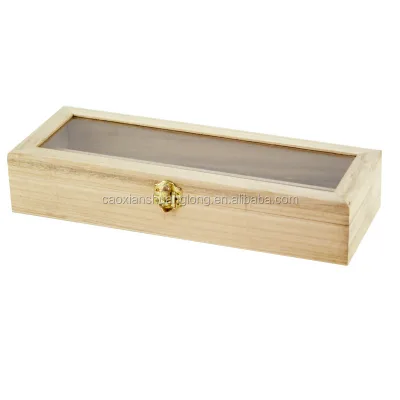
Factory Price Wooden Box/ Unfinished Wooden Box/ Wooden Storage Box with Logo Engraved
$2.05 - $2.50
MOQ: 500 Pieces




Comprehensive Sourcing Guide
Wooden Nesting Box Sourcing Guide
Sourcing wooden nesting boxes requires a careful balance between aesthetic appeal, structural integrity, and functional utility. These containers are frequently utilized for exhibition displays, retail packaging, and specialized storage solutions where visual presentation is as critical as protection. Buyers must navigate a market that offers significant customization options, ranging from simple rectangular forms to complex structures designed for specific product fits. The decision to source these items involves evaluating material quality, production lead times, and the supplier’s ability to handle custom branding and structural requirements.
The procurement process is heavily influenced by the intended end-use, whether for high-end gift packaging, industrial storage, or promotional exhibition materials. Suppliers often provide design support and custom logo printing, which adds value but also introduces variables in the production timeline. Understanding the distinction between unfinished and finished products is crucial, as it affects both the immediate cost and the subsequent steps required before the boxes can be deployed. Buyers should approach this category with a clear understanding of their specific volume needs, as minimum order quantities can vary significantly based on the complexity of the design and the level of customization requested.
Product Scope and Observed Listing Signals
The market for wooden nesting boxes encompasses a wide variety of applications, including wine packaging, general storage, and retail display units. Listings often highlight features such as durable construction, stable structures, and high-quality materials, which are essential for maintaining the integrity of the contents during transport and storage. The observed product range includes items labeled as wooden tea boxes, wine boxes, and simple storage containers, indicating a versatility that allows buyers to source multiple packaging needs from a single supplier category. These boxes are typically designed for indoor use, emphasizing their role in controlled environments such as supermarkets, specialty stores, and home settings.
Visual and functional attributes play a significant role in the selection process, with many products offering pull-out open ways and rectangular shapes that facilitate easy access and stacking. The customization potential is a key signal in this market, with suppliers frequently offering custom logos, colors, and sizes to meet specific brand requirements. However, buyers should note that not all products in this category are designed for heavy-duty or outdoor use; many are explicitly noted as not waterproof and having partial hardness, which limits their suitability for harsh environments. The presence of standard export carton packing suggests that suppliers are equipped for international shipping, but the final packaging configuration may need to be negotiated based on the specific logistics requirements of the buyer.
Technical Specifications to Verify
When evaluating technical specifications, buyers must prioritize the structural stability and material composition of the wooden nesting boxes. The core material is typically wood, which provides a natural aesthetic and robust protection, but the specific type of wood and its treatment can vary between suppliers. It is essential to verify the dimensions of the boxes, as sizes can range from middle-sized units to specific measurements such as 251510cm, depending on the intended contents. The hardness of the material is another critical factor, with many products offering partial hardness that balances protection with weight considerations, ensuring that the boxes are sturdy enough for handling but not excessively heavy.
Customization options extend beyond simple branding to include structural modifications and functional features. Buyers should confirm whether the boxes are designed as single units or as part of a nesting system, which can impact storage efficiency when empty. The open way, often described as pull-out, should be tested for smooth operation and durability, especially if the boxes will be used frequently. Additionally, the quality of the finish and the precision of the joints are vital for ensuring that the boxes maintain their shape and function over time. Suppliers may offer design support to help refine these technical aspects, but the final specifications must be clearly documented in the purchase agreement to avoid discrepancies in the delivered goods.
Compliance and Safety Documentation
Compliance and safety documentation are critical for ensuring that wooden nesting boxes meet the regulatory requirements of the destination market. While some suppliers may claim adherence to standards such as SGS, buyers must verify the specific scope of these certifications and ensure they cover the relevant safety and quality aspects for the intended use. For products intended for food-related applications, such as tea or wine packaging, it is essential to confirm that the wood treatment and any adhesives or finishes used are safe and compliant with local regulations. The absence of antitheft features in many listings indicates that these boxes are primarily designed for protection and presentation rather than security, which should be considered when assessing their suitability for high-value items.
Documentation should also include details on the quality control processes employed by the supplier. Many listings highlight one-by-one quality checks, which is a positive indicator of attention to detail, but buyers should request evidence of these processes, such as inspection reports or photos of the production line. The standard of the products is often described as customized, which means that compliance requirements may vary from order to order. Buyers must ensure that any customizations, such as specific finishes or structural modifications, do not compromise the overall safety and compliance of the product. Clear communication with the supplier regarding these documentation requirements is essential to avoid delays and ensure that the products can be legally sold and used in the target market.
Cost Drivers and Commercial Terms
The cost of wooden nesting boxes is influenced by several factors, including the material quality, customization level, and order volume. Observed price ranges in the market can vary widely, reflecting the diversity of products and suppliers available. Buyers should be aware that lower prices may correspond to simpler designs or lower-grade materials, while higher prices often reflect premium wood, intricate customizations, and rigorous quality control processes. The minimum order quantity (MOQ) is another significant cost driver, with some suppliers requiring orders of up to 3000 units, while others may accept smaller orders of 500 pieces. Understanding these MOQs is crucial for budgeting and inventory planning, as they can impact the per-unit cost and the overall financial commitment.
Commercial terms also play a vital role in the total cost of ownership. Payment terms typically involve a deposit and a balance payment before shipping, which helps to mitigate risk for both parties. Lead times can vary significantly, with sample production taking 5-7 days and full production ranging from 20 to 35 days. Buyers should factor these lead times into their supply chain planning to avoid stockouts or delays in product launches. Delivery terms, such as by sea, air, or courier, will also affect the final cost, with faster delivery options incurring higher freight charges. Clear negotiation of these terms at the outset of the procurement process can help to avoid unexpected costs and ensure a smooth transaction.
Supplier Qualification and Quality Control
Supplier qualification is a critical step in the sourcing process, requiring a thorough assessment of the supplier’s capabilities and reliability. Buyers should verify the supplier’s location and production capacity, as these factors can impact lead times and communication efficiency. Many suppliers are based in regions known for wood processing, such as Xiamen or other parts of China, which may offer advantages in terms of material sourcing and expertise. However, buyers should also assess the supplier’s ability to handle custom orders and their responsiveness to design support requests. A supplier’s track record in delivering high-quality products on time is a strong indicator of their reliability and professionalism.
Quality control measures should be a key criterion in supplier selection. Buyers should inquire about the supplier’s quality assurance processes, including the frequency and rigor of inspections. The mention of one-by-one quality checks is a positive sign, but buyers should also ask about the criteria used for acceptance and rejection of products. Additionally, the supplier’s ability to provide samples for evaluation is essential for verifying the quality of materials and craftsmanship before committing to a large order. Buyers should also consider the supplier’s flexibility in handling changes or issues during production, as this can significantly impact the final outcome. Establishing a clear communication channel and setting expectations for quality standards from the beginning can help to ensure a successful partnership.
Long-Term Procurement Checks
Long-term procurement checks involve ongoing monitoring and evaluation of the supplier’s performance and the product’s suitability for the buyer’s needs. Buyers should regularly review the quality of delivered goods, checking for consistency in dimensions, finish, and structural integrity. Any deviations from the agreed specifications should be addressed promptly with the supplier to prevent recurring issues. Additionally, buyers should assess the supplier’s ability to adapt to changing market demands, such as new design trends or regulatory requirements. A supplier that offers continuous design support and is responsive to feedback is more likely to be a valuable long-term partner.
Supply chain resilience is another important consideration for long-term procurement. Buyers should evaluate the supplier’s ability to maintain consistent lead times and quality levels, even during periods of high demand or material shortages. Diversifying the supplier base can help to mitigate risks associated with single-source dependencies. Regular audits and performance reviews can provide valuable insights into the supplier’s operational efficiency and commitment to quality. By maintaining a proactive approach to supplier management, buyers can ensure a steady supply of high-quality wooden nesting boxes that meet their evolving business needs.
FAQs
Can I get a custom logo on the wooden box?
Yes, custom logo printing is available for these wooden boxes. The product supports design support services and allows for customized logos to be printed on the surface, ensuring your brand identity is clearly displayed on the final packaging.
What is the minimum order quantity for this product?
The minimum order quantity varies by specific model, with observed values ranging from 500 to 3000 pieces. Buyers should verify the exact MOQ for the specific model they select, as some listings require 3000 units while others start at 500.
How long does it take to produce a sample?
Sample production typically takes between 5 to 7 days depending on the specific item. While sample fees may be free if no printing is involved, freight costs are usually collected from the buyer, and the lead time is distinct from full production.
Where are these wooden boxes manufactured?
These wooden boxes originate from Xiamen, China. The product facts confirm the origin location as Xiamen for certain models, ensuring that the manufacturing base is established in this specific region of China for export purposes.
What is the standard delivery time for bulk orders?
Bulk production lead time is generally 25 to 35 days after deposit confirmation. Delivery terms include sea, air, or courier options, with a general delivery window of within 35 days noted for specific models in the product specifications.
Are these boxes suitable for wine packaging?
Yes, specific models are designed for wine packing and gift functions. The product usage includes wine boxes, and the structure is stable, making them suitable for holding bottles securely during exhibition shows, supermarkets, or home storage.