Source Wooden Plyo Jump Box for Gym Training, Fitness Centers, and Home Workouts
Compare 30 listings for the Wooden Plyo Jump Box from suppliers in China. Buyers can evaluate materials like rubber and wood, sizes, and customization options for bodybuilding and plyometric exercises.
Key considerations
Products List
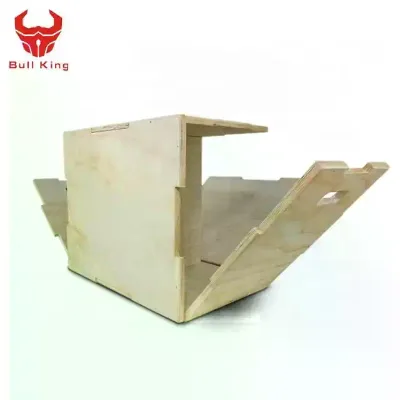
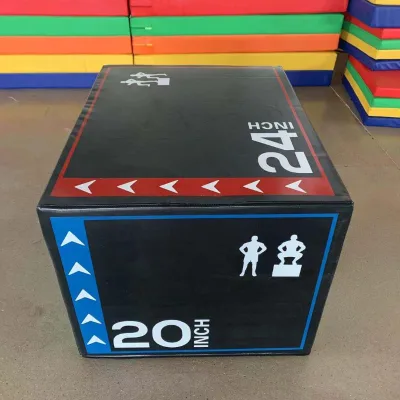
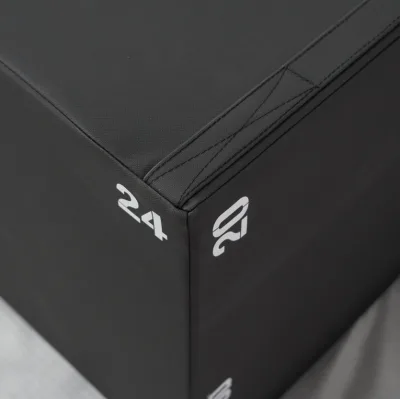
Soft Foam Plyometric Jump Box for Gym Fitness Essential Plyo Boxes
$1008.33 - $1017.50
MOQ: 1 kilograms
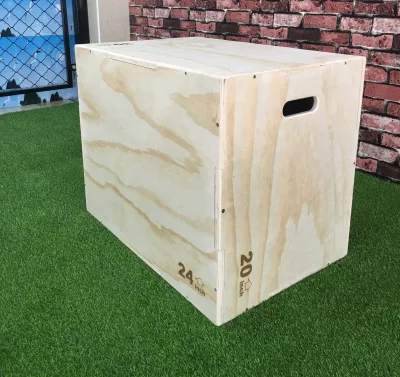
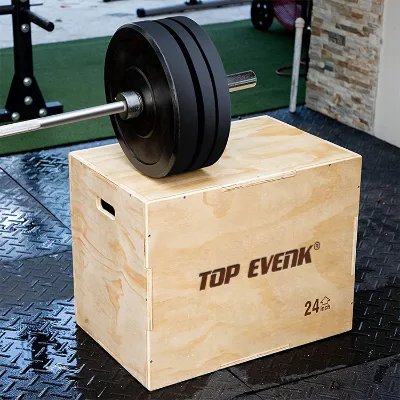
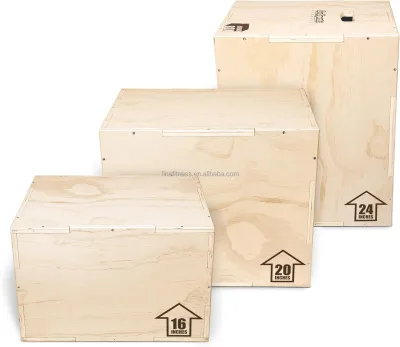
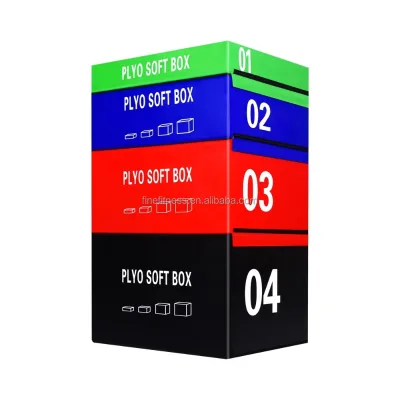
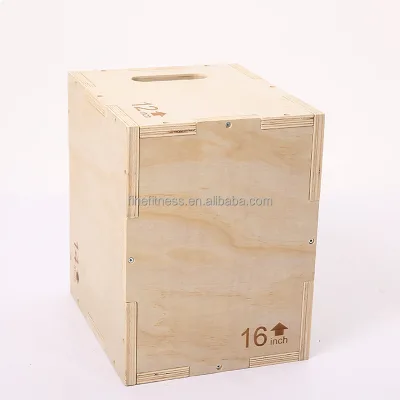
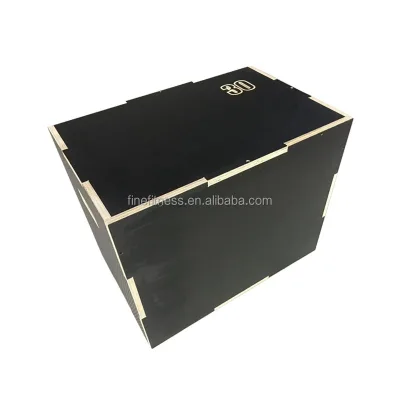
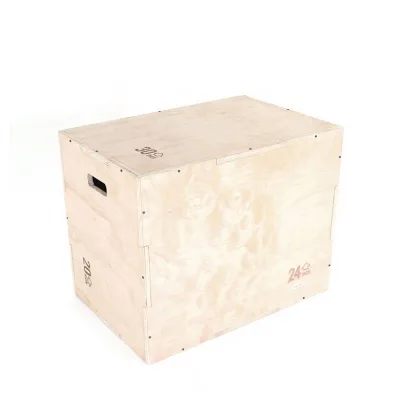
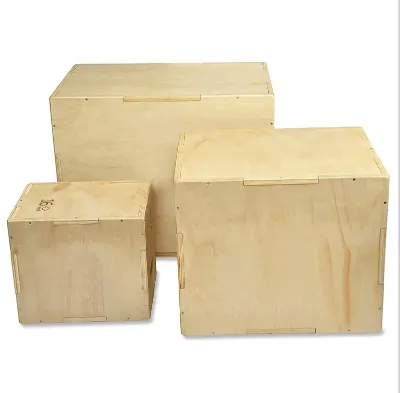
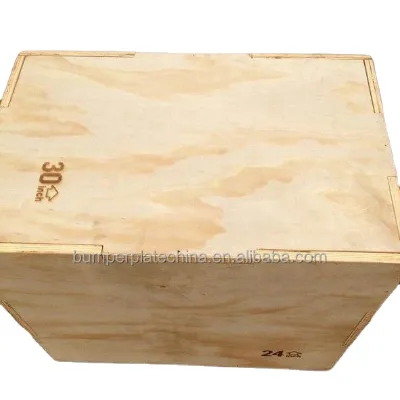
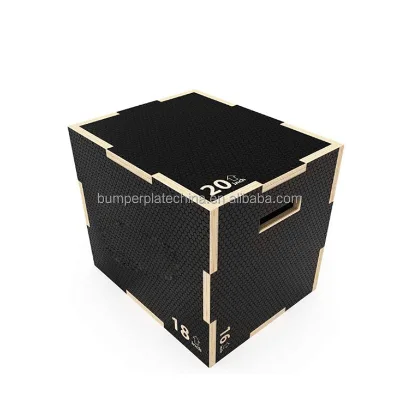
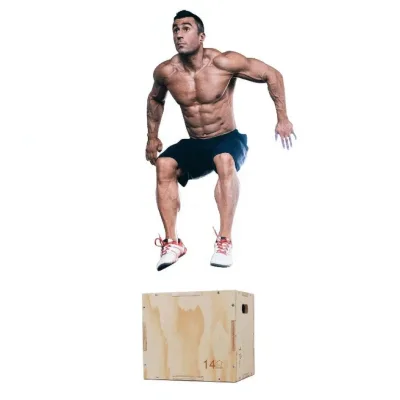
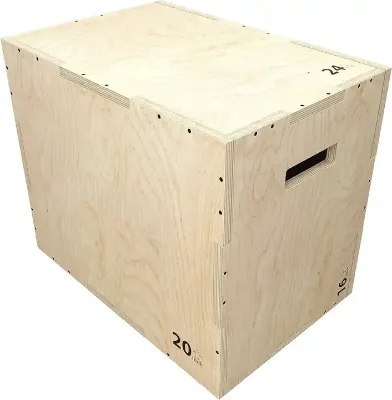
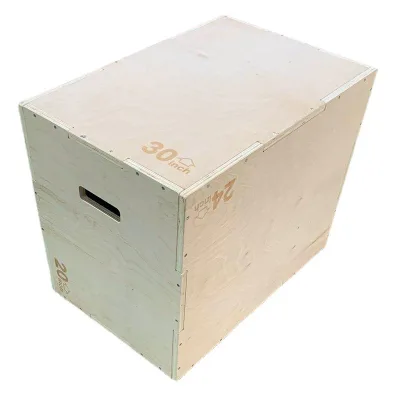
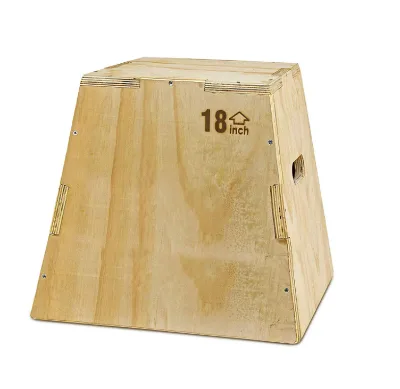
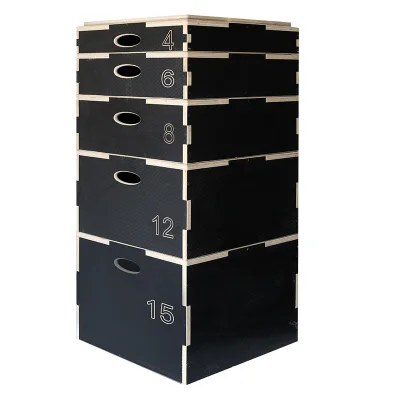
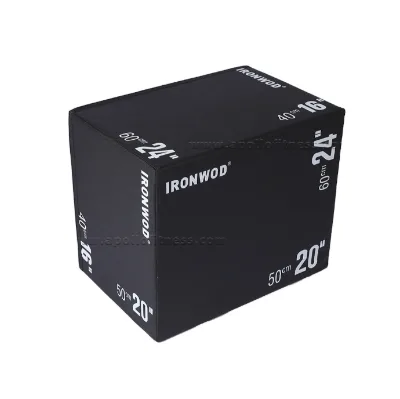
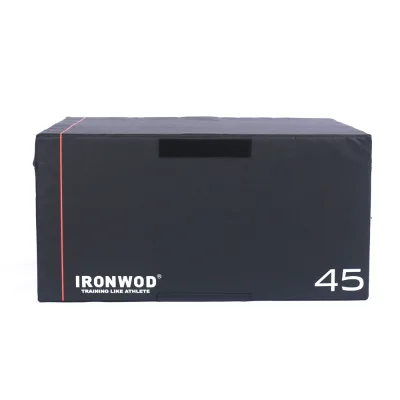
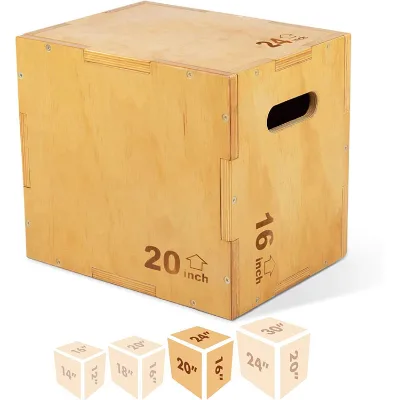
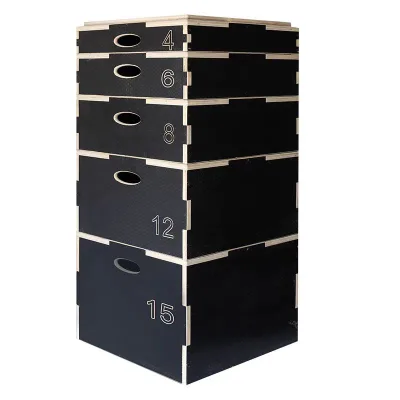
Wholesale Exercise Equipment Gymnastic Wooden 4 in 1 Plyo Box for Outdoor Indoor
$360.00 - $400.00
MOQ: 10 sets
Comprehensive Sourcing Guide
Strategic Sourcing Guide for Wooden Plyo Jump Boxes
Understanding the Product Category and Core Specifications
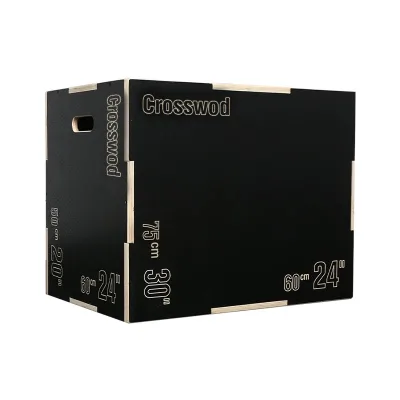
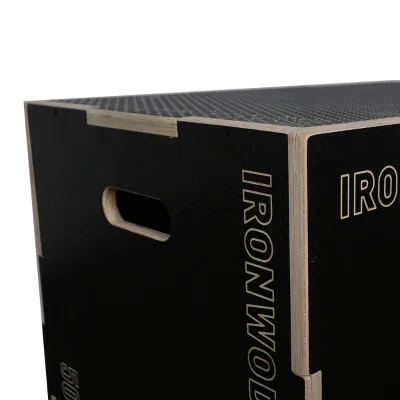
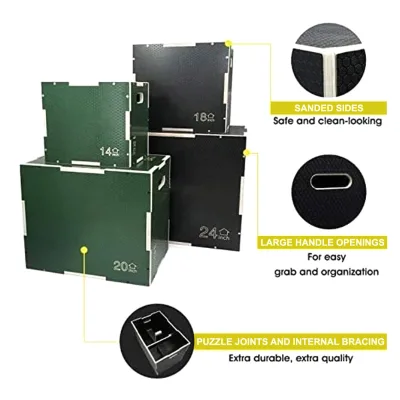
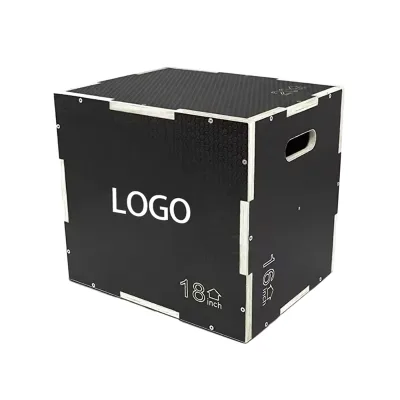
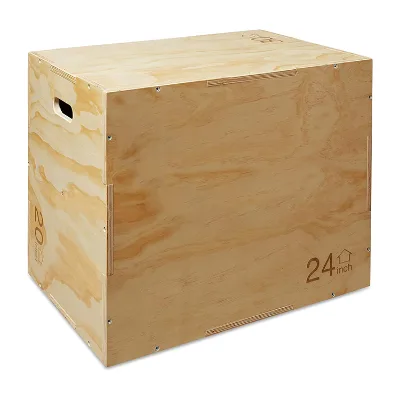
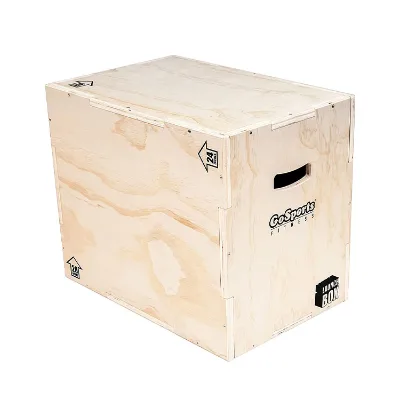
The Wooden Plyo Jump Box is a specialized piece of fitness equipment designed to facilitate plyometric training, which focuses on explosive power and vertical jump improvement. Unlike rubber or foam alternatives, wooden variants offer a rigid, stable surface that is essential for high-impact landings and precise take-off mechanics. Based on current market observations, these units are typically constructed from durable wood materials, often treated with PVC or PU leather finishes to enhance grip and longevity. The core functional attribute of these boxes is their ability to provide a consistent, non-compressible platform for athletes to jump onto and off of, directly supporting the development of jumping force.
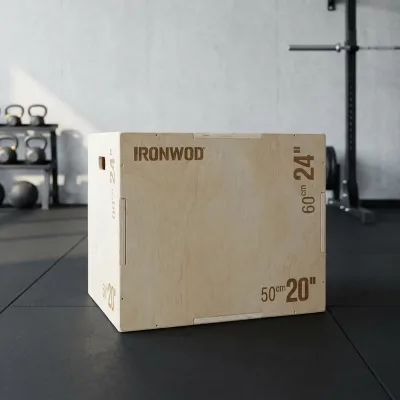
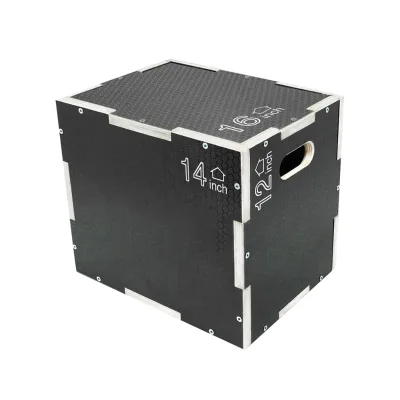
When evaluating specific product listings, buyers will encounter a variety of dimensional configurations. Standard specifications often include a size of 30 inches by 24 inches by 20 inches, catering to a wide range of training intensities. However, the market also offers units described simply as "box" or "Four Sizes," indicating that modular or multi-height options are available to suit different athlete levels. The physical footprint of a single unit can vary significantly depending on the packaging and internal structure; observed single package sizes range from approximately 50x50x25 cm to 76x61x51 cm. This variance suggests that the internal density and the robustness of the wooden frame directly influence the external dimensions. The gross weight of these items is another critical observation, with listings showing weights ranging from 1.0 kg for smaller, lighter units to 15.0 kg for more substantial, heavy-duty models. This weight difference is a primary indicator of the material density and the structural integrity of the wood used.
Compliance, Certification, and Safety Standards
In the B2B procurement of fitness equipment, verifying compliance and certification is a non-negotiable step to ensure product safety and marketability. For wooden plyo jump boxes, the supply chain often references ISO9001 certification as a baseline for quality management systems. This certification indicates that the manufacturer has established processes to maintain consistent product quality, which is particularly relevant for items that must withstand repetitive high-impact stress. While the presence of ISO9001 is a strong indicator of a structured manufacturing environment, buyers must verify that this certification applies specifically to the production facility of the plyo box in question, rather than being a generic company credential.
Beyond general quality management, the material composition of the box dictates specific safety considerations. The use of PVC and PU leather on wooden surfaces requires verification of eco-friendly standards, as some chemical treatments used in these coatings can be hazardous if not properly managed. Buyers should request documentation confirming that the materials used are eco-friendly and free from harmful volatile organic compounds (VOCs). Additionally, the "Anti-Slip" feature frequently cited in product attributes is a critical safety requirement. This feature ensures that athletes do not slip during the landing phase, which could lead to severe injury. Procurement teams should demand specific test data or material safety data sheets (MSDS) that validate the friction coefficients of the surface coating under various conditions, such as sweat or humidity. The "Durable" and "Soft" attributes often listed together suggest a balance between structural rigidity and surface comfort, a balance that must be proven through rigorous durability testing rather than assumed from marketing descriptions.
Cost Drivers and Pricing Dynamics
The pricing of wooden plyo jump boxes is influenced by a complex interplay of material costs, manufacturing complexity, and logistical factors. The observed price range in the market spans from $12 to $1,017.50 USD, a disparity that reflects the vast differences in product quality, size, and brand positioning. At the lower end of this spectrum, products may utilize lighter wood composites or thinner plywood layers, resulting in a lower unit weight and reduced durability. Conversely, the higher price points likely correspond to solid hardwood constructions, premium leather finishes, and more complex engineering that ensures stability during high-intensity training.
Material costs are a primary driver of these price variations. The shift from basic rubber or foam to wood and PU leather inherently increases the raw material expense. Furthermore, the "Customized Color" and "Customized Logo Available" options introduce additional variable costs. Manufacturers often charge a premium for custom branding and color matching, which involves setup fees and minimum order quantity (MOQ) adjustments. The packaging method also plays a significant role in the final cost. Listings indicate packaging ranging from simple polybags to complex wooden cases. The inclusion of a wooden case, while offering superior protection during transit, adds substantial material and labor costs, which are passed on to the buyer.
The MOQ is another critical cost factor. While some suppliers offer an MOQ of just 1 piece, others require orders of 50 pieces or more. Higher MOQs typically result in a lower per-unit cost due to economies of scale in production and shipping. Buyers must balance their immediate inventory needs against the potential for cost savings through larger orders. Additionally, the "Single item" selling unit suggests that some suppliers cater to individual retail purchases, while others focus on bulk commercial sales. Understanding these dynamics is essential for budgeting and negotiating effectively with potential suppliers.
Typical Applications and Functional Versatility
Wooden plyo jump boxes are versatile tools designed for a wide array of applications within the fitness and sports training sectors. Their primary application is in "Comprehensive Fitness Exercise," where they serve as a foundational tool for developing explosive power, agility, and coordination. The "Body Building" and "Bodybuilding Fitness" attributes highlight their utility in strength and conditioning programs, where athletes require a stable platform to perform box jumps, depth jumps, and lateral hops. The "Jumping Force" function is central to their design, allowing athletes to train their fast-twitch muscle fibers effectively.
These boxes are suitable for both indoor and outdoor environments, although the "Indoor" application is most common for commercial gyms and training facilities. The "Portable" feature of some models makes them ideal for mobile training setups or facilities with limited storage space. The "Wooden" material provides a natural aesthetic that fits well in high-end fitness centers, while the "Orange" or "Yellow" color options allow for easy visibility and zone differentiation in busy training areas. The "Single gross weight" of 15.0 kg for heavier models indicates that they are designed to remain stationary during intense use, preventing tipping or sliding, which is crucial for safety.
The versatility extends to different training levels. The availability of "Four Sizes" and specific dimensions like 30x24x20 inches allows coaches to program progressive training regimens. Beginners can start with lower heights to master form, while advanced athletes can utilize higher boxes to increase the intensity of their workouts. The "Anti-Slip" and "Durable" features ensure that these boxes can withstand the rigors of daily use in high-traffic environments, making them a reliable investment for gyms, schools, and professional sports teams.
Supplier Evaluation and Geographic Considerations
When evaluating suppliers for wooden plyo jump boxes, geographic origin is a significant factor in determining logistics, lead times, and potential quality standards. The majority of observed products originate from "Shandong, China" and "Jiangsu, China," two regions known for their manufacturing capabilities in fitness equipment. Shandong is particularly noted for its industrial base, while Jiangsu is recognized for its advanced manufacturing technologies. Buyers should verify the specific "Place of Origin" for each product, as regional differences can impact the quality of wood sourcing and finishing processes.
Supplier evaluation should also focus on the "Port of Loading," with "Qingdao" being a common departure point for shipments from these regions. This information is vital for calculating freight costs and estimating delivery timelines. The "Delivery Time" of 15-30 days is a standard range observed in the market, but buyers must confirm this with the specific supplier, as it can vary based on order volume and customization requirements. The availability of "Availabe Samples" is a crucial indicator of a supplier's confidence in their product quality and their willingness to engage in a thorough vetting process.
Branding is another aspect of supplier evaluation. While some products are listed under generic names like "fine" or "bullking," others carry specific brand names like "TOP EVENK." Buyers should assess whether a branded product offers better quality assurance or if a generic product provides better value. The "Logo" customization option allows buyers to align the product with their own brand identity, which is essential for private label arrangements. However, buyers must ensure that the customization process does not compromise the structural integrity or safety of the box.
Quality Control and Long-Term Procurement Strategies
Implementing a robust quality control (QC) strategy is essential for mitigating risks associated with sourcing wooden plyo jump boxes. Given the high-impact nature of the product, QC should focus on the structural integrity of the wood, the adhesion of the PVC or PU leather, and the consistency of the anti-slip surface. Buyers should request third-party inspection reports that verify the "Durable" and "Eco-Friendly" claims. These reports should include data on load-bearing capacity, surface friction, and material safety.
Long-term procurement considerations involve building a relationship with suppliers who can provide consistent quality and reliable lead times. The "Packing" methods, such as "Polybag+ctn+wooden Case," should be evaluated for their ability to protect the product during transit. Damaged goods can lead to costly returns and reputational damage, so ensuring that the packaging is robust is a key part of the procurement strategy. Additionally, buyers should consider the "Single package size" and "Single gross weight" when planning logistics and storage, as these factors impact shipping costs and warehouse efficiency.
Finally, buyers should establish clear communication channels with suppliers regarding the "Model Number" and "Product name" to avoid confusion. For example, distinguishing between a "Wood Plyo Box" and a generic "Jump box" is critical for ensuring that the correct product is delivered. By maintaining a disciplined approach to specification verification and quality assurance, buyers can secure a reliable supply of wooden plyo jump boxes that meet the rigorous demands of modern fitness training.
Comparative Analysis of Product Attributes
To assist buyers in making informed decisions, the following table summarizes key attributes observed across different product listings. This comparison highlights the variations in materials, dimensions, and features that buyers should consider when selecting a supplier.
| Attribute | Observation 1 | Observation 2 | Observation 3 |
|---|---|---|---|
| Material | Rubber | PVC, Pu Leather | Wood |
| Primary Type | Fitness | Plyo Box | Wood Plyo Boxes |
| Color Options | Yellow | Orange, Wooden | Customized Color |
| Single Package Size | 50X50X25 cm | 76X61X51 cm | 30" x 24" x 20" |
| Single Gross Weight | 1.0 kg | 15.000 kg | 1.0 kg |
| MOQ | 1 PCS | 50 Pieces | 1 PCS |
| Place of Origin | Shandong China | Jiangsu, China | Shandong |
| Key Features | Portable | Durable, Soft, Anti-Slip | Eco-Friendly, Anti-Slip |
| Certification | ISO9001 | N/A | N/A |
This table underscores the diversity in the market. Buyers must carefully match these attributes to their specific needs, ensuring that the material, size, and weight align with their training requirements and logistical capabilities. By systematically evaluating these factors, buyers can navigate the complex landscape of Wooden Plyo Jump Box sourcing with confidence and precision.
FAQs
What certifications do wooden plyo jump boxes have?
Many units carry ISO9001 certification to ensure consistent quality management during production. This standard applies to the manufacturing facility, confirming that processes maintain product stability for high-impact training.
Which materials are used to construct these boxes?
Products are typically made from wood, often finished with PVC or PU leather for durability and grip. Some variations also include rubber components, providing a stable platform for explosive jumping exercises.
Can I order a single unit with a custom logo?
Yes, suppliers offer an MOQ of 1 piece with customized logo options available for branding. This allows buyers to personalize the product even for small orders without needing bulk commitments.
How long is the delivery time for these items?
The standard delivery time ranges from 15 to 30 days depending on order volume and customization. This lead time applies to shipments originating from major manufacturing hubs in China.
What are the standard dimensions for a wooden plyo box?
Common specifications include a size of 30 inches by 24 inches by 20 inches for standard training. Other models may offer four sizes or simple box dimensions to suit different athlete levels.
Which locations manufacture these fitness equipment units?
Primary production occurs in Shandong and Jiangsu provinces in China, known for their fitness equipment manufacturing bases. Buyers should verify the specific place of origin to assess logistics and quality standards.
What is the price range for wooden plyo jump boxes?
Market prices vary significantly from 12 to 1017.5 USD based on material quality, size, and brand. Lower prices often reflect lighter composites, while higher costs indicate solid hardwood and premium finishes.