Source Wooden Storage Bedside Table for Bedroom Living Room
Compare 30 Wooden Storage Bedside Table options from verified Chinese manufacturers. Buyers can evaluate specifications like drawer count, material, and dimensions to find the right piece for home furniture needs.
Key considerations
Products List


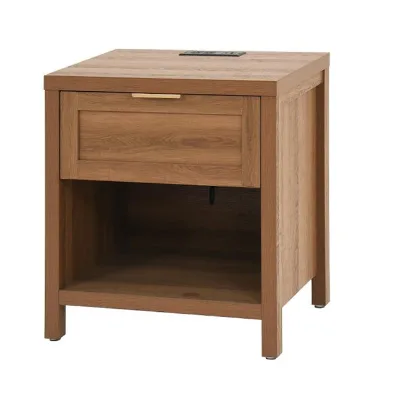


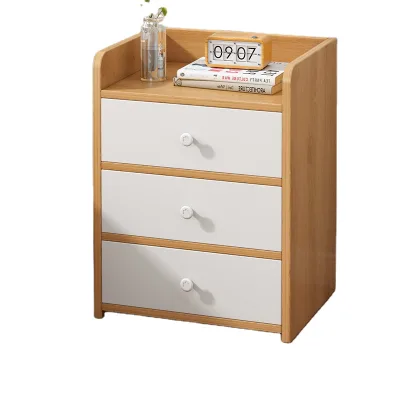


Solid Wood Nightstand Closed Storage Bedroom Side Table Furniture Bedside Table
$28.00 - $35.00
MOQ: 1 Pieces





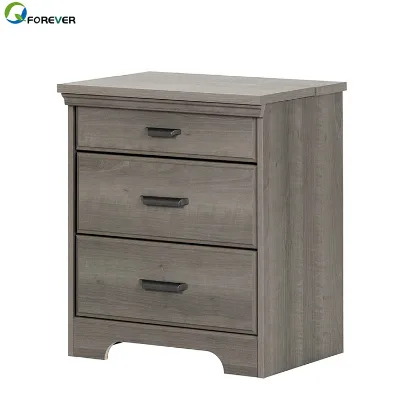


Modern Wooden Bedside Table Sleek Design with Practical Storage Solutions
$500.00 - $1500.00
MOQ: 1 Pieces

Creative Bedside Tables for Modern Bedrooms - Bedroom Furniture - Bedside Tables
$500.00 - $1500.00
MOQ: 1 Pieces


Comprehensive Sourcing Guide
Wooden Storage Bedside Table Sourcing Guide
Sourcing wooden storage bedside tables requires a careful balance between aesthetic alignment, functional utility, and supply chain reliability. These pieces serve as essential bedroom furniture, bridging the gap between decorative design and practical daily use. Buyers must navigate a market where materials range from engineered panels to solid wood, and where customization options can significantly impact lead times and unit costs. Understanding the specific construction methods and material compositions is critical for ensuring that the final product meets both brand standards and end-user expectations for durability and safety.
The procurement process involves evaluating multiple variables, including panel types, glue standards, and packaging integrity. Observed listings indicate a wide variance in product models, from modern melamine-faced units to simple natural color designs with rubber wood legs. This diversity means that a one-size-fits-all approach to supplier qualification is ineffective. Instead, buyers should develop a structured verification process that addresses material authenticity, structural stability, and compliance with relevant environmental and safety regulations before committing to large-volume orders.
Product Scope and Observed Listing Signals
The current market for wooden storage bedside tables encompasses a broad spectrum of styles and configurations, primarily targeting residential bedroom environments. Listings frequently highlight modern and simple design aesthetics, with products often featuring drawer storage for daily use. The observed product range includes items labeled as "beside tables" or "nightstands," constructed from various wood-based materials such as MDF, particle board, and solid rubber wood. These signals suggest that buyers have access to both cost-effective engineered solutions and higher-end solid wood options, depending on their target market positioning.
Material composition is a primary differentiator among suppliers, with many products utilizing melamine-faced panels for durability and ease of maintenance. Some listings specify the use of MDF, PB, MFC, or chipboard cores, which are often chosen for their stability and cost-efficiency in mass production. In contrast, other products emphasize the use of natural wood, such as rubber wood for legs, to provide a more premium feel. Buyers should carefully review these material specifications to ensure they align with their brand’s value proposition, as the choice between engineered wood and solid wood significantly affects the product’s weight, finish, and perceived quality.
Technical Specifications to Verify
Dimensional accuracy and structural integrity are paramount when sourcing bedside tables, as these items must fit seamlessly into various bedroom layouts. Standard dimensions observed in the market include heights around 500mm and widths near 340mm, though customized sizes are widely available. Buyers must verify that the listed package dimensions, such as 560mm x 490mm x 160mm or 67.5cm x 42.5cm x 19.5cm, accurately reflect the product’s footprint and height. Discrepancies between stated and actual dimensions can lead to logistical issues, including increased shipping costs due to volumetric weight calculations or customer dissatisfaction due to poor fit.
The construction method, often indicated as knock-down (K/D) assembly, plays a crucial role in both shipping efficiency and end-user experience. Buyers should confirm that the K/D design includes clear instructions and all necessary hardware to facilitate easy assembly. Additionally, the number of drawers and their sliding mechanisms should be tested for smooth operation and durability. Specifications such as the presence of a single drawer or specific storage configurations must be validated against the supplier’s actual production capabilities to ensure that the final product matches the marketing materials and customer expectations.
Compliance and Safety Documentation
Environmental compliance is a critical consideration, particularly regarding the adhesives used in wood-based furniture. Many suppliers claim to use E1, E2, or E0 grade glues, which refer to the formaldehyde emission levels of the materials. Buyers must request third-party test reports to verify these claims, as the difference between E2 and E0 represents a significant variation in indoor air quality safety. Ensuring that the furniture meets the formaldehyde emission standards of the destination market is essential to avoid regulatory hurdles and protect consumer health.
Structural safety and finish durability are also key areas for documentation. Buyers should inquire about the stability of the table, especially if it features a high center of gravity or multiple drawers. While specific test results are not provided in general listings, reputable suppliers should be able to provide data on load-bearing capacity and drawer slide durability. Additionally, the finish, such as melamine facing, should be checked for resistance to scratches and moisture. Documentation confirming the quality of the finish and the structural integrity of the joints will help mitigate risks associated with product returns and warranty claims.
Cost Drivers and Commercial Terms
Pricing for wooden storage bedside tables varies widely, with observed ranges spanning from low-cost engineered options to premium solid wood designs. The minimum order quantity (MOQ) is another significant factor, with some suppliers requiring orders as low as one unit for sampling, while others may have MOQs up to 580 units for production runs. Buyers should negotiate MOQs based on their inventory needs and cash flow constraints, keeping in mind that lower MOQs often come with higher per-unit costs. Understanding the cost structure, including material, labor, and packaging, helps in evaluating the competitiveness of supplier quotes.
Packaging and logistics costs are substantial components of the total landed cost. Standard packaging often includes five-layer brown cartons with angle protection or double corrugated cartons with foam padding to prevent damage during transit. Buyers should verify that the packaging is robust enough to withstand international shipping, as damage rates can significantly impact profitability. Additionally, the weight of the product, such as a single gross weight of 14.000 kg, affects shipping costs. Optimizing packaging dimensions and weight can lead to significant savings in freight charges, especially for bulk orders.
Supplier Qualification and Quality Control
Supplier location and manufacturing capability are key indicators of reliability. Many suppliers are located in regions known for furniture manufacturing, such as Shandong and Fujian provinces in China. Buyers should verify the factory’s production capacity and quality control processes to ensure consistent output. Visiting the factory or conducting third-party audits can provide insights into the supplier’s operational efficiency, workforce training, and adherence to quality standards. This due diligence helps in identifying suppliers who can meet volume requirements without compromising on quality.
Quality control measures should be established before production begins, including pre-production sample approvals and in-process inspections. Buyers should define clear acceptance criteria for materials, dimensions, and finish quality. Implementing a random sampling plan for final inspections can help detect defects before shipment. Additionally, establishing a clear communication channel for addressing quality issues is essential. Suppliers who proactively engage in quality improvement and are transparent about their processes are more likely to deliver products that meet the buyer’s standards.
Long-Term Procurement Checks
Building a sustainable supply chain requires ongoing monitoring of supplier performance and market trends. Buyers should regularly review supplier delivery times, product quality, and responsiveness to issues. Establishing key performance indicators (KPIs) such as on-time delivery rate and defect rate can help in objectively assessing supplier performance. Regular feedback loops with suppliers can drive continuous improvement and strengthen the business relationship. This proactive approach ensures that the supply chain remains resilient and adaptable to changing market demands.
Product lifecycle management is also important for long-term success. Buyers should monitor customer feedback and return rates to identify any recurring issues with the bedside tables. This information can be used to refine product specifications and improve future orders. Additionally, staying informed about changes in material costs, regulatory requirements, and design trends can help buyers make informed decisions about product updates and sourcing strategies. By maintaining a strategic focus on quality and compliance, buyers can ensure the long-term viability and profitability of their Wooden Storage Bedside Table offerings.
FAQs
What customization options are available for wooden storage bedside tables?
Customization is available for these bedroom furniture pieces to meet specific buyer needs. The products feature panel styles like MDF or chipboard and can be customized with different glue standards such as E1, E2, or E0 to ensure safety and compliance.
Which materials are used to construct these wooden bedside tables?
These tables are primarily made from wooden materials with rubber wood used for the legs. The main body often utilizes panel types like MDF, PB, MFC, or chipboard, which are then faced with melamine for durability and a natural color finish.
How are these bedroom furniture items packaged for shipping?
Packaging varies by model but generally includes standard five-layer brown cartons with angle protection or double corrugated cartons with six-sided foam. Some units are shipped in standard cartons designed to protect the K/D structure during transit.
What is the warranty period for these nightstand products?
The warranty period for these products ranges from 3 to 5 years depending on the specific model and usage conditions. This coverage applies to the general use of home furniture and ensures reliability for daily storage needs in bedrooms.
Can I find bedside tables with specific drawer storage configurations?
Yes, specific models are designed with drawer storage, such as those featuring one drawer for daily use. These units often come in modern or simple styles and are available in various dimensions to fit different bedroom layouts.
Where are these wooden storage bedside tables manufactured?
These products originate from factories located in Shandong Province and Fujian Province in China. Specific manufacturing sites include Shouguang City in Shandong, ensuring a consistent supply chain for global buyers seeking wooden bedroom furniture.
What are the standard dimensions for these nightstand models?
Standard dimensions vary by model, with common sizes including 500mm by 340mm by 350mm or 430mm by 360mm by 710mm. Customized sizes are also available to accommodate specific space requirements in residential or commercial bedroom settings.