Source Wooden Stick Threading Machine for Nail, Handle, and Thread Production
Compare 30 wooden stick threading machines from verified suppliers in China. These units feature manual and CNC controls, varying spindle layouts, and capacities up to 15m/min for shaping round rods into nails, handles, and threaded sticks; compare the available evidence and request quotations based on your requirements.
Key considerations
Products List

Wooden Dowel Rod Stick Machine / Round Wooden Dowel Sticks Making Machine
$875.00 - $1137.00
MOQ: 1 set


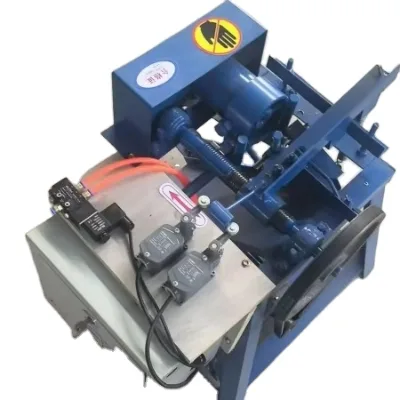


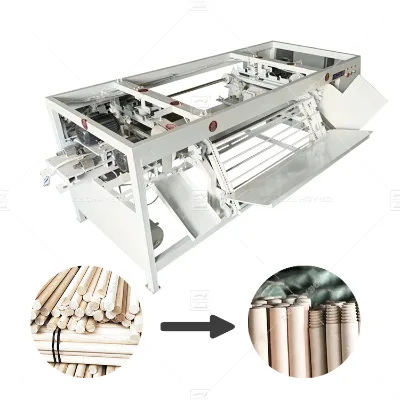

Wooden Stick Thread Machine Auto Rod Threading and Dome Machine for Broom Rod Production
$4000.00 - $5000.00
MOQ: 1 Pieces


Wood Stick Cutting Machine Wood Rod Rolling Machine Broom Stick Threading Machine
$600.00 - $1800.00
MOQ: 1 Sets

Wood Sticks Cutting Machine Wooden Rod Threading Machine with High Efficiency
$600.00 - $1800.00
MOQ: 1 Sets

Bar Tapping Machine Stick Diehead Threading Machine Wood Stick Making Machine
$600.00 - $1800.00
MOQ: 1 Sets

Bamboo Stick Cutting Machine Thread Roller Machine Wood Round Stick Making Machine
$600.00 - $1800.00
MOQ: 1 Sets

Wooden Broom Handle Threading Round Wood Rod Threader Wood Round Rod Machine
$600.00 - $1800.00
MOQ: 1 Sets


Comprehensive Sourcing Guide
Wooden Stick Threading Machine Sourcing Guide
Buyers evaluating wooden stick threading machines must first distinguish between manual and automated feed systems, as the observed market data reveals a clear split between single-spindle manual units and double-spindle CNC-controlled models. The manual variants typically feature a 0.75kw power rating and a capacity of 2.5m/min, suitable for smaller batch production or specific shaping tasks where round rods are converted into wooden nails. In contrast, the automated options offer significantly higher throughput with feed speeds ranging from 3 to 30m/min and power ratings up to 12.1KW, catering to high-volume manufacturing environments requiring consistent output.
When assessing the physical footprint and operational requirements, procurement teams should note the substantial variance in machine dimensions and weight across different configurations. The smaller manual units occupy a standard of approximately 400300750mm and weigh around 90kg, making them easier to install in compact workshops. Conversely, the larger CNC models can reach dimensions of 13509501200mm with a weight of 480kg, necessitating reinforced flooring and dedicated power infrastructure. Understanding these physical constraints is essential before finalizing a purchase to ensure the equipment fits the intended facility layout.
Product Scope and Observed Listing Signals
The current market listings for wooden stick threading machines indicate a price range between 600 and 5500 USD, reflecting the diversity in automation levels and spindle configurations available to buyers. This wide spectrum suggests that cost is heavily influenced by the complexity of the control system, with manual feed models occupying the lower end and CNC-controlled units commanding premium prices due to their advanced capabilities. Buyers should expect that the minimum order quantity is consistently one unit, allowing for flexible procurement strategies without the need for bulk purchasing commitments.
Observations of product attributes reveal that customization is a standard offering, with many suppliers providing options to tailor the machine to specific production needs. The listings frequently highlight the condition as new and the packaging as fumigation-free wooden boxes or cases, ensuring safe transport and compliance with international shipping standards. While the core function remains the threading or shaping of wooden sticks, the specific applications vary from simple nail shaping to complex handle threading, requiring buyers to carefully match the machine's functional description to their exact production requirements.
Technical Specifications to Verify
Procurement professionals must rigorously verify the spindle layout and number, as the market data shows distinct configurations including single-spindle vertical setups and double-spindle horizontal arrangements. The vertical single-spindle models are often paired with manual feed modes and lower power ratings, whereas the horizontal double-spindle variants frequently integrate CNC controlling modes and higher spindle speeds up to 8500r/min. Confirming the exact spindle velocity and layout is critical, as these factors directly impact the machine's ability to handle different rod diameters and achieve the desired cutting precision for specific wood types.
Buyers should also scrutinize the electrical specifications and motor power ratings to ensure compatibility with their existing facility infrastructure. The observed voltage requirements vary between 220v and 380V, with power consumption ranging from 0.75kw for basic units to 12.1KW for heavy-duty CNC machines. Additionally, the feed motor power and first axis motor specifications, such as 1.1kw and 5.5kw respectively, must be validated against the intended production speed, which can range from 5-20m/min to 6-30m/min depending on the model. Mismatching these electrical parameters can lead to operational failures or the need for costly infrastructure upgrades.
Compliance and Safety Documentation
Safety and regulatory compliance are paramount when sourcing industrial machinery, and the available data confirms that CE certification is a standard attribute for the listed wooden stick threading machines. This certification indicates that the equipment meets essential health, safety, and environmental protection requirements for the European market, which is a crucial benchmark for international buyers. However, buyers should not assume that all listed units automatically possess this status without verification, as certification claims must be supported by valid documentation provided by the manufacturer or supplier.
Beyond general certifications, specific documentation such as machinery test reports and warranty terms should be explicitly requested to ensure long-term operational reliability. The observed listings mention a one-year warranty and the provision of machinery test reports, which serve as evidence of the machine's performance and safety under standard operating conditions. Buyers must ensure that these documents are included in the final contract and that the warranty covers core components like the motor, which is frequently listed as a critical part of the threading mechanism.
Cost Drivers and Commercial Terms
The total cost of ownership for wooden stick threading machines is driven by several key factors, including the level of automation, power consumption, and the complexity of the control system. While the base price range is observed between 600 and 5500 USD, the actual investment required will depend on whether the buyer selects a manual unit with a 0.75kw motor or a high-performance CNC model with a 12.1KW power rating. Additional costs may arise from the need for specialized power adapters or infrastructure modifications to accommodate the varying voltage requirements of 220v versus 380V systems.
Commercial terms such as packaging and shipping logistics also play a significant role in the final procurement cost, with most suppliers utilizing fumigation-free wooden boxes or cases for protection. The standard packaging ensures that the machine arrives in new condition, but buyers should verify if the packaging dimensions align with their shipping constraints, especially for larger units with standard sizes of 13509501200mm. Furthermore, the availability of customization options may introduce variable costs, so it is essential to clarify the pricing structure for any tailored features before finalizing the order.
Supplier Qualification and Quality Control
Supplier qualification should focus on verifying the place of origin and the specific manufacturing capabilities of the vendor, as the data indicates a concentration of production in Henan, China. Buyers should confirm that the supplier has a proven track record in producing wooden stick threading machines and can provide evidence of their manufacturing capacity to meet demand. The presence of a brand name like Shangjia on some listings suggests that established manufacturers are active in this sector, but buyers must independently validate the reputation and reliability of the specific supplier they choose to engage with.
Quality control measures must be integrated into the procurement process, particularly regarding the core components and the overall build quality of the machine. Since the motor is listed as a core component, buyers should request detailed specifications and performance data for this part to ensure it meets the required power and speed standards. Additionally, the provision of machinery test reports should be treated as a mandatory requirement, serving as a third-party verification of the machine's functionality and safety before it leaves the factory.
Long-Term Procurement Checks
Sustainable procurement requires establishing clear protocols for long-term maintenance and support, including the verification of warranty terms and the availability of spare parts. The observed one-year warranty period provides a baseline for protection, but buyers should negotiate extended coverage for critical components like the motor and spindle to mitigate the risk of unexpected downtime. Ensuring that the supplier offers technical support and training is also vital, especially for complex CNC models that require specialized knowledge to operate effectively and maintain optimal performance.
Buyers must also plan for the lifecycle of the machine by assessing its adaptability to future production needs and potential upgrades. The ability to customize the machine and the availability of different spindle layouts suggest that some models can be adapted for new product lines, but this flexibility should be confirmed during the initial sourcing phase. Regular performance reviews and adherence to the specified standards, such as the 400300750mm or 13509501200mm dimensions, will help ensure that the equipment continues to meet production targets and safety regulations over its operational lifespan.
FAQs
What is the power consumption of a Wooden Stick Threading Machine?
The power consumption varies by model, typically ranging from 0.75kw for basic units to 12.1kw for high-capacity CNC versions. Lower power models suit small workshops, while higher power machines handle faster feeding speeds up to 20m/min. Always verify the voltage requirements, which are often 220v or 380V, to ensure compatibility with your facility's electrical infrastructure before purchase.
Can a Wooden Stick Threading Machine be customized for specific needs?
Yes, customization is available for many wooden stick threading machines to meet specific production requirements. Buyers can often specify dimensions, spindle layouts, or control modes like CNC. This flexibility allows manufacturers to tailor the equipment for unique rod shapes or threading patterns. Confirm available customization options with the supplier to ensure the machine aligns with your exact operational standards and output goals.
What certifications do wooden stick threading machines typically have?
Many wooden stick threading machines carry CE certification, indicating compliance with European health, safety, and environmental protection standards. This certification is crucial for importing machinery into many international markets. Buyers should request the machinery test report and certification documents from the supplier to verify authenticity. Ensuring proper certification helps avoid regulatory hurdles and ensures the equipment meets recognized industrial safety benchmarks.
How fast can a Wooden Stick Threading Machine operate?
Operating speeds vary significantly based on the machine model and configuration. Basic units may run at capacities around 2.5m/min, while advanced CNC models can achieve speeds up to 15m/min or spindle velocities of 8500r/min. The feeding speed is also adjustable, often ranging from 3 to 30 m/min depending on the material and desired thread precision. Check specific model specs for exact performance metrics.
What is the typical weight and size of these machines?
The weight and dimensions depend on the specific model, ranging from lightweight units around 90kg to heavy industrial machines weighing up to 480kg. Standard dimensions might be approximately 400*300*750mm for smaller units, while larger CNC models can measure 1350*950*1200mm. These physical attributes affect installation requirements and floor space planning. Always verify the standard packaging size to ensure safe transport and proper facility setup.
What is the warranty period for a Wooden Stick Threading Machine?
The standard warranty period for these machines is typically one year. This coverage usually includes core components like the motor and provides support for mechanical issues arising during normal operation. Buyers should confirm the specific warranty terms with the supplier, including what parts are covered and the process for claiming service. A clear warranty agreement ensures long-term reliability and minimizes downtime costs for your production line.