Source Wooden Umbrella Yarn Ball Winder for Knitting
Explore 30 listings for the Wooden Umbrella Yarn Ball Winder to compare models like UYW-001 and NYW-002. Buyers can evaluate materials, sizes, and customization options from verified Chinese manufacturers; compare the available evidence and request quotations based on your requirements.
Key considerations
Products List


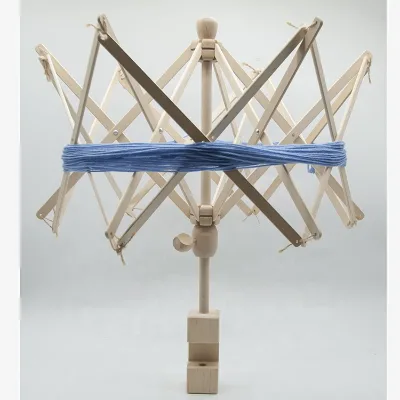
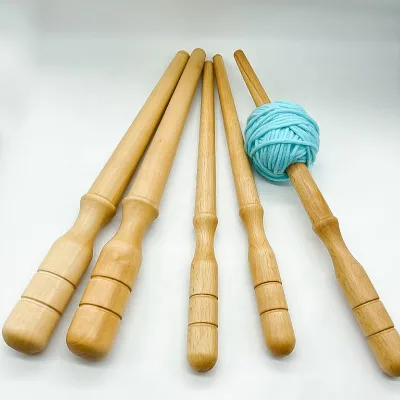


Factory Supplied Multi Heads Wool Yarn Winder Rope Ball Winding Machine
$4800.00 - $30000.00
MOQ: 1 Pieces

Customized Crossed Woolen Yarn Ball Winder Machine with Rotation Counting
$4800.00 - $30000.00
MOQ: 1 Pieces

10 Heads Twine Ball Yarn Winding Machine/Thread Ball Making Machine /Cotton Yarn Ball Winder
$4800.00 - $30000.00
MOQ: 1 Pieces


Merino Wool Roving Ball Winder with Customized Rotation Counting Counter
$4800.00 - $30000.00
MOQ: 1 Pieces


Cnrmball Winder Spindle High Speed Automatic Crochet Hand Knitting Wool Ball Winder
$17500.00 - $18000.00
MOQ: 1 set


Hot Sale High Efficiency 4 Heads-20 Heads 100% Acrylic Beautiful Knitting Acrylic Yarn Ball Winder
$4500.00 - $9500.00
MOQ: 1 set

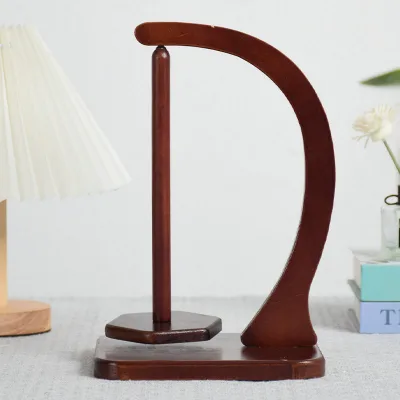
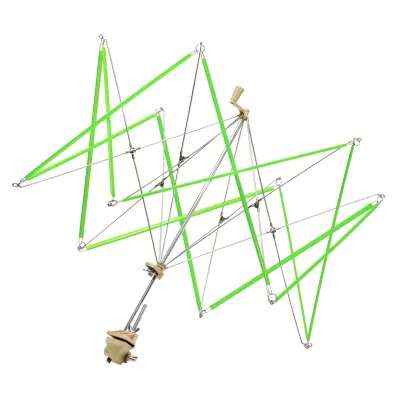


Comprehensive Sourcing Guide
Wooden Umbrella Yarn Ball Winder Sourcing Guide
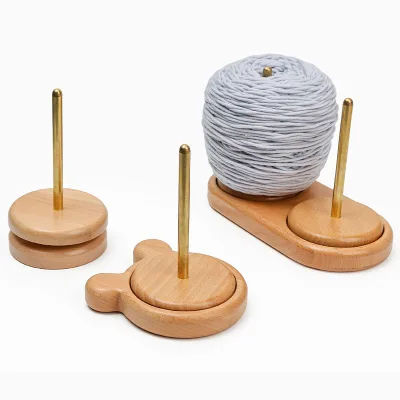
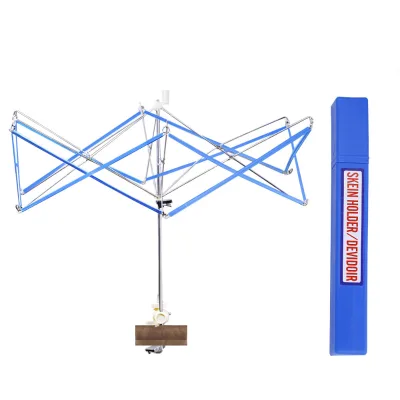
Buyers seeking wooden umbrella yarn ball winders must first distinguish between manual hand-cranked units and automated industrial systems, as the supplied data confirms a strong presence of manual models like the UYW-001. These devices are primarily designed for small-scale knitting projects where the user manually rotates the handle to wind yarn into a neat ball. The observed product attributes indicate that these tools are often constructed from natural wood, such as beech, offering a traditional aesthetic that appeals to crafters who value durability and tactile feedback during the winding process.
When evaluating listings, procurement teams should note that customization options are frequently available, allowing buyers to request specific patterns or branding on the wooden components. The observed listings show that while some units are sold as single items, others require minimum order quantities of ten pieces or more, depending on the specific model and material composition. Understanding these variations is critical for aligning inventory needs with production schedules, especially since delivery times can range from five to twenty-five days based on the supplier's location and current order volume.
Product Scope and Observed Listing Signals
The market for wooden yarn winders includes distinct variations in size and weight, with observed models ranging from lightweight 45-gram units to heavier 95-gram versions designed for different yarn thicknesses. Buyers should verify the specific dimensions, as some products measure approximately 30 centimeters in length while others have compact profiles like 19 by 8 centimeters. These physical differences directly impact portability and storage, making it essential to match the product size to the intended usage environment, whether for a home studio or a larger workshop setting.
Listing signals also reveal a mix of packaging standards, with some items shipped in simple kraft boxes while others arrive in colorful retail packaging. The presence of specific model numbers like NYW-001 and Dec1211-11 suggests a diverse catalog where each SKU may have unique features or material compositions. Procurement specialists must carefully cross-reference these identifiers to ensure they are sourcing the exact configuration required, as the difference between a plastic and a wooden unit can significantly alter the final product's performance and perceived value.
Technical Specifications to Verify
Technical verification begins with confirming the material composition, as the supplied facts explicitly mention beech wood and plastic as primary construction materials for different models. Buyers must ensure that the wooden components are treated to prevent splintering and that any metal parts, such as the central spindle, are corrosion-resistant to maintain smooth operation over time. The observed weight specifications, ranging from 45 grams to over 400 grams, serve as a proxy for build quality, with heavier units often indicating more robust construction suitable for frequent use.
Dimensional accuracy is another critical specification, with observed sizes varying from 8.5 by 28 centimeters to larger 43 by 43 centimeter packages. These measurements affect the maximum yarn ball diameter the winder can accommodate, which is a key performance metric for users winding large skeins. Additionally, the smoothness of the rotation mechanism is a vital feature to test, as friction can lead to uneven winding or yarn breakage. Buyers should request detailed dimension sheets to confirm that the product fits within their designated workspace and meets the specific capacity requirements of their production line.
Compliance and Safety Documentation
While the supplied data does not list specific safety certifications, buyers must verify that wooden products comply with relevant international safety standards regarding finish and chemical treatment. Since these tools are often handled directly by users, it is imperative to confirm that the wood is free from harmful preservatives or toxic varnishes that could cause skin irritation or allergic reactions. Procurement teams should request material safety data sheets (MSDS) or declarations of conformity to ensure the product meets the safety regulations of the destination market, particularly for children's craft kits or commercial textile workshops.
Documentation regarding the origin of the wood is also essential for supply chain transparency and sustainability compliance. The observed listings indicate origins in China and Jiangsu, regions known for specific woodworking industries, but buyers should verify that the timber is sourced from sustainable forests. Ensuring that the supplier can provide proof of legal harvesting and processing helps mitigate risks associated with environmental regulations and trade barriers. Without this documentation, buyers may face delays or penalties if the product fails to meet the import requirements of their target region.
Cost Drivers and Commercial Terms
Cost structures for wooden yarn winders are influenced by material selection, with beech wood generally commanding a higher price point than plastic alternatives due to its durability and aesthetic appeal. The observed price range of 3.6 to 30,000 USD suggests a vast disparity between basic hand tools and potentially bulk industrial setups or highly customized units. Buyers must analyze the unit price against the minimum order quantity, as the data shows MOQs ranging from single items to 100 pieces, which significantly impacts the average cost per unit for smaller orders.
Commercial terms such as delivery time and packaging requirements also play a crucial role in the total cost of ownership. The observed lead times vary from five to twenty-five days, meaning that rush orders may incur additional shipping fees or require expedited production slots. Furthermore, the choice between kraft box and color box packaging affects both the retail presentation and the shipping weight, which influences freight costs. Buyers should negotiate clear terms regarding these variables to avoid unexpected expenses and ensure that the final landed cost aligns with their budget constraints.
Supplier Qualification and Quality Control
Supplier qualification should focus on their ability to maintain consistent quality across batches, as the observed data indicates multiple models with similar names but different specifications. Buyers must verify that the supplier has a robust quality control process to ensure that every wooden unit meets the stated weight and dimension tolerances. The presence of OEM services suggests that suppliers are capable of customizing products, but this capability must be backed by strict quality checks to prevent defects in the finished goods.
Quality control protocols should also include testing for mechanical smoothness and structural integrity, as these are key performance indicators for yarn winders. Buyers should request sample units to test the rotation mechanism and check for any rough edges or loose parts before committing to a large order. Establishing a clear communication channel for reporting defects and resolving issues is essential, especially when dealing with international suppliers where language barriers or time zone differences might complicate the resolution process.
Long-Term Procurement Checks
Long-term procurement success depends on maintaining a reliable supply chain that can adapt to changing demand and product specifications. Buyers should regularly review supplier performance metrics, such as on-time delivery rates and defect rates, to ensure that the partnership remains productive. The observed variation in delivery times and MOQs highlights the need for flexible contracts that allow for adjustments in order volume without compromising the supply schedule or product quality.
Continuous improvement initiatives should also be part of the long-term strategy, encouraging suppliers to innovate in materials and design to enhance product performance. Buyers can leverage their purchasing power to request updates on new models or improvements in existing lines, such as enhanced smoothness or more durable finishes. By fostering a collaborative relationship with suppliers, buyers can ensure a steady flow of high-quality wooden yarn winders that meet the evolving needs of their customers and maintain a competitive edge in the market.
FAQs
What materials are used for wooden yarn winders?
Wooden yarn winders are typically crafted from beech wood to ensure durability and smooth operation. Some models feature a natural wood color finish, while others may include plastic components for specific parts. The material choice supports a smooth winding experience for knitters.
How much does a wooden yarn winder weigh?
The weight of these winders varies by model, with some lightweight options weighing around 45 grams or 95 grams. Heavier units may reach up to 40.95 grams or 50 grams depending on the specific design and material composition. Always check the single gross weight for shipping calculations.
Can I customize the pattern on the winder?
Yes, customization is available for many wooden yarn winder models, with customized patterns welcome upon request. Buyers can often select specific designs or request OEM services to tailor the product to their brand needs. This flexibility allows for unique branding on standard knitting tools.
What is the delivery time for these winders?
Delivery times generally range from 5 to 7 days for standard orders, though some customized batches may take 15 to 25 days. The specific lead time depends on the order volume and whether the product requires special packaging or processing. Buyers should confirm the exact timeline with the supplier.
Which models are available for plastic yarn winders?
Plastic hand yarn ball winders are available in various models such as NYW-001 and YBW-001B, often coming in blue, red, or white colors. These units typically feature convenient designs and come in color boxes or kraft boxes. They serve as practical alternatives to wooden versions for different user preferences.
What is the minimum order quantity for these items?
The minimum order quantity varies significantly, with some suppliers requiring as few as 10 pieces while others may ask for 100 pieces. Specific models like the wooden winder might have an MOQ of 100 pieces, whereas other variants could start at 10. Buyers must verify the MOQ for their selected model.
How are the winders packaged for shipping?
Packaging options include kraft boxes, color boxes, or individual single item packaging depending on the specific product model. Some units are packed as one piece per kraft box, while others may come in larger batches with specific package sizes. The packaging ensures the product remains secure during transit.