Source Wooden Wunda Chair Pilates Reformer for Studios
Find and compare 30 Wooden Wunda Chair Pilates Reformer options from verified manufacturers. Evaluate specifications like CE certification, manual power sources, and custom logo availability for home gyms, studios, and community centers.
Key considerations
Products List


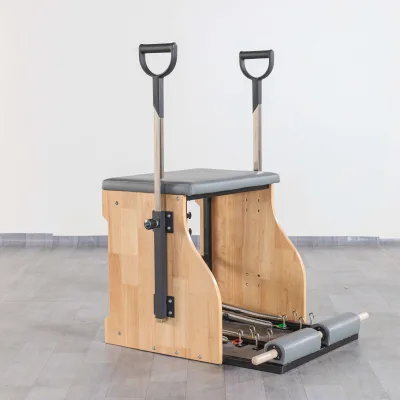
Wood Pilates Reformer Yoga Pilates Combo Chair Removable Reformer Gym Wunda Pilates Chair
$129.90 - $149.90
MOQ: 50 Pieces


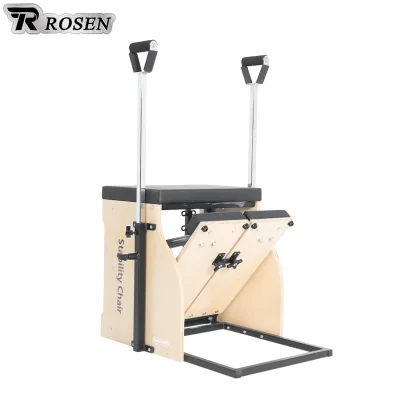
Premium Quality Pilates Reformer Equipment Maple Wood Pilates Stable Wunda Chair
$260.00 - $310.00
MOQ: 1 Pieces

Factory Body Balanced Training Walnut Pilates Reformer Wunda Chair with High Quality
$750.00 - $790.00
MOQ: 1 Pieces

Black Classical Pilates Reformer Wunda Chair for Home and Commercial Use
$235.00 - $250.00
MOQ: 1 Pieces

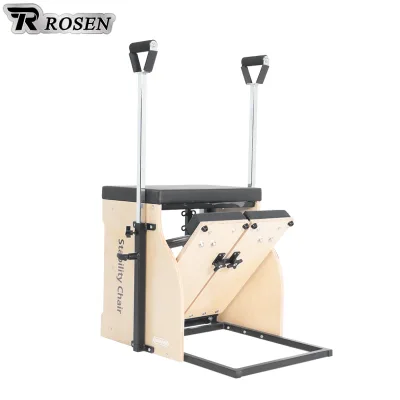
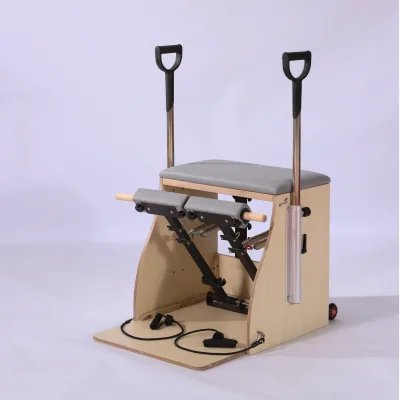
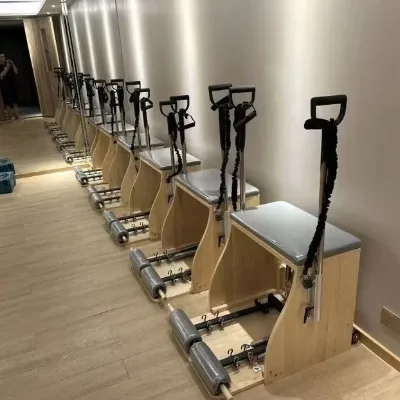


Wholesale Multi-Functions Pilates Machine Wunda Chair Pilates Reformer Chairs
$255.00 - $310.00
MOQ: 1 Pieces


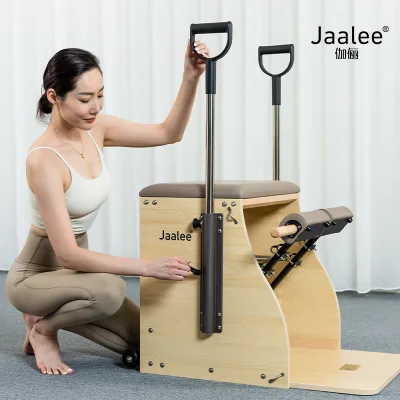


Factory Supply Studio Use Yoga Fitness Wunda Pilates Chair with Handles
$250.00 - $290.00
MOQ: 1 Pieces

Comprehensive Sourcing Guide
Wooden Wunda Chair Pilates Reformer Sourcing Guide
Sourcing wooden Wunda chair and Pilates reformer equipment requires a disciplined approach to verifying material integrity, mechanical stability, and compliance with international safety standards. These pieces of apparatus are foundational to studio operations, demanding rigorous inspection of joinery, spring tension, and surface finishes to ensure longevity and user safety. Buyers must navigate a market where specifications vary significantly between manufacturers, often obscuring critical details about load capacity, wood species, and component durability. This guide provides a structured framework for evaluating suppliers, interpreting technical data, and securing contracts that protect your investment in high-quality fitness infrastructure.
The procurement process for these specialized items hinges on distinguishing between generic listings and verified production capabilities. While many suppliers offer customization options, including OEM logos and specific packaging configurations, the underlying construction quality remains the primary determinant of value. Buyers should focus on tangible evidence of manufacturing precision, such as consistent dimensional tolerances and robust warranty terms, rather than relying solely on marketing descriptions. By aligning observed product attributes with trusted category knowledge, purchasers can mitigate risks associated with substandard materials or incomplete assembly instructions, ensuring that the final delivered equipment meets the exacting demands of professional Pilates instruction.
Product Scope and Observed Listing Signals
The current market landscape for wooden Pilates apparatus reveals a diverse range of models, each with distinct dimensional and weight characteristics that influence logistics and studio placement. Observed listings indicate a price range between $129 and $790 USD, reflecting variations in material quality, component complexity, and brand positioning. Minimum Order Quantities (MOQs) typically span from 1 to 50 units, allowing both individual studio owners and large-scale distributors to procure equipment without excessive inventory commitment. These commercial signals suggest a flexible supply chain, yet buyers must carefully correlate price points with specific model numbers and packing specifications to avoid misalignment between budget and expected quality.
Specific product models highlight the variability in design and construction among available options. For instance, the LH-B020 model features a product size of 7106101100mm and is packaged in a wooden box measuring 860680710mm, with a gross weight of 37kg and a net weight of 32kg. In contrast, the BP-FR876 model, identified as a Pilates Chair, has a net weight of 40kg and a gross weight of 56kg, packed in a polybag, carton, and wooden case combination. The G-PR025 Pilates Reformer presents a different profile with a net weight of 35kg and a gross weight of 50kg, while the MC-1002 model, constructed from maple wood, exhibits a significantly higher single gross weight of 122.000 kg and a single package size of 245X80X48 cm. These discrepancies underscore the necessity of verifying exact specifications for each SKU before finalizing orders.
Technical Specifications to Verify
Dimensional accuracy and structural integrity are paramount when evaluating wooden Pilates equipment, as even minor deviations can affect exercise efficacy and user safety. Buyers must verify that the stated product dimensions align with the physical footprint required in their studio layout, considering not only the equipment itself but also the necessary clearance for safe movement. The observed specifications, such as the 756961cm standard for the BP-FR876 and the 78.55060cm standard for the G-PR025, provide a baseline for spatial planning. However, it is crucial to confirm whether these measurements include protruding elements like footbars, springs, or adjustable straps, which can impact the actual space required for installation.
Material composition and component quality directly influence the durability and performance of the apparatus. The MC-1002 model, for example, is specified as being made from maple wood, a material known for its strength and resistance to wear, which is a significant advantage for high-traffic studio environments. Buyers should inquire about the type of wood used across all models, as well as the quality of the springs, pulleys, and straps that constitute the functional parts of the reformer and chair. Additionally, the condition of the products is listed as "New," but verification of the finish quality, such as the smoothness of the carriage track and the stability of the footbar, is essential to ensure a premium user experience.
Compliance and Safety Documentation
Certification status is a critical factor in determining the marketability and legal compliance of Pilates equipment, particularly for export to regions with strict regulatory requirements. The supplied facts indicate that several models hold CE, RoHS, and ISO certifications, which are essential for demonstrating adherence to European health, safety, and environmental protection standards. Buyers must request valid certification documents for each specific model they intend to purchase, as certifications are often model-specific and may not apply to the entire product line. Verifying the authenticity and scope of these certifications ensures that the equipment can be legally sold and used in target markets without regulatory hurdles.
Beyond formal certifications, safety documentation should include detailed user manuals, assembly instructions, and maintenance guidelines. The "10 Years Parts" warranty offered by some suppliers suggests a confidence in the long-term durability of the components, but buyers should clarify the terms and conditions of this warranty, including what constitutes normal wear and tear versus manufacturing defects. Additionally, the "OEM Logo" and customization options allow for brand integration, but any modifications to the equipment must not compromise its structural integrity or safety features. Ensuring that all safety warnings and operational instructions are clear and accessible in the target language is a vital step in risk management.
Cost Drivers and Commercial Terms
The total cost of ownership for wooden Pilates equipment extends beyond the initial unit price, encompassing packaging, shipping, and potential customization fees. The observed MOQ range of 1-50 units allows for flexible purchasing, but buyers should negotiate volume discounts for larger orders to optimize cost efficiency. Packaging methods, such as the wooden box for the LH-B020 or the polybag and carton combination for the BP-FR876, significantly impact shipping costs and the risk of damage during transit. Understanding the packing dimensions and weights is essential for calculating freight charges and selecting the most cost-effective shipping method, whether by sea or air.
Commercial terms, including production time and payment conditions, also play a crucial role in the procurement process. The listed production time of 10 working days for certain models provides a baseline for lead time planning, but buyers should confirm whether this timeline includes customization, such as logo printing, which may extend the production schedule. Factory direct supply is indicated for some products, which can reduce intermediary costs and improve communication with the manufacturer. However, buyers must establish clear payment terms and dispute resolution mechanisms to protect their interests, especially when dealing with international suppliers.
Supplier Qualification and Quality Control
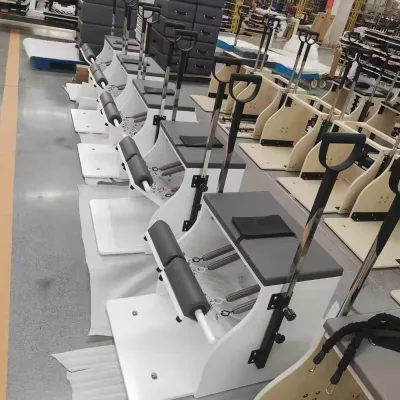
Supplier qualification involves assessing the manufacturer's production capabilities, quality control processes, and track record in the fitness equipment industry. The "Factory Directly Supply" attribute suggests a direct relationship with the manufacturer, which can facilitate better quality control and faster response times. Buyers should request evidence of the supplier's manufacturing facilities, including photos or videos of the production line, to verify their capacity and expertise in woodworking and metal assembly. Additionally, inquiring about the supplier's experience with international clients and their ability to handle complex orders can provide insights into their reliability and professionalism.
Quality control measures should be explicitly defined in the purchase agreement, including pre-shipment inspections and acceptance criteria. Buyers should specify the required tolerances for dimensions, weight, and finish quality, and request that the supplier conduct internal quality checks before dispatch. The "Acceptable" packaging attribute indicates a standard level of protection, but buyers may opt for enhanced packaging solutions to minimize the risk of damage during transit. Establishing a clear protocol for handling defective or non-conforming products, including return policies and replacement procedures, is essential for maintaining operational continuity and customer satisfaction.
Long-Term Procurement Checks
Long-term procurement success depends on establishing a sustainable relationship with suppliers who can consistently deliver high-quality equipment and adapt to changing market demands. Regular performance reviews, based on metrics such as on-time delivery, product quality, and customer feedback, can help identify areas for improvement and reinforce accountability. Buyers should also monitor the supplier's ability to innovate and introduce new models or features that align with evolving Pilates trends and customer preferences. Maintaining open communication channels and providing constructive feedback can foster a collaborative partnership that benefits both parties.
Finally, buyers must stay informed about regulatory changes and industry standards that may impact the procurement of Pilates equipment. As safety regulations and certification requirements evolve, suppliers must adapt their products and documentation to remain compliant. Buyers should proactively engage with their suppliers to ensure that any necessary updates are implemented promptly and that the equipment continues to meet the highest standards of safety and quality. By adopting a proactive and informed approach to procurement, buyers can secure a reliable supply of wooden Wunda chairs and Pilates reformers that support the long-term success of their fitness businesses.
FAQs
What customization options are available for the logo?
Customized logos and OEM branding are available for these units. Buyers can request specific designs to be applied to the product surface. This service allows studios to brand equipment with their own identity while maintaining the standard product quality and specifications.
How long is the warranty period for parts?
The warranty covers parts for a period of 10 years. This long-term coverage ensures durability and reliability for commercial and home use. Buyers should verify specific terms with the supplier to confirm the scope of the warranty coverage.
What certifications do the products hold?
The products hold CE, RoHS, and ISO certifications. These standards indicate compliance with safety and environmental regulations for international markets. Buyers can rely on these documented certifications when sourcing equipment for gyms or studios.
Can I order a single unit as a sample?
Yes, the minimum order quantity allows for purchasing a single piece. This flexibility supports buyers who need to test quality before placing larger orders. The production time for such orders is typically around 10 working days.
What is the packaging type for shipping?
Products are packed in wooden boxes or polybags with cartons and wooden cases. This robust packaging protects the equipment during transit. The specific packing dimensions vary by model but ensure safe delivery to the destination.
Where are these products manufactured?
The products originate from China, specifically from the Shandong region. This location is a known hub for fitness equipment manufacturing. Buyers can expect competitive pricing due to direct factory supply from this area.
What is the net weight of the standard model?
The net weight varies by model, with some units weighing 32kg or 35kg. Other models may have a net weight of 40kg or 51kg depending on the specific configuration. Buyers should check the specific model specifications for exact weight details.