Source Wooden Wireless Portable Speaker with Microphone for Home, Commercial, and Stage Use
Find and compare 30 Wooden Wireless Portable Speaker with Microphone options from Guangzhou suppliers. Evaluate features like DSP, Bluetooth 5.4, and battery life for home, commercial, and stage applications.
Key considerations
Products List


120W Portable HiFi Wireless Speaker with RGB Light and 2PCS Wireless Microphone
$59.00 - $72.28
MOQ: 500 Pieces




Comprehensive Sourcing Guide
Wooden Wireless Portable Speaker with Microphone Sourcing Guide
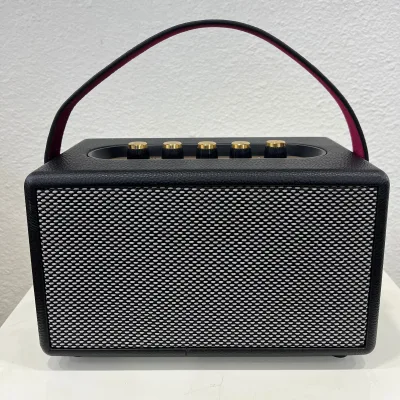
The market for wooden wireless portable speakers with microphones presents a distinct blend of acoustic warmth and modern connectivity, catering to both residential and commercial environments. Based on observed listings, these units frequently feature wood or wooden materials in their construction, a choice that influences both the aesthetic appeal and the acoustic resonance of the final product. Buyers should recognize that the "wooden" attribute often correlates with specific design philosophies aimed at delivering a Hi-Fi experience, though some variations in the market may not strictly adhere to high-fidelity standards. The presence of a microphone and wireless capabilities, such as Bluetooth 5.0 or 5.4, transforms these speakers from simple audio players into versatile communication tools suitable for stage performances, DJ sets, or portable karaoke applications.
Procurement decisions for this category require a nuanced understanding of the diverse configurations available, ranging from compact units with 4-inch woofers to larger systems featuring 15-inch drivers. The observed product data indicates a wide spectrum of power outputs, with some models rated at 40W while others reach 100W RMS, directly impacting their suitability for different venue sizes. Furthermore, the integration of battery systems, such as 12V 4.5A or 12V 7A lead-acid variants, suggests that portability is a primary design driver, allowing for operation without immediate access to mains power. Buyers must carefully align the specific power and driver requirements of their intended use case with the technical specifications provided by potential suppliers to ensure the selected unit meets performance expectations.
Product Scope and Observed Listing Signals
The product scope for wooden wireless speakers with microphones spans a variety of application scenarios, including home entertainment, commercial venues, and mobile stage setups. Listings indicate that these devices are often designed with multi-functionality in mind, supporting inputs from USB, TF cards, and FM radio, alongside Bluetooth connectivity for mobile phones and portable players. The inclusion of features like TWS (True Wireless Stereo) and microphone priority suggests a focus on interactive audio experiences, making them particularly relevant for karaoke, public address systems, or mobile DJ applications. However, buyers must verify that the specific model they are sourcing supports the exact usage environment, as some units are optimized for computer or TV use while others are built for rugged, portable deployment.
Observations of the current market reveal significant variation in physical form factors and control mechanisms, which directly influence the user experience and operational logistics. While some models utilize button controls, others offer wire or remote control operation, and many are equipped with trolley handles for easy transport. The packaging standards also vary, with options ranging from standard carton packaging to kraft cartons, which can affect shipping costs and product protection during transit. Additionally, the presence of LED screens on certain models indicates a trend toward visual feedback for users, enhancing the interface for settings like volume, track selection, or battery status. Buyers should scrutinize these physical attributes to ensure the product aligns with their logistical and operational requirements.
Technical Specifications to Verify
When evaluating technical specifications, the total harmonic distortion (THD) is a critical metric that defines the audio purity of the speaker system. The observed data presents a range of THD values, with some listings indicating performance between 0.005% and 0.01%, while others show figures greater than 0.01%. This discrepancy highlights the necessity for buyers to request specific test data or datasheets for the exact model they intend to purchase, as lower THD values generally correlate with clearer, more accurate sound reproduction. For applications requiring high-fidelity audio, such as home listening or professional monitoring, verifying that the unit meets the stricter THD thresholds is essential to avoid purchasing a product that may introduce audible artifacts during playback.
Power handling and driver configuration are equally vital parameters that determine the volume and frequency response capabilities of the speaker. The market offers systems with varying power ratings, including 40W and 100W RMS options, paired with different woofer sizes such as 8-inch, 12-inch, or 15-inch drivers. Some configurations include a 4-inch mid-woofer and a dedicated tweeter, suggesting a multi-way system designed for broader frequency coverage, while others may be mono or 2.0 channel systems. Buyers must cross-reference the power rating with the intended application; for instance, a 100W system with a 15-inch woofer is better suited for stage or DJ use, whereas a 40W unit with an 8-inch subwoofer might be more appropriate for smaller commercial spaces or home environments. Additionally, the battery capacity, whether 12V 4.5A or 12V 7A, must be sufficient to support the claimed usage duration without premature depletion.
Compliance and Safety Documentation
Compliance with international safety and electromagnetic standards is a non-negotiable aspect of sourcing electronic audio equipment, particularly for products intended for export or commercial use. The observed listings frequently cite certifications such as CE, CCC, and FCC, which indicate adherence to specific regional safety and electromagnetic compatibility requirements. The CE mark suggests compliance with European Union directives, while the CCC certification is mandatory for products sold within China, and FCC compliance is required for the United States market. Buyers should verify that the certification documents provided by the supplier are valid and correspond to the specific model number being ordered, as certifications are often model-specific and cannot be assumed to cover an entire product line.
Beyond the primary certifications, buyers should also inquire about additional environmental and safety standards that may apply to their specific market or industry. While some background data mentions ROHS and REACH, these should be treated as potential attributes rather than guaranteed inclusions unless explicitly confirmed in the supplier's documentation. For products containing batteries, such as the 12V lead-acid or lithium variants observed in the listings, compliance with battery transport regulations is also critical to ensure safe shipping. Ensuring that the supplier can provide a complete set of compliance certificates, including test reports for electrical safety and electromagnetic interference, protects the buyer from regulatory penalties and ensures the product can be legally sold in the target market.
Cost Drivers and Commercial Terms
The cost of wooden wireless portable speakers is influenced by several key factors, including the material quality, power output, and the complexity of the electronic components integrated into the unit. The use of wood as a primary material adds a premium to the product compared to plastic alternatives, driven by both the raw material cost and the labor-intensive manufacturing processes required to finish the wood. Additionally, higher power ratings, such as 100W RMS compared to 40W, and larger driver configurations like 15-inch woofers, significantly increase the bill of materials and manufacturing costs. Buyers should expect a price range that reflects these variables, with observed listings spanning from approximately $2.99 to $78.50, though the final price will depend heavily on the specific configuration and order volume.
Commercial terms, including minimum order quantities (MOQ) and payment conditions, vary widely across the supplier base and must be negotiated based on the buyer's volume requirements. The observed MOQ range extends from as low as 1 unit to as high as 3000 units, offering flexibility for both small-scale retailers and large distributors. Suppliers often offer customization options, which can impact the unit price and lead time, as custom branding or specific feature modifications require additional setup and production planning. Buyers should clarify the lead times associated with different order sizes and confirm whether the supplier accepts small orders, as this can be a decisive factor for new market entrants or those testing product viability before committing to large-scale procurement.
Supplier Qualification and Quality Control
Supplier qualification for wooden wireless speakers requires a thorough assessment of their manufacturing capabilities, particularly regarding the assembly of electronic components and the finishing of wooden enclosures. Given that many suppliers are located in Guangzhou, China, a major hub for electronics manufacturing, buyers should verify the supplier's production capacity and quality control processes to ensure consistency in product finish and electronic performance. The presence of features like DSP effects and multiple connectivity options necessitates a robust assembly line capable of handling complex wiring and software integration without introducing defects. Buyers should request evidence of the supplier's quality management systems and ask for samples to evaluate the build quality, focusing on the durability of the wooden casing and the reliability of the wireless and battery systems.
Quality control checks should extend beyond the initial sample to include pre-shipment inspections that verify the consistency of the product batch. Since the market shows variations in specifications, such as different battery capacities and driver sizes, it is crucial to ensure that the final shipment matches the agreed-upon technical specifications exactly. Inspections should cover functional tests, including audio output levels, battery life, and the functionality of the microphone and wireless connectivity. Additionally, buyers should verify the packaging standards, ensuring that the units are protected against damage during transit, especially given the fragile nature of wooden components and the sensitivity of electronic parts. Establishing a clear quality agreement with the supplier, including acceptance criteria for defects, is essential to mitigate the risk of receiving substandard products.
Long-Term Procurement Checks
Establishing a long-term procurement relationship for wooden wireless speakers involves regular performance monitoring and supply chain stability assessments. Buyers should implement a system for tracking product performance in the field, noting any recurring issues related to battery degradation, speaker distortion, or connectivity failures. This data is vital for identifying potential quality drifts in the manufacturing process and for negotiating improvements with the supplier. Given the dynamic nature of the electronics market, where components like Bluetooth chips and batteries may be subject to supply chain fluctuations, maintaining open communication with the supplier regarding component availability and potential substitutions is crucial for ensuring uninterrupted supply.
Future-proofing the procurement strategy requires staying informed about technological advancements and regulatory changes that may impact the product line. As wireless standards evolve, such as the transition from Bluetooth 5.0 to newer versions, buyers should ensure that their suppliers are capable of integrating these updates into their product designs. Additionally, compliance requirements may change, necessitating updates to certifications or product designs to meet new safety or environmental standards. By maintaining a proactive approach to supplier management and staying engaged with industry trends, buyers can ensure that their wooden wireless speaker offerings remain competitive and compliant in the long term, securing a reliable supply chain that supports their business growth.
FAQs
What materials are used for the speaker enclosure?
The speaker enclosure is constructed from wood or wooden materials. This construction provides a durable structure suitable for both home and commercial applications while maintaining a classic aesthetic appearance.
Can I customize the product specifications?
Customization is available for this product line. Buyers can request specific modifications to meet unique requirements, allowing for tailored solutions that align with specific project needs or branding preferences.
What is the total harmonic distortion level?
The total harmonic distortion ranges between 0.005% and 0.01% for high-fidelity models. Some units may exhibit distortion greater than 0.01%, depending on the specific model configuration and operational conditions.
How is the product powered and what is the battery capacity?
The device operates with a 12V battery, typically rated at 4.5A or 7A capacity. Some models utilize lead-acid batteries, ensuring reliable power for portable usage in various settings like stages or mobile applications.
Which certifications does the product hold?
The product holds CE, CCC, and FCC certifications. These standards ensure compliance with safety and electromagnetic compatibility regulations, making the device suitable for international markets and commercial deployment.
What is the minimum order quantity for this item?
The minimum order quantity ranges from 1 to 3000 units depending on the supplier and specific model. Small orders are accepted, providing flexibility for buyers with varying procurement volumes and budget constraints.
Where is the product manufactured and shipped from?
The product originates from Guangzhou, China. This location serves as the primary manufacturing and shipping hub, ensuring efficient logistics and supply chain management for international buyers seeking these specific audio solutions.