Source Woodworking F Clamp for Woodworking, Construction, and Metal Working
Compare 30 listings for Woodworking F Clamp from verified Chinese manufacturers. Buyers can evaluate specifications like material, size, and surface treatment to find suitable clamps for woodworking, construction, and metal working applications.
Key considerations
Products List
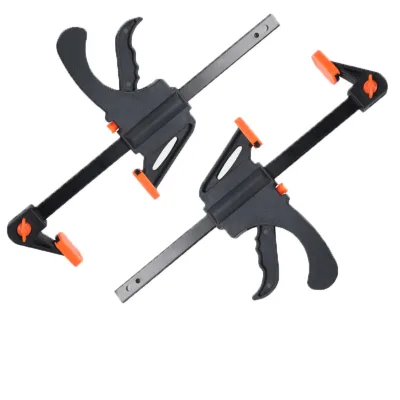


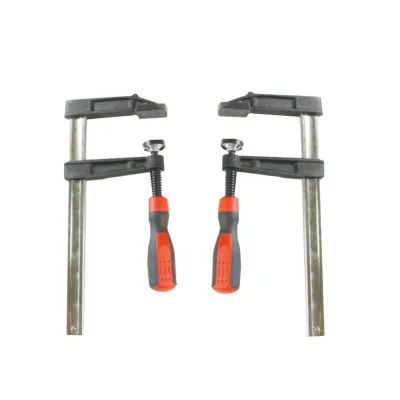
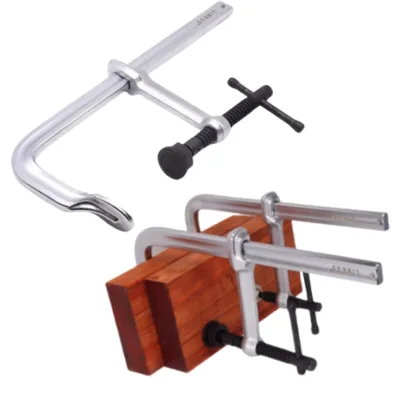
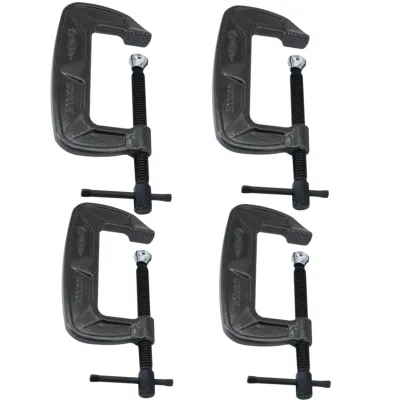


F Clip Woodworking Quick Release Bar Clamp Practical 8inches/Woodworking Clamp
$1.50 - $1.60
MOQ: 300 Pieces

F Clip Woodworking Quick Release Bar Clamp Practical 6inches/Woodworking Clamp
$1.40 - $1.50
MOQ: 300 Pieces


F Clip Woodworking Quick Release Bar Clamp Practical 18 Inches/Woodworking Clamp
$2.00 - $2.20
MOQ: 300 Pieces

F Clip Woodworking Quick Release Bar Clamp Practical 4 Inches/Woodworking Clamp
$0.60 - $0.80
MOQ: 300 Pieces

F Clip Woodworking Quick Release Bar Clamp Practical 36 Inches/Woodworking Clamp
$2.80 - $3.00
MOQ: 300 Pieces
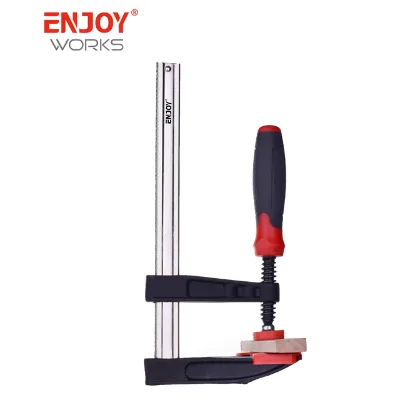


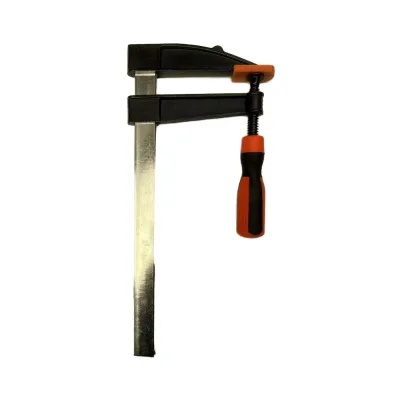


Fixtec Top Quality Different Types Stainless Steel F Clamp for Woodworking
$0.87 - $4.85
MOQ: 50 Pieces


Comprehensive Sourcing Guide
Strategic Sourcing Guide for Woodworking F Clamps
Understanding Product Specifications and Variants
When initiating a procurement strategy for woodworking F clamps, buyers must first navigate the diverse technical specifications available in the global market. The core product category encompasses heavy-duty clamping solutions designed primarily for woodworking and metalworking applications. Based on observed market data, these tools are frequently categorized by their mechanical construction and intended usage intensity. A primary distinction exists between standard woodworking bar clamps and heavy-duty variants, such as the F-Clamp, which often feature reinforced jaws and robust locking mechanisms.
The material composition is a critical differentiator. Suppliers typically offer products constructed from metal, with specific mentions of carbon steel, stainless steel, and general steel alloys. The choice of material directly influences the tool's resistance to corrosion and its load-bearing capacity. For instance, stainless steel options are often preferred for environments with high moisture content, while carbon steel variants are common for general-purpose shop use. Surface treatments further enhance durability; electroplating and polishing are standard processes observed in the supply chain. Electroplating provides a protective layer against rust, whereas polishing offers a smoother finish that may reduce friction during operation.
Dimensional specifications vary significantly across models. The measurement systems employed by manufacturers include both Inch and Metric standards, requiring buyers to align their inventory with the specific requirements of their target markets or workshop standards. Some models are available in customized sizes, while others adhere to standard dimensions. For example, specific product models like MTF6001 and MTF6002 represent distinct configurations within the lineup. Packaging dimensions also vary, with single package sizes ranging from compact 10x10x5 cm units to larger 32x12x5 cm configurations, impacting logistics and storage planning.
Compliance, Certification, and Standard Verification
In the B2B procurement of hardware tools, verifying compliance with international and regional standards is essential for ensuring product safety and interoperability. While specific certification documents are not universally mandated for all clamp types, buyers should rigorously verify that products meet recognized industry standards. Observed data indicates that manufacturers often reference standards such as ISO, GB (Guobiao), and DIN. These standards govern dimensions, material strength, and safety tolerances.
Buyers must explicitly request documentation confirming that the clamps adhere to the relevant ISO, GB, or DIN standards applicable to the region of sale. The absence of a specific certification claim in a product listing does not imply non-compliance, but it necessitates a proactive verification step. Suppliers may offer "Normal size" or "Standard Size" products that align with these established norms. However, for customized orders, the verification process becomes more complex, requiring the buyer to validate that the custom specifications still meet the structural integrity requirements of the referenced standards.
Furthermore, the origin of the product plays a role in compliance expectations. Products originating from major manufacturing hubs in China, such as Zhejiang and Jiangsu provinces, are subject to varying levels of export quality control. Buyers should ensure that the supplier can provide traceability for the materials used, particularly when stainless steel or specific alloy compositions are claimed. This verification is crucial for industries where tool failure could lead to significant safety hazards or product defects.
Cost Drivers and Pricing Dynamics
The pricing structure for woodworking F clamps is influenced by a complex interplay of factors, including material costs, manufacturing processes, and order volume. The observed price range in the market is extensive, spanning from $0.60 to $4,900. This wide disparity reflects the difference between basic, single-item units and high-volume industrial orders or specialized heavy-duty configurations.
Material selection is a primary cost driver. Clamps made from stainless steel or high-grade carbon steel typically command a higher price point than those made from standard metal alloys. The surface treatment process also impacts cost; electroplating and polishing add value but increase the final unit price. Additionally, customization options, such as customized logos, colors, or non-standard sizes, introduce additional manufacturing steps that elevate the cost.
Order volume is another critical determinant. The Minimum Order Quantity (MOQ) varies significantly among suppliers, ranging from as low as 1 piece to as high as 1,000 pieces. Suppliers with lower MOQs may charge a premium per unit to cover setup and handling costs, whereas bulk orders often benefit from economies of scale. Buyers must balance their inventory needs against the per-unit cost savings offered by larger orders. It is important to note that sample availability is a common feature, allowing buyers to assess quality before committing to larger quantities, though this may involve separate sampling fees or shipping costs.
Typical Applications and Usage Scenarios
Woodworking F clamps are versatile tools designed for a wide array of applications, extending beyond simple wood joining. The primary usage category is "clamp," but specific models are optimized for "tightening" and "connection" tasks in various environments. The heavy-duty variants are particularly suited for construction areas and industrial settings where high tension is required.
In woodworking shops, these clamps are essential for gluing joints, assembling frames, and holding workpieces steady during cutting or sanding. The "Drop Forged" feature observed in some models suggests a manufacturing process that enhances the structural integrity of the clamp, making it suitable for high-stress applications. The "g-grip" design mentioned in product listings indicates a focus on user comfort and grip stability, which is vital during prolonged use.
The application scope also includes metalworking, as indicated by product attributes. This dual-purpose capability makes F clamps valuable in general hardware tool inventories. Whether used for tightening bolts, securing metal sheets, or holding wood components, the versatility of these tools allows them to serve in diverse sectors ranging from small-scale carpentry to large-scale construction projects. Buyers should ensure that the specific model selected matches the intended application, considering factors like jaw width, clamping force, and material compatibility.
Supplier Evaluation and Sourcing Criteria
Selecting the right supplier is a pivotal step in the procurement process. Buyers should evaluate potential partners based on their manufacturing capabilities, customization options, and logistical reliability. The supply chain for woodworking F clamps is concentrated in specific regions of China, with Zhejiang and Jiangsu provinces emerging as key production hubs. This concentration suggests a mature ecosystem of suppliers with established expertise in metalworking and tool manufacturing.
Key evaluation criteria include the supplier's ability to handle customization requests. Many suppliers welcome OEM (Original Equipment Manufacturer) orders and offer customized logos, colors, and sizes. This flexibility is crucial for buyers looking to brand products or meet specific project requirements. Additionally, the availability of samples is a strong indicator of a supplier's confidence in their product quality and their willingness to engage in a transparent procurement process.
Buyers should also assess the packaging and shipping capabilities. Standard packaging options include OPP bags, blister cards, and plastic bags combined with cartons. The choice of packaging affects the product's protection during transit and its presentation to end-users. Suppliers offering "with store" advantages may provide additional value through established retail networks or after-sales support. It is essential to verify the supplier's track record in delivering consistent quality and adhering to agreed-upon lead times, although specific lead time data should be confirmed directly with the supplier.
Quality Control and Long-Term Procurement Considerations
Maintaining high quality standards is essential for the long-term success of any procurement strategy involving woodworking F clamps. Quality control measures should focus on material integrity, surface finish, and functional performance. Buyers should inspect samples for signs of defects such as uneven electroplating, sharp edges, or weak locking mechanisms. The "Drop Forged" process, when claimed, should be verified to ensure it results in a product with superior strength compared to cast alternatives.
Long-term procurement considerations involve building a sustainable relationship with suppliers who can consistently meet quality and volume requirements. Buyers should prioritize suppliers who offer customization and have a history of adhering to standards like ISO, GB, or DIN. Regular quality audits and feedback loops can help maintain product consistency over time. Additionally, considering the environmental impact of materials and packaging can align procurement strategies with broader corporate sustainability goals.
The durability of the clamps is a critical factor for long-term value. Products made from stainless steel or those with robust surface treatments like electroplating generally offer better longevity. Buyers should also consider the total cost of ownership, which includes not only the purchase price but also the potential costs associated with tool failure, replacement, and downtime. By focusing on high-quality, reliable suppliers and conducting thorough due diligence, buyers can ensure a steady supply of effective woodworking F clamps that meet the demands of their operations.
Comparative Analysis of Product Attributes
To facilitate informed decision-making, the following table summarizes key attributes observed across different product listings. This comparison highlights the variability in specifications, materials, and customization options available to buyers.
| Attribute | Variant A (Standard) | Variant B (Heavy Duty) | Variant C (Customized) |
|---|---|---|---|
| Product Name | Woodworking Bar Clamp | Heavy Duty F-Clamp | Heavy Duty Clamp |
| Material | Metal | Stainless Steel, Metal | Steel, Carbon Steel |
| Surface Treatment | Electroplated | Polished | Customized |
| Measurement System | Inch | Inch, Metric | Metric |
| MOQ | 30 pcs | 100 pcs | 1000 pcs |
| Packaging | OPP Bag | Plastic Bag + Carton | Blister Card |
| Origin | Zhejiang, China | Jiangsu, China | China |
| Customization | Logo, Color | Size, Color | Full Customization |
| Feature | Drop Forged | Heavy Duty | Customized Sizes |
This table illustrates that while the core function remains consistent, the specific attributes vary widely. Buyers must carefully match these attributes to their specific needs, ensuring that the selected product aligns with their technical requirements, budget constraints, and logistical capabilities. The diversity in MOQs and customization options underscores the importance of clear communication with suppliers to avoid misunderstandings and ensure the delivery of the correct product specifications.
FAQs
What materials are used for woodworking f clamps?
Woodworking f clamps are typically constructed from metal, including stainless steel, carbon steel, and general steel alloys. The specific material choice depends on the required durability and resistance to corrosion for the intended application environment.
Which measurement systems are available for these clamps?
Available measurement systems include both Inch and Metric standards to accommodate different regional workshop requirements. Some models offer customized sizes, while others adhere to standard dimensions like Normal size or specific model numbers.
Can buyers request customized logos and colors?
Yes, customization is available for logos, colors, and sizes to meet specific branding or project needs. Suppliers welcome OEM orders and can produce products with customized logos and colors accepted by the buyer.
What is the minimum order quantity for these tools?
The minimum order quantity varies significantly, ranging from 30 pieces to 1000 pieces depending on the supplier and product variant. Buyers should verify the specific MOQ for the desired model before placing an order.
How are these clamps typically packaged for shipping?
Packaging options include OPP bags, blister cards, and plastic bags combined with cartons. The single package size varies, with examples ranging from 10x10x5 cm to 32x12x5 cm depending on the specific product model.
Which surface treatments are applied to the metal?
Common surface treatments include electroplating and polishing to enhance durability and appearance. Electroplating provides a protective layer against rust, while polishing offers a smoother finish suitable for various woodworking and metalworking applications.
Where are these clamps manufactured?
These clamps are manufactured in China, with specific production hubs located in Zhejiang and Jiangsu provinces. The origin is a key factor in the supply chain logistics and quality control processes for these hardware tools.