Source Woodworking Machinery Steel Cylinder for Shipbuilding, Metal Casting, and Wind Power
Compare 30 available Woodworking Machinery Steel Cylinder options from verified suppliers. These welded cylinders feature customizable strokes up to 16000mm, design pressures of 700 bar, and are suitable for shipbuilding, metal casting, and wind power applications.
Key considerations
Products List
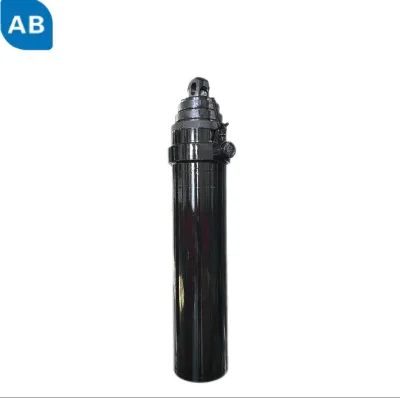


Double Action Tie Rod Standard Hydraulic Cylinder for Wood Working Machine
$30.00 - $150.00
MOQ: 1 Pieces


Woodworking Press Plunger Hydraulic Cylinder Large Press Hydraulic Cylinder
$60.00 - $600.00
MOQ: 1 Pieces


Woodworking Machine Hydraulic Plywood Pre-Press Machine Cylinders Downsides
$10000.00 - $15000.00
MOQ: 1 Sets

Woodworking Machine Hydraulic Plywood Cold Press with Cylinder Upside
$10000.00 - $20000.00
MOQ: 1 Pieces


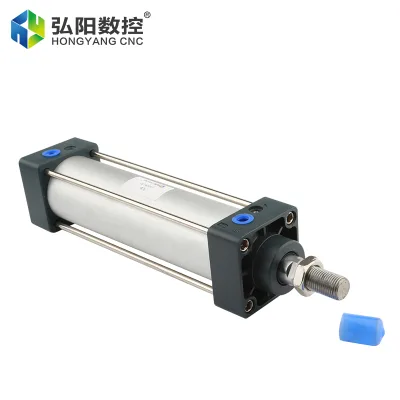

Comprehensive Sourcing Guide
Strategic Sourcing Guide for Woodworking Machinery Steel Cylinders
Understanding Technical Specifications and Performance Parameters
When sourcing hydraulic cylinders specifically for woodworking machinery, buyers must navigate a complex landscape of technical specifications that directly impact operational efficiency and equipment longevity. The core component, often referred to as a welded cylinder, is engineered to withstand significant mechanical stress while providing precise linear motion. A critical observation for procurement teams is the stroke length, which can range from 50mm to 16000mm depending on the specific model requirements. This wide variance necessitates a clear definition of the machine's operational cycle before engaging with suppliers. The rod diameter is not a fixed value but varies according to the model, requiring buyers to calculate the necessary load-bearing capacity based on the specific woodworking application, such as metal cutting, straightening, or engraving.
The structural integrity of the cylinder relies heavily on the materials selected. The primary construction typically utilizes carbon steel, alloy steel, or stainless steel, with options for aluminum or copper alloys in specific sub-components. The inner tube diameter is a vital specification, generally ranging from 40mm to 1000mm, which dictates the fluid volume and force output. The outer tube diameter is often customizable to fit existing machinery frames, while the overall length is standardized at 500mm for certain configurations but may vary for custom orders. Surface treatment of the piston rod is equally critical; a hard chrome plating process is standard, utilizing chromium, nickel, or ceramic coatings to resist corrosion and wear. This treatment is essential in woodworking environments where dust and moisture can accelerate degradation. The tolerance levels for machining are tight, typically falling between +0.02mm and +0.005mm, ensuring smooth operation and minimal leakage. Furthermore, the roughness of the surface is maintained between Ra0.2 and Ra3.2, a factor that influences seal life and friction coefficients.
Compliance, Certification, and Standard Adherence
Navigating the regulatory landscape is a fundamental step in the procurement of industrial hydraulic components. Buyers must verify that suppliers adhere to recognized international standards to ensure safety and interoperability. The supplied data indicates compliance with a broad spectrum of standards including BS, ANSI, JIS, GB, GOST, ASTM, and DIN. This diversity suggests that the products are designed for global markets, but it also places the onus on the buyer to confirm which specific standard applies to their local jurisdiction and machinery safety requirements.
Certification checks are equally rigorous. Products in this category often carry certifications such as CE, RoHS, and ISOGS. While ISO9001 is frequently cited in the broader industry context, buyers should treat this as a background expectation rather than a guaranteed attribute for every listed item unless explicitly confirmed in the contract. The presence of these certifications implies that the manufacturing process meets specific quality management and environmental guidelines. Additionally, the warranty period is a key compliance metric, with observed terms ranging from 1 year to 1.5 years. This variation highlights the importance of negotiating warranty terms that align with the expected lifecycle of the woodworking machinery. Buyers should also verify the "Automatic Grade" of the production, which is noted as semi-automatic, indicating a level of human oversight in the manufacturing process that may affect consistency.
Cost Drivers and Pricing Structures
The pricing of hydraulic cylinders for woodworking applications is influenced by a multitude of factors, resulting in a significant observed range from $1 to $60,000 USD. This vast disparity is not indicative of quality differences alone but reflects the extreme variability in size, material composition, and customization levels. A cylinder with a 50mm stroke and standard carbon steel construction will sit at the lower end of the spectrum, whereas a unit with a 16000mm stroke, stainless steel construction, and specialized ceramic plating will command a premium price.
Material costs are a primary driver. The choice between carbon steel, alloy steel, and stainless steel directly impacts the base cost. Furthermore, the inclusion of high-performance seals from brands like PARKER, MERKEL, or NOK adds to the unit price but is often necessary for high-pressure applications. The design pressure, which can reach a maximum of 700 bar (10150 PSI), is another critical cost factor; cylinders rated for higher pressures require thicker walls and more robust sealing systems. The Minimum Order Quantity (MOQ) also plays a role in the final unit cost, with observed ranges from 1 to 100 units. Buyers purchasing single items may face higher per-unit costs compared to those placing bulk orders, although the flexibility of single-item selling units allows for smaller initial investments. Surface treatments such as anodizing, electroplating, or powder coating add processing steps and costs, which should be factored into the total cost of ownership.
Typical Applications in Woodworking and Metal Processing
While the core keyword focuses on woodworking machinery, the technical data reveals that these cylinders are highly versatile and serve a broader range of industrial applications. The primary applications listed include metal casting, coating, drawing, engraving, forging, and processing machinery parts. This versatility suggests that the hydraulic cylinders are robust enough to handle the heavy-duty demands of metalworking, which often parallels the forces required in large-scale woodworking operations like veneer pressing or panel cutting.
Specific use cases within the woodworking sector may involve metal straightening machinery, metal spinning machinery, and metal cutting machines where the cylinder provides the necessary force for shaping and cutting operations. The application data also points to use in shipbuilding, offshore oil & gas engineering, and photovoltaic & wind power sectors. This indicates that the cylinders are built for extreme environments, making them suitable for the harsh conditions often found in industrial woodworking plants. The ability to customize the product allows manufacturers to tailor the cylinder to specific machine architectures, whether for a small-scale engraving tool or a massive industrial press. The "Other Material" options, including copper and nickel alloys, further expand the potential applications to environments where chemical resistance or specific thermal properties are required.
Supplier Evaluation and Selection Criteria
Selecting the right supplier requires a rigorous evaluation process that goes beyond price comparison. Buyers should prioritize suppliers who demonstrate a clear understanding of the specific requirements of woodworking machinery. The "Brand Name" Anbao is noted in the data, but buyers should not limit their search to a single entity. Instead, they should evaluate the supplier's capability to provide customization, as the data confirms that customization is available. This includes the ability to adjust the stroke, tube diameters, and surface treatments to match the specific machine design.
The origin of the product is another critical factor. The data indicates origins in Shanghai and Qingdao, China. While these are major manufacturing hubs, buyers must verify the specific factory location to assess logistics, lead times, and the potential for site visits. The "Condition" of the product is listed as new, which is standard, but buyers should ensure that the supply chain guarantees this status. The "Selling Units" are listed as single items, which suggests flexibility, but buyers should also inquire about bulk pricing structures. Supplier evaluation should also include an assessment of their after-sales support, particularly regarding the warranty terms. A supplier offering a 1.5-year warranty may provide better long-term value than one offering only one year, provided the service network is reliable.
Quality Control and Long-Term Procurement Considerations
Ensuring the quality of hydraulic cylinders is paramount to the safety and efficiency of woodworking machinery. Quality control measures should focus on the machining methods, which include CNC milling, turning, and grinding. These processes ensure the high tolerances and surface roughness levels required for optimal performance. Buyers should request test results or quality assurance documentation that verifies the pressure ratings and leak tests. The use of high-quality seals from reputable manufacturers like PARKER, MERKEL, or NOK is a strong indicator of quality, as these components are critical for maintaining pressure integrity over time.
Long-term procurement considerations involve the lifecycle management of the cylinders. The liner material, noted as copper in some contexts, is designed to prolong the life cycle of the cylinder, which is a significant advantage for reducing downtime and maintenance costs. The warranty period, ranging from 1 to 1.5 years, should be viewed as a baseline; buyers should negotiate extended terms for high-volume purchases. Packaging is another factor, with options including cartons or wooden cases, which should be selected based on the shipping distance and the fragility of the components. Finally, buyers should consider the standard of the product, ensuring it meets the specific requirements of their machinery's operational standards. By focusing on these quality and longevity factors, buyers can secure a supply chain that supports the continuous and safe operation of their woodworking equipment.
Summary of Key Procurement Metrics
To facilitate a quick comparison during the sourcing process, the following table summarizes the critical technical and commercial metrics observed in the market for woodworking machinery steel cylinders.
| Metric Category | Specific Attribute | Observed Range / Standard | Procurement Note |
|---|---|---|---|
| Dimensions | Stroke Length | 50mm - 16000mm | Verify exact requirement for machine cycle. |
| Dimensions | Inner Tube Diameter | 40 - 1000 mm | Critical for force calculation. |
| Dimensions | Overall Length | 500 mm (Standard) | Check for custom length availability. |
| Materials | Primary Material | Carbon, Alloy, Stainless Steel | Select based on corrosion and load needs. |
| Performance | Design Pressure | Max 700 bar (10150 PSI) | Ensure safety factor for operating pressure. |
| Seals | Seal Brand | PARKER, MERKEL, NOK | Verify authenticity and compatibility. |
| Surface | Rod Treatment | Hard Chrome Plated (Cr, Ni, Ceramic) | Essential for wear resistance in dusty environments. |
| Standards | Compliance | BS, ANSI, JIS, GB, GOST, ASTM, DIN | Match to local machinery safety regulations. |
| Warranty | Coverage Period | 1 Year - 1.5 Years | Negotiate based on order volume and risk. |
| Origin | Place of Origin | Shanghai, Qingdao, China | Factor in logistics and lead time. |
| Pricing | Unit Price Range | $1 - $60,000 USD | Driven by size, material, and customization. |
| MOQ | Minimum Order | 1 - 100 Units | Flexibility available for single items. |
This structured approach to sourcing ensures that buyers can make informed decisions that balance technical performance, regulatory compliance, and cost efficiency. By adhering to these guidelines, procurement teams can secure high-quality hydraulic cylinders that enhance the productivity and reliability of their woodworking machinery operations.
FAQs
What stroke lengths are available for these cylinders?
Stroke lengths range from 50mm to 16000mm depending on the specific model. Buyers must define the machine cycle requirements before engaging suppliers to ensure the selected cylinder matches the operational needs.
Which materials are used to construct the cylinder body?
The primary materials include carbon steel, alloy steel, and stainless steel. Additional options like aluminum or copper alloys may be available for specific sub-components to meet unique application requirements.
Can the cylinder be customized for specific machinery?
Yes, customization is available for stroke, tube diameters, and surface treatments. This flexibility allows manufacturers to tailor the cylinder to specific machine architectures and operational constraints.
What certifications do these hydraulic cylinders typically hold?
Products often carry certifications such as CE, RoHS, and ISOGS. Buyers should verify that the specific item meets the required international standards like BS, ANSI, or DIN for their local jurisdiction.
How long is the warranty period for these units?
The warranty period ranges from 1 year to 1.5 years depending on the supplier. Buyers should negotiate terms that align with the expected lifecycle of their woodworking machinery.
What is the maximum design pressure for these cylinders?
The design pressure can reach a maximum of 700 bar or 10150 PSI. Higher pressure ratings require thicker walls and robust sealing systems, which influence the overall unit cost.
Where are these products typically manufactured?
Products originate from major manufacturing hubs in Shanghai and Qingdao, China. Buyers should verify the specific factory location to assess logistics, lead times, and potential for site visits.