Source Workshop Car Repair Tool Rack for 4S shops, garages, and repair centers
Compare 30 verified Workshop Car Repair Tool Rack options featuring stainless steel, iron, and metal construction. Buyers can evaluate customized sizes, folding designs, and heavy-duty capacities from suppliers in China.
Key considerations
Products List

Multi Functional Car Repair Shop Tire Storage Rack 4s Workshop Display Stand
$45.00 - $50.00
MOQ: 100 Pieces
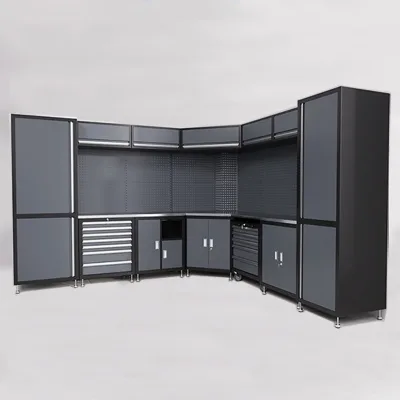
Workshop Tools Cabinet For Car Repair Workshop Multi-function Tools Cabinet
$1838.38 - $1991.58
MOQ: 1 pieces


Workshop Tool Drawer Rolling Cabinet for Car Repair Metal Storage Trolley
$300.00 - $500.00
MOQ: 100 Pieces

for Car Repair Without Tool Sets 7 Drawers Tool Chest Tool Trolley Storage Cabinet
$159.00 - $300.00
MOQ: 100 Pieces


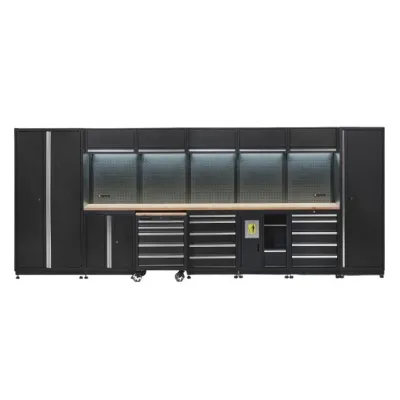
Customized Auto Repair Tool/Car O Liner Bench Rack Pre-77 CE Approved
$12000.00 - $12815.00
MOQ: 1 set




Comprehensive Sourcing Guide
Strategic Sourcing Guide for Workshop Car Repair Tool Racks
The global automotive aftermarket relies heavily on robust, efficient, and adaptable storage solutions to maintain operational continuity in busy repair environments. For procurement professionals seeking workshop car repair tool racks, the market presents a diverse array of options ranging from simple floor-type stands to complex, wheeled frame structures. This guide synthesizes available product data and industry standards to provide a disciplined framework for evaluating suppliers, verifying technical specifications, and ensuring long-term value. Buyers must navigate a landscape where product attributes vary significantly between listings, requiring a rigorous approach to due diligence rather than relying on generalized marketing claims.
Technical Specifications and Material Composition
The foundation of any effective tool rack lies in its material composition and structural design. Analysis of current market offerings reveals a clear divergence in material choices, with Stainless steel, Iron, and general Metal constructions being the most prevalent. Stainless steel variants often appeal to environments requiring high corrosion resistance, while Iron-based racks are frequently cited for heavy-duty applications where cost-efficiency is paramount. The specific application dictates the optimal material; for instance, racks designated for "Heavy" bearing capacity are often constructed from robust iron alloys, whereas general-purpose units may utilize standard metal alloys.
Structural design is equally critical. The observed product data highlights two primary architectural styles: "Floor-type" and "Frame-type." Floor-type stands, such as the model identified as NCT-335, are designed for stability and often feature a compact footprint with a board thickness of 2mm. In contrast, frame-type structures, like the unit with model number J2-A87283, offer a different load distribution profile suitable for larger tool collections. A crucial technical observation is the "Connect" build method, which suggests modular assembly capabilities. This allows for scalability, enabling workshops to expand their storage footprint without replacing entire units.
Dimensions and customization are significant differentiators. While some listings specify exact standard dimensions, such as 715455980mm or 745687cm, others explicitly state that "Size" is "Customized" or "Customize." Buyers must verify whether the supplier offers bespoke sizing to fit specific workshop layouts or if they are limited to standard catalog dimensions. Furthermore, the "Folded" attribute is listed as "Unfolded" for certain models, indicating that these are permanent or semi-permanent fixtures rather than collapsible units. For mobile applications, the "Wheeled" attribute is a key specification, with some units confirmed to be mobile, facilitating the transport of tools between different workstations or service bays.
Compliance, Certification, and Safety Standards
In the B2B procurement of industrial equipment, compliance is not merely a formality but a prerequisite for liability management and operational safety. The available data indicates that reputable suppliers often provide certifications such as SGS and ISO9001-2000. These certifications serve as external validation of the manufacturer's quality management systems and product testing protocols. The presence of an SGS standard reference suggests that the product has undergone specific material or structural testing, though buyers should verify the scope of these tests against their own safety requirements.
Additionally, specific regional certifications may be required depending on the destination market. The data notes "CE" certification for certain lifting or heavy-duty units, which is essential for products entering the European Economic Area. This certification confirms that the product meets EU safety, health, and environmental protection requirements. For buyers sourcing from China, the "Made in China" origin is common, but the specific place of origin varies, with listings citing Xiamen, Shanghai, and Liaoning. This geographical diversity can impact logistics and supply chain resilience, but it also highlights the need to verify the specific factory's compliance record.
Safety standards are further reinforced by warranty terms. Listings show warranty periods ranging from 12 months to 3 years. A longer warranty period often correlates with higher confidence in the product's durability and the supplier's commitment to after-sales support. However, buyers must scrutinize the terms of these warranties to understand what constitutes a valid claim, particularly regarding structural failures or material defects. The "Standard" attribute is also listed, implying adherence to baseline industry norms, but buyers should request detailed test reports to confirm that the product exceeds these minimums for their specific heavy-use environment.
Cost Drivers and Pricing Dynamics
Understanding the cost structure of workshop tool racks requires analyzing the interplay between customization, material, and order volume. The observed price range in the market is vast, spanning from 1 USD to 12,815 USD. This extreme variance is not indicative of a single product type but rather reflects the spectrum from small, single-item tool holders to large, heavy-duty, multi-component lifting or storage systems. The lower end of the price spectrum typically corresponds to basic iron or metal stands with standard dimensions and minimal customization. Conversely, the higher price points are associated with specialized units featuring heavy bearing capacities, custom designs, and extensive certification packages.
Material costs are a primary driver. Stainless steel units generally command a premium over iron-based alternatives due to the raw material cost and the additional processing required to prevent corrosion. Customization is another significant cost factor. The data confirms that "Customized Logo," "Customized Size," and "Offer Design and Drawing Artwork" are available services. These value-added services incur additional engineering and setup costs, which are reflected in the final price. Buyers seeking to minimize costs should prioritize standard models with "Universal" fitment or generic designs, whereas those requiring specific branding or unique dimensions must budget for the associated customization fees.
Minimum Order Quantity (MOQ) also influences the effective unit cost. The observed MOQ range is 1 to 100 units. An MOQ of 1 allows for the procurement of a single sample or a small batch for immediate use, which is ideal for small workshops or initial testing. However, larger orders typically unlock volume discounts, reducing the per-unit cost. Buyers should calculate the total cost of ownership, including shipping and potential inventory holding costs, rather than focusing solely on the unit price. The "Selling Units" attribute often indicates "Single item," suggesting that the listed price may be for a single unit, but bulk purchasing agreements should be negotiated separately to optimize the budget.
Typical Applications and Operational Fit
The versatility of workshop car repair tool racks is evident in their diverse application scenarios. The data explicitly mentions suitability for "Workshop," "4s Shop," and general "Repair Tools" usage. This indicates that these racks are designed to withstand the rigorous demands of professional automotive environments, where tools are frequently moved, heavy loads are lifted, and space is at a premium. The "Universal" car fitment attribute suggests that these racks are not vehicle-specific but are designed to serve a broad range of automotive repair tasks, from oil changes to engine overhauls.
Mobility is a critical feature for many applications. Units marked as "Wheeled" are particularly valuable in large service bays where tools need to be transported quickly from one vehicle to another. The "Heavy" bearing capacity specification is essential for racks intended to hold heavy diagnostic equipment, engine blocks, or large tool chests. In contrast, lighter-duty racks may be sufficient for organizing hand tools or smaller components. The "Unfolded" status of certain models implies they are intended for permanent placement, maximizing storage density in fixed locations.
Furthermore, the "Customized Support" for OEM and ODM indicates that manufacturers can tailor racks to specific brand requirements or unique workflow needs. This is particularly relevant for large automotive chains or specialized repair facilities that require branded storage solutions to maintain a professional image. The "Bucket" packaging option for some items suggests that certain components may be supplied in bulk or as part of a larger kit, which can streamline the setup process for new workshops.
Supplier Evaluation and Quality Assurance
Selecting the right supplier is as important as selecting the right product. The data highlights several key attributes for supplier evaluation, including "Customization," "Design," and "Packing." A supplier that offers "Design and Drawing Artwork" demonstrates a higher level of engineering capability and flexibility. This is crucial for buyers with non-standard requirements. The "Customized Logo" feature also indicates a supplier's willingness to engage in branding partnerships, which can be a sign of a more collaborative business relationship.
Quality assurance should be verified through the supplier's documentation. The presence of "SGS" and "ISO9001-2000" certifications is a positive indicator, but buyers should request copies of these certificates and verify their validity. The "Condition" of the products is listed as "New," which is a standard expectation, but buyers should confirm that the "New" condition applies to the specific batch being ordered and not just a general statement. The "Warranty" terms, ranging from 12 months to 3 years, provide a baseline for quality expectations. A supplier offering a 3-year warranty is likely more confident in their product's longevity than one offering only 12 months.
Packaging is another critical aspect of supplier evaluation. The data mentions "Bubble Bag Foam Pad and Five Layers Master Carton" as a standard packing method for some items, while others use "on Customer's Requirements." This flexibility in packaging can prevent damage during transit, especially for heavy or delicate components. Buyers should ensure that the packaging method is robust enough to protect the product during international shipping, particularly if the "Place of Origin" is in a different region from the destination.
Long-Term Procurement and Maintenance Considerations
Sourcing workshop tool racks is a long-term investment that requires consideration of maintenance, scalability, and supply chain reliability. The "3 Years" warranty period suggests that high-quality racks are built to last, but buyers must understand the maintenance requirements to ensure this lifespan is realized. Regular inspection of wheels, locking mechanisms, and structural joints is essential, especially for "Wheeled" units subjected to heavy loads. The "Heavy" bearing capacity rating should be respected to prevent structural fatigue over time.
Scalability is another long-term factor. The "Connect" build method and "Customized Size" options allow workshops to expand their storage solutions as their tool inventory grows. Buyers should plan for future expansion by selecting suppliers who can consistently produce additional units or modified versions of the initial order. The "OEM, ODM" support indicates that suppliers can adapt to changing needs, such as rebranding or modifying dimensions for new equipment.
Finally, buyers should consider the supply chain stability. The "Place of Origin" varies between Xiamen, Shanghai, and Liaoning, which may affect lead times and shipping costs. Establishing a relationship with a supplier who has a proven track record of meeting "Standard" delivery timelines is crucial for maintaining workshop operations. The "MOQ" of 1 offers flexibility for initial orders, but buyers should aim to consolidate future orders to optimize logistics costs. By focusing on these long-term factors, buyers can ensure that their investment in workshop tool racks delivers sustained value and operational efficiency.
Summary of Key Product Attributes
To assist in quick reference and comparison, the following table summarizes the key attributes observed in the market data for workshop car repair tool racks. This table highlights the variability in specifications and the importance of verifying details before purchase.
| Attribute Category | Observed Values / Options | Verification Requirement |
|---|---|---|
| Material | Metal, Stainless steel, Iron | Confirm material grade and corrosion resistance. |
| Type | Floor-type, Frame-type, A Stand, Repair Tools | Match type to specific workshop layout and tool load. |
| Size | Customized, 715455980mm, 745687cm | Verify exact dimensions against available floor space. |
| Capacity | Heavy, 4T Max Lifting | Ensure capacity meets the heaviest tools to be stored. |
| Mobility | Wheeled: Yes/No, Folded: Unfolded | Confirm mobility needs for tool transport. |
| Certification | SGS, ISO9001-2000, CE | Request valid certificates for target markets. |
| Warranty | 12 months, 3 Years | Review terms for coverage and claim process. |
| Customization | Logo, Size, Design, OEM/ODM | Confirm feasibility and cost of custom requests. |
| Origin | Xiamen, Shanghai, Liaoning, Made in China | Assess logistics impact of origin location. |
By adhering to these guidelines and rigorously verifying the provided data against specific operational needs, procurement professionals can secure high-quality workshop car repair tool racks that enhance efficiency and safety in their facilities.
FAQs
What materials are used for workshop car repair tool racks?
These racks are constructed from metal, stainless steel, or iron. Stainless steel offers corrosion resistance, while iron provides heavy-duty strength for workshop environments requiring high bearing capacity.
Can I get a customized logo on the tool rack?
Yes, customized logos are available for these products. Suppliers also offer design and drawing artwork services to accommodate specific branding requirements or unique workshop layouts.
Which certifications do the workshop tool racks hold?
Reputable units often carry SGS and ISO9001-2000 certifications. Some heavy-duty models also include CE certification to ensure compliance with European safety and environmental standards.
How does the warranty period vary for these racks?
Warranty terms typically range from 12 months to 3 years depending on the specific model and supplier. Longer warranties often indicate higher confidence in the product's durability and structural integrity.
What is the minimum order quantity for these racks?
The minimum order quantity ranges from 1 to 100 units. An MOQ of 1 allows for single-item purchases, while larger orders may unlock volume discounts and custom packaging options.
Are these racks suitable for heavy lifting applications?
Yes, certain models are rated for heavy bearing capacity with a maximum lifting capacity of 4 tons. These units are designed for use in workshops and 4S shops handling heavy equipment.
Can the size of the rack be customized?
Yes, the size can be customized to fit specific workshop dimensions. Some standard models have fixed dimensions like 715*455*980mm, but bespoke sizing is available upon request.