Source Wound Copper Pipe for Refrigeration for AC and HVAC
Find 30 listings for Wound Copper Pipe for Refrigeration, including seamless red copper and alloy steel options. Compare specifications like OD, thickness, and certifications to identify suitable suppliers for air conditioning and home appliance applications.
Key considerations
Products List


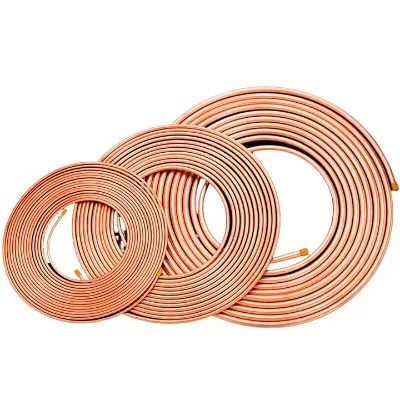
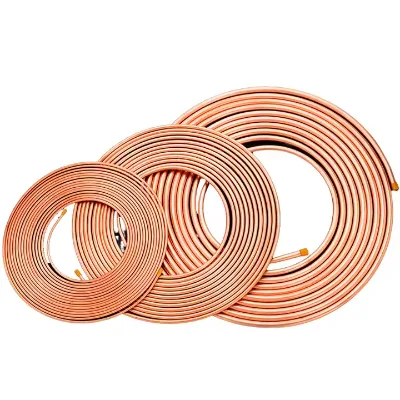


White PE Insulation Copper Tube Refrigeration Copper Pipe for Air Conditioner
$19.00 - $21.50
MOQ: 500 Pieces


Comprehensive Sourcing Guide
Wound Copper Pipe for Refrigeration Sourcing Guide
The procurement of Wound Copper Pipe for Refrigeration systems requires a precise understanding of the material's role in thermal efficiency and system longevity. These pipes serve as the critical conduit for refrigerant flow, where the integrity of the copper alloy and the precision of the manufacturing process directly impact the cooling capacity of the unit. Buyers must recognize that the term "wound" often refers to the coiled configuration used for ease of installation in compact spaces, such as home refrigerators and freezers, rather than a distinct manufacturing technique that alters the base material properties.
Sourcing decisions should be grounded in the specific operational requirements of the end application, whether for residential appliances or larger commercial HVAC units. The market offers a variety of configurations, including seamless tubes and those with specific insulation layers, which dictate the final performance characteristics. A buyer must distinguish between standard copper tubing and specialized variants, such as those designed for specific pressure ratings or thermal expansion properties, to ensure the selected product aligns with the engineering specifications of the refrigeration system.
Product Scope and Observed Listing Signals
The observed product listings reveal a diverse range of specifications, indicating that the market supplies everything from standard seamless copper tubes to specialized insulated pipes with multiple layers. Listings frequently cite materials ranging from pure 99.9% copper to various alloy steels and red copper grades, suggesting that buyers must carefully verify the exact composition required for their specific refrigerant type and operating pressure. The physical dimensions observed vary significantly, with outer diameters spanning from 6.35mm to 22.23mm and wall thicknesses ranging from 0.5mm to 2.0mm, necessitating a clear definition of size requirements before initiating contact with suppliers.
Packaging and shipping methods are also critical variables in the product scope, with options including carton boxes, pallets, and direct shipping configurations. The length of the pipes is another key differentiator, with available lengths ranging from 1 meter to 15 meters for standard coils, and insulated variants extending up to 50 meters. Buyers should note that some listings offer customization for length and size, while others adhere to standard inch-based measurements like 1/4, 3/8, and 1/2 inches, requiring a clear alignment between the buyer's design drawings and the supplier's standard offerings.
Technical Specifications to Verify
Verifying the manufacturing technique is essential, as the market lists both cold-drawn seamless pipes and other forms that may affect the material's ductility and strength. The state of the copper, whether soft or hard, is a crucial technical parameter that influences how the pipe behaves during the winding and installation process; soft pipes are generally preferred for applications requiring extensive bending without cracking. Additionally, the shape of the pipe, typically round, must be confirmed to ensure compatibility with fittings and connectors, as deviations in roundness can lead to leaks or improper seating in the refrigeration system.
The insulation and layering of the pipe are technical specifications that require close scrutiny, particularly for applications where thermal loss is a concern. Some products are listed as having three layers, which may include an inner copper tube, an insulating core, and an outer protective jacket, while others are bare copper tubes intended for separate insulation. Buyers must verify the specific grade of the copper, such as TP2 or other alloy grades, to ensure the material possesses the necessary corrosion resistance and thermal conductivity for the intended refrigerant environment.
Compliance and Safety Documentation
Certification requirements for refrigeration components are stringent, with observed listings displaying a mix of CE, RoHS, ISO, TUV, EAC, and ISOGOST marks. These certifications indicate compliance with various regional safety and environmental standards, but buyers must confirm that the specific certification applies to the exact model and material grade being purchased, as a supplier may hold certifications for some product lines but not others. The presence of these marks is a strong indicator of quality control, yet they should be treated as evidence of the supplier's capability rather than a blanket guarantee for every SKU in their catalog.
Safety documentation must also address the specific standards governing the pipe's usage in refrigeration systems, such as pressure ratings and flammability limits. While some listings mention standards like 1/4, 3/8, and 1/2 inch as product standards, these often refer to nominal sizes rather than the engineering standards (such as ASTM or EN) that govern the material's performance. Buyers should request detailed test reports or compliance certificates that explicitly reference the relevant international standards for copper tubing in refrigeration to ensure the product meets the safety requirements of their target market.
Cost Drivers and Commercial Terms
The cost of wound copper pipe is heavily influenced by the raw material price of copper, the complexity of the manufacturing process, and the specific alloy composition. Listings show a wide price range, from low-cost standard tubes to high-value insulated or specialized alloy pipes, reflecting the significant impact of material selection and added features like multi-layer insulation on the final unit price. Buyers should anticipate that custom sizes and specialized grades will command a premium over standard inch-based dimensions, and that the unit weight, which can exceed 100kg for large pallets, will directly affect shipping costs.
Commercial terms such as FOB, CIF, CFR, and EXW define the point at which risk and cost transfer from the seller to the buyer, significantly impacting the total landed cost. The observed trade terms indicate that suppliers are flexible, but buyers must calculate the total cost of ownership, including freight, insurance, and customs duties, based on the chosen Incoterm. Additionally, the minimum order quantity (MOQ) varies widely from 1 unit to 5000 units, meaning that smaller buyers may face higher per-unit costs or need to consolidate orders to achieve competitive pricing tiers.
Supplier Qualification and Quality Control
Supplier qualification should begin with verifying the origin of the product, as listings indicate production in regions such as Jiangsu, Changzhou, and Qingdao in China. These regions are known for their manufacturing capabilities, but buyers must ensure that the specific factory producing the pipe has the necessary quality management systems in place to maintain consistency. The presence of certifications like ISO and TUV suggests a baseline level of quality control, but buyers should request evidence of ongoing quality assurance processes, such as regular sampling and testing protocols, to ensure that every batch meets the specified technical requirements.
Quality control checks must extend to the physical attributes of the pipe, including wall thickness uniformity, surface finish, and dimensional accuracy. The observed variation in wall thickness from 0.5mm to 2.0mm highlights the need for precise measurement tools during the inspection phase to prevent the acceptance of substandard material. Buyers should also verify the supplier's ability to provide customization, as many listings indicate that custom sizes and shapes are available, which requires a robust production process to maintain quality while accommodating unique specifications.
Long-Term Procurement Checks
Establishing a long-term procurement strategy requires a focus on the warranty period and the supplier's track record for product reliability. Some listings offer a two-year warranty period, which serves as a commitment to the product's durability and performance, but buyers must understand the specific terms and conditions attached to this warranty to ensure it covers the relevant failure modes. A reliable supplier should be willing to provide detailed documentation on the product's lifecycle and performance history, allowing the buyer to assess the risk of future failures and the potential cost of replacements.
Continuous monitoring of the supply chain is essential to mitigate risks associated with material price volatility and production delays. Buyers should maintain open communication with suppliers regarding lead times and production capacity, as the observed range of lead times and MOQs suggests that supply stability can vary. Regular audits of the supplier's quality control processes and a review of their certification status are necessary to ensure that the long-term supply of wound copper pipe remains consistent with the evolving standards and requirements of the refrigeration industry.
FAQs
What materials are used for refrigeration copper pipes?
Refrigeration copper pipes are typically made from red copper, alloy steel, or 99.9% pure copper. Some products utilize TP2 grade copper for enhanced durability. These materials ensure high thermal conductivity and resistance to corrosion, making them suitable for air conditioning and home refrigerator applications. The choice depends on specific pressure and temperature requirements.
What certifications do these copper pipes have?
These copper pipes commonly hold CE, ROHS, ISO, GOST, TUV, and EAC certifications. Such credentials verify compliance with international safety and quality standards. Buyers can rely on these marks to ensure the products meet regulatory requirements for export and domestic use in various global markets, ensuring consistent quality and safety performance.
What are the standard dimensions for these pipes?
Standard outer diameters range from 6.35mm to 20mm, covering sizes like 1/4, 3/8, 1/2, and 3/4 inch. Thickness typically varies between 0.5mm and 2.0mm. Lengths are often available in 15-meter coils or customized lengths up to 50 meters. These dimensions accommodate various refrigeration system designs and fitting requirements.
Can these pipes be customized for specific projects?
Yes, customization is available for many of these copper pipe products. Buyers can request specific sizes, thicknesses, and packaging options like carton boxes or pallets. Customized lengths and standard variations allow for tailored solutions. This flexibility supports unique engineering needs and ensures the pipes fit precisely into specialized refrigeration or air conditioning systems.
Where are these copper pipes manufactured?
These copper pipes are primarily manufactured in China, with specific origins in Jiangsu, Changzhou, and Qingdao. This regional concentration indicates a strong industrial base for copper processing. Sourcing from these locations often provides access to established supply chains and competitive pricing, facilitating efficient procurement for international buyers seeking reliable copper tube suppliers.
What is the typical packaging for these pipes?
Packaging options include carton boxes, pallets, and general shipping containers. The choice depends on the order quantity and logistics requirements. Proper packaging protects the copper pipes from damage during transit. Buyers should specify their preferred packaging method to ensure safe delivery and easy handling upon arrival at the destination port or warehouse.