Source Worsted Windproof Bubble Coat for Cycling, Skiing, and Daily Wear
Explore 30 listings of Worsted Windproof Bubble Coat designed for outdoor activities and casual use. Buyers can compare features like waterproofing, breathability, and customization options from verified suppliers offering OEM services.
Key considerations
Products List


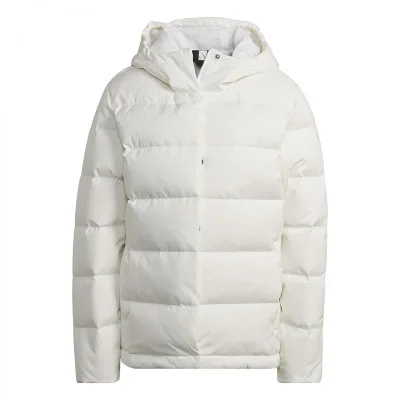
Wholesale Warm Thick Custom Women Down Puffer Bubble Coat Winter Jacket Black Coats
$53.48 - $59.65
MOQ: 1000 pieces
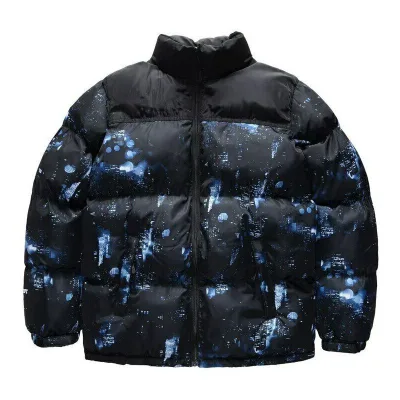


Wholesale Print Coat Custom Windbreaker Bubble Down Camo Puffer Jackets for Men
$17.80 - $26.70
MOQ: 500 pieces


Custom Bubble Coat Men Windproof Waterproof Winter Padded Downs Hooded Man Down Jacket
$13.00 - $20.00
MOQ: 100 pieces


Coat Windbreaker Lightweight Waterproof Rain Jackets Outdoor Durable Rain Jackets
$6.00 - $11.00
MOQ: 100 Pieces


Comprehensive Sourcing Guide
Strategic Sourcing Guide for Worsted Windproof Bubble Coats
The global market for outerwear has seen a significant shift toward functional, weather-resistant garments that balance thermal insulation with modern aesthetics. Among these, the "Worsted Windproof Bubble Coat" represents a specific niche where durability, wind protection, and a quilted or padded silhouette converge. While the term "worsted" traditionally refers to a specific type of woolen yarn processing, in the context of modern B2B sourcing for this specific product category, it often signals a demand for a smooth, tightly woven fabric surface that resists pilling and maintains a structured look, even when constructed from synthetic blends. Buyers entering this market must navigate a complex landscape of material specifications, customization options, and supply chain logistics to ensure they secure high-quality inventory that meets their specific operational needs.
Understanding Material Composition and Fabric Performance
The foundation of any successful procurement strategy for a bubble coat lies in the precise definition of the fabric. Based on current market data, the predominant material composition for these garments is 100% polyester or blends involving polyester and cotton. Polyester is favored for its inherent ability to be engineered into windproof, waterproof, and breathable membranes. The "bubble" or "padded" style typically relies on a quilted construction, which can be achieved through stitching patterns that trap insulation or by using specific foam layers.
When evaluating suppliers, buyers should verify the specific fabric attributes listed in product specifications. High-performance variants often boast features such as windproof, waterproof, dust-proof, and anti-static properties. Some advanced models also include rip-stop technology to prevent tearing and quick-drying capabilities to enhance user comfort in variable weather conditions. The "worsted" aspect implies a need for a fabric that feels smooth and dense, rather than fuzzy or loose. Buyers must confirm whether the fabric is a single-layer polyester or a composite structure, as this directly impacts the garment's weight, thermal retention, and durability. Additionally, the presence of a "seamless fusing" option should be clarified, as this affects the structural integrity of the seams and the overall aesthetic finish of the coat.
Technical Specifications and Customization Capabilities
Technical specifications are the backbone of any B2B transaction, ensuring that the final product aligns with the buyer's brand identity and functional requirements. For the Worsted Windproof Bubble Coat, key specifications include closure types, collar styles, and sizing parameters. The industry standard for closures in this category is the zipper, which offers a secure seal against wind and rain. Collar styles vary, with many suppliers offering "Others" or customizable options to suit different fashion trends, ranging from high collars for maximum protection to stand-up collars for a sleek profile.
Customization is a critical driver in this sector. Most suppliers in the region offer OEM services, allowing buyers to specify customized logo printing, colors, and even fabric patterns. The "bubble" pattern can range from pure colors to specific quilted designs, such as the "quilted jacket" style observed in current listings. Sizing is another vital area; while some products are listed as "Free Size," others offer a comprehensive range from S to XXXL, or specific increments like M, L, XL, 2XL, and 3XL. Buyers must verify the size range against their target demographic to avoid inventory mismatches. Furthermore, the thickness of the garment is a crucial specification, with "Thick" variants being common for winter applications, while lighter versions may be suitable for spring and autumn seasons.
Compliance, Certification, and Quality Verification
In the realm of international trade, compliance and certification are non-negotiable for maintaining brand reputation and meeting regulatory standards. While specific certification data for individual suppliers may vary, buyers should be aware of globally recognized standards such as OEKO-TEX, which ensures that the textiles are free from harmful substances. Similarly, BSCI certification is often sought after to verify that the manufacturing facility adheres to ethical labor practices. However, buyers must exercise caution; these certifications should not be assumed for every listed product but must be explicitly requested and verified during the supplier vetting process.
Quality control extends beyond certifications to the physical attributes of the product. The "High Quality" designation often found in product descriptions is a marketing term that requires validation through physical inspection. Buyers should request samples to test the fabric's resistance to wind and water, the durability of the zipper, and the consistency of the quilting. The packing standards, such as "1PCS/Polybag" or "Carton" packaging, also play a role in quality assurance, as improper packaging can lead to damage during sea transportation. Additionally, the origin of the product, often listed as China or specifically Jiangsu, China, can provide insights into the manufacturing ecosystem, but it does not guarantee quality without proper due diligence.
Cost Drivers and Pricing Structures
The pricing of worsted windproof bubble coats is influenced by a multitude of factors, including material costs, customization complexity, and order volume. The observed price range in the current market spans from approximately $3.50 to $59.65 USD, reflecting the vast difference between basic, unbranded items and high-end, fully customized garments. Several key drivers contribute to this variance. First, the material composition plays a significant role; 100% polyester blends may be more cost-effective than premium cotton-polyester mixes or those with advanced waterproof membranes.
Second, the level of customization directly impacts the cost. Customized logo printing, specific color requests, and unique pattern designs often incur additional setup fees and higher per-unit costs. The Minimum Order Quantity (MOQ) is another critical cost driver, with observed ranges spanning from 2 to 1000 units. Lower MOQs typically result in a higher per-unit price, while larger orders can leverage economies of scale to reduce costs. Buyers should also consider the lead time and shipping method; expedited shipping via DHL or other air freight options will add to the total landed cost compared to standard sea transportation. Understanding these variables allows buyers to negotiate more effectively and budget accurately for their procurement needs.
Supplier Evaluation and Operational Logistics
Selecting the right supplier requires a thorough evaluation of their operational capabilities and reliability. The supply type for these garments is predominantly OEM (Original Equipment Manufacturer), meaning the supplier produces goods based on the buyer's specifications. This requires a supplier with robust design, production, and quality control teams. Buyers should assess the supplier's sample time, which is typically cited as 3-7 days, to ensure they can meet tight deadlines.
Logistics and shipping are equally important. The product origin is frequently listed as China, with specific regions like Jiangsu emerging as manufacturing hubs. Buyers must verify the shipping terms, including whether the supplier handles sea transportation or offers air freight options like DHL. The packing standards, such as carton or polybag packaging, should be confirmed to ensure the goods arrive in pristine condition. Additionally, the supplier's ability to handle large volume orders, indicated by the high-end MOQ of 1000 units, should be matched against the buyer's projected demand. A reliable supplier will provide clear communication regarding production timelines, quality checks, and shipping schedules, ensuring a smooth transaction from order placement to delivery.
Typical Applications and Market Segmentation
The versatility of the Worsted Windproof Bubble Coat makes it suitable for a wide array of applications and market segments. The product attributes indicate suitability for various activities, including ball sports, racing, cycling, fitness, skiing, rugby, track and field, water sports, rockcraft, and equestrian events. This broad applicability suggests that the garment is designed to perform in dynamic, outdoor environments where wind and moisture resistance are paramount.
In terms of market segmentation, these coats are targeted at adults and can be categorized as casual clothes or specialized sportswear. The "Occasion" attributes often include daily wear and street wear, indicating a strong fashion component alongside functional utility. The "Unisex" gender classification further expands the potential market, allowing buyers to target a broader consumer base. Whether for professional athletes requiring high-performance gear or consumers seeking stylish, weather-resistant outerwear for urban environments, the Worsted Windproof Bubble Coat offers a versatile solution. Buyers should align their product selection with the specific needs of their target audience, ensuring that the features, such as breathability and anti-static properties, match the intended use case.
Long-Term Procurement Considerations and Strategic Planning
Sourcing worsted windproof bubble coats is not merely a transactional activity but a strategic decision that impacts long-term business success. Buyers should consider the scalability of their supply chain, ensuring that the supplier can handle increased order volumes as the brand grows. The availability of customization options, such as logo printing and color variations, allows for brand differentiation and market adaptation over time.
Quality consistency is another long-term consideration. Buyers must establish clear quality control protocols and maintain open communication with suppliers to ensure that every batch meets the established standards. The "High Quality" claim should be backed by consistent performance in real-world testing. Additionally, buyers should monitor the supply chain for potential disruptions, such as changes in raw material costs or shipping delays, and develop contingency plans to mitigate these risks. By focusing on building strong, transparent relationships with suppliers and maintaining a rigorous approach to quality and compliance, buyers can secure a reliable supply of worsted windproof bubble coats that meet their evolving business needs.
FAQs
What materials are used for worsted windproof bubble coats?
Most worsted windproof bubble coats are constructed from 100% polyester or polyester cotton blends. This fabric choice ensures the garment achieves necessary windproof and waterproof features while maintaining breathability for user comfort during various activities.
Can buyers request customized logo printing on these coats?
Yes, customized logo printing is available as a standard service for these products. Suppliers typically offer OEM services allowing buyers to specify unique colors and patterns, such as quilted or pure color designs, to match their brand identity.
Which size ranges are typically available for adult bubble coats?
Available sizes range from Free Size to comprehensive increments like S through XXXL. Specific listings also offer standard sizes including M, L, XL, 2XL, and 3XL to accommodate diverse adult demographics and fit requirements.
How thick are the winter variants of these padded jackets?
Winter variants of these padded jackets are classified as thick to provide adequate thermal insulation. This thickness supports their use in cold seasons while maintaining the windproof and waterproof characteristics essential for outdoor protection.
What is the typical sample time for custom orders?
The typical sample time for custom orders is between 3 to 7 days. This timeline allows buyers to verify quality and design specifications before committing to larger production runs under OEM service agreements.
Which closure types are standard for these windproof coats?
Zipper closure is the standard type used for these windproof coats. This design provides a secure seal against wind and rain, ensuring the garment remains effective in adverse weather conditions while offering ease of use.
Can these coats be used for multiple sports activities?
Yes, these coats are suitable for various activities including cycling, skiing, and fitness. Their features like quick-drying and moisture-wicking make them versatile for both casual daily wear and specialized sports applications.