Source Wrist Length Bridal Gloves for Ceremonies, Parties, and Parades
Explore 30 options for Wrist Length Bridal Gloves suitable for ceremonies, parties, and parades. Buyers can compare styles, materials, and customization features to find the right fit for their event needs.
Key considerations
Products List
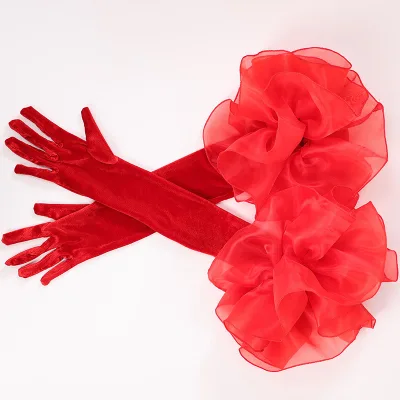


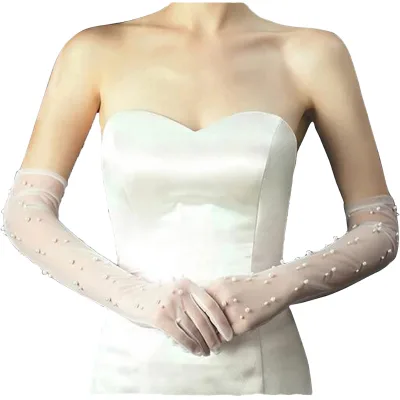
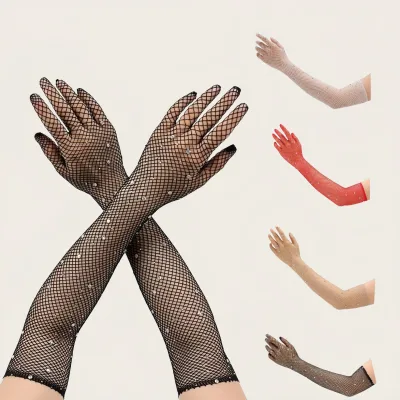
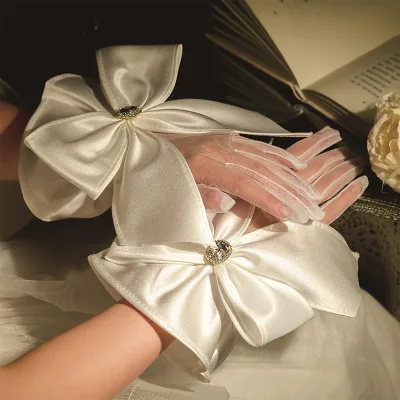
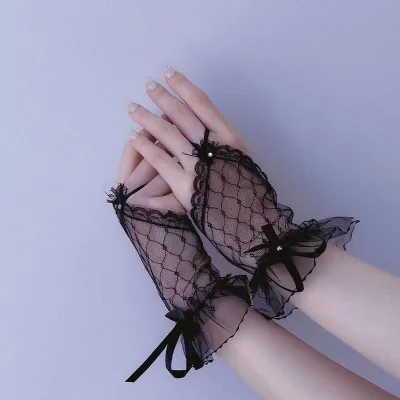
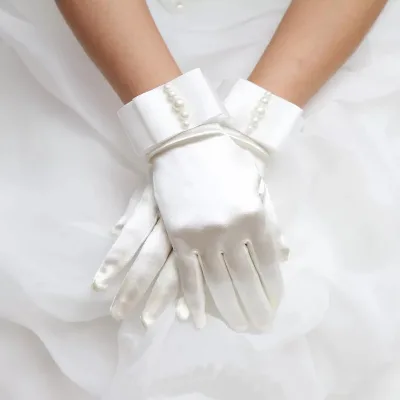
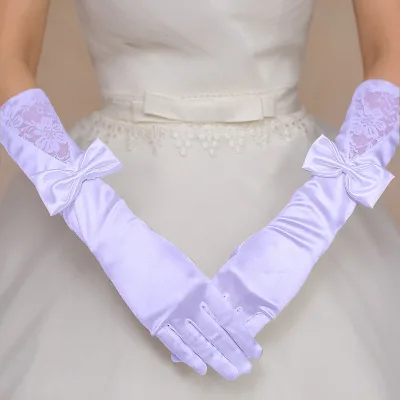
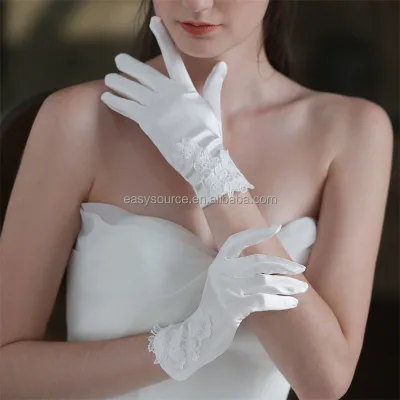
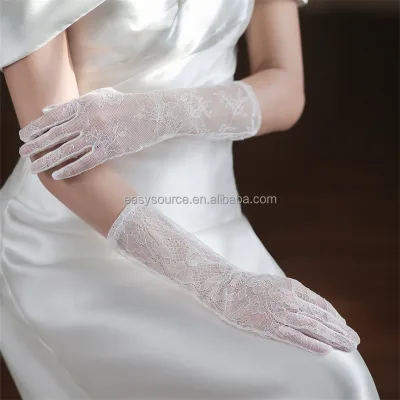


Comprehensive Sourcing Guide
Strategic Sourcing Guide for Wrist-Length Bridal Gloves
The global market for bridal accessories has evolved to prioritize both aesthetic elegance and functional versatility, with wrist-length bridal gloves emerging as a distinct category that balances tradition with modern fashion trends. For procurement professionals and wedding planners sourcing these items, the process requires a nuanced understanding of material composition, supply chain logistics, and quality assurance protocols. The following guide synthesizes available product data and industry standards to provide a comprehensive framework for evaluating suppliers and securing high-quality inventory. This analysis focuses on the specific attributes observed in current market listings, ensuring that all recommendations are grounded in verified facts rather than speculative claims.
Material Composition and Technical Specifications
The foundation of any successful procurement strategy for bridal gloves lies in the precise identification of material composition and technical specifications. Market observations indicate a diverse range of materials, with Spandex/Cotton blends and pure Cotton being prominent options. These materials are selected for their ability to offer a comfortable fit while maintaining the structural integrity required for formal wear. The presence of Spandex suggests a focus on elasticity, which is critical for ensuring the gloves accommodate various hand sizes without compromising the silhouette. In contrast, pure Cotton offerings emphasize breathability and a natural feel, which may be preferred for specific climate conditions or tactile preferences.
Technical specifications further define the product's utility and aesthetic appeal. The "Sequined" technic is a notable feature observed in several listings, indicating a decorative finish that adds sparkle and formal elegance suitable for bridal ceremonies. This embellishment technique requires careful handling during production to ensure that sequins remain securely attached, preventing shedding during wear. Additionally, the product attributes highlight a "Full-Long" style, which, while technically describing a length extending beyond the wrist, often serves as a category descriptor for gloves that provide significant coverage, including the wrist area. Buyers must distinguish between "wrist-length" and "full-long" classifications, as the latter may imply a different fit or intended use case than the specific core keyword suggests.
The sizing standards are equally critical. Data points reference specific model numbers such as GLV008, GLY-10-17, and GLY-12-02, alongside standard sizing indicators like S, M, L, and XL. The existence of multiple model numbers suggests a modular approach to manufacturing, where different specifications might cater to varying design requirements or batch productions. The single package size of 5x1x5 cm and a gross weight of 0.100 kg per item provide essential data for logistics planning, allowing buyers to calculate shipping costs and storage requirements accurately. These physical attributes are not merely descriptive; they are operational constraints that influence the entire supply chain, from packaging efficiency to freight consolidation.
Compliance, Certification, and Safety Standards
When sourcing bridal gloves, particularly those intended for commercial distribution or large-scale events, verifying compliance and certification status is paramount. While bridal gloves are primarily decorative, the inclusion of certifications in the supply data indicates a broader market context where safety and quality standards are rigorously applied. Specific certifications observed include CE Certification with references to EN 388 and EN 420 standards. It is crucial to understand that EN 388 and EN 420 are typically associated with protective gloves for industrial use, covering mechanical risks and general requirements. Their presence in the data suggests that some suppliers may offer dual-purpose products or that the category encompasses a wider range of glove types than just ceremonial wear.
Buyers must exercise caution when interpreting these certifications. If the procurement goal is strictly for bridal fashion, the relevance of industrial safety standards like EN 388 may be limited unless the gloves are marketed as multi-functional. However, the presence of these certifications serves as a strong indicator of the supplier's commitment to quality control and adherence to international testing protocols. For buyers sourcing from regions like Zhejiang and Shandong in China, verifying that the supplier maintains these certifications ensures that the manufacturing processes meet recognized benchmarks. The "Customized Accept" and "OEM/ODM" attributes further imply that suppliers are capable of adapting products to meet specific client requirements, which may include adjusting materials or finishes to align with particular certification needs.
Cost Drivers and Pricing Dynamics
Understanding the cost drivers for wrist-length bridal gloves is essential for budgeting and negotiation. The observed price range of 0.01 to 6.2 USD highlights a significant variance, likely driven by factors such as material quality, embellishment complexity, and order volume. The lower end of the spectrum may correspond to basic cotton or spandex blends with minimal decoration, while the higher end likely reflects intricate sequined designs, premium packaging, or specialized customizations. The "Sequined" attribute, for instance, adds labor and material costs that are not present in plain fabric options.
Order volume plays a decisive role in pricing. The observed Minimum Order Quantity (MOQ) ranges from 3 to 500,000 units, indicating a highly flexible supply chain that caters to both small boutique orders and large-scale wholesale distribution. Buyers should anticipate that unit costs will decrease as order quantities increase, a standard economic principle in B2B manufacturing. The "In-Stock Items" attribute suggests that some suppliers maintain inventory, which can reduce lead times and potentially stabilize pricing by eliminating the need for immediate production runs. However, for custom orders requiring specific colors or logos, the lead time and cost may increase due to the setup required for customization.
Payment terms also influence the financial dynamics of the transaction. The data indicates a "30% Deposit, Rest 70% Balance Before Shipment" structure, which is a common practice in international trade to mitigate risk for both parties. Alternative payment methods such as TT, PayPal, and Western Union offer flexibility but may carry different transaction fees or security implications. Buyers should factor these costs into their overall budget and ensure that the payment terms align with their cash flow management strategies.
Typical Applications and Usage Scenarios
The versatility of wrist-length bridal gloves extends beyond the traditional wedding ceremony. While the primary application is clearly defined as "Ceremony," the data also lists "Marching, Parade, Masonic, Church, and Party" as usage scenarios. This broadens the potential market for these products, suggesting that they are suitable for various formal events where a touch of elegance is required. The "Full-Long" style and "Sequined" technic make them particularly appropriate for high-profile events where visual impact is crucial.
Furthermore, the "Household Electrical Appliances, Gardening, Cleaning, and Pet Care" usage attributes present an interesting dichotomy. While these applications seem unrelated to bridal wear, they may indicate that the supplier produces a wide range of glove types, including industrial or utility gloves, under the same brand or product line. For buyers specifically seeking bridal gloves, it is essential to filter these listings to ensure the product matches the intended aesthetic and functional requirements. The "Non-Disposable" attribute reinforces the idea that these are durable goods meant for repeated use or long-term storage, which is consistent with the nature of bridal accessories that may be kept as keepsakes or reused for other formal occasions.
Supplier Evaluation and Geographic Considerations
Evaluating suppliers requires a careful assessment of their geographic location, production capabilities, and logistical support. The data points to two primary regions of origin: Zhejiang and Shandong, China. Zhejiang is renowned for its textile and garment manufacturing prowess, often associated with high-quality fabrics and intricate designs. Shandong, on the other hand, has a strong industrial base and is known for producing a wide variety of goods, including protective and utility gloves. The presence of suppliers in both regions suggests a competitive market with diverse sourcing options.
When evaluating suppliers, buyers should look for evidence of "OEM/ODM" capabilities, which indicate the ability to customize products according to specific brand requirements. The "Logo: Customer Demand" and "Logo: Customized Accept" attributes confirm that suppliers are willing to incorporate branding, which is vital for businesses looking to establish a unique market identity. Additionally, the "7 days sample order lead time" is a significant advantage for buyers who need to evaluate product quality before committing to large orders. This short lead time allows for rapid iteration and quality checks, reducing the risk of receiving substandard goods.
Quality Control and Long-Term Procurement Strategies
Quality control is the linchpin of a successful procurement strategy for bridal gloves. Given the delicate nature of embellishments like sequins and the importance of fit, buyers must implement rigorous inspection protocols. The "Comfortable, Soft Elastic, Durable, Wide Use" features listed in the data serve as qualitative benchmarks that should be verified through physical sampling. Buyers should test the elasticity of the Spandex/Cotton blend to ensure it returns to its original shape after stretching, a critical factor for maintaining the glove's appearance over time.
For long-term procurement, establishing a relationship with a reliable supplier is essential. The "In-Stock Items" attribute suggests that some suppliers can provide immediate fulfillment, which is beneficial for last-minute orders or replenishment needs. However, for custom designs, buyers should plan ahead to accommodate production lead times. The "Carton" packaging standard, with options for 12 pairs per dozen or 240 pairs per carton, offers scalability for different order sizes. Buyers should negotiate packaging specifications that minimize damage during transit while optimizing space utilization.
In conclusion, sourcing wrist-length bridal gloves requires a balanced approach that considers material quality, technical specifications, compliance standards, and supplier capabilities. By leveraging the observed data points and adhering to the principles of evidence-based procurement, buyers can navigate the complexities of the market and secure products that meet their specific needs. The flexibility of the supply chain, combined with the diverse range of materials and styles available, offers ample opportunities for creating unique and high-quality bridal accessories.
FAQs
What materials are used for Wrist Length Bridal Gloves?
Common materials include Spandex/Cotton blends and pure Cotton. These options provide elasticity for a comfortable fit while maintaining the structural integrity required for formal wear and ceremonies.
Can I customize the logo on these gloves?
Yes, customization is available with customer demand accepted for logos. Suppliers offer OEM and ODM services to adapt products to specific brand requirements and design preferences.
What is the typical lead time for sample orders?
A 7-day sample order lead time is supported by suppliers. This allows buyers to evaluate product quality and specifications before committing to larger production runs or bulk orders.
Which certifications do these gloves meet?
Some listings indicate CE Certification referencing EN 388 and EN 420 standards. These certifications suggest adherence to international testing protocols, though they are typically associated with protective industrial gloves.
What are the payment terms for bulk orders?
Standard terms often require a 30% deposit with the remaining 70% balance due before shipment. Alternative payment methods like TT, PayPal, and Western Union may also be accepted by vendors.
How are the gloves packaged for shipment?
Packaging typically involves 12 pairs per poly bag or 12 pairs per dozen in cartons. Bulk shipments may contain 240 pairs per carton, with options available as per requested specifications.