Source XPS Backer Board for Wall Insulation, Underfloor Heating, and Bathroom Tiling
Find and compare 12 XPS Backer Board options featuring lightweight, fireproof, and waterproof properties. Evaluate specifications such as thickness, thermal conductivity, and compressive strength to select the right material for interior wall insulation, underfloor heating, and bathroom applications.
Key considerations
Products List


$1.80 - $5.00
MOQ: 50 Square Meters


$3.00 - $15.00
MOQ: 1000 Pieces
Zhangjiagang Shenggang Enviroment Fire-Proof Construction Material Co., Ltd.


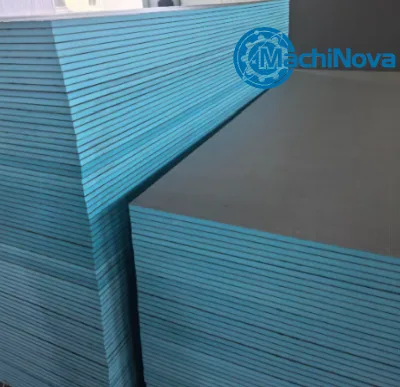
Comprehensive Sourcing Guide
XPS Backer Board Sourcing Guide
Procuring XPS Backer Board requires a disciplined approach to distinguishing between generic insulation panels and specialized tile-backing systems designed for wet areas. The supplied market data indicates a product range that integrates XPS foam with polymer mortar and fiberglass mesh, creating a composite board specifically engineered for bathroom and washroom applications. Buyers must recognize that while the core material is extruded polystyrene, the final utility of the product depends heavily on the surface treatment and the specific combination of materials used to achieve fire resistance and structural integrity.
The observed product attributes reveal a diverse market offering varying thicknesses, from 6mm to 100mm, and distinct combustion performance ratings such as Level B1. This variation necessitates a clear definition of project requirements before engaging with suppliers, as a board suitable for underfloor heating insulation may not meet the compressive strength or moisture resistance needed for a shower wall installation. Understanding these distinctions is critical for aligning the procurement strategy with the specific thermal, acoustic, and safety demands of the intended construction project.
Product Scope and Observed Listing Signals
The market for XPS backer boards presents a spectrum of configurations, ranging from standard insulation panels to composite systems featuring cement mortar and mesh reinforcement. Listings frequently highlight features such as being lightweight, fireproof, and sound-insulated, with specific applications noted for interior wall insulation, external wall insulation, and balcony insulation. Buyers should verify that the "Tile Backer Board" designation corresponds to the specific composite structure required for tiling, rather than a standard foam board that lacks the necessary surface adhesion properties for ceramic or stone finishes.
Commercial signals in the current listings indicate a wide range of customization options, including color variations like white, yellow, and blue, as well as fully customizable dimensions. The observed product models often cite standard dimensions of 2440mm by 1220mm, yet many suppliers also offer fully customizable sizes to match specific project layouts. This flexibility is a significant advantage for large-scale developments, but it requires precise communication of requirements to ensure the final delivered product matches the architectural drawings and installation specifications.
Technical Specifications to Verify
Thickness and density are the primary technical parameters that dictate the performance of the XPS Backer Board in different load-bearing scenarios. The observed data shows thickness specifications ranging from 6mm up to 100mm, with specific listings noting ranges of 8mm to 20mm or 10mm to 50mm. Buyers must confirm the exact thickness required for their application, as thinner boards may be suitable for vertical wall insulation, while thicker variants are often necessary for underfloor heating systems or areas requiring higher impact resistance.
Compressive strength and thermal conductivity are equally critical metrics that determine the board's suitability for structural and energy efficiency goals. The market data indicates compressive strength values ranging from 30kPa to 1000kPa, with specific composite boards achieving resistance between 350kPa and 700kPa. Additionally, thermal conductivity is observed at values as low as 0.03 W/(m·K), which is essential for maintaining energy efficiency in building envelopes. Procurement teams must request specific test reports to verify that the selected product meets the minimum compressive strength and thermal performance thresholds defined by the project engineer.
Compliance and Safety Documentation
Fire safety is a paramount concern when selecting XPS backer boards, particularly for interior applications in residential and commercial buildings. The observed listings frequently cite a combustion performance rating of Level B1 and a fire resistance rating of 1, indicating a material that is self-extinguishing and difficult to ignite. However, buyers must not assume all listed products meet these standards without verification, as fire ratings can vary based on the specific additives and the thickness of the polymer mortar layer applied to the foam core.
Beyond fire performance, moisture resistance and dimensional stability are essential for products used in wet environments like bathrooms and washrooms. The data highlights a moisture deformation percentage of ≤0.07%, suggesting a high level of resistance to water absorption that prevents warping or degradation in humid conditions. Procurement teams should demand certification documents that explicitly confirm these moisture resistance values and verify that the product is suitable for direct contact with water or high-humidity environments without compromising its structural integrity.
Cost Drivers and Commercial Terms
The pricing of XPS backer boards is influenced by the complexity of the composite structure, with boards featuring polymer mortar and fiberglass mesh generally commanding higher prices than standard foam panels. The observed price range in the market spans from $1 to $15 per unit, reflecting the significant variation in material composition, thickness, and added features like fireproofing or specific surface treatments. Buyers should be aware that lower price points may correspond to thinner or less reinforced products, necessitating a careful cost-benefit analysis to ensure the selected board meets all technical requirements without overspending on unnecessary features.
Minimum Order Quantities (MOQ) and packaging methods are significant factors that impact the total landed cost and logistics planning for procurement projects. The observed MOQ ranges from 50 to 1000 units, with packaging options varying from individual boxes and cartons to full container loads (FCL) for large-scale shipments. Understanding these commercial terms is vital for budgeting, as smaller orders may incur higher per-unit shipping costs, while larger orders might require specific container configurations to optimize space and reduce freight expenses.
Supplier Qualification and Quality Control
Supplier origin and production capacity are key indicators of reliability and consistency in the supply of XPS backer boards. The data indicates that manufacturers are located in regions such as Hunan and Beijing in China, with some listings specifying production capacities of up to 15,000 square meters. Buyers should prioritize suppliers with documented production capabilities that align with their project timelines, ensuring that the manufacturer can deliver the required volume within the specified lead time without compromising on quality control processes.
Quality assurance protocols must be rigorously evaluated to ensure that the delivered products consistently meet the specified technical standards. The observed listings mention standards such as XPS+Fiberglass Mesh+Cement Mortar, but buyers must verify that the supplier has a robust internal quality control system to maintain these specifications across all batches. Requesting samples for independent testing and reviewing past performance records can help mitigate the risk of receiving substandard materials that fail to meet the project's fire, thermal, or structural requirements.
Long-Term Procurement Checks
Warranty provisions and long-term performance guarantees are essential considerations for ensuring the durability of XPS backer boards in building applications. Some suppliers offer a lifetime warranty, which signals a high level of confidence in the product's longevity and resistance to degradation over time. However, buyers must carefully review the terms of these warranties to understand what specific conditions are covered, such as moisture damage or structural failure, and ensure that the warranty is backed by a reputable manufacturer capable of honoring claims over the long term.
Continuous monitoring of supplier performance and product consistency is necessary to maintain the integrity of the supply chain for future projects. Buyers should establish a system for tracking product performance in the field, noting any deviations from the expected specifications regarding compressive strength, thermal conductivity, or fire resistance. By maintaining a record of supplier performance and product behavior, procurement teams can make informed decisions for future sourcing, ensuring that the selected XPS backer boards continue to meet the evolving demands of the construction industry.
FAQs
What are the key features of this XPS Backer Board?
The board is lightweight and fireproof with a combustion performance level of B1. It also offers sound insulation and is suitable for various insulation scenarios including underfloor and wall applications.
Can I customize the thickness and size of the board?
Yes, customization is available for both thickness and size. The standard thickness ranges from 6mm to 100mm, and the product model can be adjusted to meet specific project requirements.
What is the thermal conductivity of the XPS Backer Board?
The thermal conductivity is low, measuring at or below 0.03. This property ensures effective insulation performance for applications such as exterior wall insulation and balcony insulation.
How strong is the compressive resistance of the material?
The compressive strength ranges from 350 to 1000 kPa depending on the specific product variant. This high strength supports its use in demanding structural and insulation applications.
Where is the XPS Backer Board manufactured?
The product originates from Hunan and Beijing in China. Some variants are also sourced from the China mainland, ensuring diverse manufacturing locations for different specifications.
What packaging options are available for shipping?
Packaging options include full container load, boxes, cartons, and pallets. These methods ensure safe transport for orders ranging from small quantities to large container loads.
Is the board suitable for bathroom and washroom use?
Yes, the board is waterproof and specifically designed for use in bathrooms and washrooms. It also serves effectively for interior and exterior wall insulation needs.