Source XLR Adapter for Audio, Video, and Lighting Systems
Find and compare 30 XLR Adapter options for professional audio, video, and lighting applications. Evaluate specifications such as pin count, plating, and electrical life to select the right connector for your equipment needs; compare the available evidence and request quotations based on your requirements.
Key considerations
Products List


$1.99 - $9.99
MOQ: 300 Pieces


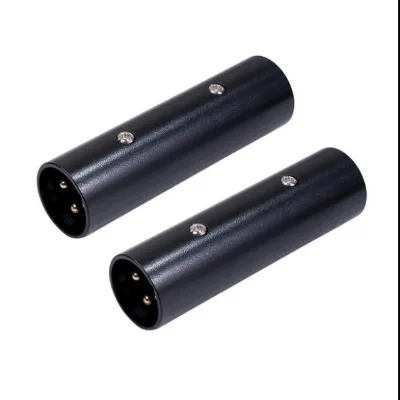
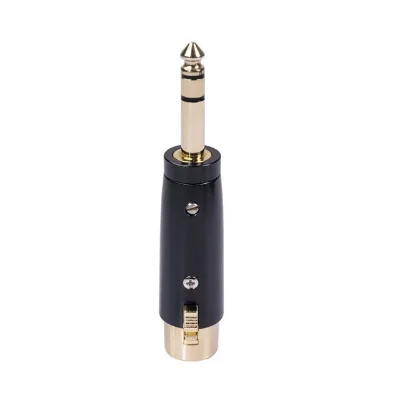


Comprehensive Sourcing Guide
XLR Adapter Sourcing Guide
Procuring XLR adapters requires distinguishing between specialized audio interconnects and generic power or data conversion tools often mislabeled in broad catalogs. The available data indicates a mix of products, including specific models like the XA526R-3M3F, which feature three pins and tin-plated contacts designed for reliable signal transmission. Buyers must carefully verify that the listed "Adapter" type aligns with professional audio requirements rather than consumer electronics charging solutions, as the market often conflates distinct categories under similar search terms.
The observed product landscape includes items with varying specifications, such as those originating from Zhejiang and Guangdong, China, with packing configurations ranging from individual bags to cartons. While some listings mention high-power capabilities like 140W GaN charging, true XLR adapters focus on low-voltage signal integrity with specific contact resistance and insulation resistance values. Sourcing success depends on filtering out unrelated power bricks and identifying components that strictly adhere to the mechanical and electrical standards required for professional audio and video equipment integration.
Product Scope and Observed Listing Signals
Buyers should prioritize listings that explicitly define the adapter's gender and pin configuration, as the data shows male connectors with three pins are common for specific interconnect needs. The presence of tin plating on the contact plates suggests a focus on corrosion resistance, which is critical for maintaining signal quality in environments with varying humidity. It is essential to confirm that the "3-pin" designation matches the intended XLR standard, as mismatched pin counts can lead to incompatible connections in professional audio setups.
The observed listings also reveal a significant variance in product descriptions, with some items labeled as portable chargers or noise-cancelling devices rather than pure audio adapters. This signals a need for rigorous keyword filtering to isolate genuine XLR components from unrelated electronics like USB-C power delivery units or wired headsets. Procurement teams must scrutinize the "Type" attribute to ensure it refers to a mechanical connector adapter rather than a functional electronic device, preventing the accidental purchase of items that cannot fulfill the intended audio routing purpose.
Technical Specifications to Verify
Technical validation must begin with electrical performance metrics, specifically looking for contact resistance values below 15 milliohms and insulation resistance exceeding 100 milliohms. These parameters are critical for ensuring minimal signal loss and preventing short circuits in high-fidelity audio applications. Buyers should request test reports confirming these specific thresholds, as the observed data highlights these exact figures as key performance indicators for reliable adapter functionality in professional settings.
Mechanical durability and physical dimensions are equally vital, with insertion and extraction forces typically ranging between 2 and 20 Newtons to ensure a secure yet serviceable connection. The data indicates a test voltage of 500VDC, which serves as a benchmark for dielectric strength and safety under operational stress. Additionally, verifying the electrical life expectancy of 5000 cycles helps assess the long-term viability of the component, ensuring it can withstand the repeated plugging and unplugging common in live event and studio environments.
Compliance and Safety Documentation
Regulatory compliance is a non-negotiable aspect of sourcing, with RoHS approval appearing as a standard requirement for the observed product models. This certification ensures that the materials used, including the tin plating and metal contacts, do not contain restricted hazardous substances, aligning with international environmental standards. Buyers must verify that the supplier provides valid RoHS documentation for each batch, as the absence of this certification can lead to customs delays or rejection in regulated markets.
Safety standards also extend to the physical construction and electrical isolation of the adapter. While some listings mention specific dimensions like 20x10x5mm, these should be cross-referenced against industry standards for connector housing to ensure proper fit and strain relief. The presence of over-current protection in related power products highlights the importance of verifying that audio adapters do not inadvertently introduce electrical hazards, even if they are passive components, by ensuring they meet the necessary insulation and voltage withstand requirements.
Cost Drivers and Commercial Terms
Pricing in this category is influenced by the complexity of the plating process and the precision of the contact geometry, with observed ranges spanning from nominal values to higher tiers for specialized models. The minimum order quantity (MOQ) varies significantly, ranging from single units to 5000 pieces, which directly impacts the unit cost and inventory strategy for the buyer. Understanding these MOQ thresholds is essential for small-scale prototyping versus large-volume production runs, as bulk purchasing often unlocks more favorable pricing structures.
Commercial terms must account for the specific packaging requirements, which include options like 4 pieces per bag or bulk carton shipments. The origin of the product, whether from Zhejiang or Guangdong, can affect logistics costs and lead times, necessitating a clear agreement on shipping responsibilities. Buyers should negotiate terms that reflect the customization availability, as custom orders may incur additional setup fees or extended lead times compared to standard off-the-shelf inventory.
Supplier Qualification and Quality Control
Supplier qualification should focus on manufacturers with a proven track record in producing precision electronic components, particularly those with origins in established manufacturing hubs like Zhejiang and Guangdong. The data indicates a mix of product models, suggesting that suppliers may offer diverse portfolios; therefore, buyers must verify that the specific factory has the tooling and expertise to produce the exact XLR Adapter specifications required. Requesting samples for physical inspection is a critical step to validate the quality of the tin plating and the mechanical fit of the 3-pin configuration.
Quality control protocols must include rigorous testing of the electrical life and insertion forces to ensure consistency across batches. The observed data mentions specific test voltages and resistance values, which should be part of the supplier's standard quality assurance process. Buyers should require a Certificate of Conformance that explicitly references these test parameters, ensuring that every delivered unit meets the stringent performance criteria necessary for professional audio applications without failure.
Long-Term Procurement Checks
Sustainable procurement requires establishing a relationship with suppliers who can maintain consistent quality over time, especially given the high cycle life expectations of 5000 operations. Regular audits of the manufacturing process help ensure that the tin plating and contact resistance remain within the specified limits, preventing degradation that could compromise audio signal integrity. Buyers should implement a periodic re-qualification process to verify that the supplier continues to meet the RoHS and other safety standards without deviation.
Future-proofing the supply chain involves monitoring the availability of raw materials and the stability of the production line for specific models like the XA526R-3M3F. As technology evolves, the ability of the supplier to adapt to new standards or customization requests will be a key differentiator. Establishing clear communication channels for technical support and change management ensures that any necessary adjustments to the adapter design or specifications can be implemented smoothly without disrupting the buyer's production schedule.
FAQs
What are the electrical specifications for the XA526R-3M3F adapter?
The XA526R-3M3F adapter features a contact resistance of less than 15 milliohms and insulation resistance exceeding 100 milliohms. It supports a test voltage of 500VDC with an insertion and extraction force ranging from 2 to 20 Newtons. The electrical life is rated for 5000 cycles, ensuring reliable performance for industrial applications requiring stable connectivity.
Can this adapter be customized for specific industrial requirements?
Yes, customization is available for this adapter to meet specific industrial needs. The product supports tailored configurations, allowing buyers to adjust parameters according to their operational standards. This flexibility ensures that the adapter integrates seamlessly into diverse systems, providing a solution that aligns precisely with unique technical specifications and functional demands.
What materials are used in the construction of this adapter?
The adapter utilizes a tin-plated plate and a nickel-plated surface for enhanced durability and corrosion resistance. These material choices ensure long-term reliability in various environments. The construction focuses on maintaining stable electrical connections while protecting against environmental factors, making it suitable for applications requiring robust and consistent performance over extended periods of use.
What is the packaging format for bulk orders of this adapter?
The adapter is packaged in bags containing four pieces each, with bulk shipments organized in cartons. This packaging format ensures safe handling and efficient storage during transit. The structured packaging protects the components from damage, facilitating easy inventory management and distribution for buyers who require consistent supply chains for their manufacturing or assembly processes.
Where is this adapter manufactured and what standards does it meet?
This adapter is manufactured in Zhejiang, China, and meets Rohs Approved standards. The production location ensures access to established supply chains and manufacturing expertise. Compliance with Rohs standards indicates adherence to environmental regulations, providing buyers with confidence in the product's safety and regulatory compliance for international markets and sensitive industrial applications.
What are the cable diameter specifications for this adapter?
The adapter supports cable diameters of 4mm and 5mm, providing versatility for various wiring configurations. This specification allows for compatibility with a range of cable types commonly used in industrial and commercial settings. The design ensures a secure fit for these specific diameters, maintaining signal integrity and mechanical stability during operation.