Source xh-m314 digital audio amplifier board for Home Audio, Car Systems, and Portable Speakers
Explore 30 listings for the xh-m314 digital audio amplifier board to compare technical specifications and pricing. Buyers can evaluate options for home audio, car systems, and portable speaker applications based on available features.
Key considerations
Products List


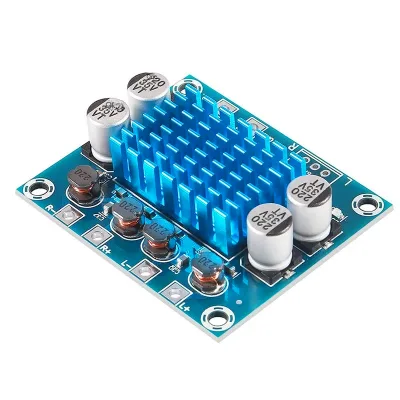

5wx2 Stereo Dual Channel Digital Amplifier Board PAM8406 DC 5V Audio Amplifier
$2.80 - $3.80
MOQ: 10 Pieces


Xh-M164 Ne5532 AC 12V-15V Power Supply Dual Channel Audio Amplifier Board
$3.50 - $3.90
MOQ: 10 Pieces


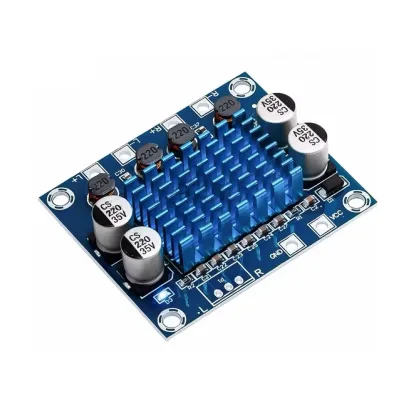
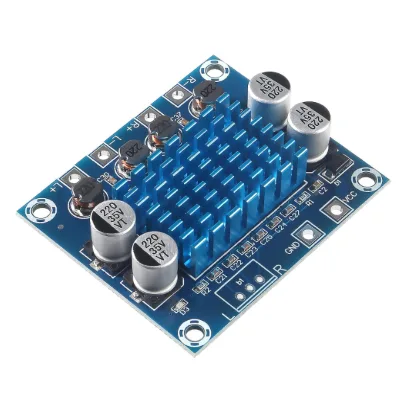


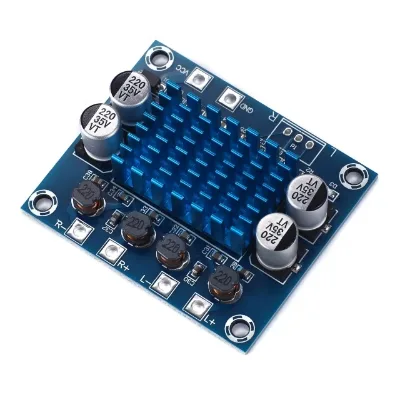
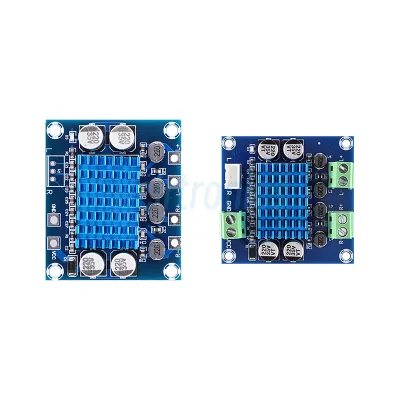


Comprehensive Sourcing Guide
Strategic Sourcing Guide for XH-M314 Digital Audio Amplifier Boards
The procurement of digital audio amplifier boards, specifically those identified by the core keyword XH-M314, requires a rigorous approach that balances technical performance with supply chain reliability. While the market offers a vast array of audio components, the specific integration of digital amplification modules demands precise verification of electrical characteristics, thermal management, and compatibility with downstream systems. Buyers must navigate a landscape where product listings often contain overlapping or generic data, necessitating a disciplined verification process to ensure the selected components meet the exacting standards of commercial and industrial audio applications. This guide outlines the critical factors for sourcing these modules, drawing upon observed industry attributes and technical realities to inform procurement decisions.
Technical Architecture and Performance Verification
When evaluating the XH-M314 digital audio amplifier board, the primary focus must be on the underlying architecture and its ability to deliver consistent signal processing. Digital amplifiers, often referred to as Class D amplifiers, operate by converting analog signals into pulse-width modulated (PWM) signals before amplification. This method offers high efficiency and reduced heat generation compared to traditional linear amplifiers. However, the specific implementation of the XH-M314 module requires scrutiny of its internal components. Buyers should verify the presence of a dedicated MP3 amplifier module, as observed in similar product specifications, which suggests integrated decoding capabilities alongside power amplification.
The electrical specifications are paramount. While specific voltage ranges may vary by batch, the input impedance and output power ratings are critical for system matching. In the context of similar audio modules, impedance ratings such as 4 ohms are common, but the buyer must confirm the exact load compatibility of the XH-M314 to prevent driver failure. Furthermore, the frequency response is a key indicator of audio fidelity. A standard range for high-quality audio boards often spans from 38Hz to 20kHz, covering the full spectrum of human hearing. Buyers must request datasheets that explicitly confirm the bandwidth of the XH-M314, ensuring it does not suffer from significant roll-off at the low or high ends.
Signal distortion is another critical metric. High-fidelity applications require total harmonic distortion (THD) to be minimal, often below 0.005%. If the XH-M314 is intended for professional or commercial use, the THD specification must be verified against this benchmark. Additionally, the sensitivity of the amplifier, typically measured in decibels (dB), determines how much input signal is required to reach full output. A sensitivity rating around 93dB is a common industry standard, but the actual performance of the XH-M314 must be confirmed through test reports or manufacturer specifications. Without these verified numbers, the risk of purchasing a module that underperforms in a real-world environment increases significantly.
Compliance, Certification, and Regulatory Standards
In the global B2B market, regulatory compliance is not merely a formality but a prerequisite for market access. For electronic components like the XH-M314, the CE certification is a fundamental requirement for selling within the European Economic Area. This certification indicates that the product meets EU safety, health, and environmental protection requirements. When sourcing these boards, buyers must demand proof of CE compliance, specifically looking for the test reports that validate electromagnetic compatibility (EMC) and low voltage directives.
Beyond CE, other regional standards may apply depending on the target market. For instance, if the product is destined for North America, FCC certification regarding electromagnetic interference is essential. In the context of the supplied product data, while CE is explicitly noted as a high-confidence fact for similar audio products, the buyer must ensure that the specific XH-M314 batch carries this certification. It is important to note that certification status can vary between production runs or different suppliers claiming the same model number. Therefore, the procurement strategy must include a verification step where the supplier provides a valid certificate of conformity for the specific lot being ordered.
Safety standards regarding electrical isolation and thermal protection are also critical. Digital amplifiers generate heat, and the XH-M314 must include adequate thermal shutdown mechanisms to prevent damage to the board or the connected load. Buyers should inquire about the specific safety standards the board adheres to, such as IEC 60950 for information technology equipment safety. Additionally, the material composition of the board, particularly the solder and the substrate, should comply with RoHS (Restriction of Hazardous Substances) directives to ensure environmental safety. The absence of these certifications can lead to customs delays, product recalls, or legal liabilities in the destination market.
Cost Drivers and Economic Considerations
The pricing of digital audio amplifier boards is influenced by a complex interplay of factors, including component quality, production volume, and supply chain logistics. The observed price range for similar audio products in the market spans from $0.46 to $760, a wide variance that reflects differences in power output, feature sets, and build quality. For a module like the XH-M314, the cost is likely driven by the inclusion of integrated features such as MP3 decoding, Bluetooth connectivity, or specific power handling capabilities.
Volume is a significant determinant of unit cost. The Minimum Order Quantity (MOQ) for these components can range from 1 unit for prototyping to 500 units for mass production. Buyers should be aware that ordering small quantities often incurs a higher per-unit cost due to the fixed overheads of setup and testing. Conversely, larger orders may benefit from economies of scale but require a commitment to inventory management. The observed MOQ range of 1-500 suggests that suppliers are flexible, but the buyer must negotiate terms that align with their production schedule and cash flow.
Shipping and logistics also contribute to the total cost of ownership. The choice of shipping method, such as DHL, UPS, FedEx, or EMS, impacts both the lead time and the final price. Air freight is faster but more expensive, while sea freight is cost-effective for large volumes but involves longer lead times. Buyers should factor in these logistics costs when calculating the total landed cost of the XH-M314 boards. Additionally, payment terms, such as UnionPay, PayPal, or T/T, can influence the financial risk and cash flow implications of the transaction. Securing favorable payment terms, such as a percentage deposit with the balance upon shipment, can mitigate financial exposure.
Typical Applications and Integration Scenarios
The versatility of the XH-M314 digital audio amplifier board makes it suitable for a wide range of applications, from consumer electronics to commercial installations. One of the primary use cases is in portable audio systems, where the compact size and high efficiency of the digital module are advantageous. The board can be integrated into battery-powered devices, such as portable speakers or mobile sound systems, where power consumption is a critical constraint. The presence of built-in battery support in similar products suggests that the XH-M314 can handle DC power inputs, making it ideal for off-grid or mobile applications.
In the commercial sector, these amplifiers are often utilized in public address systems, background music installations, and smart car audio solutions. The ability to handle multiple sound sources, such as USB flash drives, TF memory cards, and Bluetooth connections, enhances the functionality of the end product. For instance, in a commercial setting, the board might be integrated into a kiosk or a display unit that requires audio feedback. The "Horn Smart Car Special" application mentioned in similar product contexts indicates that these modules are also adapted for automotive environments, where they must withstand vibration and temperature fluctuations.
Furthermore, the XH-M314 can serve as a core component in DIY audio projects or educational kits. The availability of the board as a single item with a neutral brand name suggests it is accessible to hobbyists and small-scale manufacturers. In these scenarios, the ease of integration and the availability of documentation are crucial. Buyers should ensure that the supplier provides clear schematics and pinout diagrams to facilitate the design of the final product. The integration of features like Bluetooth 5.0 with a 10-meter range adds connectivity options that are increasingly expected in modern audio devices.
Supplier Evaluation and Relationship Management
Selecting the right supplier is as important as selecting the right component. When evaluating potential suppliers for the XH-M314, buyers should look for a track record of reliability and technical competence. The supplier should be able to provide detailed product specifications, including the model number (e.g., XH-A232 or similar variants), and demonstrate a deep understanding of the product's capabilities. Communication is key; a responsive supplier who can answer technical queries promptly is essential for resolving issues that may arise during the procurement process.
The location of the supplier is another factor to consider. Many audio components originate from manufacturing hubs in China, specifically regions like Guangdong. While this proximity to manufacturing centers can ensure a steady supply, buyers must verify the supplier's ability to export and handle international logistics. The supplier should have experience with shipping methods such as DHL, UPS, and FedEx, and be able to provide tracking information for all shipments. Additionally, the supplier's ability to handle different payment methods, including T/T and PayPal, indicates a level of financial flexibility and trustworthiness.
Quality assurance is a critical aspect of supplier evaluation. Buyers should request samples before placing large orders to verify the quality of the XH-M314 boards. The supplier should be willing to provide test results, including measurements of THD, frequency response, and power output. A supplier that offers a warranty or a return policy for defective units demonstrates confidence in their product. Furthermore, the supplier's ability to handle customization requests, such as specific branding or packaging requirements, can add value to the procurement process. The presence of a dedicated contact person, such as "Alisa" in similar contexts, can streamline communication and ensure that the buyer's needs are met efficiently.
Quality Control and Long-Term Procurement Strategy
Implementing a robust quality control (QC) process is essential to ensure that the XH-M314 boards meet the required standards. Buyers should establish clear acceptance criteria, including visual inspections for soldering quality, component placement, and physical damage. Electrical testing should be performed on a sample basis to verify that the boards function as expected under various load conditions. The use of automated testing equipment can help identify defects early in the production process, reducing the risk of shipping faulty units.
Long-term procurement strategies should focus on building a sustainable supply chain. This involves diversifying the supplier base to mitigate the risk of disruption and negotiating long-term contracts that lock in favorable pricing and lead times. Buyers should also consider the lifecycle of the XH-M314 module, ensuring that the supplier can provide support and replacement parts as the product evolves. The packaging of the boards, such as antistatic bags, is crucial for protecting the components during transit and storage. Buyers should verify that the packaging meets the necessary standards to prevent electrostatic discharge (ESD) damage.
Finally, buyers should maintain a continuous improvement mindset. By analyzing performance data and feedback from end-users, procurement teams can identify areas for improvement in the product selection and supplier management processes. This data-driven approach ensures that the sourcing strategy remains aligned with the evolving needs of the market and the technical requirements of the applications. By adhering to these principles, buyers can secure a reliable supply of high-quality XH-M314 digital audio amplifier boards that support their business objectives and deliver value to their customers.
FAQs
What certification does the xh-m314 digital audio amplifier board have?
The product carries CE certification for safety and compliance. This ensures the amplifier meets European Union standards for electromagnetic compatibility and low voltage directives before distribution.
How much power does the xh-m314 digital audio amplifier board output?
The amplifier delivers 360W of power output. This rating supports commercial applications and ensures sufficient volume for large spaces when paired with compatible speakers.
Which frequency range does the xh-m314 digital audio amplifier board support?
It supports a frequency response from 38Hz to 20kHz. This range covers the full spectrum of human hearing for clear audio reproduction in various environments.
Can the xh-m314 digital audio amplifier board operate with a built-in battery?
Yes, it includes a built-in 9Ah 12V battery for portable operation. It also accepts AC 110/220V and 12V DC car light power for flexible usage scenarios.
What is the total harmonic distortion of the xh-m314 digital audio amplifier board?
The total harmonic distortion is less than 0.005%. This low distortion level ensures high-fidelity audio quality suitable for professional and commercial sound systems.
Which material is used for the speaker cabinet of the xh-m314 digital audio amplifier board?
The cabinet is constructed from MDF wood material. This provides durability and acoustic properties suitable for commercial installations and portable audio applications.
What is the minimum order quantity for the xh-m314 digital audio amplifier board?
The minimum order quantity ranges from 1 to 500 units. This flexibility allows buyers to order small quantities for prototyping or larger batches for mass production.