Source Yellow Trianine UV Light Absorber for Plastics
Find and compare 30 listings for Yellow Triazine UV Light Absorber suitable for polyolefins and resin additives. Evaluate specifications like purity, melting point, and packaging options from verified Chinese manufacturers to identify the right stabilizer for your production needs.
Key considerations
Products List


![[HOSOME]UV-1600 As Special Triazine Based High-efficiency Light Stabilizer for Polyester/polycarbonate CAS 204583-39-1](https://file.focusaim.com/api/image/preview/4b780472f291bc47c489592916f66500.png?bi=true&local=true)






Comprehensive Sourcing Guide
Yellow Triazine UV Light Absorber Sourcing Guide
Procuring yellow triazine-based UV light absorbers requires a nuanced understanding of chemical stability, optical performance, and regulatory compliance. These additives are critical for extending the lifespan of polymeric materials by dissipating harmful ultraviolet radiation before it can degrade molecular chains. Buyers must distinguish between different triazine derivatives, as their solubility profiles, thermal stability, and color characteristics vary significantly. This guide provides a structured approach to evaluating suppliers, verifying technical specifications, and ensuring that the selected product aligns with specific manufacturing requirements.
The market offers a range of triazine absorbers, from high-purity powders to liquid formulations, each suited for different processing methods. Understanding the distinction between these forms is essential for selecting the right additive for your resin system. This guide focuses on the key decision points for sourcing these materials, including technical verification, compliance checks, and commercial terms, to help buyers mitigate risk and secure reliable supply chains.
Product Scope and Observed Listing Signals
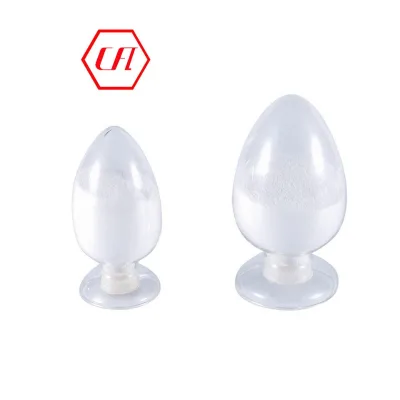
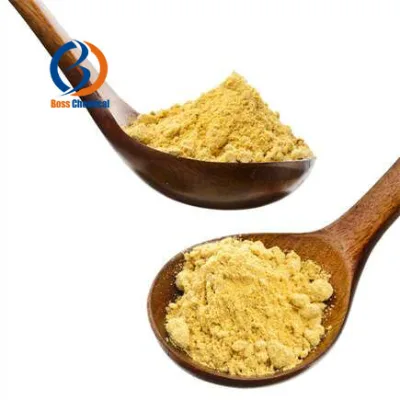
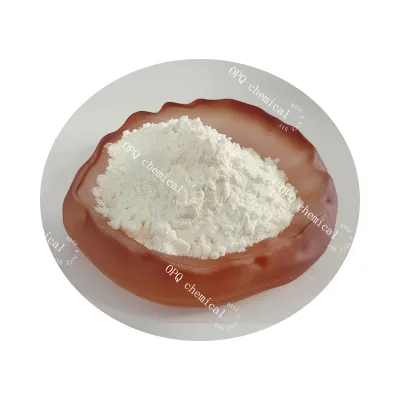
The observed product landscape includes a variety of UV absorbers, with specific models such as UV-460 and UV-329 representing distinct chemical classes. UV-460 is identified as a powder with a melting point of 103-105 °C and a purity of 99%, while UV-329 is listed as a liquid. These physical states dictate handling procedures and compatibility with different polymer matrices. Buyers should note that while some products are described as white to light yellow powder, others may appear as yellow liquids, reflecting the inherent coloration of certain triazine structures or impurities.
Pricing and minimum order quantities (MOQ) vary widely across listings, with observed prices ranging from $1 to over $200 USD and MOQs from 1 kg to 1000 units. This variance often correlates with purity levels, packaging formats, and supplier tier. For instance, products packaged in drums or pallets may cater to industrial-scale operations, whereas smaller bag or carton packages suit pilot runs or specialized applications. Buyers must align their procurement volume with the supplier’s standard packaging, such as 25 kg, 200 kg, or 1000 kg drums, to avoid additional handling costs or storage issues.
Technical Specifications to Verify
Verifying the chemical identity and physical properties is paramount when sourcing UV absorbers. Key attributes to confirm include the molecular weight, density, and solubility profile. For example, specific triazine absorbers have a molecular weight of 323 g/mol and a density of 1.18 g/cm³ at 20°C. Solubility is a critical factor; some products are soluble in acetone and benzene but insoluble in water, which influences their compatibility with aqueous or organic resin systems. Buyers should request detailed technical data sheets (TDS) that explicitly state these parameters to ensure compatibility with their specific application.
Thermal stability and light transmittance are equally important for processing efficiency and final product performance. The thermal decomposition temperature for certain triazine absorbers is around 220°C, suggesting that processing temperatures should be maintained 10-20°C lower to prevent degradation. Additionally, light transmittance values, such as ≥95% at 460nm and ≥97% at 500nm, indicate the material’s effectiveness in the visible spectrum. Buyers must verify that the selected absorber does not impart excessive coloration or reduce the clarity of the final plastic product, especially for applications requiring high optical transparency.
Compliance and Safety Documentation
Regulatory compliance is a non-negotiable aspect of sourcing chemical additives. Buyers must ensure that suppliers provide valid REACH registration certificates, as this is a standard requirement for chemical substances in many markets. The presence of certifications such as ISO 9001, ISO 14001, ISO 22301, and ISO 45001 indicates a supplier’s commitment to quality, environmental management, business continuity, and occupational health and safety. However, buyers should verify the current validity of these certifications and request copies of the certificates to confirm that the specific product batch is covered under the supplier’s compliance framework.
Safety data sheets (SDS) must be reviewed to understand handling, storage, and disposal requirements. Attributes such as flash point (e.g., 150°C) and loss on heating (≤0.50%) provide insights into the material’s stability and safety during processing. Buyers should also check for specific chemical identifiers like CAS numbers (e.g., 204583-39-1 or 154702-15-5) and EINECS numbers (e.g., 440-520-9) to ensure accurate identification and regulatory tracking. Ensuring that the supplier provides up-to-date SDS documents is crucial for maintaining workplace safety and regulatory compliance.
Cost Drivers and Commercial Terms
Several factors influence the final cost of UV absorbers, including purity, packaging, and order volume. High-purity products (e.g., 99% purity) typically command higher prices due to the rigorous manufacturing and purification processes involved. Packaging also plays a significant role; products packed in specialized containers like drums with pallets may incur higher costs compared to standard bag or carton packaging. Buyers should evaluate the total cost of ownership, including shipping, handling, and storage, rather than focusing solely on the unit price.
Commercial terms such as MOQ and lead times can impact procurement flexibility. Suppliers may offer different MOQs based on the product type, with some allowing orders as low as 1 kg for testing purposes, while others require bulk purchases of 1000 kg or more. Lead times can vary depending on stock availability and production schedules. Buyers should negotiate clear terms regarding payment methods, delivery schedules, and return policies to mitigate financial risk. Understanding these commercial dynamics helps in budgeting accurately and planning inventory levels effectively.
Supplier Qualification and Quality Control
Evaluating supplier qualifications is essential to ensure consistent product quality and reliable supply. Buyers should prioritize suppliers with a proven track record in chemical manufacturing, particularly those with experience in producing UV absorbers for the plastics industry. Verification of the supplier’s production capabilities, including their ability to maintain consistent purity levels and physical properties, is crucial. Requesting samples for pre-production testing allows buyers to validate the product’s performance in their specific application before committing to large orders.
Quality control processes should be transparent and robust. Buyers should inquire about the supplier’s internal testing protocols, including checks for impurities, moisture content, and particle size distribution. Products with low ash content (e.g., ≤0.05%) and high solution clarity are indicative of stringent quality control measures. Additionally, buyers should assess the supplier’s ability to provide batch-specific certificates of analysis (COA) to ensure that each shipment meets the agreed-upon specifications. Establishing a strong quality assurance framework with the supplier helps in maintaining product consistency and minimizing production disruptions.
Long-Term Procurement Checks
Sourcing UV absorbers is not a one-time transaction but an ongoing relationship that requires continuous monitoring and evaluation. Buyers should regularly review supplier performance metrics, including on-time delivery rates, product quality consistency, and responsiveness to issues. Establishing key performance indicators (KPIs) and conducting periodic audits can help in identifying potential risks and areas for improvement. Maintaining open communication with the supplier ensures that any changes in product formulation or regulatory requirements are promptly addressed.
Staying informed about industry trends and regulatory updates is also vital for long-term procurement success. As environmental regulations become more stringent, suppliers may need to adapt their products to meet new standards. Buyers should proactively engage with suppliers to discuss future product developments and sustainability initiatives. By fostering a collaborative relationship, buyers can ensure a stable supply of high-quality UV absorbers that meet their evolving needs and contribute to the overall success of their manufacturing operations.
FAQs
What is the purity level of the yellow triazine UV absorber?
The product maintains a purity of 99 percent. This high-grade specification ensures effective light absorption performance while meeting industrial standards for resin additives and plastic stabilization applications.
Can I customize the packaging for this UV absorber product?
Customization is available for this product line. Buyers can select from standard bag or carton options, with specific packing configurations like drums and pallets available for larger industrial orders.
Which certification does the yellow triazine UV absorber hold?
The product holds REACH certification for environmental safety. This compliance ensures the chemical meets strict European regulations regarding chemical safety and environmental protection for industrial use cases.
How does the melting point affect processing temperatures?
The melting point ranges from 103 to 105 degrees Celsius. Processing temperatures should be maintained 10 to 20 degrees lower than the thermal decomposition temperature of 220 degrees Celsius to ensure stability.
What is the minimum order quantity for this UV absorber?
The minimum order quantity starts at 1 kilogram. This low entry threshold allows buyers to test the product quality before committing to larger bulk orders of 1000 kilograms or more.
Where is the origin of this yellow triazine UV absorber?
The product originates from Jiangsu, China. This location is a known manufacturing hub for chemical additives, ensuring consistent supply chains for industrial grade stabilizers and resin additives.