Source Yellow Urolithin A Powder for Muscle Recovery and Anti Aging
Find 30 verified listings for Yellow Urolithin A Powder suitable for food additives, cosmetics, and muscle performance supplements. Compare purity levels, packaging options, and supplier certifications to identify the best match for your needs; compare the available evidence and request quotations based on your requirements.
Key considerations
Products List
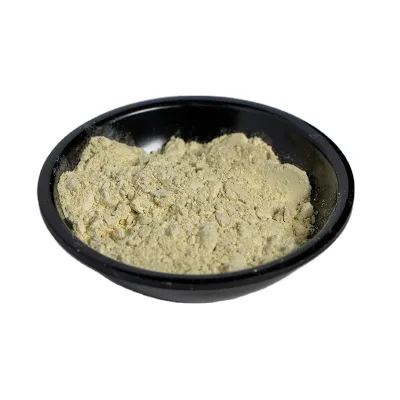
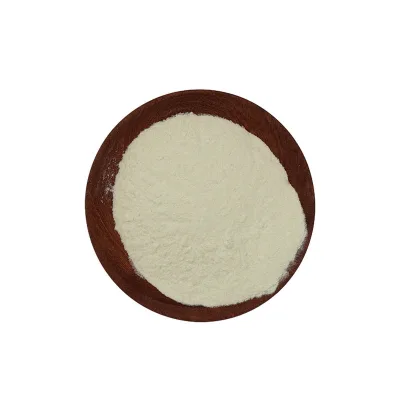


Slow Aging Healthcare 99% Pure Urolithin a Powder Urolithin a Powder Manufacturer
$1100.00 - $1150.00
MOQ: 5 kg


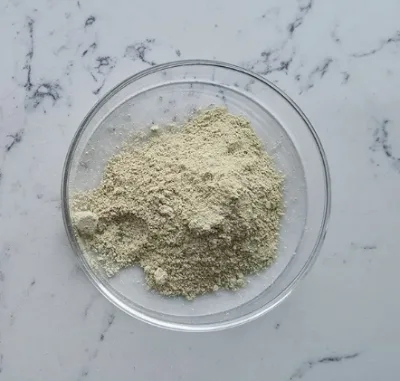
High Purity Raw Material Urolithin a Liposome Supplement Urolithin a Powder
$462.00 - $630.00
MOQ: 10 kilograms
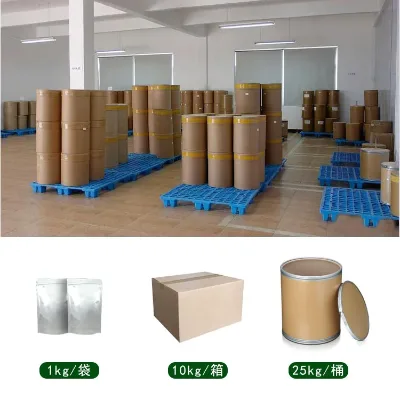
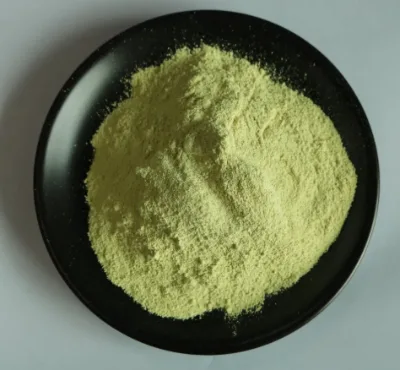
High Purity Low Price 98% Urolithin a Powder for Health Enhancement
$475.41 - $648.29
MOQ: 10 kilograms
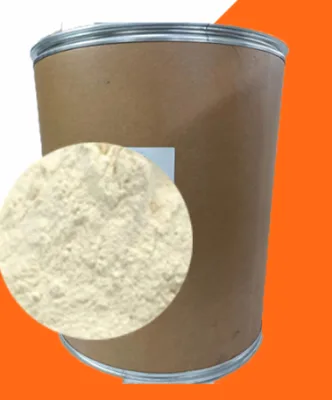
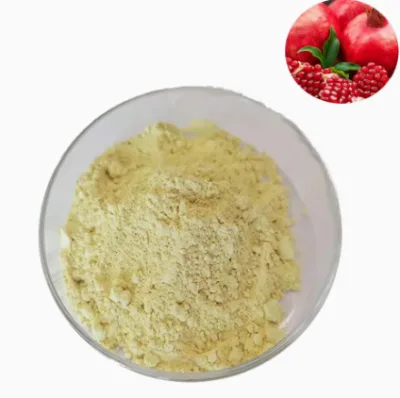
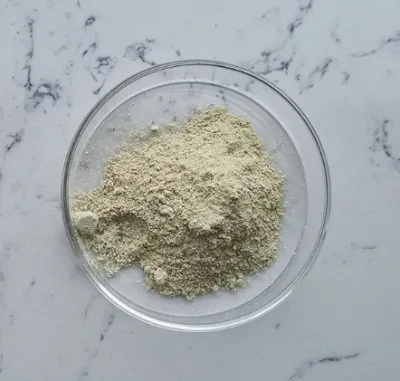


Comprehensive Sourcing Guide
Yellow Urolithin A Powder Sourcing Guide
Sourcing Yellow Urolithin A Powder requires careful attention to supplier transparency and product consistency, as market listings often present conflicting visual and chemical data. Buyers must navigate a landscape where observed attributes vary significantly, with some suppliers describing the material as a light brown or white powder while others explicitly label it as yellow. This discrepancy highlights the importance of verifying the physical appearance against the specific batch documentation before committing to any purchase order. Procurement teams should treat these visual descriptions as observational data points rather than guaranteed standards, ensuring that the received material matches the agreed-upon specifications for their specific application.
The chemical identity of urolithin a is defined by its CAS number 1143-70-0 and molecular formula C13H8O4, which serve as the primary anchors for verification. While the core keyword emphasizes the yellow variant, trusted category knowledge indicates that purity levels are the critical differentiator in this market, with listings frequently citing values of 98% or 99%. Buyers must ensure that the supplier provides a Certificate of Analysis that aligns with the stated purity, as even minor deviations can impact the efficacy of the final product. Understanding these fundamental chemical properties allows procurement specialists to filter out non-compliant offerings and focus on suppliers who provide robust analytical data for every shipment.
Product Scope and Observed Listing Signals
The product scope for urolithin a spans multiple industrial applications, primarily functioning as a food additive and a cosmetic ingredient. Market observations indicate that the material is positioned for adult use, with specific claims regarding muscle performance improvement and anti-aging benefits. These functional claims drive demand in the dietary supplement and skincare sectors, where the powder is utilized for its potential biological activity. Buyers should recognize that the same chemical entity may be marketed under different grades, such as food grade or cosmetic grade, which dictates the regulatory pathway and quality expectations for the end product.
Observed listing signals reveal a wide range in minimum order quantities, extending from small sample sizes of 10 grams to bulk orders of 10,000 kilograms. This flexibility allows companies to test market viability with small batches before scaling up production. Pricing signals also vary considerably, reflecting differences in purity, packaging, and supplier location. The presence of customization options and available samples suggests a competitive market where suppliers are eager to demonstrate product quality. Procurement teams should leverage these signals to negotiate favorable terms, using the availability of samples to validate the supplier’s ability to meet specific visual and chemical requirements before signing long-term contracts.
Technical Specifications to Verify
Technical verification must begin with the confirmation of the molecular structure and purity levels, which are critical for ensuring product efficacy. Buyers should request detailed analytical reports that confirm the presence of urolithin a and quantify any impurities, ensuring that the material meets the required 98% or 99% purity thresholds. The physical state of the powder, whether described as light brown, white, or yellow, must be consistent with the supplier’s documentation and the buyer’s internal standards. Discrepancies in appearance can indicate variations in synthesis methods or storage conditions, which may affect the stability and performance of the final formulation.
Packaging and storage specifications are equally important for maintaining product integrity during transit and storage. The material should be stored in a cool, dry place to prevent degradation, and packaging options typically include cartons, drums, or bags with standard weights such as 1 kilogram or 25 kilograms. Buyers must verify that the packaging material, often plastic or cardboard, is suitable for protecting the powder from moisture and contamination. Additionally, the shelf life of two years should be clearly stated on the product label, ensuring that the inventory remains viable for the intended duration. Confirming these technical details helps mitigate the risk of receiving compromised material that could disrupt production schedules.
Compliance and Safety Documentation
Compliance documentation is essential for verifying that the urolithin a powder meets international safety and quality standards. Buyers should require suppliers to provide a Certificate of Analysis, Material Safety Data Sheet, and any relevant regulatory certifications such as GMP, ISO 9001, USP, or BP. These documents serve as proof that the manufacturing process adheres to recognized quality management systems and that the product has undergone rigorous testing. The presence of these certifications indicates a supplier’s commitment to consistency and safety, which is crucial for products intended for human consumption or cosmetic use.
In addition to standard certifications, buyers must ensure that the supplier provides accurate EINECS numbers and other regulatory identifiers to facilitate customs clearance and regulatory compliance in the destination country. The documentation should also include details on the manufacturing origin, with China being a common source for this material. Procurement teams should verify that the supplier’s claims regarding certifications are valid and up-to-date, as outdated or forged documents can lead to significant legal and operational risks. Establishing a clear chain of custody through proper documentation ensures that the product can be traced back to its source, enhancing accountability and trust in the supply chain.
Cost Drivers and Commercial Terms
Cost drivers for urolithin a powder include the purity level, packaging complexity, and the supplier’s location, with China being a primary manufacturing hub. Buyers should analyze the price per kilogram in the context of the specified purity, as higher purity levels often command a premium. The minimum order quantity also plays a significant role in pricing, with smaller orders typically incurring higher unit costs due to setup and handling fees. Understanding these variables allows procurement teams to forecast costs accurately and negotiate better terms based on volume commitments and payment flexibility.
Commercial terms such as payment methods and shipping options can significantly impact the total cost of ownership. Suppliers often accept credit card or bank transfer payments, and shipping may be arranged via sea or air with door-to-door service options. Buyers should evaluate the total landed cost, including shipping, insurance, and potential tariffs, rather than focusing solely on the unit price. Negotiating favorable payment terms, such as letters of credit or partial payments, can improve cash flow and reduce financial risk. Additionally, clarifying the responsibilities for customs clearance and import duties ensures that there are no unexpected costs during the delivery process.
Supplier Qualification and Quality Control
Supplier qualification involves a thorough assessment of the manufacturer’s capabilities, including their production facilities, quality control processes, and track record. Buyers should verify that the supplier has the capacity to produce urolithin a consistently, with a focus on maintaining high purity levels and adhering to good manufacturing practices. The availability of customization options and the ability to provide samples are positive indicators of a supplier’s flexibility and customer-centric approach. Procurement teams should conduct site audits or request third-party verification reports to ensure that the supplier’s claims about their capabilities are accurate.
Quality control measures must be integrated into the procurement process to ensure that every batch meets the specified standards. Buyers should establish clear acceptance criteria based on the Certificate of Analysis and physical inspection results, including checks for color, odor, and particle size. Implementing a robust incoming inspection protocol helps identify any deviations from the agreed-upon specifications before the material is released for production. Regular communication with the supplier regarding quality performance and any issues encountered can foster a collaborative relationship and drive continuous improvement in the supply chain.
Long-Term Procurement Checks
Long-term procurement checks focus on maintaining supplier performance and adapting to market changes over time. Buyers should conduct periodic reviews of supplier quality, delivery reliability, and compliance status to ensure that the partnership remains beneficial. Monitoring market trends and technological advancements in urolithin a production can help identify opportunities for cost savings or product improvements. Establishing a formal supplier evaluation process with defined metrics allows procurement teams to make data-driven decisions about contract renewals and supplier development initiatives.
Risk management strategies should include diversifying the supplier base to mitigate the impact of supply chain disruptions. Buyers should maintain relationships with multiple qualified suppliers to ensure continuity of supply in case of unforeseen events. Regularly updating the list of approved suppliers and verifying their certifications ensures that the procurement process remains compliant with evolving regulatory requirements. By proactively managing supplier relationships and staying informed about industry developments, procurement teams can secure a stable and cost-effective supply of urolithin a powder for their operations.
FAQs
What is the purity level of Yellow Urolithin A Powder?
The purity level is typically 98% or 99% depending on the specific grade. Some listings specify a minimum of 99% for food grade applications, while others note 98% for general use. Buyers should verify the Certificate of Analysis to confirm the exact percentage for their needs.
How is Yellow Urolithin A Powder packaged for shipment?
Standard packaging options include 25kg cartons or drums, with some suppliers offering 1kg bags. The packaging material is often plastic or cardboard to ensure safety during transit. Customized packaging is available upon request to meet specific logistical requirements for bulk orders.
Can I get samples of Yellow Urolithin A Powder before ordering?
Yes, samples are available for most suppliers to allow quality verification before bulk purchase. The minimum order quantity for samples can be as low as 10 grams, making it easy to test the product. Buyers should confirm sample availability and shipping costs directly with the vendor.
What certifications do Yellow Urolithin A Powder manufacturers hold?
Manufacturers often hold certifications such as ISO 9001, GMP, USP, BP, and SGS. These ensure the product meets international quality and safety standards for food and cosmetic applications. Buyers should request valid certificates to verify compliance with their specific regulatory requirements.
Where is Yellow Urolithin A Powder typically manufactured?
Production primarily occurs in China, with specific origins noted in Shaanxi and Anhui provinces. These regions are known for chemical synthesis capabilities and supply chain efficiency. Buyers can expect domestic shipping options or international logistics like door-to-door service by sea or air.
What is the shelf life of Yellow Urolithin A Powder?
The product generally has a shelf life of two years when stored correctly. It must be kept in a cool, dry place to maintain stability and prevent degradation. Proper storage conditions are essential to ensure the powder remains effective for food additive or cosmetic applications.
What are the main applications of Yellow Urolithin A Powder?
It is widely used as a food additive and in cosmetic formulations for anti-aging benefits. Some applications focus on improving muscle performance and recovery for adult consumers. The powder serves as a functional ingredient in various health and wellness products globally.