Find Yoga Acupressure Mat for Relaxation, Yoga, and Massage
Source 30 Yoga Acupressure Mat for Relaxation options from Jiangsu, China. Compare materials like cotton and silicone, model numbers such as GP7345 and GP231, and MOQs ranging from 1 to 1000 pieces for body building and indoor use.
Key considerations
Products List
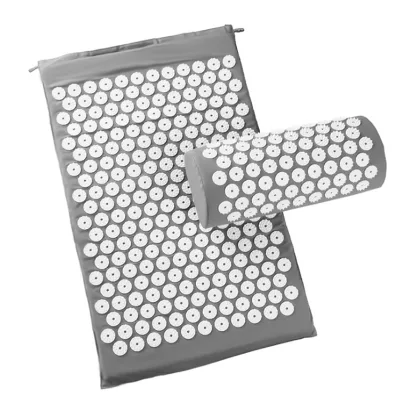
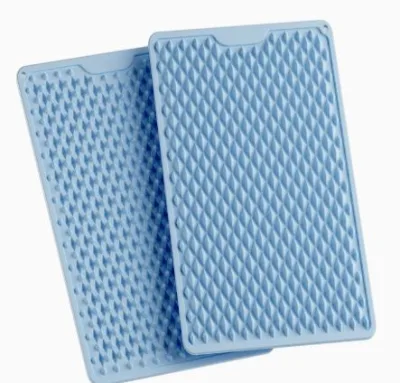
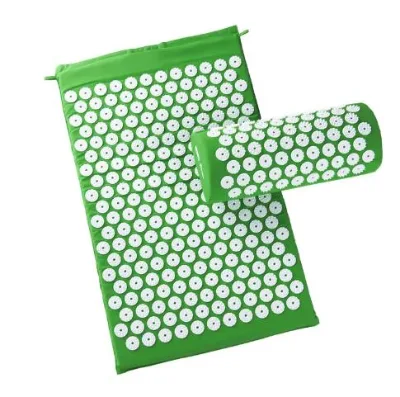
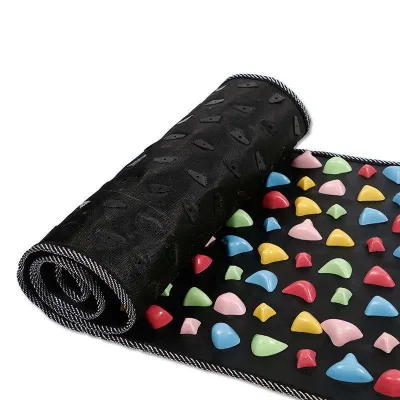
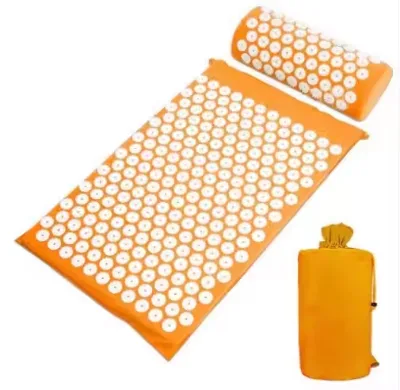
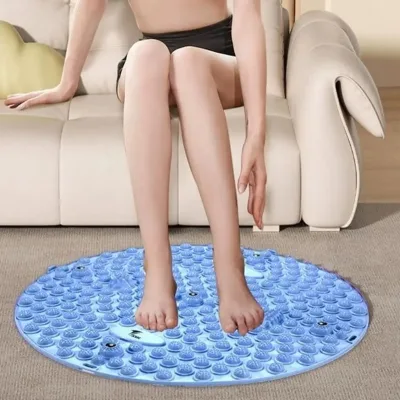


Yoga Premium Muscle Relaxation Relieves Stress Massage Acupressure Mat with Pillow
$3.00 - $10.00
MOQ: 500 Pieces

Gym Yoga Acupressure Mat for Fitness, Acupuncture Mat Set and Shakti Mat
$3.00 - $10.00
MOQ: 500 Pieces


Gym Yoga Acupressure Mat for Fitness, Acupuncture Mat Set and Shakti Mat
$7.15 - $7.55
MOQ: 100 Pieces


Factory Direct Customized Pain Relief Spiky Massage Yoga Acupressure Mat
$5.90 - $6.20
MOQ: 100 Pieces


Comprehensive Sourcing Guide
Yoga Acupressure Mat for Relaxation Sourcing Guide
Sourcing yoga and acupressure mats requires a nuanced understanding of material science, ergonomic design, and supply chain transparency. These products sit at the intersection of wellness equipment and therapeutic tools, demanding rigorous verification of both physical durability and safety compliance. Buyers must navigate a market where product names often overlap, such as distinguishing between a standard yoga mat, an acupressure mat with pins, and a yoga pillow or cushion. The core keyword "Yoga Acupressure Mat for Relaxation" suggests a focus on stress relief and physical therapy, but the actual product landscape includes diverse items ranging from cotton yoga mats to silicone-based acupressure solutions. This guide provides a structured approach to evaluating these products based on observed market data and trusted procurement principles, ensuring that buyers make informed decisions that align with their specific operational and quality requirements.
The procurement process for these items is heavily influenced by the intended application, whether for home use, commercial gyms, or therapeutic clinics. Observed listings indicate a wide variety of materials, including cotton, silicone, nylon, and PVC blends, each offering distinct benefits in terms of grip, durability, and therapeutic effect. For instance, cotton mats are often preferred for their natural feel and breathability during yoga exercises, while silicone components are frequently associated with acupressure points due to their flexibility and skin-safe properties. Understanding these material distinctions is critical for defining product specifications accurately. Buyers should avoid generic requests and instead specify the exact composition and functional attributes required for their target market, ensuring that the sourced products meet the precise needs of end-users seeking relaxation and body building support.
Product Scope and Observed Listing Signals
The current market landscape for yoga and acupressure products reveals a diverse array of offerings that cater to different segments of the wellness industry. Observed product names include "Yoga Mat," "Acupressure Mat," and "Yoga Pillow," indicating that suppliers often bundle or categorize these items under broader fitness equipment umbrellas. For example, one observed product is explicitly labeled as a "Yoga Mat" made from cotton, suitable for body building and yoga exercises, while another is an "Acupressure Mat" constructed from silicone, designed for massage and indoor relaxation. These distinctions are vital for buyers to recognize, as the functional requirements for a cotton yoga mat differ significantly from those of a silicone acupressure mat. The presence of products with customized logos and woven bag packaging suggests that many suppliers are equipped to handle private label orders, which is a common requirement for brands looking to establish a unique market presence.
Color and size variations further complicate the sourcing process, as they directly impact inventory management and customer satisfaction. Observed color options for yoga mats include white, black, blue, purple, green, and gray, while acupressure-related items may feature specific colors like red, black, or green. Size specifications also vary, with some products listed as "S" size or having specific dimensions such as 42*68cm for yoga pillows. Buyers must carefully align these observed attributes with their target demographic preferences. For instance, a brand targeting minimalist aesthetics might prioritize white or gray options, while a brand focusing on vibrant, energetic designs might opt for blue or green. Additionally, the observation of "Eco Friendly Yoga Mat" listings highlights a growing consumer demand for sustainable materials, prompting buyers to verify the actual composition of "eco-friendly" claims, such as the use of cloth and PVC blends, to ensure they meet their sustainability standards.
Technical Specifications to Verify
Verifying technical specifications is paramount to ensuring that the sourced products meet functional expectations and quality standards. For yoga mats, key attributes to verify include material composition, thickness, and surface texture. Observed data indicates that some mats are made from cotton, while others may use PVC or nylon blends, each offering different levels of grip and durability. Thickness is another critical factor, with some products listed at 15mm, which may provide extra cushioning for joint protection during exercises. Buyers should request detailed material specifications and test reports to confirm that the mats provide adequate support and do not degrade quickly with use. Additionally, the observation of "Portable" and "Durable" features suggests that buyers should verify the weight and foldability of the mats, as these attributes are crucial for consumers who travel or store their equipment in limited spaces.
For acupressure mats and pillows, the focus shifts to the design and placement of pressure points, as well as the safety of the materials used. Silicone is a commonly observed material for acupressure products, valued for its flexibility and hypoallergenic properties. Buyers must verify the density and hardness of the silicone pins or nodes to ensure they provide effective massage without causing injury. The observation of "Single gross weight: 0.0 kg" for some acupressure mats is a red flag that requires clarification, as it likely indicates a data entry error or a specific lightweight design. Buyers should request actual weight measurements and dimensions to ensure the products are substantial enough to provide therapeutic benefits. Furthermore, the presence of "Customized Logo" options suggests that buyers should verify the printing or embossing techniques used, ensuring that branding does not compromise the integrity of the acupressure points or the comfort of the user.
Compliance and Safety Documentation
Compliance and safety documentation are non-negotiable aspects of sourcing wellness products, particularly those that come into direct contact with the skin. While observed data mentions "CE" certification as a low-confidence background fact, buyers must not assume that all products are certified. Instead, they should actively request and verify relevant safety certificates for each product type. For yoga mats, this may include tests for heavy metal content, phthalates, and other harmful chemicals, especially if the mats contain PVC or synthetic blends. Buyers should ensure that suppliers provide up-to-date test reports from accredited laboratories, confirming that the materials meet international safety standards for consumer goods. This is particularly important for products marketed as "Eco Friendly," as buyers must verify that the sustainability claims are backed by credible certifications and not just marketing language.
For acupressure mats and pillows, safety documentation should also cover mechanical safety, ensuring that there are no sharp edges or loose components that could pose a choking or injury hazard. Buyers should verify that the silicone or other materials used are non-toxic and hypoallergenic, especially for products intended for sensitive skin or therapeutic use. The observation of "Indoor" application suggests that buyers should also consider fire retardancy standards, depending on the target market's regulations. Additionally, buyers should request information on the manufacturing process, including quality control measures and traceability, to ensure that any safety issues can be quickly identified and addressed. By prioritizing comprehensive safety documentation, buyers can mitigate risks and build trust with their customers, ensuring that the products they source are both effective and safe for relaxation and wellness purposes.
Cost Drivers and Commercial Terms
Understanding the cost drivers and commercial terms is essential for developing a profitable sourcing strategy. Observed data indicates a wide price range, from $0.1 to $10 USD, which reflects the diversity in materials, complexity, and branding options. Cotton yoga mats may be priced differently from silicone acupressure mats due to variations in material costs and manufacturing processes. Buyers should analyze the cost structure of each product type, considering factors such as material quality, thickness, and additional features like customized logos or special packaging. The observation of "MOQ: 10 Pcs" for some yoga mats and "MOQ: 50sets" for acupressure mats highlights the importance of aligning order quantities with production capabilities and inventory needs. Buyers should negotiate flexible MOQs where possible, especially for new product launches or test orders, to minimize risk and cash flow pressure.
Packaging and logistics also play a significant role in total landed cost. The observation of "Packaging: YES" and "Packing: Woven Bag" suggests that buyers should specify packaging requirements clearly to avoid unexpected costs or damage during transit. Customized packaging, such as branded boxes or eco-friendly materials, can increase costs but may enhance brand value and customer experience. Buyers should also consider the impact of product dimensions and weight on shipping costs, especially for bulky items like yoga pillows or thick mats. Negotiating favorable Incoterms and freight arrangements can help optimize logistics costs. Additionally, buyers should be aware of potential tariffs and import duties in their target markets, which can significantly impact the final cost of goods. By carefully managing these commercial terms, buyers can achieve a competitive price point while maintaining quality and service levels.
Supplier Qualification and Quality Control
Supplier qualification is a critical step in ensuring a reliable and consistent supply of yoga and acupressure products. Buyers should conduct thorough due diligence on potential suppliers, verifying their business licenses, manufacturing capabilities, and quality management systems. The observation of "Place of Origin: Jiangsu, China" indicates a concentration of suppliers in this region, which is known for its robust manufacturing infrastructure. Buyers should visit factories or request virtual tours to assess production lines, equipment, and working conditions. Additionally, buyers should verify the supplier's experience in exporting to their target markets, including their knowledge of local regulations and customer preferences. The presence of "Customized Logo" options suggests that suppliers should have the capability to handle private label orders, which requires specific expertise in branding and quality control.
Quality control measures should be integrated into the sourcing process from the beginning. Buyers should establish clear quality standards and inspection criteria for each product type, covering aspects such as material composition, dimensions, color accuracy, and functional performance. Regular inspections, including pre-production, during-production, and pre-shipment inspections, can help identify and address issues early in the manufacturing process. Buyers should also request samples for evaluation before placing bulk orders, ensuring that the products meet their expectations in terms of quality and performance. The observation of "Durable" features suggests that buyers should test the longevity of the products under simulated use conditions. By implementing rigorous quality control protocols, buyers can minimize defects, reduce returns, and maintain a high level of customer satisfaction.
Long-Term Procurement Checks
Long-term procurement success depends on continuous monitoring and relationship management with suppliers. Buyers should establish regular communication channels to discuss performance, feedback, and potential improvements. The dynamic nature of the wellness industry means that consumer preferences and regulations may change, requiring buyers to stay informed and adaptable. Buyers should periodically review supplier performance metrics, such as on-time delivery rates, defect rates, and responsiveness to issues. The observation of "All Seasons" and "Universal" usage suggests that buyers should consider the versatility of the products in their long-term strategy, ensuring that they can meet demand throughout the year. Additionally, buyers should explore opportunities for product innovation, such as new materials or designs, to stay competitive in the market.
Sustainability and ethical sourcing are increasingly important considerations for long-term procurement. Buyers should work with suppliers who demonstrate a commitment to environmental responsibility and ethical labor practices. The observation of "Eco Friendly Yoga Mat" listings highlights the growing demand for sustainable products, prompting buyers to verify and promote these attributes. Buyers should also consider the end-of-life disposal of products, encouraging suppliers to use recyclable or biodegradable materials where possible. By prioritizing sustainability and ethical practices, buyers can enhance their brand reputation and build loyalty among environmentally conscious consumers. Regular audits and certifications can help verify these commitments, ensuring that the supply chain remains aligned with the buyer's values and long-term goals.
FAQs
What materials are used for yoga acupressure mats?
Materials vary by product, with options including silicone, cotton, nylon, and cloth with PVC. Some models feature specific dimensions like 42 by 68 centimeters or thicknesses up to 15 millimeters for enhanced comfort during relaxation exercises.
Can I customize the logo on these yoga mats?
Yes, customized logos are available for certain yoga mat models. Buyers should verify specific customization options and minimum order quantities, which can range from 10 to 50 pieces depending on the supplier and product type.
Which colors are available for yoga acupressure mats?
Available colors include white, black, blue, purple, green, gray, and red. Some products offer customized color options to match specific branding or aesthetic preferences for home or studio use.
How do I find suppliers with low minimum order quantities?
Suppliers offer varying minimum order quantities, ranging from 10 to 1000 pieces. You can identify vendors with lower thresholds by checking specific product listings that state MOQs of 10 or 25 pieces for single items.
Where are these yoga mats manufactured?
Many products originate from Jiangsu, China. This location is a common hub for manufacturing fitness equipment, including yoga mats and acupressure mats designed for body building and relaxation purposes.
What features do durable yoga mats offer?
Durable mats often feature portability and long-lasting construction suitable for all seasons. These attributes ensure the equipment remains effective for yoga exercises, pilate, and pain relief applications in various indoor settings.