Source Zikir Ring for Prayer, Meditation, and Daily Tracking
Compare 30 Zikir Ring options featuring Bluetooth connectivity, OLED screens, and manual tally functions. These smart rings support Android and iOS devices, offering vibration reminders and waterproof designs for reliable counting during prayer and meditation sessions; compare the available evidence and request quotations based on your requirements.
Key considerations
Products List
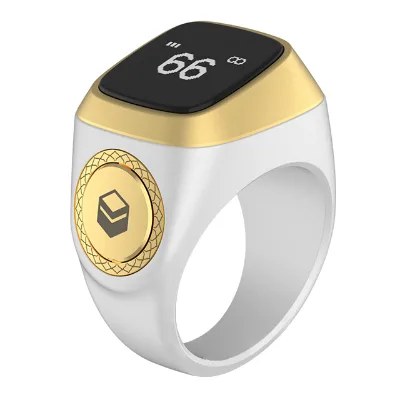

Tasbih Muslim Islamic Electronic Digital Counter APP Control Smart Zikr Ring
$7.15 - $8.29
MOQ: 100 Pieces


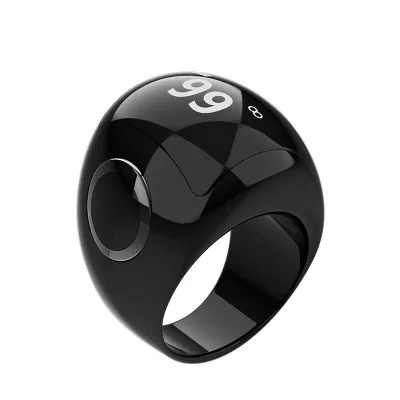







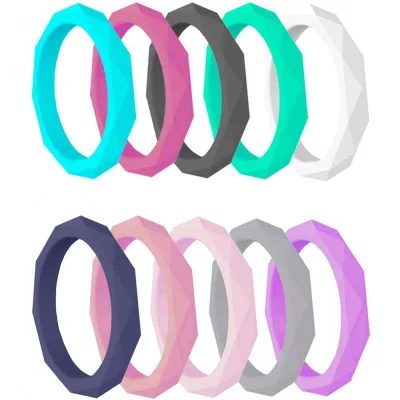
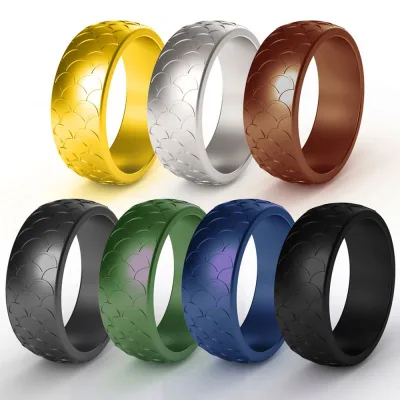
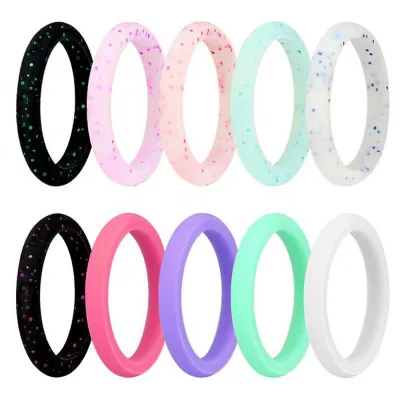
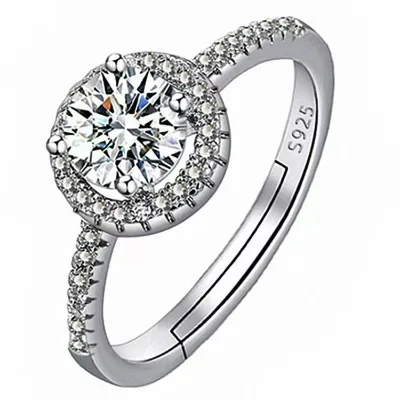
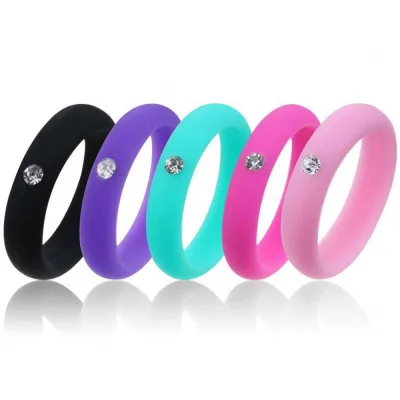
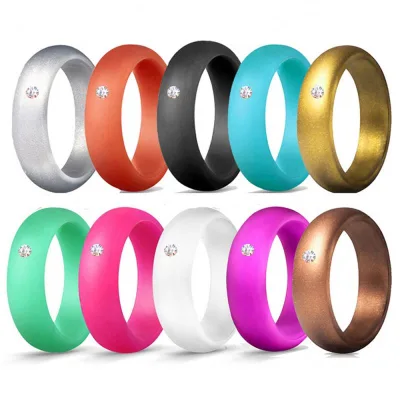
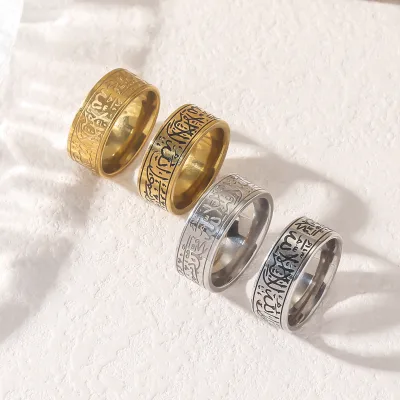

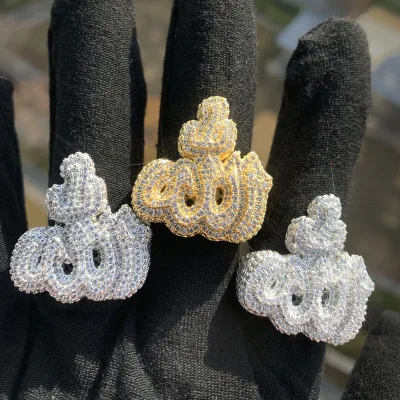

$0.10 - $1.00
MOQ: 100 Pieces

Metal Raschig Ring, Stainless Steel Raschig Ring
$200.00 - $800.00
MOQ: 1 cubic meter
Pingxiang Rongjian Environmental Protection Chemical Packing Co., Ltd
Comprehensive Sourcing Guide
Zikir Ring Sourcing Guide
The market for zikir rings presents a distinct bifurcation between traditional manual tally devices and modern smart wearable counters. Buyers must first distinguish between simple plastic manual counters designed for basic counting tasks and advanced Bluetooth-enabled rings featuring OLED screens and vibration reminders. The observed product listings indicate a wide variance in functionality, ranging from basic mechanical tallying to complex activity tracking and blood oxygen monitoring capabilities. This distinction is critical because the procurement strategy, technical verification requirements, and cost structures differ significantly between these two categories.
Sourcing decisions should be grounded in the specific operational needs of the end-user, whether for religious devotion, industrial machinery monitoring, or general fitness tracking. While some listings describe applications in metal processing machinery, the primary use case for the majority of these rings remains personal counting and prayer assistance. Procurement teams must carefully review product descriptions to ensure the selected device aligns with the intended environment, as a device rated for life waterproofing may not suffice for heavy industrial settings, while a rugged industrial component may be over-engineered for personal spiritual use.
Product Scope and Observed Listing Signals
Current market listings reveal a diverse range of product attributes, including materials like plastic and various connectivity options such as BLE 5.1 and Type-C charging ports. Buyers will encounter items labeled with specific model numbers like E01 or SR3, alongside generic descriptions such as "Smart Ring" or "Tasbih Zikr Ring." The observed data suggests that some units are marketed with specific screen dimensions, such as 0.49-inch OLED displays, while others feature smaller 0.41-inch screens. This inconsistency in specifications requires buyers to verify the exact physical dimensions and display capabilities before placing an order to ensure the product fits the user's hand and meets visual clarity requirements.
Commercial signals in the listings indicate flexible customization options and a variety of packaging types, from retail boxes to wooden crates for industrial components. The presence of mixed colors and single-item selling units suggests a market catering to both individual consumers and bulk corporate buyers. However, the coexistence of different origin locations, including specific mentions of China and other regions, necessitates careful scrutiny of the "Place of Origin" field. Buyers should not assume uniform manufacturing standards across all listings and must verify the specific origin of the batch they intend to purchase to manage logistics and potential tariff implications effectively.
Technical Specifications to Verify
Technical verification must begin with the connectivity and compatibility matrix, as the listed specifications include support for Android 5.0 and iOS 10.0 or later. Buyers need to confirm that the Bluetooth version, often cited as BLE 5.1, is compatible with the user's existing mobile devices to ensure seamless APP control and data synchronization. The charging method is another critical variable, with some products utilizing Type-C ports while others rely on magnetic docks. Verifying the specific charging interface is essential to avoid compatibility issues with existing power infrastructure or travel adapters in the target market.
Battery performance and functional longevity are equally important technical parameters that require direct confirmation from the supplier. While some listings claim a working time of about three days and a standby time of 30 days, these figures can vary based on usage intensity and environmental conditions. Buyers should also verify the specific functions offered, such as real-time chanting, reverse counting, or vibration reminders at set intervals like 33, 66, or 99. Ensuring that the device supports the exact counting logic required for the user's practice is vital, as the difference between a simple counter and a smart ring with activity tracking features can significantly impact the user experience.
Compliance and Safety Documentation
Compliance verification is essential when sourcing electronic devices that integrate into daily life, particularly those claiming water resistance or specific health monitoring features. Although some listings mention certifications like ISO, buyers must request valid, up-to-date documentation to confirm that the product meets international safety standards for electronic goods. The claim of "Life Waterproof" requires specific testing data to validate, as this term can be ambiguous without reference to an IP rating standard. Procurement teams should insist on test reports that demonstrate the device's ability to withstand water exposure under defined conditions to prevent premature failure or safety hazards.
Safety documentation must also address the electrical safety of the charging components, especially given the variety of charging methods observed in the market. Whether the device uses a Type-C port or a magnetic dock, the power supply unit and the ring itself must comply with relevant electrical safety regulations for the destination market. Buyers should verify that the product includes necessary warnings and instructions regarding battery handling, particularly for lithium-ion batteries with capacities around 35-40mAh. Ensuring that the supplier provides clear safety guidelines and compliance certificates helps mitigate liability risks and ensures the product can be legally imported and sold in the target region.
Cost Drivers and Commercial Terms
Cost structures for zikir rings are heavily influenced by the complexity of the electronics and the level of customization requested. Basic manual counters typically command lower price points, while smart rings with OLED screens, Bluetooth connectivity, and health sensors incur higher manufacturing costs. The observed price range of 0 to 800 USD reflects this disparity, with the lower end likely representing simple mechanical devices and the higher end covering advanced smart wearables. Buyers should analyze the bill of materials to understand how features like screen size, battery capacity, and waterproofing ratings contribute to the final unit cost.
Commercial terms such as Minimum Order Quantity (MOQ) and payment methods are critical factors in the procurement process. Listings indicate an MOQ of 100 pieces for certain models, though other items may be available in single units, requiring buyers to negotiate based on their volume needs. Payment options including PayPal, TT, Western Union, and Trade Assurance offer varying levels of security for both parties. Buyers should prioritize Trade Assurance for larger orders to ensure protection against non-delivery or quality disputes, while smaller orders might be more efficiently handled through direct bank transfers or digital payment platforms.
Supplier Qualification and Quality Control
Supplier qualification requires a thorough assessment of the manufacturer's ability to deliver consistent quality across different product lines. The presence of "Customized" options suggests that suppliers may offer OEM services, but buyers must verify the supplier's capacity to maintain quality control during the customization process. It is essential to request samples that match the exact specifications of the bulk order, including screen resolution, battery life, and material durability. This step ensures that the final product meets the buyer's standards before committing to a large-scale production run.
Quality control protocols should be established to monitor the manufacturing process and final product inspection. Buyers should inquire about the supplier's internal testing procedures for waterproofing, battery performance, and connectivity stability. Given the diverse applications ranging from personal use to industrial machinery parts, the quality control standards must be robust enough to handle the specific demands of the end-use environment. Establishing a clear quality agreement that defines acceptable defect rates and return policies is crucial for maintaining supply chain reliability and customer satisfaction.
Long-Term Procurement Checks
Long-term procurement success depends on the supplier's ability to provide consistent after-sales support and spare parts availability. Buyers should verify the supplier's policy on warranty claims, particularly for electronic components like batteries and screens that may degrade over time. A reliable supplier will offer clear guidelines for handling defective units and provide replacement parts or refurbished devices to minimize downtime for end-users. This support is especially important for smart rings that rely on software updates and app compatibility to remain functional.
Supply chain resilience is another critical factor for long-term partnerships, requiring buyers to assess the supplier's lead times and production capacity. The observed lead times and shipping methods, such as DHL, Epacket, and FedEx, indicate a global distribution network, but buyers must confirm the actual delivery timelines for their specific region. Regular communication and performance reviews with the supplier help identify potential bottlenecks or quality issues early. Building a strong relationship with a qualified supplier ensures a steady supply of high-quality zikir rings that meet the evolving needs of the market.
FAQs
What is the screen size of the SR3 Smart Ring?
The SR3 Smart Ring features a 0.49-inch OLED screen with a resolution of 64 by 32 pixels. This compact display allows users to view chanting counts and reminders clearly. The small form factor ensures the device remains comfortable for daily wear while providing essential digital feedback for prayer routines.
Can the Zikir Ring connect to iOS devices?
Yes, the device supports Bluetooth 5.1 connectivity and is compatible with iOS 10.0 and above. Users can control the ring via a dedicated app to manage chanting counts and vibration reminders. This ensures seamless integration with modern smartphones for tracking prayer sessions effectively.
What is the battery life of the smart ring?
The ring offers a working time of about three days on a full charge. It also features a standby time of approximately thirty days. The device uses a Type-C charging port or magnetic dock for convenient power replenishment, ensuring reliable performance during extended usage periods.
Is the Zikir Ring waterproof for daily use?
The device is rated as life waterproof, making it resistant to splashes and sweat. This feature allows for safe use during daily activities and prayer routines. While it handles minor water exposure, it is not designed for submersion, ensuring durability without compromising the electronic components.
What vibration reminders does the ring provide?
The ring provides vibration reminders at counts of 33, 66, and 99. This feature helps users track their chanting progress without needing to look at the screen. The tactile feedback ensures accurate counting during prayer, enhancing the spiritual experience by reducing visual distraction.
What is the minimum order quantity for these rings?
The minimum order quantity is typically 100 pieces. This MOQ applies to standard orders for the manual tally counter and smart ring variants. Buyers should verify specific terms with suppliers, as customization or bulk pricing may influence the final order requirements and production lead times.