Source Zinc Alloy Herb Grinder for Smokeshops, Retailers, Wholesalers
Compare 30 Zinc Alloy Herb Grinder options from Chinese manufacturers featuring customizable logos, multiple sizes, and eco-friendly designs. Buyers can evaluate specifications, pricing, and OEM services for wholesale procurement needs.
Key considerations
Products List


Hot Selling 4 Layers Zinc Alloy Dry Herb Grinder Smoking Aluminum Grinder
$0.88 - $1.39
MOQ: 500 Pieces


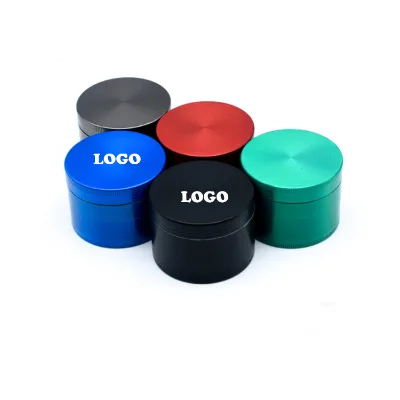


Comprehensive Sourcing Guide
Strategic Sourcing Guide for Zinc Alloy Herb Grinders
Understanding the Product Category and Core Specifications
The Zinc Alloy Herb Grinder represents a specific segment within the broader dry herb grinding market, distinguished by its material composition and durability. Unlike plastic or aluminum alternatives, zinc alloy offers a distinct balance of weight, structural integrity, and aesthetic finish. When evaluating this category, buyers must first recognize that product attributes vary significantly across different models and suppliers. The core function remains consistent: to efficiently process dry herbs into a uniform consistency suitable for various consumption methods.
Technical specifications are the primary differentiator in this market. Observed data indicates a wide variance in physical dimensions, suggesting that "zinc alloy" is a material choice rather than a uniform product standard. For instance, specific models in the market have been observed with dimensions such as 5042mm, 5623mm, and 58159mm. These size variations directly impact the grinder's capacity and portability. A unit measuring 3850mm is significantly more compact than one measuring 58*58mm, catering to different user preferences ranging from pocket-sized portability to desktop utility.
Weight is another critical specification tied to the material. The standard weight for these units can range from 80g to 321g depending on the model and design complexity. A lighter unit, such as one weighing 80g, may prioritize portability, while a heavier unit at 321g likely emphasizes stability and the "premium" feel associated with zinc alloy. Buyers should verify the exact weight and dimensions for each specific model number, such as 092414 or AGG-GR03, as these identifiers often correlate with specific capacity and feature sets. The material itself, identified as zinc alloy in several listings, contributes to the grinder's resistance to wear and tear, though the exact alloy composition should be confirmed with the supplier to ensure it meets durability expectations.
Compliance, Certification, and Material Safety Verification
When sourcing zinc alloy products, compliance and material safety are paramount, particularly given the direct contact between the grinder and consumable herbs. While the market often references general standards, buyers must exercise caution regarding specific certification claims. Some background information mentions ISO 8442, but this standard is not explicitly confirmed as a mandatory requirement for all zinc alloy grinders in the provided data. Therefore, buyers should not assume that a product automatically meets this or any other specific international standard without explicit verification from the manufacturer.
The primary compliance focus should be on material safety. Zinc alloy is generally considered safe for food contact when properly coated or finished, but the presence of lead or other heavy metals is a common concern in metal fabrication. Buyers must request Material Safety Data Sheets (MSDS) or specific test reports confirming that the zinc alloy used is free from harmful contaminants. The "Environmentally Friendly" attribute observed in some product listings suggests a potential focus on sustainable manufacturing or non-toxic finishes, but this should be treated as a claim requiring evidence rather than a guaranteed fact.
Furthermore, the "Eco-Friendly" key feature mentioned in product descriptions should be scrutinized. This could refer to the recyclability of the zinc alloy or the packaging materials, such as the "Display Box Packaging" or "Single Carton Box Packaging" observed in the market. However, without specific data on the sourcing of raw materials or the manufacturing process, this claim cannot be universally applied. Buyers should ask suppliers for documentation regarding the environmental impact of their production methods and the recyclability of the final product.
Cost Drivers and Pricing Structure Analysis
The pricing of zinc alloy herb grinders is influenced by several factors, including material costs, manufacturing complexity, and customization requirements. The observed price range in the market spans from $0.10 to $11.80 USD, a wide disparity that reflects differences in quality, size, and feature sets. Lower-priced units, likely around the $0.10 mark, may be smaller, simpler designs with minimal finishing, while higher-priced units approaching $11.80 could feature advanced mechanisms, premium coatings, or complex multi-stage grinding systems.
Material costs play a significant role in the final price. Zinc alloy is more expensive than plastic but often more cost-effective than high-grade stainless steel or titanium. The weight of the unit, ranging from 80g to 321g, directly correlates with the amount of raw material used, which is a primary cost driver. Heavier grinders will inherently cost more due to the increased material volume. Additionally, the finishing process, such as the "Top Printing on Grinder" or "Full Printing" options, adds to the production cost. Customization services, including "Customzied Iron" or specific logo methods, also increase the unit price.
Minimum Order Quantity (MOQ) is another critical factor affecting the effective cost per unit. The observed MOQ range is from 1 to 2500 units. Buyers purchasing small quantities, such as 1 unit, will likely pay a premium price per unit compared to those ordering in bulk. For large-scale procurement, negotiating MOQs closer to the 2500-unit range can significantly reduce the per-unit cost. However, buyers must balance this with their inventory capacity and cash flow. The "Free Herb Grinder Samples" service offered by some suppliers can help mitigate the risk of large orders by allowing buyers to test the product before committing to a high MOQ.
Typical Applications and Target Market Segmentation
Zinc alloy herb grinders are designed for a diverse range of applications, primarily targeting wholesalers, retailers, and smokeshop owners. The "Canna Grinder Herb Grinder" and "Tobacco Grinder Herb Grinder" categorizations indicate that these products are versatile and can be used for various dry herbs, including tobacco, cannabis, and other botanicals. The "Large Herb Grinder" and "Small, Medium, Big, Jumbo" size options suggest that the product line caters to different usage scenarios, from personal use to commercial dispensing.
The "Easy to Operate" feature is a key selling point for end-users, making these grinders suitable for a broad audience regardless of technical expertise. The "Dry Herb Grinder" function is the primary application, but the durability of zinc alloy makes them suitable for high-frequency use in commercial settings. For instance, a smokeshop owner might prefer a heavier, more durable grinder to withstand constant use by customers. Conversely, a retailer targeting individual consumers might focus on the aesthetic appeal and compact size of smaller models.
The "Application" attribute listing "Wooden Dry Herb Grinder" alongside zinc alloy options suggests that buyers should be aware of the material distinctions. While zinc alloy is the focus of this guide, the market also includes wooden alternatives. Buyers must clearly define their target market's preference for material to ensure the product selection aligns with customer expectations. The "Black Colors" and "4 Colors" or "5 Colors" options further expand the application scope, allowing buyers to match the grinder's appearance to their brand identity or the specific aesthetic preferences of their target demographic.
Supplier Evaluation and Customization Capabilities
Evaluating suppliers for zinc alloy herb grinders requires a focus on their customization capabilities and production flexibility. The market data indicates that OEM/ODM services are acceptable, and logo customization is a standard offering. Suppliers typically provide multiple logo methods, including "Top Printing on Grinder," "Full Printing," and "Customzied Iron." This flexibility allows buyers to create unique products that stand out in a competitive market.
The "Mould: Accepted" attribute suggests that suppliers are willing to invest in custom tooling for buyers who require unique designs or specific features. This is a significant advantage for brands looking to differentiate their products. However, buyers should be aware that custom mold creation often involves additional costs and longer lead times. The "Customization: Available" attribute reinforces the supplier's willingness to adapt to buyer requirements, but the extent of these customizations should be clearly defined in the contract.
When evaluating suppliers, buyers should also consider their logistics capabilities. The observed shipment methods include DHL, UPS, and FedEx, indicating that suppliers have established relationships with major logistics providers. This ensures reliable delivery options for international buyers. However, the specific lead times for production and shipping are not provided in the data, so buyers must request this information directly from potential suppliers. The "prod_origin: China" location suggests that most suppliers are based in China, which is a common hub for metal fabrication and grinder manufacturing. Buyers should verify the supplier's ability to handle international shipping and customs clearance to avoid delays.
Quality Control and Long-Term Procurement Considerations
Ensuring consistent quality is essential for long-term procurement success. The "prod_packing" options, such as "Display Box Packaging," "Single Carton Box Packaging," and "Master Carton," indicate that suppliers offer various packaging solutions. Buyers should select packaging that protects the product during transit and presents it attractively to end-users. The "Single Box Packaging" and "Master Carton" options suggest scalability, allowing buyers to choose packaging that fits their distribution needs.
Quality control should focus on the structural integrity of the zinc alloy and the precision of the grinding mechanism. Buyers should request samples to test the grinder's performance, checking for issues such as loose parts, uneven grinding, or surface defects. The "Key Feature 1: Metal Grinders Herbs" and "Key Feature 2: Large Herb Grinder" attributes highlight the importance of robust construction. Buyers should verify that the grinder can withstand repeated use without degrading.
Long-term procurement considerations include the supplier's ability to maintain consistent quality over time and their responsiveness to market changes. The "Service: Free Herb Grinder Samples" offering is a positive indicator of a supplier's confidence in their product and their willingness to support buyers. However, buyers should establish clear communication channels and quality assurance protocols to ensure that future orders meet the same standards as the initial samples. Regular audits and quality checks can help maintain product integrity and build a strong, lasting partnership with the supplier.
Summary of Key Specifications and Comparison
To facilitate decision-making, the following table summarizes the key specifications observed in the market for zinc alloy herb grinders. This comparison highlights the variability in size, weight, and model numbers, which buyers should consider when selecting products.
| Specification | Observed Range/Values | Notes |
|---|---|---|
| Material | Zinc Alloy | Primary material; verify alloy composition for safety. |
| Size | 3850mm to 58159mm | Includes Small, Medium, Big, Jumbo options. |
| Weight | 80g to 321g | Correlates with size and material volume. |
| Colors | Black, 4 Colors, 5 Colors | Aesthetic options vary by model. |
| Packaging | Display Box, Single Carton, Master Carton | Choose based on distribution needs. |
| MOQ | 1 to 2500 units | Negotiate based on order volume. |
| Customization | Logo, Mould, Printing | Available for OEM/ODM requirements. |
| Origin | China | Primary manufacturing location. |
Buyers should use this table as a reference point but must verify specific details for each model. The wide range of specifications underscores the importance of detailed product selection and supplier communication to ensure the final product meets the buyer's specific requirements. By focusing on these key areas, buyers can navigate the Zinc Alloy Herb Grinder market effectively and secure high-quality products for their businesses.
FAQs
Can I customize the logo on the Zinc Alloy Herb Grinder?
Yes, logo customization is available with multiple methods including top printing, full printing, and customized iron. Buyers can choose from these options to brand the product effectively for their specific retail or wholesale needs.
What are the available size specifications for these grinders?
The grinders come in various sizes such as 50*42mm, 56*23mm, 58*159mm, and 38*50mm. These dimensions vary by model number, allowing selection based on portability or capacity requirements for different user preferences.
Which shipping methods are supported for international orders?
DHL, UPS, and FedEx are the supported shipment methods for delivering these products. Buyers can select from these carriers to ensure reliable logistics for their orders originating from China to their destination.
What is the minimum order quantity for zinc alloy grinders?
The minimum order quantity ranges from 1 to 2500 units depending on the specific supplier and product model. Smaller orders allow for sampling, while bulk purchases often align with the higher end of this range.
How many color options are available for the product?
The product is offered in multiple color configurations including 2, 4, and 5 colors, with black being a specific option. This variety allows buyers to match the grinder aesthetic to their brand identity or market preferences.
Can I request free samples before placing a bulk order?
Yes, free herb grinder samples are available as a service to potential buyers. This allows wholesalers and retailers to test the product quality and functionality before committing to a larger purchase volume.