Source Zinc Alloy Removable Barrel Lock for Home, Hotel, and Office
Compare 30 verified listings for Zinc Alloy Removable Barrel Lock options featuring European styles, triple lock bodies, and customizable key types. Buyers can evaluate specifications like cylinder length, pin configurations, and surface treatments to find the right fit for household or commercial doors.
Key considerations
Products List


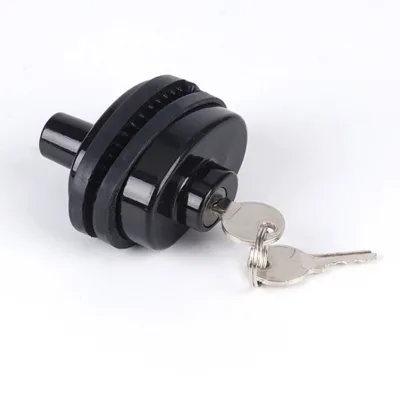


3 Dials Zinc Alloy Cabinet Latch Metal Sliding Barrel Combination Bolt Gate Lock
$5.99 - $6.90
MOQ: 100 pieces


Comprehensive Sourcing Guide
Sourcing Guide for Zinc Alloy Removable Barrel Locks
Technical Specifications and Material Composition
When sourcing a Zinc Alloy Removable Barrel Lock, the primary focus must be on the structural integrity of the lock body and the compatibility of the cylinder with the intended door assembly. The core material for the lock body is frequently identified as zinc alloy, which offers a favorable balance between corrosion resistance, cost-effectiveness, and mechanical strength. This material is often selected for its ability to be die-cast into complex shapes while maintaining durability in high-traffic environments. The lock body structure is typically designed as a multiple bolt system, providing enhanced security by engaging the door frame at multiple points rather than relying on a single latch mechanism.
The cylinder itself, often referred to as the removable barrel, comes in various configurations. The standard cylinder length observed in the market is 70mm, which is a critical dimension for fitting standard door thicknesses ranging from 35mm to 50mm. This specific length is often described as a split configuration of 30mm + 10mm + 30mm, allowing for versatile installation across different door profiles. The cylinder diameter is another vital specification, with common dimensions aligning with Euro size standards such as 32.8mm x 16.8mm x 9.8mm or 32.5mm x 16.5mm x 9.5mm. Buyers must verify that the specific cylinder dimensions match the pre-drilled holes in their door hardware to ensure a seamless fit.
The key mechanism is a defining feature of these locks. The key type is often described as a multiple row crescent quantum key, which provides a higher level of security compared to standard pin tumbler keys. The key level is rated at C, indicating a robust resistance to picking and drilling attempts. The lock cylinder level is rated at B, which serves as a baseline for security performance in residential and light commercial applications. The internal components, including the pins, can vary; options include brass or iron pins, with pin counts ranging from 5 to 7 pins. Similarly, the inside core material can be specified as either brass or zinc, allowing buyers to tailor the internal mechanism to their specific budget and security requirements. The key material itself is flexible, with suppliers offering either brass or iron keys depending on the order specifications.
Compliance, Certification, and Security Standards
Navigating the compliance landscape for zinc alloy locks requires a clear understanding of the standards that govern their manufacture and performance. While specific market figures may vary, the industry generally adheres to international quality management and safety standards. Buyers should look for suppliers who explicitly state compliance with ISO 9001, which certifies that the manufacturing process meets consistent quality management requirements. Additionally, certifications such as CE and SGS are frequently cited, indicating that the products meet European safety and quality benchmarks.
Security standards are equally critical. The anti-theft standard for these locks is often categorized as Level B, which aligns with the lock cylinder level mentioned in technical specifications. This rating suggests a specific threshold of resistance against forced entry, though buyers should verify the exact testing protocols used by the supplier to confirm this classification. Other quality standards like RoHS may also be present, ensuring that the materials used do not contain hazardous substances that could pose environmental or health risks.
It is important to distinguish between the product's origin and the standards it claims to meet. Many suppliers originate from manufacturing hubs in China, such as Wenzhou, Zhejiang Province, or Shangrao, Jiangxi. While these regions are known for their hardware production, the origin location does not automatically guarantee compliance. Buyers must request current certification documents directly from the supplier rather than relying on general market knowledge. The standards for door thickness fit are also crucial; while 35-50mm is a common range, some suppliers offer customized door thickness options, requiring careful verification of the specific lock model's compatibility with the buyer's door frames.
Cost Drivers and Pricing Dynamics
The pricing of zinc alloy removable barrel locks is influenced by a complex interplay of material costs, customization levels, and order volume. The base material, zinc alloy, is generally more affordable than solid brass or stainless steel, making these locks a cost-effective choice for large-scale procurement. However, the final price is heavily dependent on the specific configuration chosen. For instance, locks featuring brass cores and brass pins will command a higher price point than those with iron components or zinc cores. The finish also plays a significant role; electroplating and chrome plating processes add value and cost, providing a durable, aesthetically pleasing surface that resists corrosion.
Order volume is another primary driver of cost. The market observes a wide range of Minimum Order Quantities (MOQ), typically spanning from 1 unit to 5,000 units. Small buyers may face higher per-unit costs due to the lack of economies of scale, while large-volume purchasers can negotiate significantly lower prices. The observed price range in the market is broad, extending from approximately $0.30 to $19.99 USD. This variance reflects differences in key complexity, material quality, and the level of customization required. Customization options, such as specific key types (computer keys vs. normal keys) or unique packing requirements, will invariably increase the unit cost.
Packaging is a subtle but important cost factor. Standard packaging might include simple bagging, while premium options like gift box packing or blister packing add to the overall expense. Buyers should consider the end-use of the product; if the lock is intended for retail sale, premium packaging may be necessary, whereas bulk installation projects might only require basic bagging. Additionally, the origin of the product can influence logistics costs. Sourcing from Wenzhou or Shangrao involves different shipping dynamics compared to other regions, and these logistical factors should be factored into the total landed cost calculation.
Typical Applications and Usage Scenarios
Zinc alloy removable barrel locks are versatile hardware solutions designed for a wide array of applications, primarily within the residential and light commercial sectors. The most common usage is for household door locks, where they provide essential security for main entry doors, bedroom doors, and internal channels. The European style of these locks makes them particularly suitable for modern residential architecture that favors sleek, contemporary designs. The mortise door lock configuration allows for integration into standard door frames, making them a go-to choice for new construction and renovation projects.
Beyond residential use, these locks are also employed in channel locks, which are often found in office buildings, hotels, and apartment complexes. The triple lock body type and multiple bolt structure provide the necessary security for shared spaces where access control is important. The ability to customize the key type allows facility managers to implement master key systems, where a single key can open multiple doors, or to use computer keys for enhanced security in sensitive areas. The lock's compatibility with various door thicknesses (35-50mm) ensures it can be installed in a wide range of door types, from standard interior doors to heavier exterior doors.
The specific model numbers, such as 92 or AL-900, often indicate specialized configurations for different applications. For example, a model designed for a specific door thickness or a unique backset measurement (70mm) might be optimized for a particular type of door frame. Buyers should carefully match the lock's specifications to the physical constraints of their project. The usage is not limited to doors; the lock's design allows for adaptation in other security applications where a removable barrel mechanism is beneficial for maintenance or key control.
Supplier Evaluation and Selection Criteria
Selecting the right supplier for zinc alloy removable barrel locks requires a rigorous evaluation process that goes beyond simple price comparison. Buyers should prioritize suppliers who demonstrate transparency in their manufacturing capabilities and quality control processes. A key indicator of a reliable supplier is the ability to provide detailed product specifications that match the buyer's requirements. This includes confirming the material composition, such as the specific type of zinc alloy used, and verifying the internal components like the pin material and count.
Certification status is another critical factor. Buyers should request proof of compliance with standards such as ISO 9001, CE, and SGS. These certifications are not merely marketing tools; they indicate that the supplier adheres to recognized quality management systems and safety standards. The origin of the product, whether from Wenzhou, Zhejiang, or Shangrao, Jiangxi, should be verified, as these regions have established reputations for hardware production. However, the location alone does not guarantee quality, so direct communication with the supplier is essential to assess their production capacity and reliability.
Customization capabilities are also a significant differentiator among suppliers. The ability to offer custom key types, varying cylinder lengths, and specific packing requirements indicates a flexible and customer-focused supplier. Buyers should evaluate the supplier's willingness to accommodate specific requests, such as custom door thickness fits or unique branding on the lock. The MOQ flexibility is another consideration; suppliers who can accommodate smaller orders without excessive price premiums may be more suitable for startups or small projects, while those capable of handling large volumes are better for bulk procurement.
Quality Control and Long-Term Procurement Considerations
Ensuring the long-term reliability of zinc alloy removable barrel locks requires a robust quality control strategy. Buyers should implement a system of pre-shipment inspections to verify that the products meet the agreed-upon specifications. This includes checking the finish quality, such as the electroplating or chrome plating, to ensure there are no defects like peeling or uneven coverage. The mechanical operation of the lock should be tested to confirm smooth key insertion and turning, as well as the proper engagement of the multiple bolts.
Long-term procurement considerations involve building a sustainable relationship with suppliers who can consistently deliver high-quality products. This includes establishing clear communication channels for addressing any issues that arise post-delivery. Buyers should also consider the lifecycle of the product; zinc alloy locks are generally durable, but the internal components, such as the pins and core, may wear over time. Selecting suppliers who offer high-quality internal materials, such as brass pins and cores, can extend the lifespan of the lock and reduce maintenance costs.
Furthermore, buyers should plan for scalability. As the demand for locks grows, the supplier must be able to increase production without compromising quality. This requires a supplier with sufficient manufacturing capacity and a well-managed supply chain. The ability to maintain consistent lead times is also crucial for project planning. Buyers should negotiate clear terms regarding delivery schedules and penalties for delays to ensure that their procurement timeline is not disrupted. By focusing on these long-term factors, buyers can secure a reliable supply of zinc alloy removable barrel locks that meet their security and operational needs for years to come.
Comparison of Key Specifications
| Feature | Standard Specification | Customizable Options |
|---|---|---|
| Material | Zinc Alloy | Brass, Iron, Aluminium |
| Cylinder Length | 70mm (30+10+30mm) | 35mm to 100mm range |
| Key Type | Multiple Row Crescent Quantum | Computer Key, Normal Key |
| Pin Count | 5, 6, or 7 Pins | Customizable |
| Finish | Electroplating / Chrome Plate | Custom Color/Finish |
| Door Thickness | 35-50mm | Customized |
| Certification | ISO 9001, CE, SGS | As per Customer Requirement |
| Origin | Wenzhou, China / Shangrao, China | N/A |
This table summarizes the typical specifications found in the market while highlighting the areas where buyers can request customization. It serves as a quick reference for comparing different product offerings and ensuring that the selected lock meets the specific requirements of the procurement project. By understanding these variables, buyers can make informed decisions that balance cost, security, and functionality.
FAQs
What key level and cylinder level does this lock have?
The lock features a C-level key and a B-level cylinder for enhanced security. This combination provides robust resistance against picking and drilling attempts suitable for residential and light commercial applications.
Can I customize the key type and packing for this lock?
Yes, customization is available for key types and packing requirements. Buyers can specify computer keys or normal keys and choose from box, gift box, or blister packing options to meet specific project needs.
Which materials are used for the lock body and cylinder?
The lock body is typically made of zinc alloy, while the cylinder can be aluminum, brass, iron, or zinc alloy. Internal components like pins and cores also offer choices between brass and iron materials.
How does the cylinder length fit different door thicknesses?
The standard cylinder length is 70mm, designed to fit door thicknesses ranging from 35mm to 50mm. This split configuration allows for versatile installation across various standard door profiles found in residential settings.
Which certifications do these locks typically meet?
These locks often meet ISO 9001, CE, and SGS standards for quality and safety. Additional quality certifications like RoHS may also be present to ensure compliance with environmental and safety regulations.
Can the lock be used for household doors and bedrooms?
Yes, this lock is designed for household door locks, including bedrooms and channel locks. Its European style and mortise structure make it suitable for modern residential architecture and internal security needs.
What is the observed price range for these locks?
The observed price range in the market spans from 0.30 to 19.99 USD. This variance depends on material quality, key complexity, and the level of customization required for the specific order.