Source Zinc Alloy Mermaid Tail Necklace for Fashion, Gifts, and Events
Explore 30 listings for the Zinc Alloy Mermaid Tail Necklace, featuring variations in plating, chain length, and pendant shapes. Buyers can compare specifications from manufacturers in China to find suitable options for wholesale distribution.
Key considerations
Products List
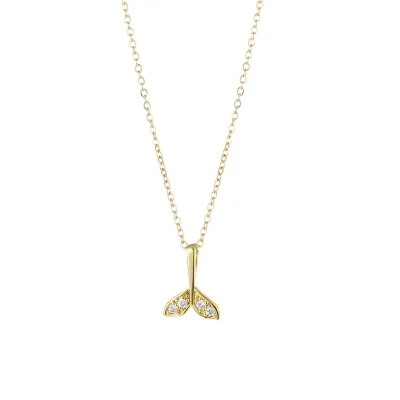
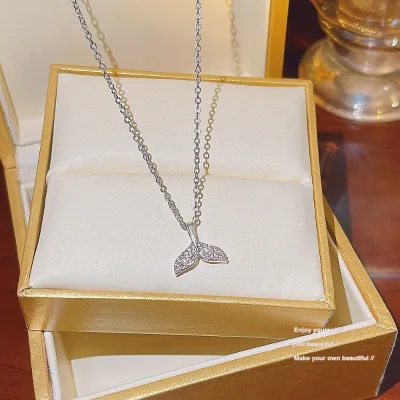
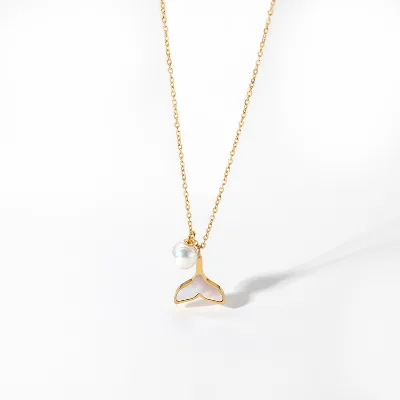
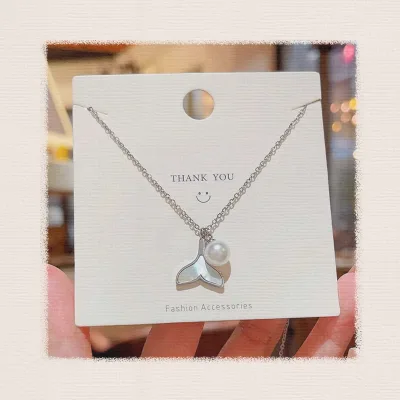
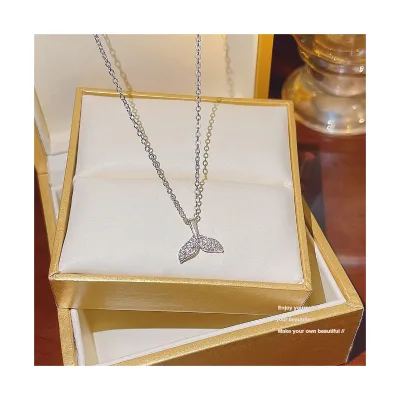
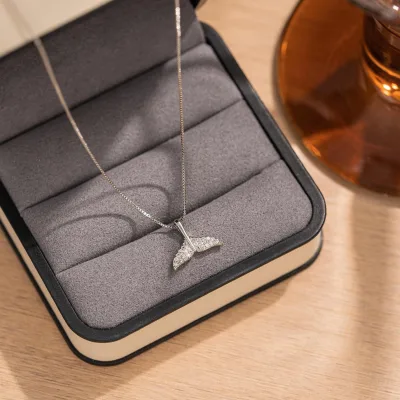


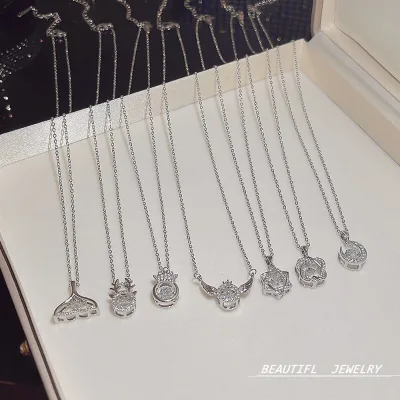


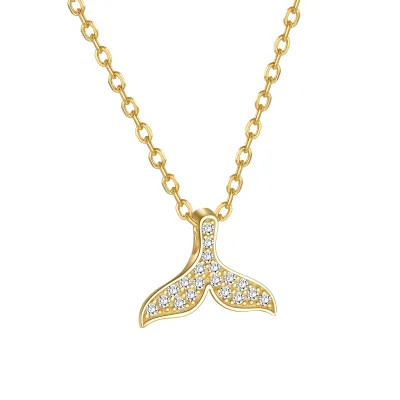

Handmade High Quality Tail Pendant with Shiny Crystals Custom Pendant Necklace
$1.00 - $3.00
MOQ: 100 Pieces
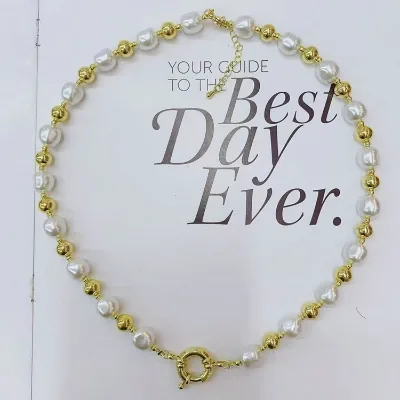
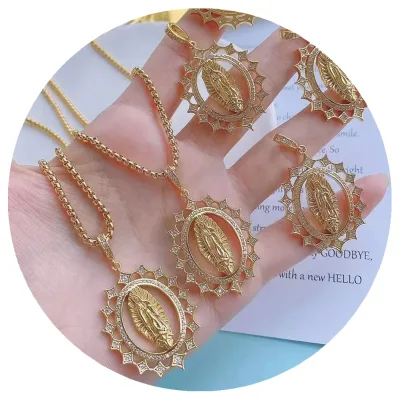


Comprehensive Sourcing Guide
Strategic Sourcing Guide for Zinc Alloy Mermaid Tail Necklaces
Understanding Product Specifications and Material Variations
When sourcing a Zinc Alloy Mermaid Tail Necklace, buyers must first navigate the complex landscape of material definitions and physical specifications found in the current market. Although the core keyword specifies "zinc alloy," the observed product data reveals a diverse ecosystem of materials including stainless steel, 925 sterling silver, and general alloy compositions. This variance is critical because the term "zinc alloy" often serves as a broad category for base metals used in fashion jewelry, yet the specific alloy composition dictates durability, weight, and plating adhesion. The market data indicates that products are frequently described with attributes such as "Stainless Steel" or "Alloy" alongside specific plating types like Gold, Rhodium, and Rose Gold.
The physical dimensions of these necklaces vary significantly, requiring precise verification during the sourcing phase. Observed specifications list lengths ranging from short chains to specific measurements like 41cm-50cm and 45cm. The standard thickness or wire gauge is noted in some contexts as 0.8mm, though this is not a universal constant for all listings. Buyers should expect to encounter a variety of pendant shapes, with the "Mermaid Tail Pendant" being a distinct design category, alongside other shapes like "Charm," "Heart," and "Oval." The design aesthetic often leans towards "Fashion" and "Unique 3D Design," suggesting that the mermaid tail motif is rendered with depth and detail rather than as a flat cutout.
Furthermore, the color palette is extensive. While the keyword focuses on the material, the visual outcome is driven by plating. The data shows products available in "Gold," "Steel," "Silver," and specific titanium steel color codes such as X060, X074, and X113. Some listings explicitly mention "X060 titanium steel necklace" as a specific product identifier, indicating that the base metal might be a specialized steel alloy rather than pure zinc, despite the broader category classification. The plating options include Gold, Rhodium, Rose Gold, Yellow Gold, and Black, which directly influences the final appearance and the perceived value of the item.
Compliance, Certification, and Regulatory Standards
Navigating the regulatory landscape for fashion jewelry requires a rigorous approach to compliance, particularly regarding heavy metals and chemical safety. The observed data mentions "SGS" as a product standard and "RoHS" as a background certification context. While RoHS is a trusted category knowledge point regarding the restriction of hazardous substances, buyers must verify if specific suppliers have actual, current certification documents rather than relying on general market assumptions. The presence of "SGS" in the product attributes suggests that third-party testing is a common requirement for suppliers targeting international markets, but the specific test parameters (e.g., lead, cadmium, nickel release) must be confirmed for each batch.
Compliance is not merely about the material itself but also the plating process. The data lists various plating types, and the thickness of these platings is often a point of failure in quality control. Buyers should request test reports that verify the thickness of the gold or rhodium plating, as thin plating can wear off quickly, exposing the base alloy to skin contact and causing allergic reactions. The "Standard" attribute in the data is sometimes listed as "Custom," which implies that compliance requirements can be negotiated based on the destination market's regulations. For instance, markets in the European Union have strict nickel release limits, while the United States has different labeling requirements for costume jewelry.
Additionally, the "Defects" attribute is listed as "Flawless" in some contexts, which is a quality claim that must be validated through inspection. In reality, mass-produced alloy jewelry often has minor casting imperfections. Buyers should define acceptable defect limits in their purchase agreements rather than assuming a "flawless" standard is achievable without a premium price. The "Standard" of 0.8mm mentioned in the data serves as a reference point for wire thickness, but buyers must ensure this specification aligns with the durability requirements of the end-user. Without a specific certification document provided in the listing, the buyer must treat "SGS" or "RoHS" as a verification target rather than a guaranteed status.
Cost Drivers and Pricing Structure Analysis
The pricing structure for zinc alloy mermaid tail necklaces is influenced by a combination of material costs, plating complexity, and order volume. The observed price range in the market spans from $0.67 to $16.80 USD, a significant variance that reflects differences in material quality, design intricacy, and brand positioning. The lower end of this spectrum likely corresponds to simple alloy constructions with basic gold plating, while the higher end may involve 925 sterling silver components, complex 3D designs, or specialized plating like rhodium.
Order Volume is a primary driver of cost. The Minimum Order Quantity (MOQ) observed ranges from 2 to 1000 units, with specific listings citing an MOQ of 20 PCS. This wide range indicates that suppliers are flexible, catering to both small boutique buyers and large wholesalers. However, the unit price will almost certainly decrease as the order volume increases. Buyers should be aware that the "Customized" size and design attributes often incur additional setup costs or higher MOQs. The "Custom" standard mentioned in the data suggests that non-standard specifications will command a premium.
Other cost factors include the plating type and thickness. Rhodium plating, for example, is generally more expensive than standard gold plating due to the material cost and the complexity of the electroplating process. The "Processing" attribute of "Polished" also adds to the labor cost, as achieving a high-gloss finish requires additional steps. The "Packing" method, whether it is a simple "OPP Bag" or a "Strong Carton" with custom requirements, also impacts the final landed cost. Buyers must evaluate the total cost of ownership, including packaging and shipping, rather than focusing solely on the unit price. The "Payment" terms, which include Bank Transfer, Paypal, Western Union, and Money Gram, may also carry transaction fees that affect the overall budget.
Typical Applications and Market Segmentation
The application of zinc alloy mermaid tail necklaces extends beyond simple adornment, serving various market segments with distinct needs. The data explicitly states that these products are "Suitable for Female" and intended for "Decoration" and "Health" purposes. While the "Health" claim is often associated with the belief that certain metals or designs have therapeutic properties, buyers should treat this as a marketing attribute rather than a scientifically proven function unless supported by specific medical certifications. The primary use case remains decorative fashion jewelry.
These necklaces are particularly popular among "Jewelry Wholesaler" and "Distributor" segments, as indicated by the "Suit to" attribute. This suggests a strong B2B market where these items are sourced for resale in retail stores, online marketplaces, and gift shops. The "Fashion" style and "Unique 3D Design" make them suitable for seasonal trends, such as summer collections or fantasy-themed events. The "Mermaid Tail" motif appeals to a specific demographic interested in ocean themes, fantasy literature, and pop culture, making these items ideal for niche marketing campaigns.
The "Usage" attribute of "Decoration" implies that these necklaces are often part of a larger collection. Buyers should consider how the mermaid tail design complements other jewelry pieces, such as earrings or bracelets, which may share the same material and plating. The "Pattern" being described as "Natural" suggests that the design aims to mimic the organic curves of a mermaid tail, enhancing its appeal to consumers looking for nature-inspired accessories. The "Type" is clearly identified as "Necklace," but the "Pendant Shape" of "Charm" or "Heart" indicates that these can also be used as focal points for layered necklaces or charm bracelets.
Supplier Evaluation and Operational Capabilities
Evaluating a supplier for zinc alloy mermaid tail necklaces requires a deep dive into their operational capabilities, customization options, and logistical readiness. The data highlights that "Customization" is available, and "OEM&ODM" is "Warmly Welcome," indicating that many suppliers are capable of producing custom designs and private label products. This is a crucial factor for buyers looking to differentiate their product line. However, the extent of customization—whether it involves changing the mold, the plating, or the packaging—must be clarified during the negotiation phase.
The "prod_packing" attribute shows a range from "OPP Bag" to "as Per Required" and "Strong Carton/as Customer's Requirement." This flexibility is a positive sign, but buyers must ensure that the supplier has the capacity to handle custom packaging without compromising the product integrity. The "Shipment" options, including DHL, UPS, and FedEx, suggest that suppliers are experienced in international logistics. However, the "Lead Time" is not explicitly provided in the data, so buyers must request this information directly to plan their inventory effectively.
Geographic location is another key factor. The data lists "China" and specifically "Guangzhou, China" as origins. Guangzhou is a major hub for jewelry manufacturing, known for its supply chain efficiency and variety of materials. Buyers should verify the specific factory location within the region to assess the risk of supply chain disruptions. The "prod_model" codes, such as NK1202, GZGVL-N00036, and 714922798072, serve as unique identifiers for specific designs. Buyers should request samples of these specific models to verify the quality and design accuracy before placing a large order.
Quality Control and Long-Term Procurement Considerations
Establishing a robust quality control (QC) protocol is essential for maintaining the integrity of zinc alloy mermaid tail necklaces. The "Defects" attribute of "Flawless" is an aspirational standard that must be backed by a clear inspection plan. Buyers should define acceptable quality limits (AQL) for common defects such as plating peeling, casting bubbles, or chain breakage. The "Processing" method of "Polished" requires visual inspection to ensure a consistent gloss level, as "Glare" is listed as an attribute that must be controlled.
Long-term procurement considerations involve building a relationship with suppliers who can consistently deliver high-quality products. The "Custom" standard and "OEM&ODM" capabilities suggest that suppliers are willing to adapt to changing market demands. However, buyers must ensure that the supplier has the technical expertise to maintain the "Unique 3D Design" and "Mermaid Tail Pendant" details over multiple production runs. The "Material" consistency is also critical; while the data lists "Stainless Steel," "Alloy," and "925 Sterling Silver," the buyer must ensure that the specific alloy used matches the agreed-upon specifications to prevent color fading or tarnishing.
The "Payment" terms and "MOQ" flexibility are also important for long-term planning. Suppliers offering "Warmly Welcome" OEM&ODM services are likely to be more collaborative, but buyers should establish clear communication channels to address any issues that arise. The "Standard" of 0.8mm and the "Length" specifications of 41cm-50cm should be locked into the purchase agreement to ensure consistency. Finally, buyers should consider the environmental impact of the plating process and the disposal of waste materials, as sustainability is becoming an increasingly important factor in B2B procurement decisions. By focusing on these technical and operational details, buyers can secure a reliable supply chain for zinc alloy mermaid tail necklaces that meets both quality and market demands.
FAQs
What materials are used for zinc alloy mermaid tail necklaces?
Products are commonly made from stainless steel, alloy, or 925 sterling silver. The specific material varies by listing, with some items featuring gold or rhodium plating to enhance durability and appearance.
How long are the chains for these mermaid tail necklaces?
Chain lengths typically range from short chains to 41cm-50cm, with specific models measuring 45cm. Buyers should verify the exact specification for each product model to ensure proper fit.
Which plating options are available for these necklaces?
Available plating includes gold, rhodium, rose gold, yellow gold, and black. Some listings also specify titanium steel colors like X060 or X152, offering diverse visual finishes for different styles.
Can buyers request customization for these mermaid tail necklaces?
Yes, customization is available for size, design, and packaging. Suppliers welcome OEM and ODM requests, allowing buyers to tailor the product to specific requirements or branding needs.
What is the minimum order quantity for these necklaces?
The minimum order quantity ranges from 2 to 1000 units, with some specific listings requiring 20 pieces. This flexibility accommodates both small boutique buyers and large wholesale distributors.
How are these necklaces packaged for shipment?
Packaging options include OPP bags, strong cartons, or custom requirements as per the buyer. Suppliers often allow flexible packing solutions to meet specific logistical or branding needs.
Where are these necklaces manufactured and shipped from?
Products originate from China, with specific mentions of Guangzhou as a manufacturing hub. Shipments are typically handled via DHL, UPS, or FedEx to ensure reliable international delivery.