Source Metal Zipper Pull Slider for Garments, Bags, and Shoes
Compare 30 verified Zipper Pull Slider options from Chinese manufacturers offering brass, zinc alloy, and silicone materials. Buyers can evaluate customization, slider types, and pricing for home textile and garment applications.
Key considerations
Products List


Zipper Pull Accessories for Clothing Zipper Puller Replaceable Zinc Zipper Slider
$0.08 - $0.20
MOQ: 100 Pieces

Superior Quality Customized Engraved Logo Round Zipper Puller and Slider
$0.08 - $0.20
MOQ: 100 Pieces


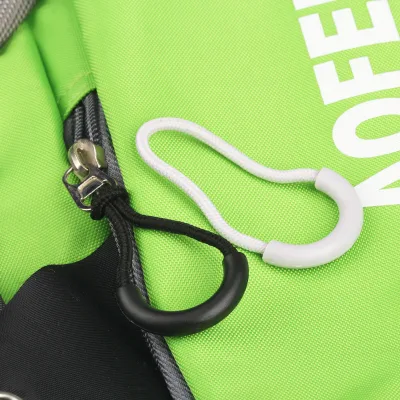


Comprehensive Sourcing Guide
Strategic Sourcing Guide for Metal and Alloy Zipper Pull Sliders
Procuring zipper pull sliders, specifically the metal and alloy variants, requires a nuanced understanding of material properties, customization capabilities, and supply chain logistics. The market for these components is diverse, ranging from standard commercial hardware to bespoke designs for high-end fashion and technical textiles. Buyers must navigate a landscape where attributes such as material composition, slider type, and finishing techniques vary significantly between suppliers. This guide provides a structured approach to sourcing these critical garment and bag components, focusing on verified product attributes and essential procurement considerations.
Material Composition and Technical Specifications
The foundation of a reliable Zipper Pull Slider lies in its material composition. Based on observed market data, the primary materials utilized include brass, zinc-alloy, and in some specific applications, silicone or PVC. Brass offers a distinct aesthetic and weight, often preferred for luxury applications, while zinc-alloy provides a cost-effective alternative with good casting properties. The product specifications indicate that these components are available in various models, such as the "Metal Zipper Puller" and "Zinc Alloy Zipper Puller," suggesting that the specific alloy formulation is a critical selection criterion.
Technical specifications further define the functionality of these sliders. The "Slider Type" is a crucial differentiator, with options ranging from "Reversible" to "Non Lock" and "One Way" auto-lock mechanisms. A reversible slider allows the zipper to move in both directions, a standard feature for jackets and bags, whereas non-lock sliders are typically used for decorative purposes or specific garment closures. The "Specification" field often references sizing standards, such as "5#", which denotes the width of the zipper tape compatibility. Buyers must verify that the slider size matches the zipper tape gauge to ensure smooth operation. Additionally, the "Technics" applied to the metal, such as "Painted," "Plating," or "Coated," directly impact the durability and visual appeal. The presence of "Nickel-Free" attributes in several listings highlights a growing demand for hypoallergenic materials, particularly for products intended for sensitive skin or strict regulatory environments.
Customization Capabilities and Design Flexibility
One of the most significant advantages in sourcing zipper pull sliders is the high degree of customization available. The product attributes consistently indicate that "Customization" is accepted and "OEM/ODM" services are provided. This allows brands to create unique identifiers through custom logos, specific colors, and tailored shapes. The "Product Name" often reflects this flexibility, appearing as "Custom Zipper Puller" or "Zipper Puller Slider" with options for "Customized Logo" and "Color as Image/Customized."
The customization process typically involves defining the "Standard" of the product, which is listed as "Custom" or "Customized" in the supply data. This implies that buyers are not limited to off-the-shelf inventory but can request specific dimensions, finishes, and branding elements. The "Quality" of the custom product is described as "Depend on Your Request," meaning the final output is directly proportional to the clarity and detail of the buyer's specifications. For buyers seeking unique designs, the ability to request specific "Technics" like plating or coating is essential. However, it is important to note that while customization is widely available, the "Sample" process often requires the buyer to cover freight costs, a standard practice in the industry for bespoke tooling.
Compliance, Certification, and Material Safety
In the global textile and apparel market, compliance with safety and environmental standards is non-negotiable. The sourcing data explicitly mentions "Oeko-Tex 100" certification, a critical standard for textiles and accessories that ensures the absence of harmful substances. For metal zipper pullers, this certification is particularly relevant for verifying that the plating and coating processes do not release toxic heavy metals. The "Feature" attributes also highlight "Nickel-Free" and "Eco-Friendly" characteristics, which align with modern sustainability goals and regulatory requirements in regions like the European Union and North America.
Buyers must verify the certification status of their specific supplier, as the presence of "Oeko-Tex 100" in general product descriptions does not guarantee that every batch or custom order is certified. The "Quality" attribute is noted as "High Quality," but this is a subjective claim that must be substantiated through third-party testing. For applications involving children's clothing or direct skin contact, the verification of "Nickel-Free" status is paramount to prevent allergic reactions. Additionally, features such as "Waterproof" and "Anti-Oxidation" are critical for outdoor gear and bags, ensuring the hardware does not corrode under harsh conditions. Buyers should request specific test reports or certificates of analysis to confirm that the metal components meet the required chemical and physical standards before placing large orders.
Cost Drivers and Pricing Dynamics
Understanding the cost structure of zipper pull sliders is essential for effective budget management. The observed price range in the market is notably low, spanning from $0 to $0.72 USD per unit. However, this range is heavily influenced by the "MOQ" (Minimum Order Quantity), which varies significantly from 1 piece to 50,000 pieces. The "Advantage" attributes often cite "Cheap" and "Fashion" as key selling points, suggesting that economies of scale play a major role in pricing.
Several factors drive the final cost. First, the material choice dictates the base price; brass is generally more expensive than zinc-alloy due to raw material costs. Second, the complexity of the "Technics" and customization adds to the expense. Processes like plating, painting, or applying a specific logo require additional labor and tooling. Third, the "Packing" method influences costs; while some suppliers offer "One by One Packing," others may use bulk cartons with paper covers and poly bags. The "Payment Term" is typically listed as "EXW" (Ex Works) or "Fob" (Free on Board), which affects the total landed cost depending on the buyer's logistics capabilities. Buyers should be aware that while the unit price may appear low, the "Sample" freight is often prepaid by the buyer, and the "Lead Time" for custom orders can impact cash flow.
Supplier Evaluation and Logistics Management
Evaluating suppliers requires a focus on their logistical capabilities and production transparency. The "Location" data indicates that the majority of these products originate from China, with specific mentions of Fujian as a production hub. This regional concentration suggests a mature supply chain with established infrastructure for metal casting and finishing. However, buyers must verify the specific factory location to assess shipping times and potential tariffs.
The "Lead Time" is a critical factor in procurement planning. While some suppliers support a "7 Days Sample Order Lead Time," bulk production times are not explicitly defined in the general data and should be negotiated. The "Shipping" options include major carriers like DHL, FedEx, and UPS, ensuring "Fast" delivery for samples and small batches. For larger orders, buyers should clarify the shipping terms and whether the supplier offers consolidated shipping to reduce costs. The "MOQ" flexibility is another evaluation point; while some suppliers list an MOQ of 1 piece, others require 300 or more, which can be a barrier for small businesses or prototyping phases. Buyers should prioritize suppliers who offer clear communication regarding "Sample" availability and "Quality" assurance processes.
Quality Control and Long-Term Procurement Strategy
Ensuring consistent quality is the primary challenge in sourcing metal hardware. The "Quality" attribute is described as "Depend on Your Request," which places the onus on the buyer to define clear acceptance criteria. A robust quality control strategy should include pre-production samples, in-process inspections, and final random inspections. The "Feature" list includes "Durable" and "Sustainable," which should be validated through physical testing for tensile strength, corrosion resistance, and color fastness.
For long-term procurement, building a relationship with suppliers who offer "OEM/ODM" services is beneficial. This allows for continuous improvement and adaptation of designs to market trends. The "Application" scope, ranging from "Clothing" and "Bag" to "Thobe" and "Home Textile," indicates that these components are versatile. Buyers should ensure that the supplier has experience in their specific niche, as the requirements for a luxury fashion bag differ from those for industrial workwear. Finally, maintaining a clear record of "Certification" and "Standard" compliance is vital for mitigating risk. By adhering to a disciplined approach that verifies material specs, checks certifications, and manages logistics proactively, buyers can secure a reliable supply of high-quality zipper pull sliders that meet their brand's standards.
Comparative Overview of Product Attributes
To assist in the decision-making process, the following table summarizes the key attributes observed in the market for metal and alloy zipper pull sliders. This comparison highlights the variability in specifications that buyers must navigate.
| Attribute Category | Observed Options | Procurement Consideration |
|---|---|---|
| Material | Brass, Zinc-Alloy, Silicone, PVC, Plastic, Rubber | Verify alloy composition for weight and corrosion resistance. |
| Slider Type | Reversible, Non Lock, One Way Auto Lock | Match mechanism to garment function (e.g., reversible for jackets). |
| Customization | Logo, Color, Shape, Size (Custom) | Confirm tooling costs and sample lead times for bespoke designs. |
| Certification | Oeko-Tex 100 (Verified), Nickel-Free (Claimed) | Request test reports for chemical compliance and safety. |
| MOQ Range | 1 Piece to 50,000 Pieces | Align order volume with supplier minimums to optimize cost. |
| Packing | One by One, Paper Cover, Poly Bag, Cartons | Specify packaging requirements to prevent damage during transit. |
| Origin | China (General), Fujian (Specific) | Verify factory location for logistics planning and audit purposes. |
| Payment Terms | EXW, Fob | Clarify Incoterms to determine responsibility for shipping and insurance. |
By systematically analyzing these attributes and adhering to the verification protocols outlined in this guide, buyers can effectively source zipper pull sliders that balance cost, quality, and compliance. The market offers a wide array of options, but success depends on rigorous due diligence and clear communication with suppliers regarding technical and commercial requirements.
FAQs
What materials are used for metal zipper pull sliders?
The primary materials include brass, zinc-alloy, and sometimes silicone or PVC. Buyers should verify the specific alloy composition as brass offers a luxury feel while zinc-alloy provides a cost-effective alternative for various applications like bags and garments.
Can I get custom logos and colors for these sliders?
Yes, customization is widely accepted with options for custom logos and colors based on images or specific requests. The final quality depends on your detailed request, and while samples are available, freight costs for them are typically prepaid by the buyer.
Which slider types are available for different garment needs?
Available types include reversible, non-lock, and one-way auto-lock mechanisms. You must select the type that matches your product function, such as reversible sliders for jackets or non-lock versions for decorative purposes on home textiles and shoes.
How do I verify safety certifications for these metal parts?
Some suppliers offer Oeko-Tex 100 certification and nickel-free features to ensure safety. Buyers should request specific test reports to confirm that the plating and coating processes meet regulatory standards for harmful substances before placing large orders.
What is the typical minimum order quantity for these items?
The minimum order quantity ranges from 1 piece to 50,000 pieces depending on the supplier. Small businesses can often start with 1 piece for prototyping, while bulk orders may require higher volumes to achieve lower unit prices and faster delivery.
Where are these zipper pullers typically manufactured?
Most products originate from China, with specific production hubs noted in Fujian. Buyers should verify the exact factory location to assess shipping times and potential tariffs, as regional concentration affects logistics planning and lead times for custom orders.
How long does it take to get a sample order?
Suppliers often support a 7-day lead time for sample orders. However, the buyer usually needs to cover the freight costs for these samples, and bulk production lead times should be negotiated separately based on the order volume and customization complexity.