AAA Grade Imitation Pearl Beads Suppliers and Manufacturers
Source 26 verified suppliers for AAA Grade Imitation Pearl Beads. Compare key dimensions including Zhejiang origin, TüVRheinland and SGS verification, CE certification, and response times. Review specific MOQs and lead times to identify the right partner for your jewelry manufacturing needs.
Suppliers List
Hubei Jingcan Glass Products Co., Ltd.
- Verified by TüVRheinland
- Manufacturer, Trading Company
- Lead time0 days
- Avg. response≤ 5h
Main productsGlass Product, Garment Accessories, Jewelry, Jewelry Accessories
Main marketsCentral America(25%), North America(20%), South America(15%)

Hangzhou Paris Technology Co., Ltd
- Verified by SGS
- Trading Company
- China Zhejiang
- Lead time15 days
- Avg. response≤ 2h
Main productsBathtub Forming Machine, Bathtub Mould, Sequin Mould, Sequin Cutting Machine, Plastic Injuection Mould, Acrylic Bathtub and Shower Tray Machine, Heating Oven, Sequin Yarn, Sectional Warping Machine, PMMA ABS Sheet
Main marketsAfrica,Southeast Asia/ Mideast


Superior Quality Loose White and Black Automatic Machine Fixing ABS Pearl Beads
$3.00
MOQ: 200 kilograms
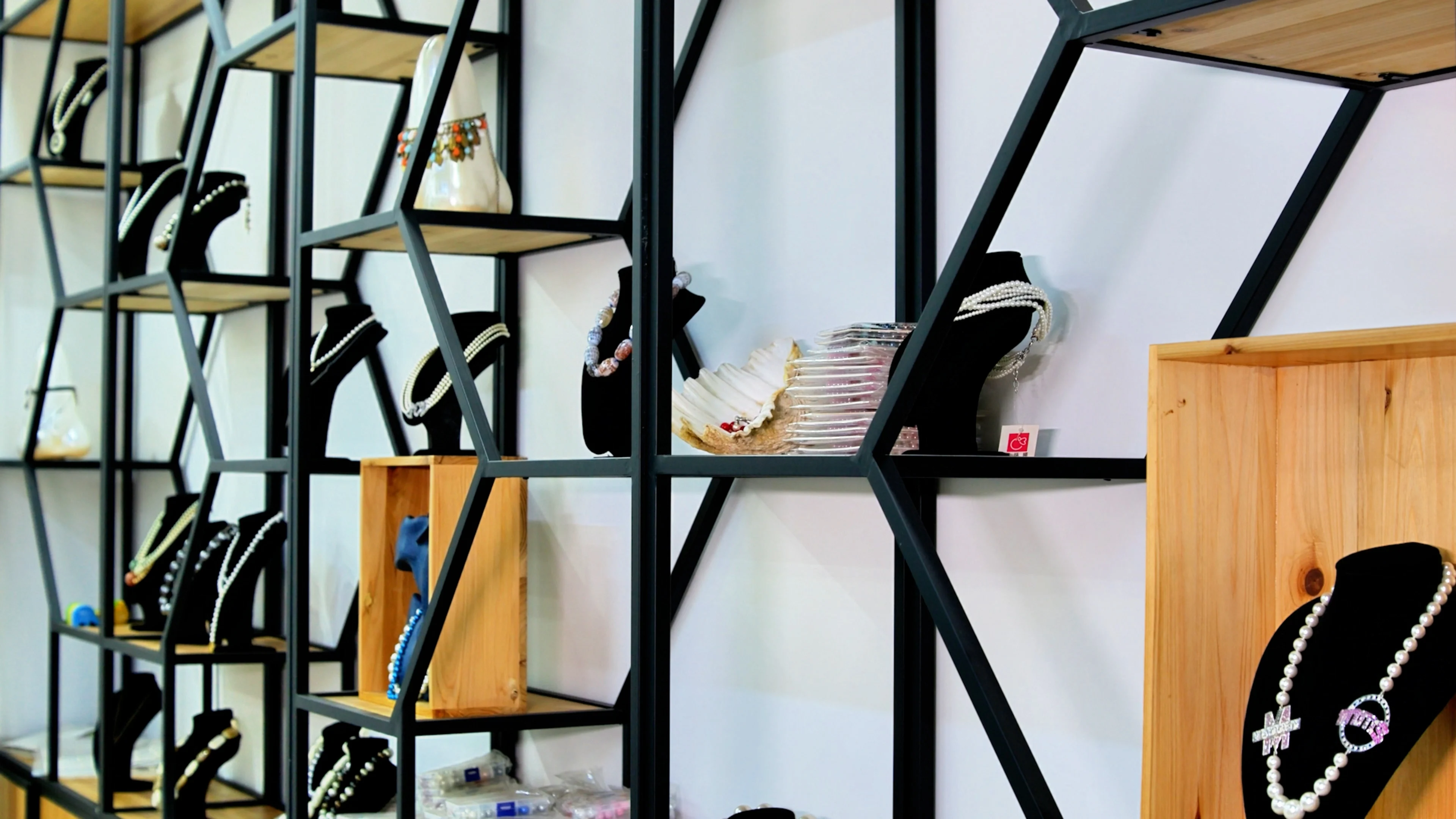
Dongguan Chenzhuxi Hardware Jewelry Co., Ltd.
- Manufacturer, Trading Company
- Guangdon, China
- Lead time7 days
- Avg. response≤ 10h
Main productsFake Pearls Imitation Pearls,Jewelry sets,Necklaces,Earrings,Bracelets
Main marketsNorth America(28.00%), Domestic Market(23.00%), Southeast Asia(10.00%), Central America(9.00%), Oceania(7.00%), Eastern Europe(5.00%), South America(5.00%), Eastern Asia(4.00%), Western Europe(4.00%), Southern Europe(2.00%), Northern Europe(2.00%), Africa(1.00%)
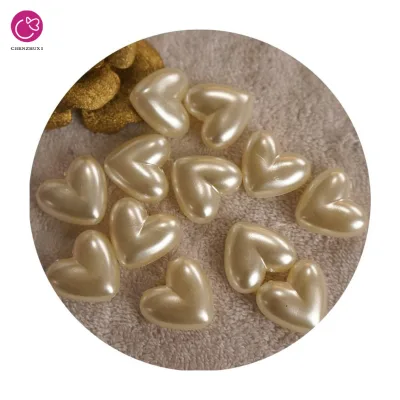
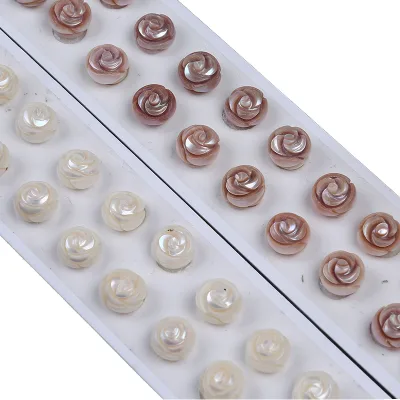
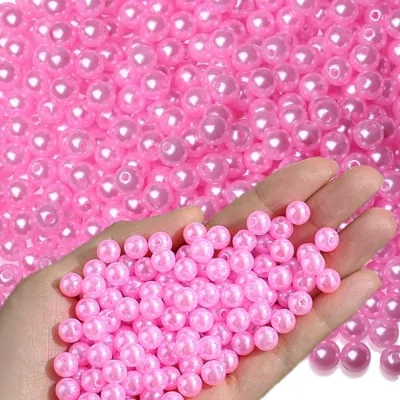
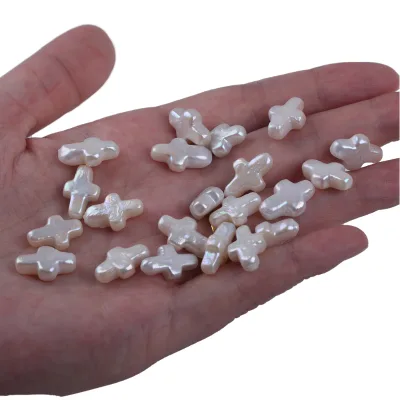
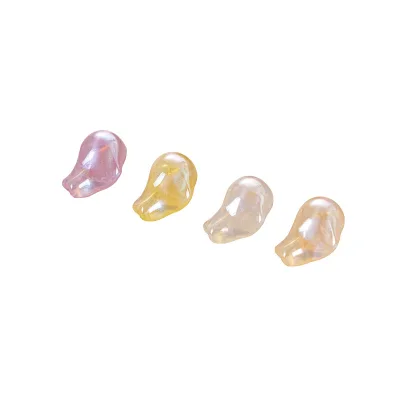
22*24mm Heart Shaped Loose Pearl Beads Beige Wholesale Pearl Beads for Jewelry Making
$6.67 - $8.52
MOQ: 10 bags
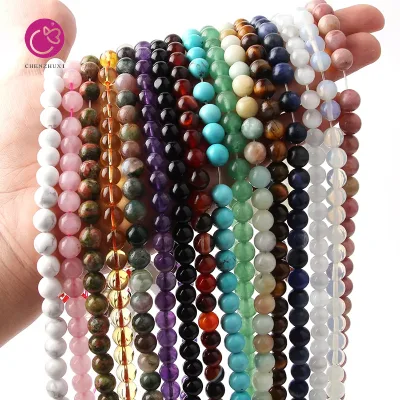
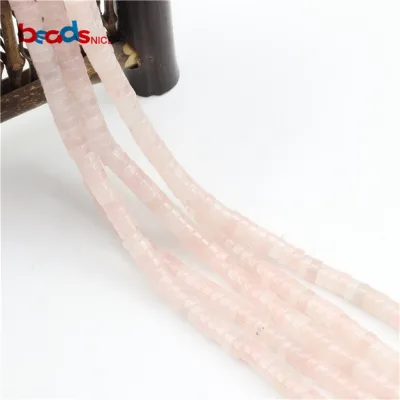
Nature Stone Beads Gemstone Strings Bead Loose in String Good for Jewelry Making Diy Bracelet
$3.50 - $5.50
MOQ: 50 strands
Dongguan Xingzhao Crystal Jewelry Factory
- Verified by SGS Group
- Trading Company
- Lead time7 days
- Avg. response≤ 4h
Main productsGlass Beads, Glass Seed Beads, Clay Beads, Fashion Jewelry, DIY Accessories
Main marketsCentral America(25%), North America(20%), South America(20%)
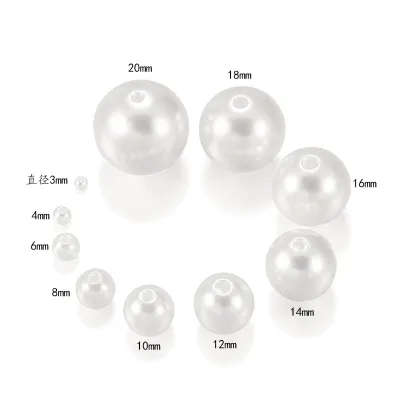
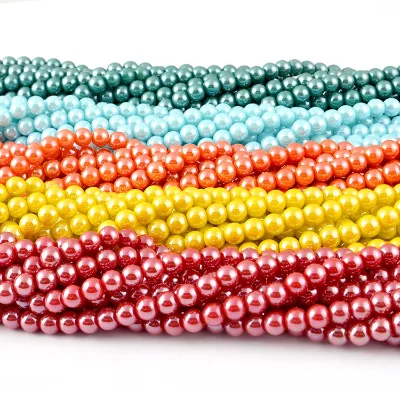
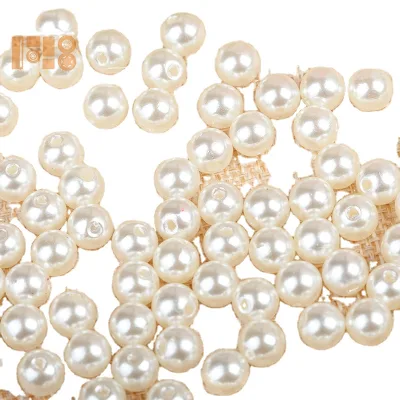
Wholesale Cheaper White ABS Imitation Pearl Beads,Plastic Pearl Beads With Hole
$0.35 - $0.65
MOQ: 50 Minimum


Kingswick Technology Group Limited
- Trading Company,Manufacturer/Factory,Group Corporation,Other
- China Guangdong
- Lead time15 days
- Avg. response≤ 18h
Main productsHotfix Rhinestones, Nail Rhinestones, Flat Back Rhinestones, Sew on Rhinestones, Hot Fix Rhinestone Machines, Rhinestone Appliques, Glass Crystal Beads, Rhinestone Ribbons, Jewelry Beads, Pearl Beads
Main marketsSouth America,Eastern Europe,Mid East,North America,Southeast Asia,Eastern Asia,Oceania,Western Europe,Africa


4/6/8/10/12/14/16/18mm Pearl Beads ABS Loose Round Imitation Pearls for Jewelry & Garment Decoration
$4.25 - $4.65
MOQ: 50 Bags


- Trading Company,Manufacturer/Factory
- China Guangdong
- Lead time23 days
- Avg. response≤ 7h
Main productsGemstone, Jewelry, Gemstone Jewelry, Loose Gemstone Beads, Jewelry Rings, Jewelry Set, Jewellery Earrings, Pendant, Created Emerald, Cubic Zirconia
Main marketsSouth America,Eastern Europe,North America,Western Europe
Guangzhou Fuban Garment Accessories Co., Ltd.
- Verified by SGS Group
- Manufacturer, Trading Company
- Lead time7 days
- Avg. response≤ 4h
Main productsGarments Accessories, Festive & Party Supplies
Main marketsNorth America(25%), Western Europe(20%), Oceania(15%)

ZHUJI YEYI IMPORT AND EXPORT CO., LTD.
- Verified by CTI
- Trading Company
- China Zhejiang
- Lead time15 days
- Avg. response≤ 25h
Main productsPearl, Freshwater Pearl, Pearl Jewelry, Pearl Necklaces, Pearl Earrings, Pearl Bracelet, Pearl Brooch, Baroque Pearl, Pearl Beads, Pearl Pendant
Main marketsNorth America

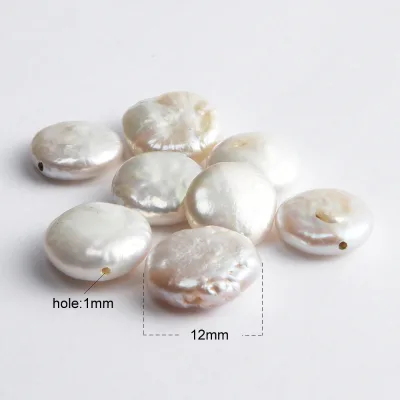
Natural Freshwater Loose Pearl Beads for Pearl Necklace and Bracelet DIY
$0.31 - $0.41
MOQ: 200 Pieces

Customized Natural Freshwater Baroque Pearl with Mini Pearl Bead Necklace Women's Jewelry
$27.00 - $39.00
MOQ: 100 Pieces
Guangzhou Yabead Jewelry Co., Ltd.
- Manufacturer, Distributor/Wholesaler
- Guangdong, China
- Lead time7 days
- Avg. response≤ 3h
Main productsjewelry,accessories,Wedding,Jewelry Making,Beading
Main marketsDomestic Market(7.14%), South Asia(7.14%), Southern Europe(7.14%), Northern Europe(7.14%), Central America(7.14%), Western Europe(7.14%), Eastern Asia(7.14%), Mid East(7.14%), Oceania(7.14%), Africa(7.14%), Southeast Asia(7.14%), Eastern Europe(7.14%), South America(7.14%), North America(7.14%)

ZHUHAI KAMEDA TECHNOLOGY CO., LTD
- Verified by BV
- Trading Company,Manufacturer/Factory
- China Guangdong
- Lead time23 days
- Avg. response≤ 9h
Main productsMeasuring Tools, Plastic Clips, Housewares Packing, Daily Necessities, Customizing PCB
Main marketsSouth America,Eastern Europe,Mid East,North America,Southeast Asia,Eastern Asia,Oceania,Western Europe,Africa

NINGBO HOBA INTERNATIONAL TRADING CO., LTD.
- Verified by BV
- Trading Company
- China Zhejiang
- Lead time30 days
- Avg. response≤ 4h
Main productsThread, Button, Lace Tape, Zipper, Hot Fix Stone, Crystal, Rope, Jewelry Accessory, Ribbon, Reflecting Material
Main marketsSouth America,Africa,Southeast Asia/ Mideast,East Asia(Japan/ South Korea),Europe,Australia,North America

Zhuji Xueluo Pearl Jewelry Co., Ltd.
- Verified by TUVRHEINLAND
- Trading Company,Manufacturer/Factory
- China Zhejiang
- Lead time15 days
- Avg. response≤ 3h
Main productsPearls, Freshwater Pearls, Freshwater Pearls Material, Baroque Pearls, Pearl Strands, Loose Pearl Beads, Pearl Necklace, Pearl Earrings, Pearl Bracelet, Silver Pearl Jewelry
Main marketsSouth America,Eastern Europe,Mid East,North America,Southeast Asia,Eastern Asia,Oceania,Western Europe,Africa

6-7mm White Natural Cultured Freshwater Button Loose Pearl Beads for Jewelry (XL110044)
$0.75 - $0.95
MOQ: 50 pc


13-14mm Aaaa Big White Perfect Round Freshwater Loose Pearls Beads (XL110060)
$190.00 - $192.00
MOQ: 10 Pieces


Zhongshan Sap Technology Co., Ltd
- Verified by CTI
- Combined
- China Guangdong
- Lead time30 days
- Avg. response≤ 5h
Main productsSap, Water Crystals, Water Retaining Agent, Super Absorbent Polymer, Colorful Crytal Soil, Artificial Snow, Instant Snow, Water Storage Crystal, Water Storing Crystals
Main marketsEast Asia(Japan/ South Korea),Domestic,Australia
Changsha Eastas Industry Co., Ltd.
- Trading Company
- Hunan, China
- Lead time0 days
- Avg. response≤ 2h
Main productsNon Hot Fix Rhinestone,Hot Fix Rhinestone,Resin Rhinestone,ABS half round pearl,Beads
Main marketsNorth America(60.00%), Eastern Europe(10.00%), Mid East(8.00%), Africa(5.00%), Southeast Asia(5.00%), Western Europe(3.00%), South America(2.00%), Domestic Market(1.00%), South Asia(1.00%), Southern Europe(1.00%), Northern Europe(1.00%), Central America(1.00%), Oceania(1.00%), Eastern Asia(1.00%)

Qinyuan Fuda New Material Technology Co., Ltd.
- Verified by TUVRHEINLAND
- Trading Company
- China Shanxi
- Lead time15 days
- Avg. response≤ 2h
Main productsgrinding ball
Main marketsSoutheast Asia/ Mideast,Domestic
Zhangzhou Hongxin Artware Co., Ltd.
- Verified by TüVRheinland
- Manufacturer, Trading Company
- Lead time30 days
- Avg. response≤ 2h
Main productsGlass Pearl Beads, Baking Beads, Inside Beads, Jewelry
Main marketsNorth America(60%), Western Europe(15%), South America(5%)
Yiwu Jing Can Crystal Co., Ltd.
- Verified by SGS Group
- Manufacturer, Trading Company
- Lead time0 days
- Avg. response≤ 3h
Main productsCrystal Rhinestone, Glass Seed Beads, Clay Beads, Fashion Jewelry, DIY Accessories
Main marketsCentral America(25%), North America(20%), South America(20%)
Zhuji Ainibeili Jewelry Co., Ltd.
- Manufacturer
- Zhejiang, China
- Lead time10 days
- Avg. response≤ 5h
Main productsFreshwater Pearl Loose Beads And Pearl Strands, Freshwater Pearl Jewelry
Main marketsNorth America(50.00%), Western Europe(10.00%), Southern Europe(10.00%), Northern Europe(10.00%), Eastern Europe(10.00%), Oceania(5.00%), Southeast Asia(5.00%)
Nanning Haosiqi Jewelry Company Ltd.
- Trading Company
- Guangxi, China
- Lead time7 days
- Avg. response≤ 2h
Main productsNatural Semi-precious stones,Natural Stone Pendant,Bracelet,Rings,Necklace
Main marketsNorth America(45.00%), South America(25.00%), Domestic Market(10.00%), Eastern Europe(5.00%), Mid East(5.00%), Oceania(5.00%), Southeast Asia(5.00%)
Hangzhou Dengyiduohuakai Jewels Co., Ltd.
- Verified by Intertek
- Trading Company
- Lead time5 days
- Avg. response≤ 1h
Main productsPearl Jewelry, Pearl Raw Materials, Pearl Accessories, Fashion Necklaces
Main marketsDomestic Market(27%), Eastern Europe(17%), Western Europe(15%)
Zhuji Qiming Trading Co., Ltd.
- Trading Company
- Zhejiang Province, China
- Lead time0 days
- Avg. response≤ 7h
Main productspearl,pearl necklace,pearl jewelry,silver jewelry,gold jewelry
Guangzhou Charmingbeads Jewelry Co., Ltd.
- Manufacturer, Trading Company
- Guangdong, China
- Lead time8 days
- Avg. response≤ 7h
Main productsJewelry Accessory
Main marketsNorth America(45.00%), South America(8.00%), Western Europe(8.00%), Central America(7.00%), Northern Europe(7.00%), South Asia(5.00%), Oceania(5.00%), Eastern Europe(5.00%), Mid East(3.00%), Southeast Asia(3.00%), Eastern Asia(2.00%), Africa(2.00%)
Edwin Pearl (taizhou) Co., Ltd.
- Manufacturer, Trading Company
- Zhejiang, China
- Lead time5 days
- Avg. response≤ 1h
Main productsFreshwater pearl,Loose Pearls,Wigs,Synthetic Hair,Hair Extensions
Main marketsEastern Asia(20.00%), Mid East(18.00%), Eastern Europe(15.00%), Western Europe(11.00%), South America(10.00%), North America(10.00%), Southeast Asia(8.00%), Africa(8.00%)
Qingtian County Chenming Jewelry Co., Ltd.
- Manufacturer, Trading Company
- Zhejiang, China
- Lead time0 days
- Avg. response≤ 15h
Main productsAcrylic Beads And Acrylic Products
Main marketsSoutheast Asia(30.00%), Domestic Market(25.00%), Central America(15.00%), South Asia(13.00%), South America(5.00%), North America(3.00%), Eastern Asia(3.00%), Western Europe(2.00%), Africa(2.00%), Mid East(2.00%)

Jiangxi Zhongli Superhard Materials Tools Co., Ltd.
- Combined
- China Jiangxi
- Lead time15 days
- Avg. response≤ 12h
Main productsDiamond Tool
Main marketsSouth America,Africa,Southeast Asia/ Mideast,East Asia(Japan/ South Korea),Domestic,Europe,Australia,North America

Hunan Jingshengda Ceramic Technology Co., Ltd.
- Verified by BV
- Trading Company,Manufacturer/Factory
- China Hunan
- Lead time15 days
- Avg. response≤ 3h
Main productsLab Ball Mill, Planetary Ball Mill, Jar Mill, Ball Mill Jar, Grinding Jar Comfort with Retsch, Grinding Jar Comfort with Fritsch, Rotary Ball Mill, Zirconia Beads, Planetary Ball Mill for Laboratory, Grinding Jar







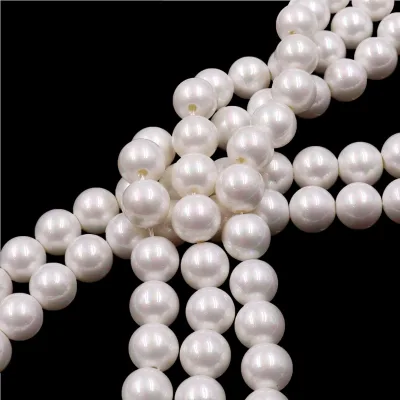
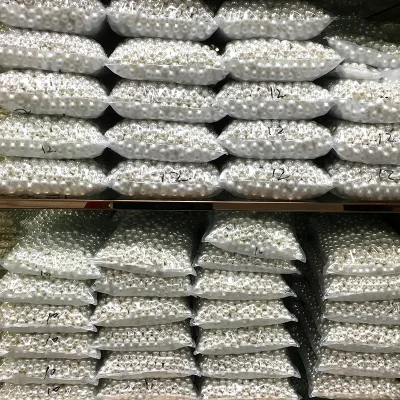
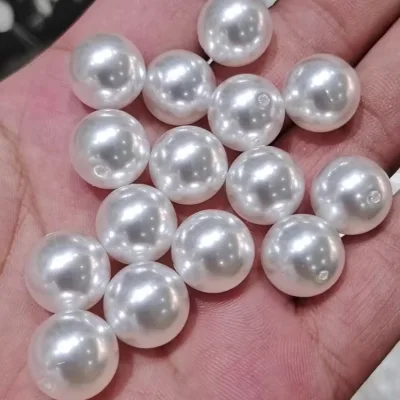
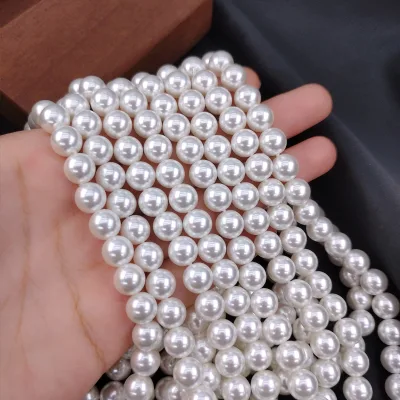
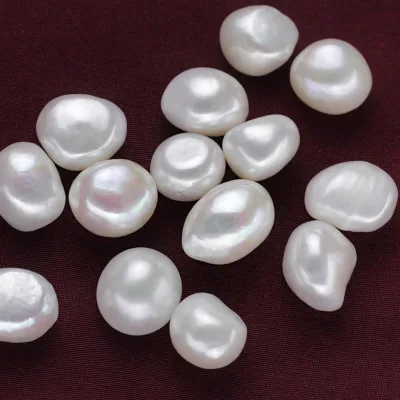
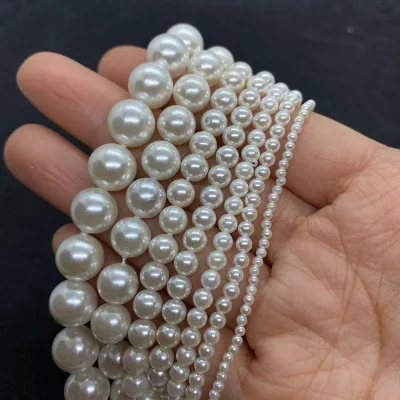
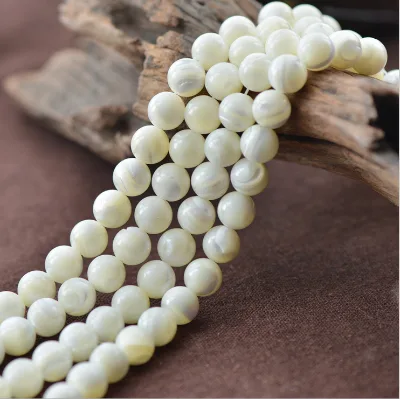
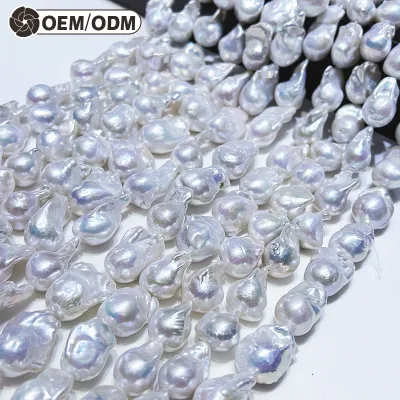
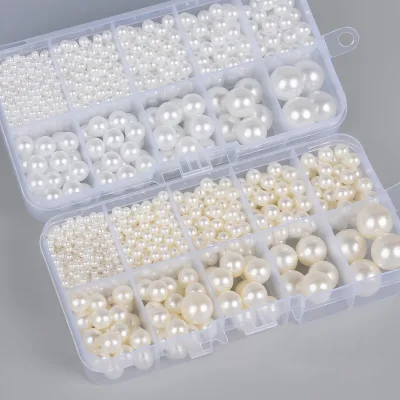




Comprehensive Sourcing Guide
AAA Grade Imitation Pearl Beads Supplier Concentration and Factory Types
Buyers searching for AAA Grade Imitation Pearl Beads will encounter two broad supplier archetypes on B2B platforms: manufacturers that produce beads in-house and trading companies that consolidate output from several workshops. The distinction matters because imitation pearls are typically made either as glass pearl beads, where a coated glass core delivers weight and luster, or as ABS plastic pearls, which are lighter and often used for machine-fixing applications in garments. Supplier listings in this category frequently describe companies whose main products span glass products, garment accessories, jewelry, and jewelry accessories, so a bead specialist may also serve jewelry makers and apparel decorators from the same production lines.
Location evidence should guide cluster assumptions. Where a supplier explicitly discloses a province of origin—for example, listings showing Zhejiang, China as the place of origin for loose pearl strands—that region can reasonably be treated as part of the bead supply chain. When no origin is displayed, do not guess. Instead, ask each candidate directly for the factory address, the producing workshop's city, and whether the beads are coated in-house or sourced from a coating mill. Manufacturers may offer ODM capability, which matters if you need custom colors, hole configurations, or strand lengths; some listings state no R&D capacity, which signals pure catalog production. Trading companies, meanwhile, can be useful for mixed orders but add a layer between you and the coating process.
How to Verify AAA Grade Imitation Pearl Beads Suppliers
Verification starts with third-party verification badges, which some platforms display from recognized inspection bodies such as TÜV Rheinland or SGS. A verified badge confirms that a third party audited the company's declared identity, but it does not certify product quality, so treat it as a screening filter rather than proof of bead grade. Check any system certification shown on the profile; some suppliers list compliance frameworks such as (EC) 1907/2006, relevant to chemical safety of coatings, while others display no system certification at all, which you should confirm directly before assuming compliance for regulated markets.
Beyond profile badges, request evidence tied to the specific bead listing. Product pages sometimes carry certificate type fields such as "Third Party Appraisal"—ask what was appraised, by whom, and whether the report covers colorfastness of the pearl coating, hole consistency, and size tolerance. Confirm the company type (manufacturer versus trading company) and ask for photos or video of the coating line, since "AAA grade" is a seller-defined term rather than a universal standard. Verify the model number against the quotation, request pre-shipment samples from the same batch, and if machinery-related claims appear—such as CE certification on bead-fixing equipment—ask for the certificate number so you can check its scope and validity yourself.
What to Compare Across AAA Grade Imitation Pearl Beads Suppliers
Build a comparison sheet using only the attributes suppliers actually display, since fields vary widely. Useful dimensions include: lead time (one supplier may show a 15-day figure while another shows none, so treat missing values as questions, not zeros); MOQ (loose pearl strands may list 100 strands, while some ABS bead listings show an MOQ as low as 1 unit, reflecting bulk packaging rather than strand sales); response time (displayed figures around 2 hours versus around 5 hours indicate very different communication rhythms); verification status; company type; and declared main products, which reveal whether beads are core business or a side line.
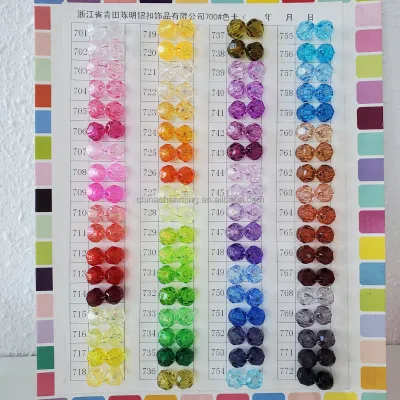
Also compare product-level evidence rather than profile-level claims. Examine size ranges (listings commonly span 2mm to 25mm), material type (glass pearl versus ABS versus generic imitation pearl), whether beads are drilled or no-hole, shape consistency (perfect round versus round shape), color availability (some listings reference 40+ color codes; others simply say any color is available, which requires confirmation), and price bands. Quoted per-unit prices in this category can range from under one dollar to several dollars depending on size, material, and packaging, so normalize comparisons by diameter, material, and selling unit. Suppliers stating ODM capability deserve a separate column for customization quotes, and establishment year, where shown, helps gauge trading history.
Common AAA Grade Imitation Pearl Beads Sourcing Risks
The most frequent risk is grade inflation. "AAA" is not a governed standard, so one supplier's AAA strand may match another's A-grade. Coating quality varies significantly: thin or uneven coatings chip at the drill hole, dull in friction areas, and discolor with sweat or detergent. Because some listings describe pearls as synthetic (lab created) or imitation, never assume nacre content—these are coated glass or plastic beads, and any durability claim should be backed by your own abrasion and sweat testing on samples before scaling an order.
Packaging and specification drift create the second risk tier. Several listings in this category show selling units of "multiple of 20" or "multiple of 200," which changes the effective order quantity and unit cost calculation; misreading these multiples is a common buyer error. Packing described only as "OPP bag" offers little transit protection for coated beads, so carton specifications deserve explicit agreement. Other risks include: color-card mismatches when suppliers reference numbered color systems without sending physical cards; hole diameter tolerances that break stringing or machine-fixing compatibility; mixed batches where strand length or beads-per-strand differs from the sample; and suppliers whose response times are displayed but whose lead times are not, hiding capacity constraints. Mitigate by writing the specification—diameter tolerance, coating thickness expectations, strand count, and packaging—into the proforma invoice.
AAA Grade Imitation Pearl Beads Regional Sourcing and Logistics
Where origin data is displayed, use it to plan logistics. Listings in this category that declare Zhejiang, China as place of origin point to a coastal province with established export infrastructure, and suppliers there will typically quote both express and sea-freight options for bead consignments. Imitation pearl beads are dense for their volume—representative batch packages show gross weights around 2 kg with package dimensions near 40×30×20 cm—so freight cost per unit is driven more by weight than by cube on small orders, and consolidating sizes into one shipment improves the landed cost.
When a supplier does not display an origin, ask for the producing city before quoting freight, because inland origins change transit legs and cost. Beads are non-hazardous general cargo in most cases, but coated plastic pearls can be affected by heat in container transit, so request inner polybags and sealed cartons for ocean shipments. For machine-fixing ABS beads destined for garment factories, clarify whether the goods ship loose in bulk cartons—some listings specify bag-and-carton packing—or on strands. If your supplier also sells apparel machinery, note that some machinery listings advertise overseas service centers and video outgoing inspection; that logistics footprint can be relevant if you source beads and equipment together. Always confirm Incoterms in writing before comparing freight-inclusive prices.
AAA Grade Imitation Pearl Beads Commercial Terms and Order Planning
Payment and order terms should be locked before the first production order. Listings in this category commonly reference T/T, L/C, PayPal, and Western Union as accepted payment methods; smaller trial orders suit PayPal or T/T with a modest deposit, while larger recurring orders may justify L/C. Never rely on platform escrow assumptions—confirm whether the marketplace offers escrow protection on your specific transaction, because displayed payment methods do not automatically imply fund protection. Get the model number, such as the ones shown on product pages, written into the invoice so samples and production batches are traceable to the same specification.
Plan orders around displayed selling units and MOQs: a 100-strand MOQ with a "multiple of 20" selling unit means you order in increments of 20 strands, and an ABS bead listing with an MOQ of 1 may really mean one bulk carton. Budget for sample rounds before committing, since color accuracy against a numbered color card is the most common rework driver. Where lead time is displayed (for example, around 15 days), still confirm current capacity in writing, because listed figures can be stale. For custom colors or sizes, use suppliers that declare ODM capability and expect longer first-run timelines. Finally, sequence payment milestones against inspection: deposit after sample approval, balance after a pre-shipment check against your written specification.
FAQs
What sizes are available for AAA Grade Imitation Pearl Beads?
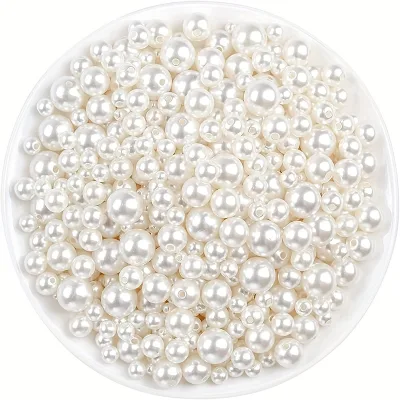
Listed AAA Grade Imitation Pearl Beads commonly range from 2mm to 16mm in diameter, with some suppliers offering sizes up to 25mm on request. Strands are sold in multiple diameter options such as 4mm, 6mm and 8mm. Confirm the exact size chart with each supplier before ordering, since size availability can differ between product lines.
What is the typical MOQ for AAA Grade Imitation Pearl Beads?
Minimum order quantities vary by product. One listed glass pearl bead line requires 100 strands per order, while an ABS pearl bead line starts at 25 units, and some machine-fixing bead listings accept a single unit. Always confirm the current MOQ directly with the supplier, as minimums may change with bead size, color or customization.
What price range should buyers expect for AAA Grade Imitation Pearl Beads?
Observed listings show prices ranging from under one dollar to nearly nine dollars per unit, depending on material, size and finish. Glass pearl beads are listed between roughly 0.86 and 1.86 dollars, while bulk ABS pearl beads are listed higher. Treat these as reference points only and request a current quotation based on your specifications.
Are the imitation pearls natural or synthetic?
These beads are synthetic, lab-created imitation pearls made from materials such as glass pearls or ABS plastic. They are designed for jewelry making and garment accessories rather than as natural cultured pearls. If your application requires certified material composition, ask the supplier for documentation, since some listings reference third-party appraisal certificates.
Which payment methods do imitation pearl bead suppliers usually accept?
Listed payment terms include T/T, L/C, PayPal and Western Union, giving buyers several options for different order sizes and risk preferences. Escrow-style or platform-protected payment may also be available, so verify what protection applies before transferring funds. For large orders, letters of credit or staged T/T payments can reduce risk.
Where are these AAA Grade Imitation Pearl Beads produced?
The listed imitation pearl beads are produced in Zhejiang, China, a region known for jewelry and accessory manufacturing. Suppliers there include both manufacturers and trading companies handling glass products, jewelry and garment accessories. Confirm the exact production location and shipping origin with each supplier, since trading companies may source from multiple factories.
How can buyers verify pearl bead quality before ordering in bulk?
Request samples in your chosen sizes and colors, and check surface finish, hole consistency and color accuracy against the supplier's color card. Some listings cite third-party appraisal certificates or company verification, but you should ask which certification applies to your specific product. Review packaging details and batch weight specifications to confirm what you will receive.
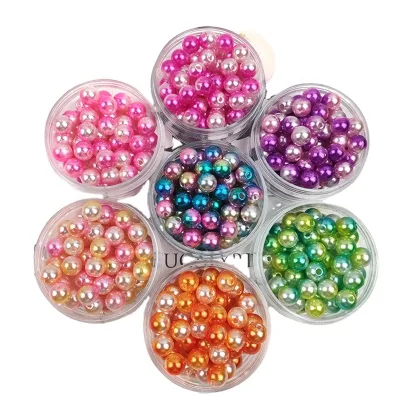
What colors are available for AAA Grade Imitation Pearl Beads?
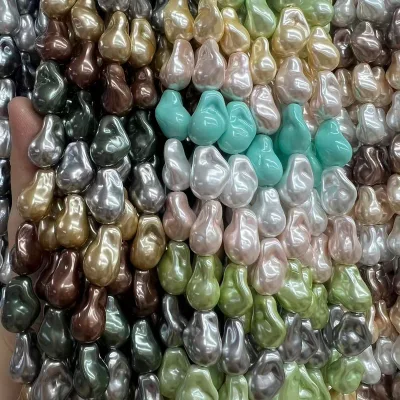
Listed products offer extensive color selections, with one glass pearl line covering dozens of numbered colors referenced against a color card, and an ABS line listing around twenty colors. Another listing states any color is available. Because color availability varies by size and material, request the current color card and confirm your chosen shades before placing an order.