Handmade Wire Winding Crystal Pendant Suppliers and Manufacturers
Explore 29 verified suppliers offering Handmade Wire Winding Crystal Pendant options with varying lead times, response speeds, and customization capabilities. Buyers can compare locations in Guangdong and Jiangsu, certifications like SGS and TüVRheinland, and price ranges to select the right partner for their needs.
Suppliers List
Shenzhen Guangyuan Jewelry Co., Ltd.
- Verified by SGS Group
- Trading Company
- Lead time10 days
- Avg. response≤ 3h
Main productsBead Bracelet, Crystal Bracelet, Crystal Beads, Crystal Ring, Crystal Pendant
Main marketsNorth America(35%), Eastern Europe(15%), Western Europe(15%)
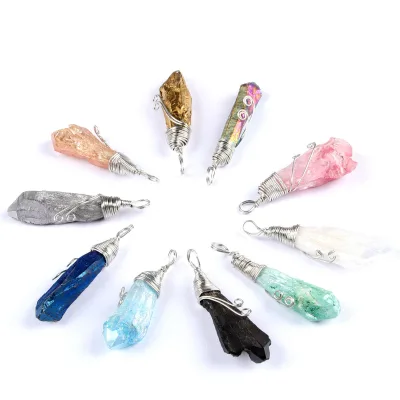
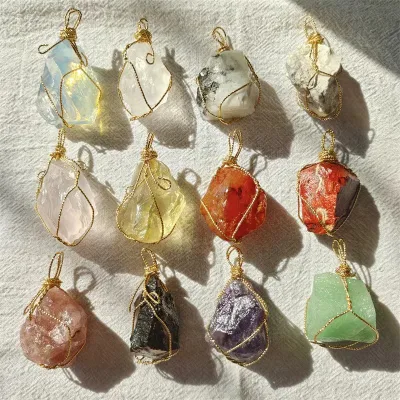
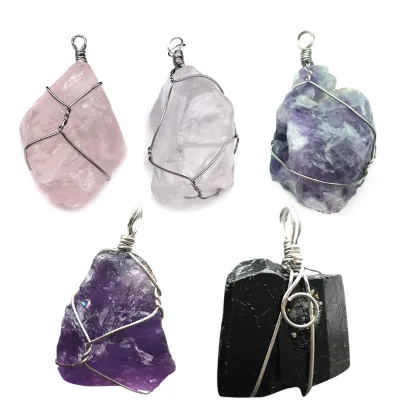
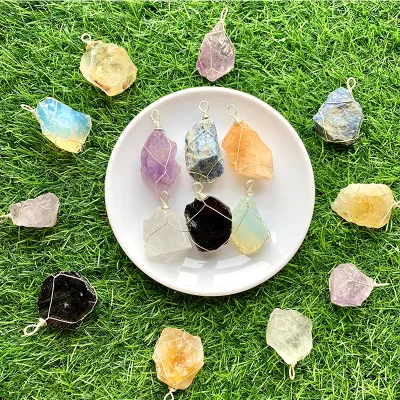
Natural Irregular Stone Crystal Druzy Hand Craft Wire Wrap Pendants for Jewelry Making
$1.65 - $2.58
MOQ: 10 pieces
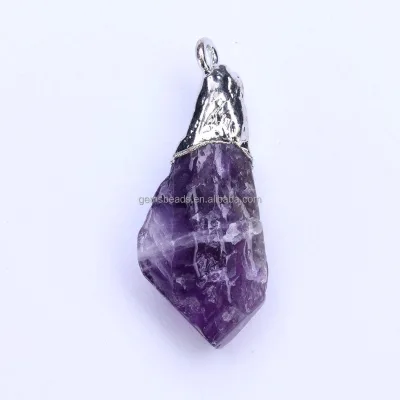
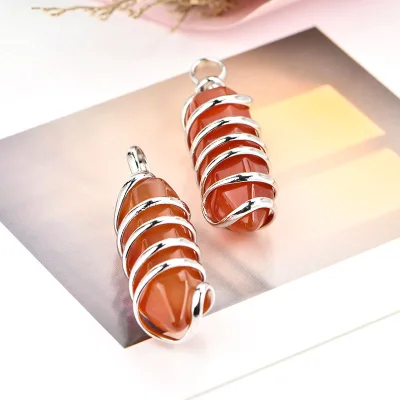
Huizhou Jinshiyuan Stone Crafts Co., Ltd.
- Verified by TüVRheinland
- Manufacturer, Trading Company
- Guangdong, China
- Lead time10 days
- Avg. response≤ 3h
Main productsGemstone Crafts, Gemstone Loose Beads
Main marketsNorth America(59%), Eastern Europe(21%), Domestic Market(9%)
Donghai Pao Pao Mouse Jewelry Co., Ltd.
- Manufacturer, Trading Company
- Jiangsu, China
- Lead time15 days
- Avg. response≤ 1h
Main productsCrystal Jewelry Design, Crystal Carving, Crystal Sphere Tower, Crystal Chips Tumbled, Crystal Raw Specimen
Main marketsNorth America(34.00%), Eastern Europe(20.00%), Southeast Asia(14.00%), Africa(11.00%), South America(8.00%), Mid East(8.00%), Oceania(5.00%)
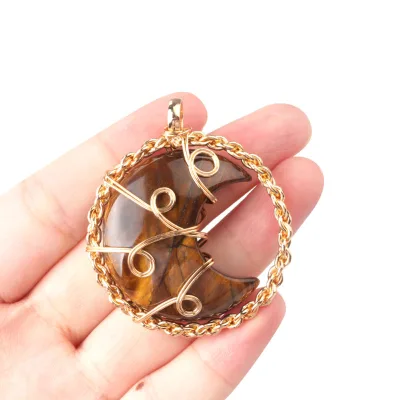
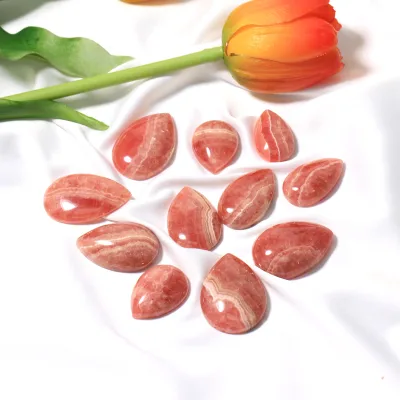
$1.54 - $8.21
MOQ: 10 Minimum
Longfei (jiangsu) International Trade Co., Ltd.
- Trading Company
- Jiangsu, China
- Lead time10 days
- Avg. response≤ 3h
Main productsCrystal Ball, Crystal Point, Crystal Stone, Crystal Chips Craft, Crystal Skull
Main marketsNorth America(50.00%), Central America(10.00%), Eastern Europe(10.00%), South America(5.00%), Western Europe(5.00%), Southern Europe(5.00%), Northern Europe(5.00%), Mid East(5.00%), Southeast Asia(3.00%), South Asia(2.00%)
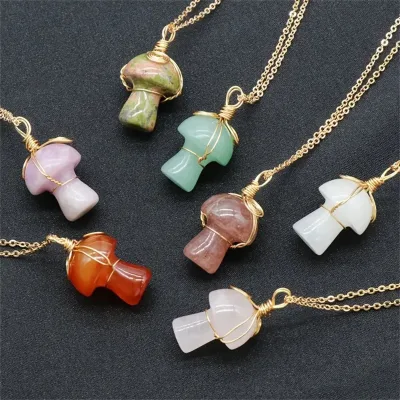
Natural Crystal 20mm Mushroom Pendant Hand Wrapped Wire DIY Charm for Jewelry Making Wholesale
$0.87 - $0.97
MOQ: 1 pieces
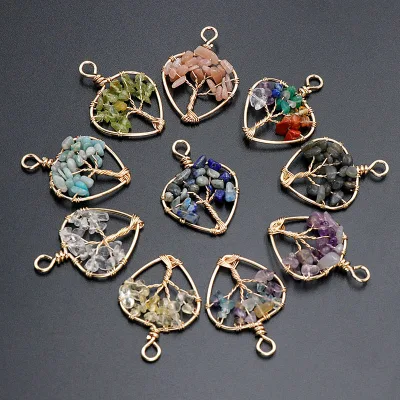
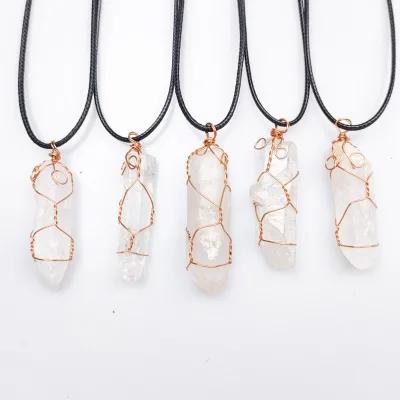
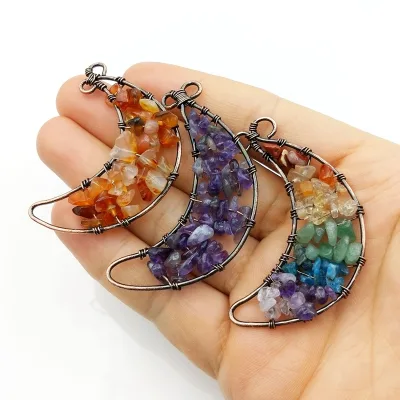
Wholesale Handmade DIY Natural Stone Chips Copper Wire Wrapped Chakra Crystal Pendant for Women
$0.69 - $0.79
MOQ: 2 pieces
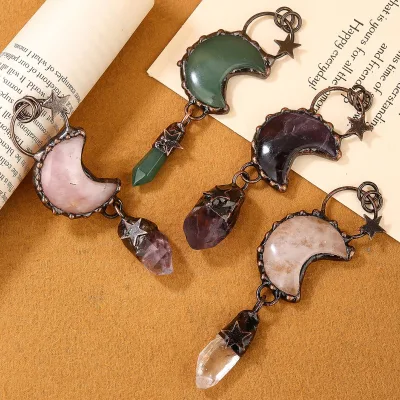
$5.68 - $6.52
MOQ: 2 pieces
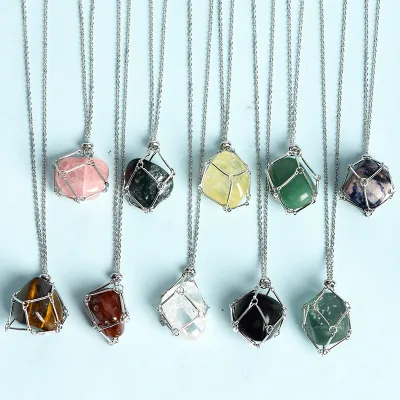
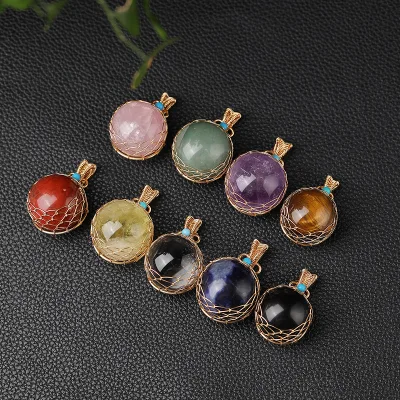
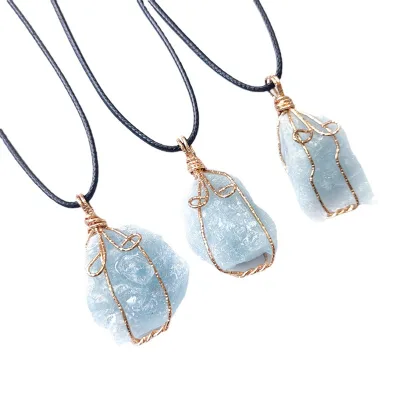
Wrapped Wire Crystal Pendant in Metal Mesh Bag Gemstone Irregular Tumbled Stone Necklace Ornament
$1.54 - $1.76
MOQ: 10 pieces

Guangzhou Huifu Jewelry Co., Ltd.
- Verified by BV
- Manufacturer/Factory
- China Guangdong
- Lead time90 days
- Avg. response≤ 4h
Main productsJewelry, Stainless Steel Jewelry, Stainless Steel Ring, Stainless Steel Pendant, Stainless Steel Earring, Fashion Jewelry, Ring, Necklace, Pendant, Bracelet
Main marketsEastern Europe,Mid East,North America,Western Europe,Africa
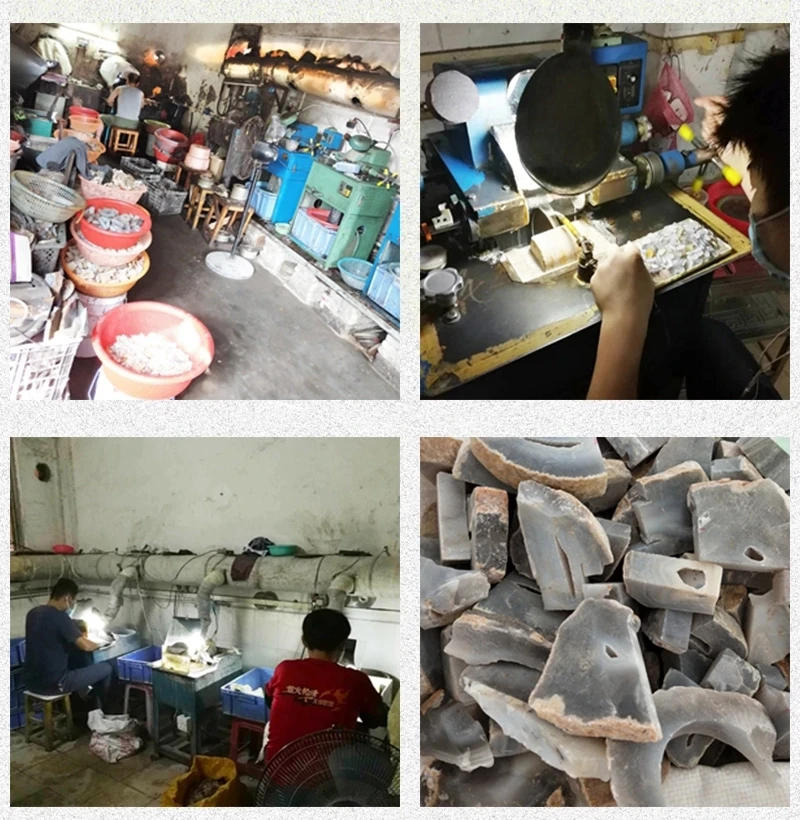
Guangzhou Yasa Jewelry Co., Ltd.
- Manufacturer, Trading Company
- Guangdong, China
- Lead time10 days
- Avg. response≤ 3h
Main productsjewelry,crystal jewelry,natural gemstone,925 silver jewelry,gold plated jewelry
Main marketsNorth America(40.00%), Southeast Asia(10.00%), Eastern Europe(10.00%), South America(10.00%), Eastern Asia(5.00%), Mid East(5.00%), Oceania(5.00%), Western Europe(5.00%), Southern Europe(2.00%), Northern Europe(2.00%), Central America(2.00%), Africa(2.00%), Domestic Market(1.00%), South Asia(1.00%)
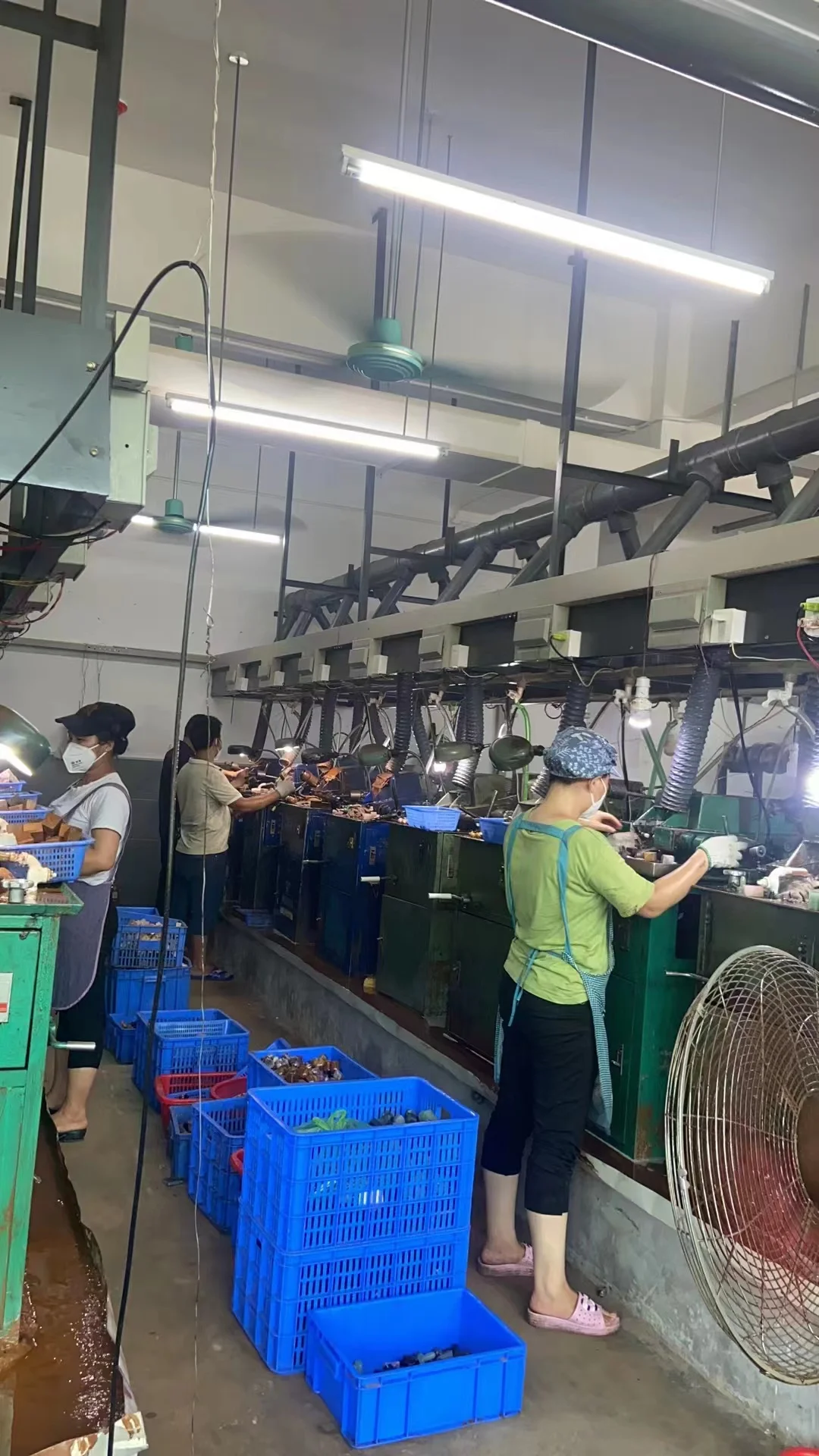
Donghai Changjia Mingyu Crystal Jewelry Co., Ltd.
- Trading Company
- jiangsu, China
- Lead time7 days
- Avg. response≤ 8h
Main productsNatural Crystal Sphere/Natural Crystal Tower/Natural Amethyst Cave/Natural Crystal Carving/Raw Materials,crystal point,crystal sphere,crystal carving,crystal Customization
Main marketsNorth America(60.00%), Southeast Asia(25.00%), South America(15.00%)
Donghai County Boheng Crystal Jewelry Co., Ltd.
- Verified by SGS Group
- Manufacturer, Trading Company
- Lead time3 days
- Avg. response≤ 1h
Main productsCrystal Water Bottle; Crystal Smoking Pipes; Crystal Point/Crystal Gravel/Crystal Ball
Main marketsNorth America(60%), Oceania(15%), Southeast Asia(10%)

Guangzhou IO Jewelry Co., Ltd.
- Combined
- China Guangdong
- Lead time30 days
- Avg. response≤ 8h
Main productsJewelry, Fashion Jewelry, Stainless Steel Jewelry, Custom Jewelry, Stainless Steel Beads, Stainless Steel Charms, Stainless Steel Rings, Stainless Steel Pendants, Beads, Charms
Main marketsSouth America,Domestic,Europe,Australia,North America

Handmade High Quality Tail Pendant with Shiny Crystals Custom Pendant Necklace
$1.00 - $3.00
MOQ: 100 Pieces


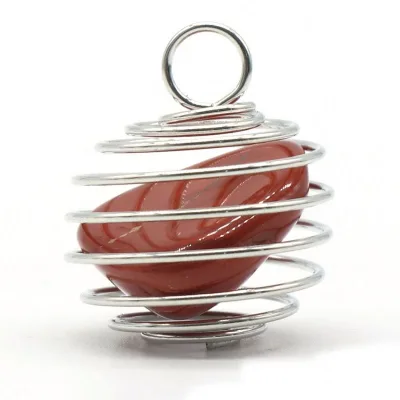
DIY Jewelry Custom Cage Pendant for Pearl or Charms Pendant 316 Stainless Steel
$2.00 - $8.00
MOQ: 100 Pieces
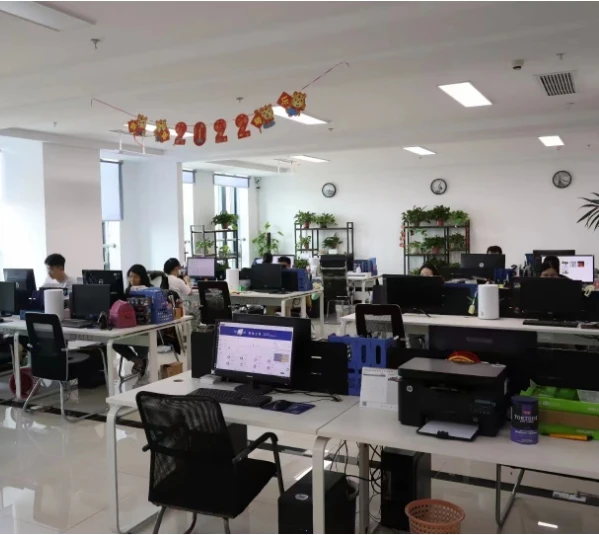
Lianyungang Fream Crystal Products Co., Ltd.
- Manufacturer, Trading Company
- Jiangsu, China
- Lead time12 days
- Avg. response≤ 1h
Main productsCrystal carvings,Crystal towers,Crystal tumbled stones,Crystal specimens,Healing crystal stones
Main marketsNorth America(27.00%), Western Europe(15.00%), Northern Europe(9.00%), Oceania(9.00%), Domestic Market(6.00%), Southeast Asia(5.00%), South Asia(5.00%), Southern Europe(5.00%), Eastern Europe(5.00%), Mid East(5.00%), South America(4.00%), Central America(3.00%), Eastern Asia(2.00%)

Yiwu Hongzhuo Art&crafts Factory
- Manufacturer, Trading Company
- Zhejiang, China
- Lead time30 days
- Avg. response≤ 6h
Main productsCrystal Crafts,Beauty Tools,Massage Tools,Gemstone Carving,Jewelry & Accessories
Main marketsDomestic Market(100.00%)
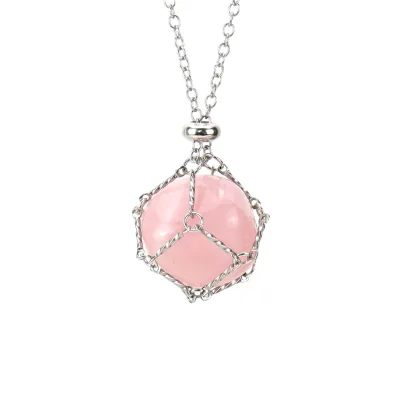
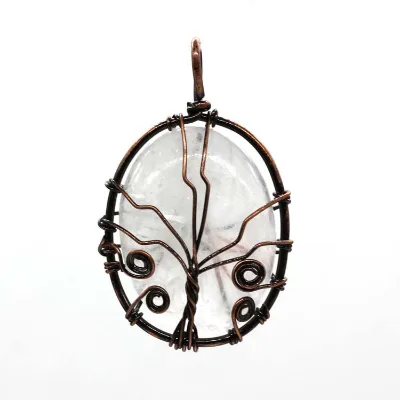
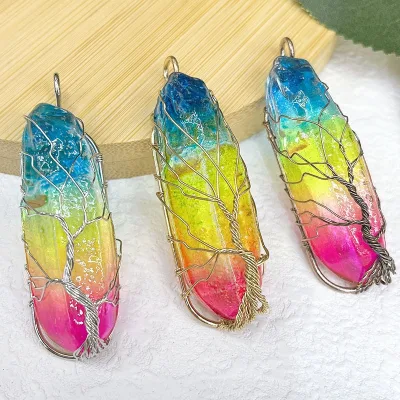
$1.04 - $20.72
MOQ: 100 Minimum
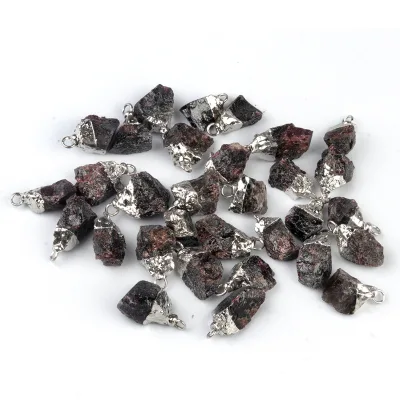
$3.07 - $10.29
MOQ: 500 Minimum
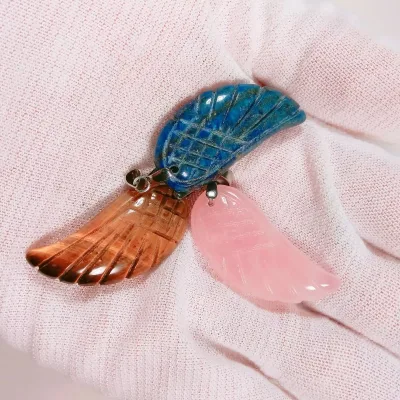
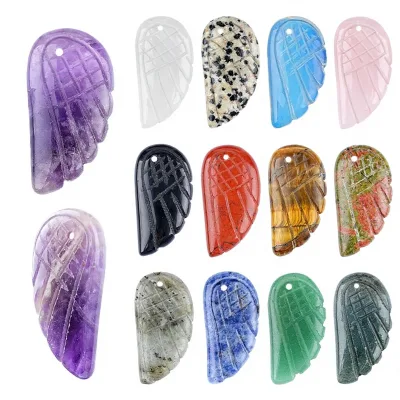
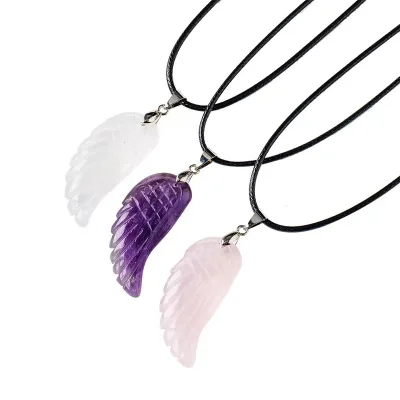
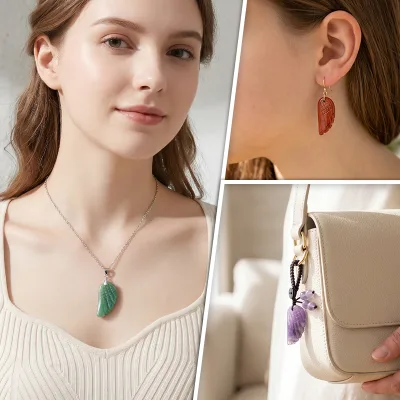
DIY Healing Crystal Gem Stone Carved Gem Angel Wing Pendant Charms for Necklace
$1.03 - $9.26
MOQ: 100 Minimum
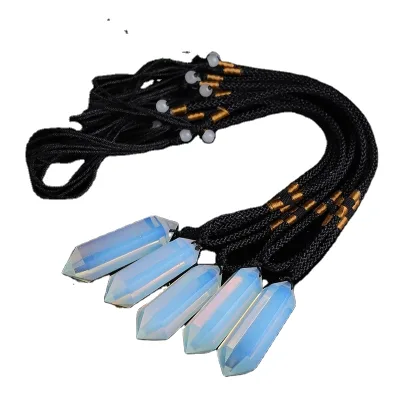
Donghai Buildful Jewelry Co., Ltd.
- Verified by Intertek
- Manufacturer, Trading Company
- Lead time10 days
- Avg. response≤ 1h
Main productsCrystal Tumbled Gravel Stone, Crystal Handmade Pendant, Crystal Tower Point, Crystal Sphere Ball, Crystal Chakra Gift Box
Main marketsNorth America(48%), South America(22%), Oceania(8%)
Donghai Kindfull Crystal Product Co., Ltd.
- Manufacturer, Trading Company
- Lead time旺季: "1 - 5":15,"6 - 20":35,"> 20":"To be negotiated", 淡季: "1 - 5":15,"6 - 20":35,"> 20":"To be negotiated"
- Avg. response≤ 2h
Main productsCarving/Crystal Points/Crystal Palm/Crystal Sphere/Beauty Tools
- Verified by Intertek
- Manufacturer, Trading Company
- Lead time7 days
- Avg. response≤ 2h
Main productsBeaded Jewelry, Natural Stone Bracelet, Fashion Necklace, Crystal Bracelets, Pearl Necklace
Main marketsNorth America(40%), Western Europe(35%), Oceania(10%)
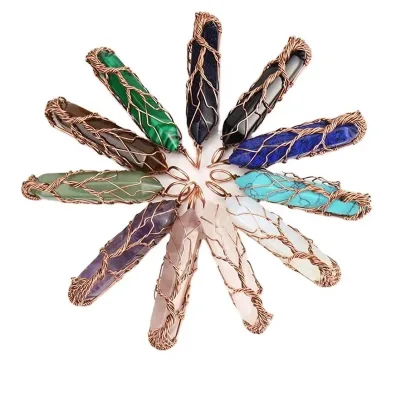
$1.76 - $3.31
MOQ: 120 Minimum
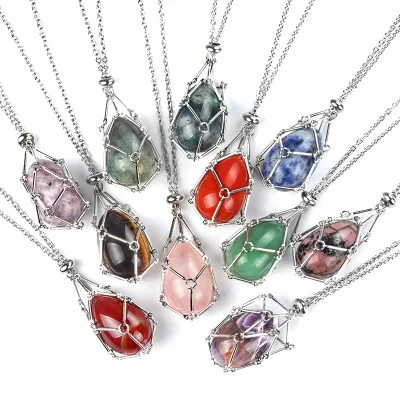
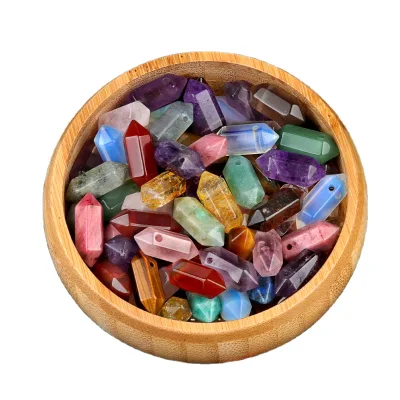
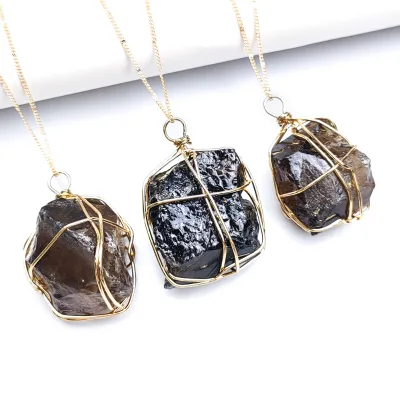

Jinjiang Jiayi Supply Chain Management Co., Ltd.
- Verified by BV
- Trading Company
- China Fujian
- Lead time30 days
- Avg. response≤ 1h
Main productsGift, Shoe, Garment, Machine
Main marketsDomestic

ZHUJI YEYI IMPORT AND EXPORT CO., LTD.
- Verified by CTI
- Trading Company
- China Zhejiang
- Lead time15 days
- Avg. response≤ 25h
Main productsPearl, Freshwater Pearl, Pearl Jewelry, Pearl Necklaces, Pearl Earrings, Pearl Bracelet, Pearl Brooch, Baroque Pearl, Pearl Beads, Pearl Pendant
Main marketsNorth America

Handcrafted Huge Baroque Pearl Pendant with Intricate Coiled Wire Design
$30.19 - $32.98
MOQ: 100 Pieces

Wholesale Unique Handmade Coiled Wire Baroque Pearl Pendant Freshwater Pearl Necklace
$21.70 - $27.10
MOQ: 100 Pieces

Handcrafted High Quality Baroque Pearl Pendant with Elegant Wire Artistry
$34.19 - $36.98
MOQ: 100 Pieces

Donghai Jinuo Crystal Co., Ltd.
- Trading Company
- Jiangsu, China
- Lead time15 days
- Avg. response≤ 10h
Main productsCrystal Point, Crystal Ball, Crystal Massage Wand, Crystal Carving, Crystal Gravel
Main marketsNorth America(59.00%), Western Europe(10.00%), Northern Europe(10.00%), South America(5.00%), Oceania(5.00%), Southeast Asia(3.00%), Southern Europe(2.00%), Eastern Asia(2.00%), Eastern Europe(2.00%), South Asia(1.00%), Mid East(1.00%)
Donghai Shangqiong Jewelry Co., Ltd.
- Verified by SGS Group
- Manufacturer, Trading Company
- Lead time15 days
- Avg. response≤ 5h
Main productsSun Catcher, Crystal Earrings, Crystal Pens, Crystal Crafts, Handmade Decor
Main marketsNorth America(30%), Oceania(30%), Western Europe(10%)

Yiwu Renrui E-commerce Business
- Trading Company
- China Zhejiang
- Lead time0 days
- Avg. response≤ 2h
Main productsSouvenir Gift, Craft, Scented Candle, Artificial Flower, Christmas Ornaments, Daily Use, Home Decoration, Solid Wood Carvings, Accessories, Photo Frame


$1.10 - $1.30
MOQ: 100 Pieces


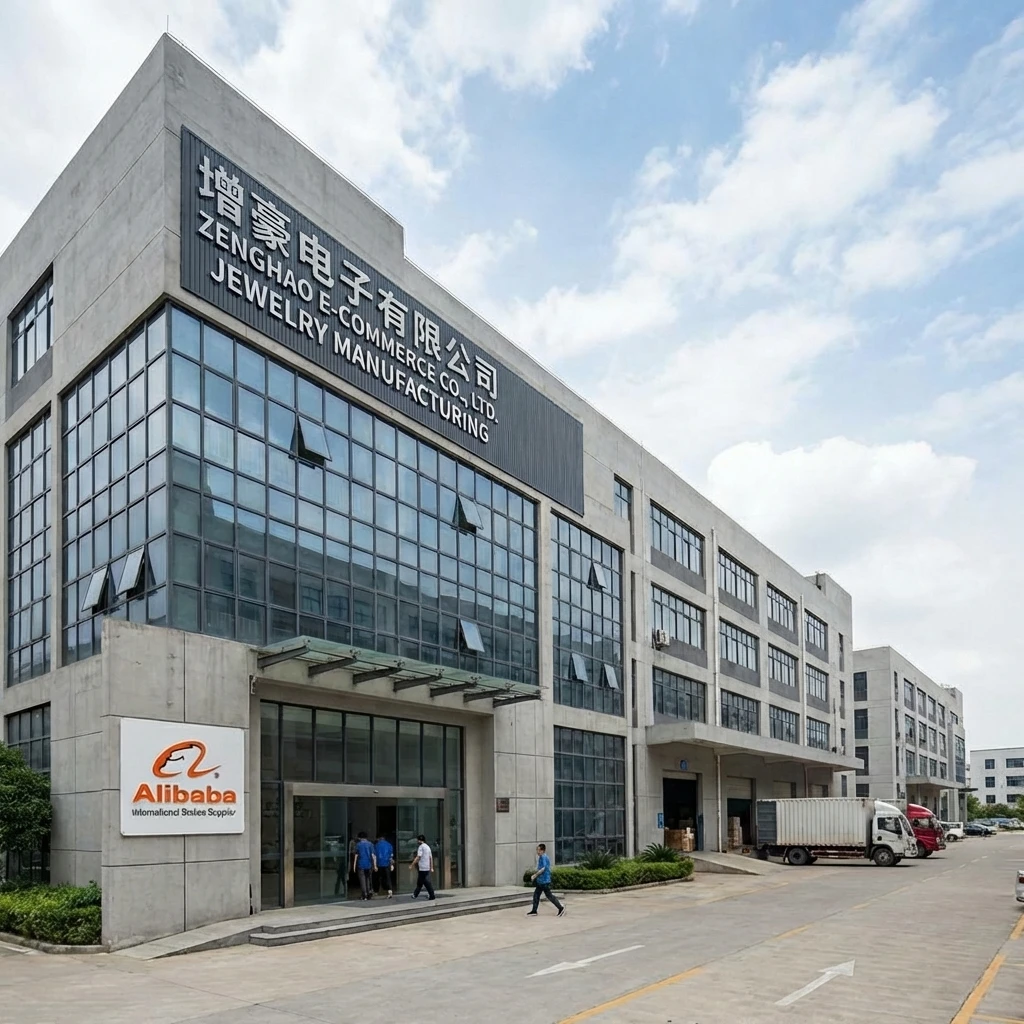
Yiwu Zenghao E Commerce Corporation
- Trading Company
- Zhejiang, China
- Lead time30 days
- Avg. response≤ 5h
Main productsnecklace,earring,bracelet,ring,keychain
Main marketsCentral America(40.00%), Eastern Europe(10.00%), Western Europe(10.00%), North America(5.00%), Domestic Market(5.00%), Mid East(5.00%), Oceania(5.00%), Southern Europe(5.00%), Northern Europe(5.00%), South Asia(3.00%), South America(2.00%), Africa(2.00%), Southeast Asia(2.00%), Eastern Asia(1.00%)
Dongguan Huiying Art&crafts Co., Ltd.
- Manufacturer, Trading Company
- Guangdong, China
- Lead time20 days
- Avg. response≤ 5h
Main productsgifts,crafts,skin care products,face rollers,gua sha massagers
Main marketsWestern Europe(25.00%), North America(25.00%), Northern Europe(10.00%), Oceania(10.00%), Mid East(5.00%), Eastern Europe(5.00%), Central America(5.00%), Southeast Asia(3.00%), Eastern Asia(3.00%), South Asia(2.00%), Southern Europe(2.00%), South America(2.00%), Africa(2.00%), Domestic Market(1.00%)
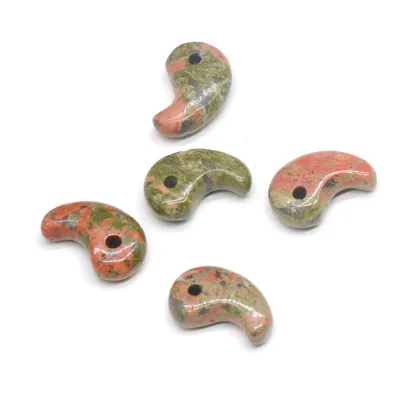
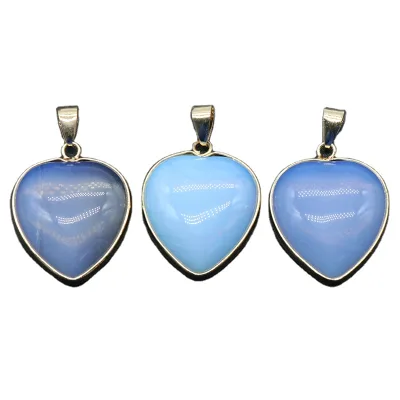
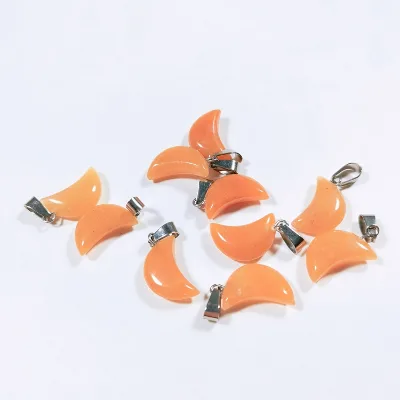
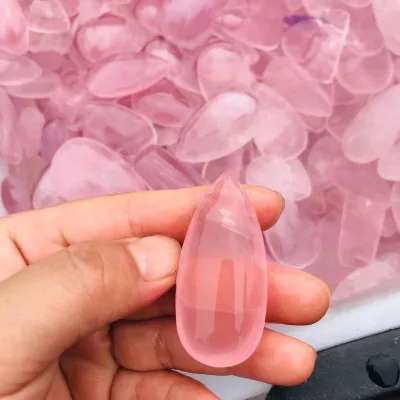
2026 Hot Sale High-Quality Handmade 3cm Comma Pendant Rose Quartz/Unakite Crystal Pendant for Gift
$0.82 - $1.64
MOQ: 100 pieces
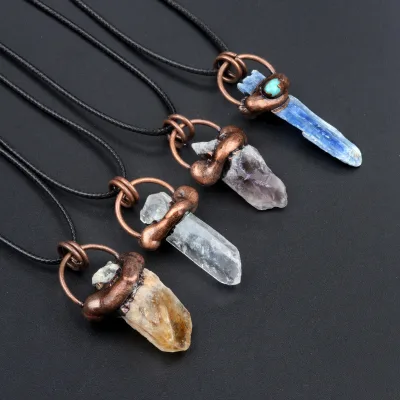
$1.02 - $9.20
MOQ: 100 Minimum

Longyan Zhanling Industry and Trade Co., Ltd.
- Manufacturer/Factory
- China Fujian
- Lead time150 days
- Avg. response≤ 4h
Main productsStainless Steel Cup, Customized Cup, Stainless Steel Cup & Mug, Double Wall Stainless Steel Cup, Customized Stainless Steel Cup, Water Bottle, Tumbler, Stainless Steel Water Bottle, Stainless Steel Bottle, Whiskey Glass
Main marketsSouth America,Eastern Europe,Mid East,North America,Southeast Asia,Eastern Asia,Oceania,Western Europe,Africa

Guangzhou Govolon Trade Co., Ltd.
- Trading Company,Manufacturer/Factory
- China Guangdong
- Lead time15 days
- Avg. response≤ 24h
Main productsGarment Accessories, Lace, Button, Zipper, Fringe and Tassels, Belt Ribbon, Garment Trimming, Patch Badge, Buckle, Hotfix
Main marketsSouth America,Mid East,North America,Southeast Asia,Western Europe,Africa


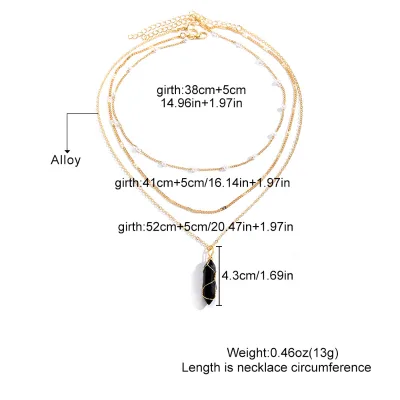
Fashion Necklace Chain Gold with Circle and Beads Fringe Pendant 29~32+9cm
$1.38 - $1.50
MOQ: 500 Pieces

- Verified by SGS
- Manufacturer/Factory
- China Zhejiang
- Lead time30 days
- Avg. response≤ 1h
Main productsNecklace, Bracelets, Earring, Ring, Brooch, Phone Lanyard, Key Chain, Body Jewelry, Hair Clip, Hair Band
Main marketsSouth America,Eastern Europe,Mid East,North America,Southeast Asia,Eastern Asia,Oceania,Western Europe,Africa
Donghai Pingtouge Jewelry Co., Ltd.
- Trading Company
- Jiangsu, China
- Lead time0 days
- Avg. response≤ 4h
Main productscarved crystal,carving natural crystal stones,crystal carving,crystal animal carvings,crystal moon carving
Main marketsEastern Europe(30.00%), Northern Europe(20.00%), North America(20.00%), South Asia(20.00%), South America(10.00%)
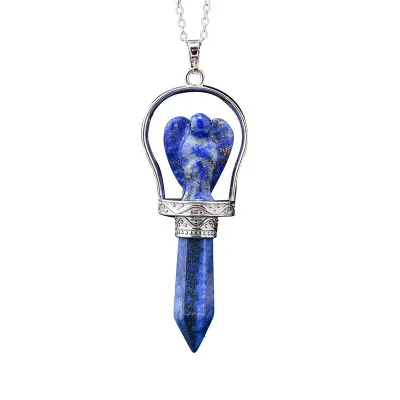
Wholesale fashion natural gemstone crystal point angel pendant crystal pendant
$6.12 - $7.14
MOQ: 100 pieces

East Sunrise Jewelry Co., Limited
- Verified by SGS
- Manufacturer/Factory
- China Guangdong
- Lead time23 days
- Avg. response≤ 16h
Main productsPendant, Necklace, Bracelet, Ring, Earring, Carving, Ornament, Loose Bead, Jewelry, Semi-Precious Stones
Main marketsSouth America,Eastern Europe,Mid East,North America,Southeast Asia,Eastern Asia,Oceania,Western Europe,Africa

Xiamen Amore Gift Solutions Co., Ltd.
- Verified by BV
- Trading Company
- China Fujian
- Lead time30 days
- Avg. response≤ 5h
Main productsCrystals, Gemstones, Crystal Skulls, Crystal Animals
Main marketsEast Asia(Japan/ South Korea),North America

Natural Crystal Crafts Moon Blue Chalcedony Moons Crystal Necklace Pendant
$4.00 - $6.40
MOQ: 2 Pieces

Wholesale Natural Blue Chalcedony Stone Crystal Pendants Silver Plated Necklace Pendant
$39.00 - $45.00
MOQ: 2 Pieces
- Trading Company
- Taiwan, China
- Lead time45 days
- Avg. response≤ 3h
Main productsGARDEN DECORATION,WIND CHIMES,STAINED GLASS,CRYSTAL DECORATION,WIND SPINNERS
Main marketsNorth America(40.00%), Western Europe(20.00%), Northern Europe(10.00%), South Asia(5.00%), Southern Europe(5.00%), South America(5.00%), Central America(5.00%), Eastern Europe(5.00%), Mid East(5.00%)

- Verified by CTI
- Trading Company
- China Zhejiang
- Lead time15 days
- Avg. response≤ 8h
Main productsJewelry, Brooch, Belt, Necklace, Agent, Bracelet, China Trim, China Ring, China Hair Accessory, China Earring
Main marketsSouth America



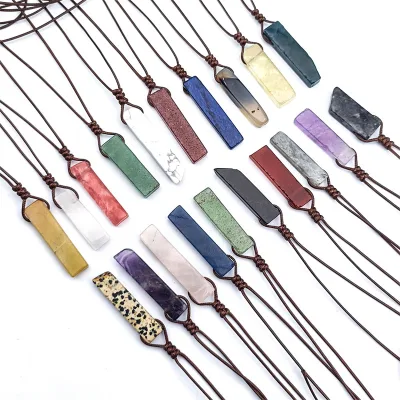
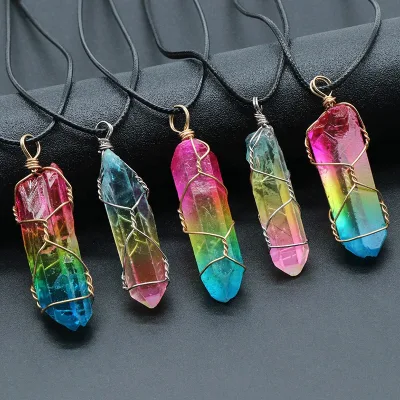
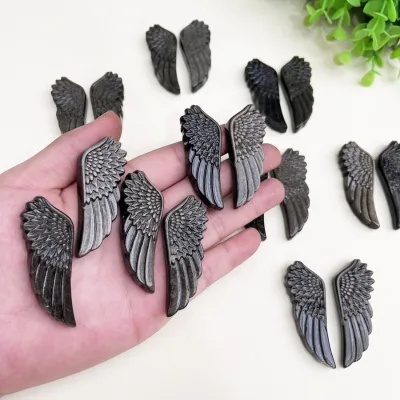
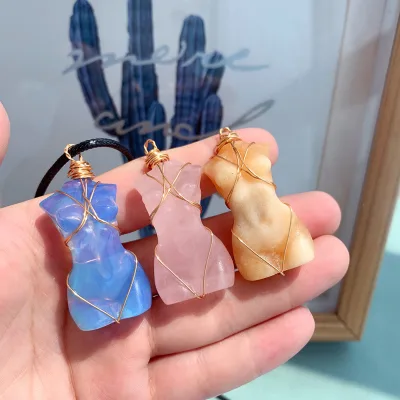
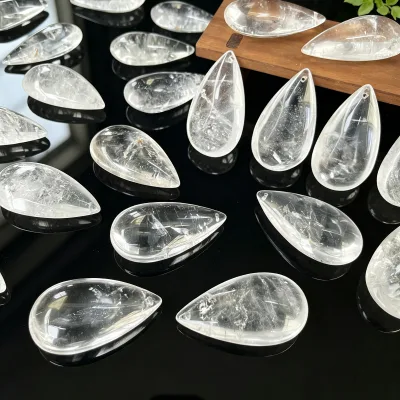
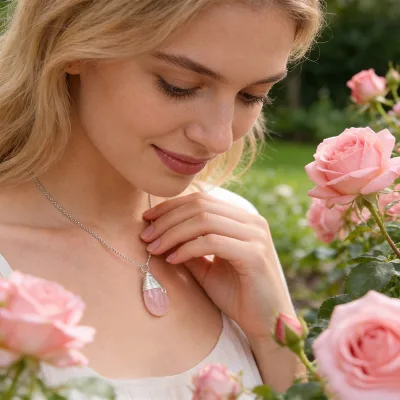
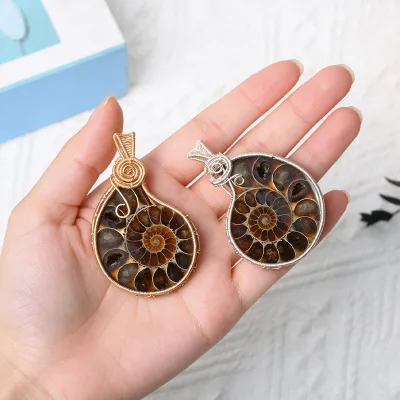
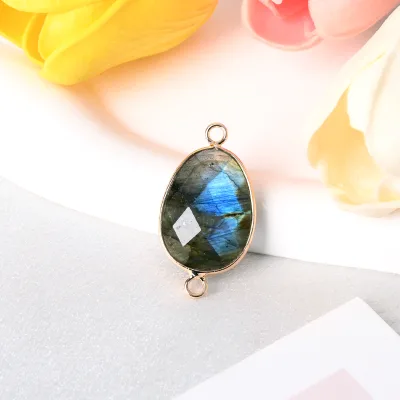


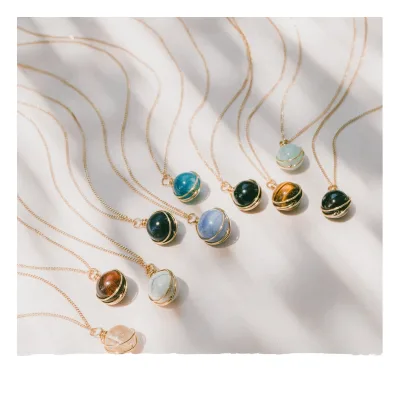
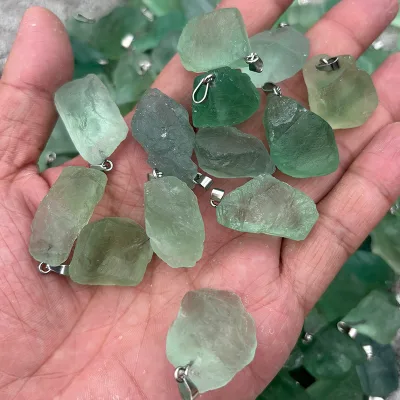
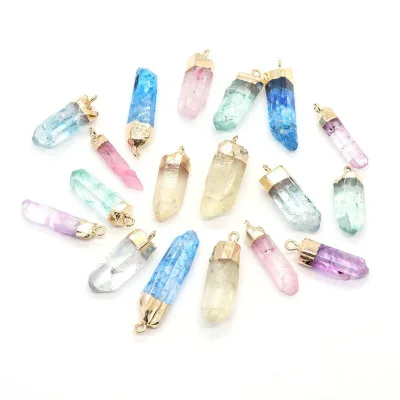


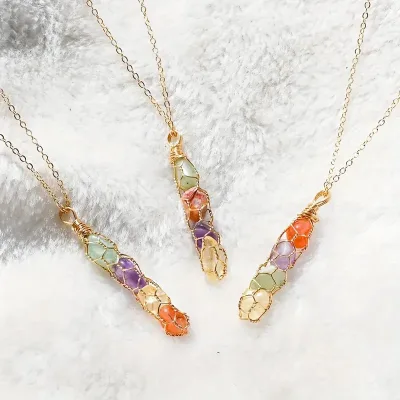


Comprehensive Sourcing Guide
Handmade Wire Winding Crystal Pendant Supplier Concentration and Factory Types
Current data indicates a mix of trading companies and manufacturers operating within the Chinese supply chain for these items. Specific results show entities located in Guangdong and Jiangsu provinces, with some operations explicitly based in Donghai, a region known for crystal processing. These suppliers often list main products ranging from crystal beads and loose stones to finished pendants and wire-wrapped jewelry. The presence of both trading companies and manufacturers suggests that buyers may encounter different operational models depending on the specific vendor selected. Some suppliers offer light customization and sample processing, while others focus on graphic processing and customized on-demand production.
When evaluating the factory type, buyers should note that some entities are verified by third-party agencies like SGS Group or TüVRheinland, which adds a layer of credibility to their operational claims. The location data points to specific provinces, but buyers must verify if a supplier is a direct factory or a trading intermediary before committing to large orders. Trading companies often aggregate products from various workshops, whereas manufacturers may control the entire wire-winding and stone-setting process. Understanding this distinction is crucial for determining who holds the inventory and who manages the production timeline for Handmade Wire Winding Crystal Pendant orders.
How to Verify Handmade Wire Winding Crystal Pendant Suppliers
Verification is a critical step when sourcing Handmade Wire Winding Crystal Pendant products, as the market contains various entity types. Buyers should look for suppliers displaying verification badges from recognized agencies such as SGS Group or TüVRheinland, which serve as evidence of third-party assessment. These badges indicate that the supplier has undergone specific checks regarding their business license or factory capabilities. However, the absence of a badge does not automatically disqualify a supplier, but it requires the buyer to request additional documentation to confirm their legitimacy. Relying solely on platform ratings without cross-referencing verification status can lead to sourcing from unvetted intermediaries.
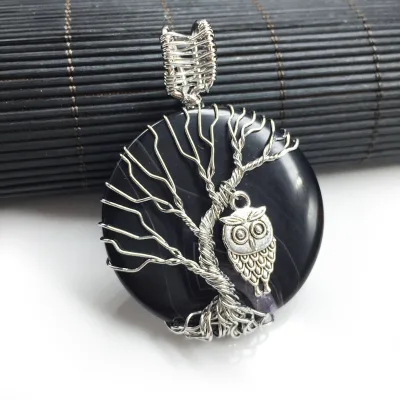
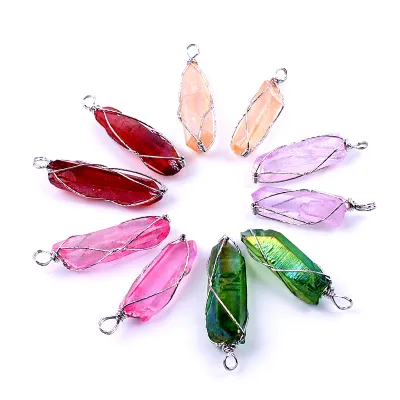
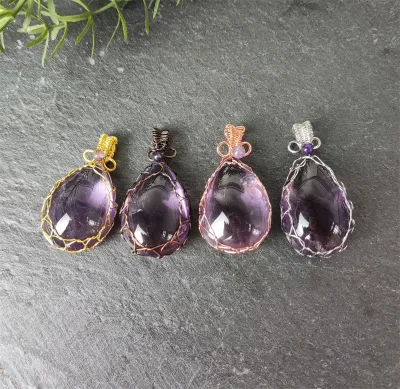
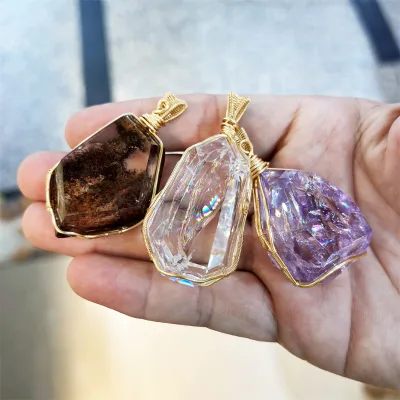
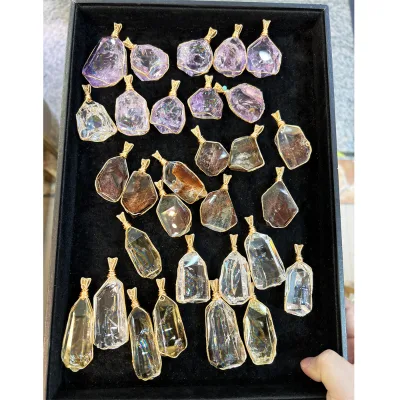
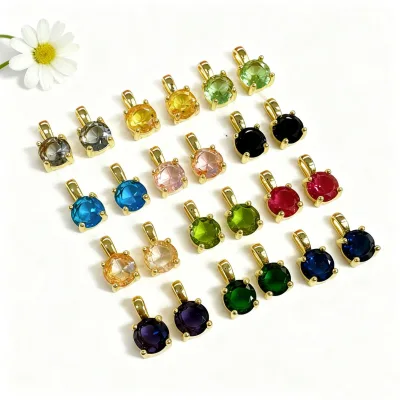
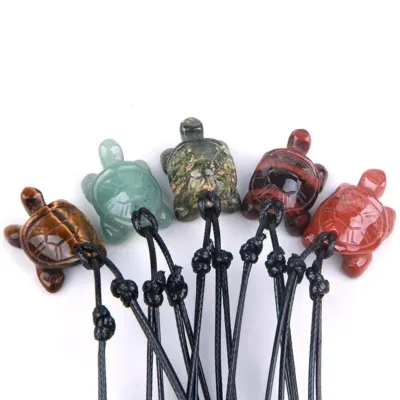
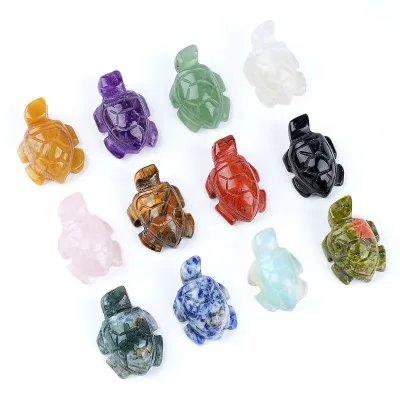
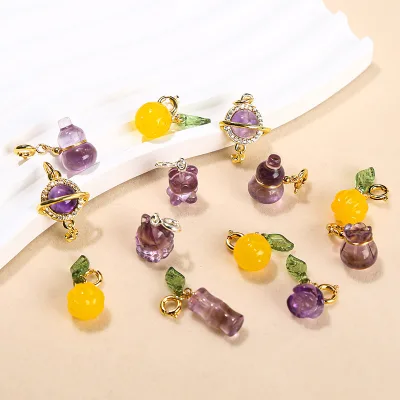
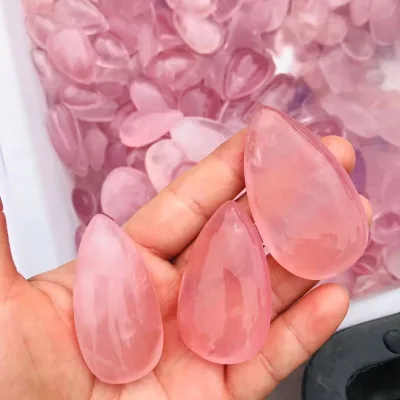
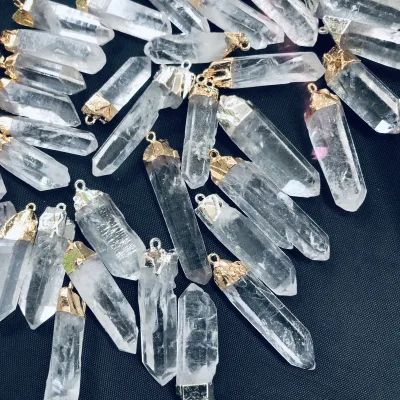
Beyond verification badges, buyers must examine the specific product evidence provided to ensure the supplier can deliver the required quality. For instance, some listings detail specific attributes like color variations, including amethyst, black agate, and rose quartz, alongside technical details such as wire wrapping techniques. Buyers should request photos or videos that demonstrate the handmade nature of the wire winding, as this is a key differentiator from mass-produced items. Additionally, checking the response time, which can range from one to three days in current data, helps gauge the supplier's communication efficiency. A slow response time may indicate a lack of dedicated staff or poor management, which could impact the ability to resolve issues during the production of custom crystal pendants.
What to Compare Across Handmade Wire Winding Crystal Pendant Suppliers
Comparing suppliers requires a focus on specific operational metrics that directly impact the procurement process. Lead times vary significantly, with some suppliers indicating a ten-day turnaround while others suggest fifteen days. These differences are critical for planning inventory and meeting market demand. Buyers should also compare the Minimum Order Quantity (MOQ), which ranges from five pieces to ten pieces in observed data. A lower MOQ allows for smaller test orders, reducing financial risk, while a higher MOQ might be necessary to secure better unit pricing. Response times, observed between one and three days, further influence how quickly a buyer can negotiate terms or request samples.
Another vital comparison point is the range of customization capabilities offered by each supplier. Some vendors provide light customization, sample processing, and graphic processing, while others focus on customized on-demand production. Buyers must assess whether the supplier can handle specific design requests, such as unique wire patterns or specific stone combinations like blue lace agate or tiger eye. Price ranges also differ, with some products listed between $1.00 and $2.58, while others span from $1.54 to $8.21. These price variations often reflect the complexity of the wire winding, the rarity of the stone, or the level of craftsmanship involved. Buyers should align their budget and quality expectations with the specific capabilities and pricing structures of the suppliers they are evaluating.
Common Handmade Wire Winding Crystal Pendant Sourcing Risks
One significant risk in sourcing Handmade Wire Winding Crystal Pendant items is the inconsistency in product quality due to the manual nature of the work. Since each piece is handcrafted, variations in wire tension, stone setting, and finish are common. Buyers must be prepared for potential discrepancies between the sample provided and the bulk order. Without a clear standard for what constitutes "handmade" or "wire wrapped," suppliers may interpret the requirements differently. This ambiguity can lead to disputes over quality acceptance, especially when the product involves delicate stones like opalite or labradorite that require precise handling.
Another risk involves the reliability of the supply chain regarding lead times and inventory availability. While some suppliers claim a ten-day lead time, others may extend this to fifteen days or longer depending on order volume and material availability. If a supplier relies on third-party workshops for the wire winding process, delays can occur if those workshops are overbooked. Additionally, the use of specific materials, such as titanium-coated wires or natural stones, may be subject to fluctuating availability. Buyers should verify the supplier's ability to source consistent materials and maintain production schedules. Failure to account for these potential delays can disrupt the buyer's own sales cycles and inventory planning, leading to missed market opportunities.
Handmade Wire Winding Crystal Pendant Regional Sourcing and Logistics
Regional sourcing plays a pivotal role in the logistics and cost structure of Handmade Wire Winding Crystal Pendant orders. Current data highlights specific locations such as Guangdong, Jiangsu, and Donghai, China, as hubs for these products. Donghai, in particular, is noted for its crystal processing capabilities, suggesting a concentration of suppliers with specialized knowledge in stone carving and wire wrapping. Buyers sourcing from these regions may benefit from established supply chains and access to raw materials. However, the distance between the supplier and the buyer's location will impact shipping costs and delivery times. Understanding the geographic distribution of suppliers helps in selecting a partner that balances proximity with production expertise.
Logistics considerations also extend to the packaging and handling of fragile crystal items. Products like wire-wrapped pendants require careful packing to prevent damage during transit. Some suppliers specify single package sizes, such as 5x5x5 cm or 18x10x12 cm, and mention safe packaging practices. Buyers should inquire about the specific packaging methods used to ensure the integrity of the handmade items. Additionally, the weight of the products, often listed as 0.015 kg or 0.025 kg per unit, affects shipping calculations. For bulk orders, the cumulative weight and volume must be factored into the logistics plan. Buyers should verify if the supplier offers consolidated shipping or if they require individual shipments, as this can significantly influence the overall cost and efficiency of the supply chain.
Handmade Wire Winding Crystal Pendant Commercial Terms and Order Planning
Commercial terms for Handmade Wire Winding Crystal Pendant orders often include specific pricing structures and payment conditions. Prices observed range from approximately $1.00 to $8.21 per unit, depending on the stone type, wire material, and design complexity. Buyers should clarify whether these prices include shipping, taxes, or other fees. Payment terms may vary, with some suppliers requiring full payment upfront while others offer escrow services to protect both parties. Understanding these financial terms is essential for budgeting and managing cash flow. Buyers should also check if there are volume discounts available, as larger orders often qualify for reduced unit prices.
Order planning requires careful attention to the Minimum Order Quantity (MOQ) and the production timeline. With MOQs ranging from five to ten pieces, buyers can start with small test orders to verify quality before scaling up. However, the lead time, which can be ten to fifteen days, must be factored into the production schedule. Buyers should plan for potential delays by ordering well in advance of their sales peaks. Additionally, customization requests may extend the lead time, so it is crucial to communicate design requirements clearly and early. By aligning commercial terms with realistic order planning, buyers can mitigate risks and ensure a smooth procurement process for their Handmade Wire Winding Crystal Pendant inventory.
FAQs
What is the typical lead time for handmade wire winding crystal pendants?
Manufacturers generally require 10 to 15 days to produce these items. This timeframe accounts for the manual wire wrapping and stone selection processes. Buyers should confirm specific schedules with suppliers before placing bulk orders to ensure timely delivery for their projects.
What is the minimum order quantity for these crystal pendants?
Suppliers typically set minimum order quantities between 5 and 10 pieces. This low threshold allows buyers to test product quality or order small batches. Always verify the exact MOQ with the specific supplier, as it may vary based on customization requirements.
What is the price range for natural crystal stone pendants?
Prices generally range from $1.00 to $8.21 per piece. The cost depends on the stone type, size, and complexity of the wire wrapping. Basic amethyst or agate pendants are often at the lower end, while intricate designs cost more.
Are these suppliers verified for quality assurance?
Yes, many suppliers hold verification from SGS Group or TüV Rheinland. These certifications indicate that the companies have undergone rigorous audits for business legitimacy and product quality. Buyers can rely on these verified badges to reduce sourcing risks when selecting partners.
What customization options are available for crystal pendants?
Suppliers offer light customization, sample processing, and graphic processing. Buyers can request customized shapes, specific stone colors, or unique wire designs. These options allow for tailored products that meet specific branding or design needs for jewelry collections.
How quickly do suppliers respond to inquiries?
Response times are typically fast, often within one to three days. Quick communication helps buyers clarify details about materials, pricing, and shipping. Prompt responses indicate efficient customer service and a higher likelihood of successful collaboration on custom orders.