Bracelet Making Bar Spacer Suppliers and Manufacturers
Compare 22 verified suppliers offering Bracelet Making Bar Spacer components with varying lead times, MOQs, and locations in China. Review product attributes like material and customization options before contacting vendors for quotes; review the available evidence before requesting comparable quotations from suitable candidates.
Suppliers List

Dongguan Bosin Hardware Co., Ltd.
- Trading Company
- China Guangdong
- Lead time15 days
Main productsKey Ring, Snap Hooks, Ball Chain, Carabiner, Metal Clips, Metal Rings, Metal Buckle, Stainless Steel Chains, Key Chain, Bottle Opener
Main marketsEurope,North America
SENHUA TRADING (HONG KONG) LIMITED
- Trading Company
- Hong Kong S.A.R.
- Lead time0 days
- Avg. response≤ 2h
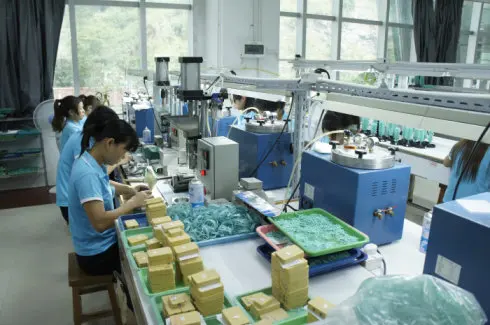
Guangzhou Bangmingwei Jewelry Co., Ltd.
- Trading Company
- Guangdong, China
- Lead time5 days
- Avg. response≤ 3h
Main productsBracelet/ Necklace/ Ring/ Earring/ Jewelry accessories
Main marketsNorth America(50.00%), South America(20.00%), Mid East(15.00%), Eastern Europe(10.00%), Africa(5.00%)
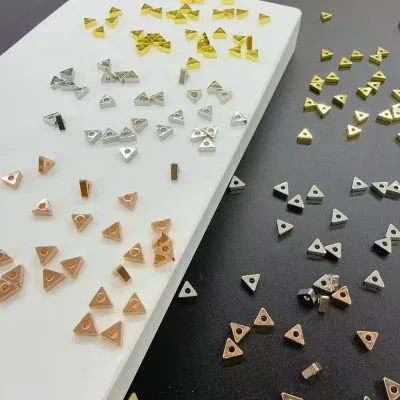
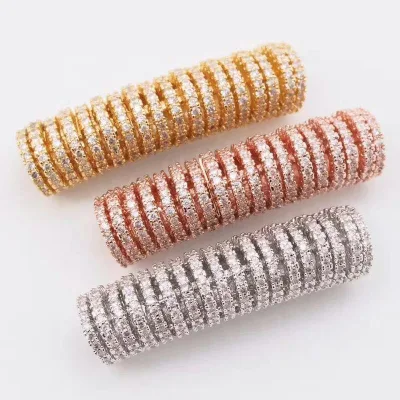
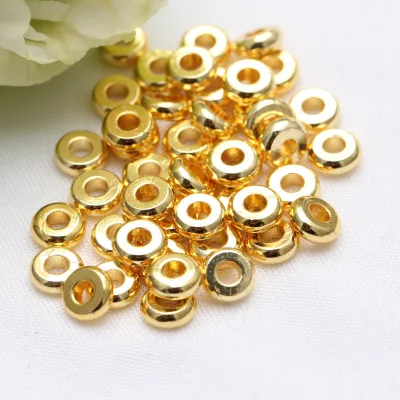
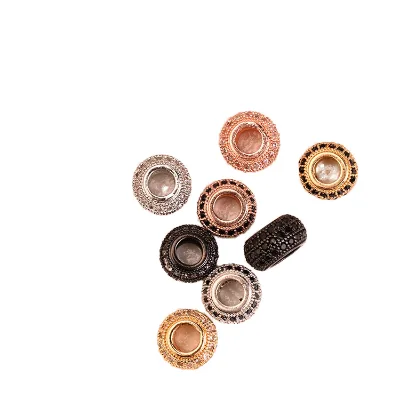
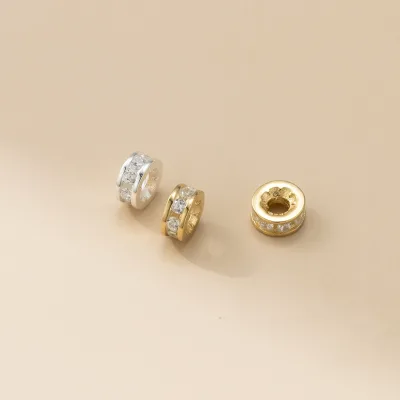
Brass Round Flat Bead Spacer Jewelry Making Component Spacer Beads for Backing Flat Discs
$1.03 - $5.15
MOQ: 20 Minimum
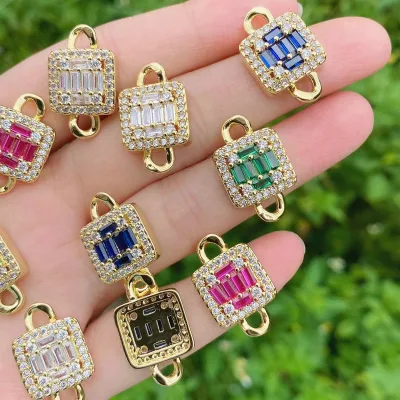
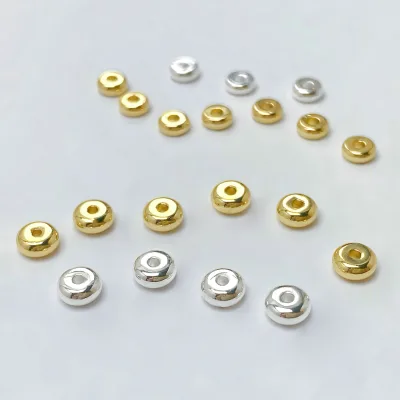
hot sale colorful square charms brass connector for bracelet necklace jewelry making
$0.50 - $5.00
MOQ: 20 Minimum
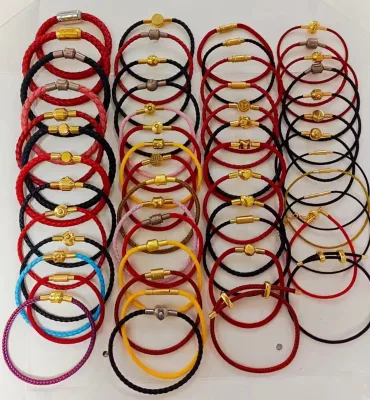
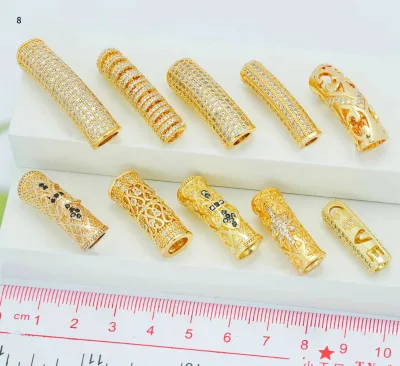
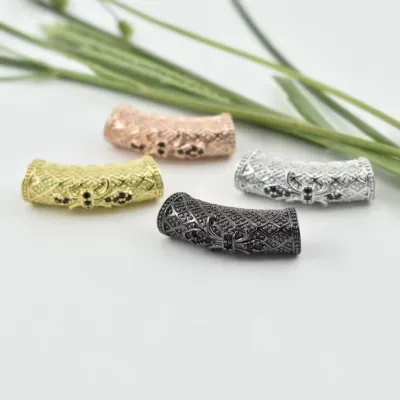
Wholesale Hole Connectors Tub Shape Charms for Jewelry Rope Bracelet Making Custom DIY
$0.50 - $5.00
MOQ: 20 Minimum

Guangzhou IO Jewelry Co., Ltd.
- Combined
- China Guangdong
- Lead time30 days
Main productsJewelry, Fashion Jewelry, Stainless Steel Jewelry, Custom Jewelry, Stainless Steel Beads, Stainless Steel Charms, Stainless Steel Rings, Stainless Steel Pendants, Beads, Charms
Main marketsSouth America,Domestic,Europe,Australia,North America


High Quality 316 Stainless Steel Smooth Jewelry Spacer Beads for Bracelet
$1.00 - $2.50
MOQ: 100 Pieces

Yiwu Major E-Commerce Co., Ltd.
- Trading Company
- Zhejiang, China
- Lead time15 days
- Avg. response≤ 5h
Main productsjewelry,stainless steel accessories,wholesale,retail,fashion jewelry
Main marketsNorth America(40.00%), Western Europe(25.00%), Northern Europe(10.00%), South America(10.00%), Eastern Europe(10.00%), Southern Europe(5.00%)
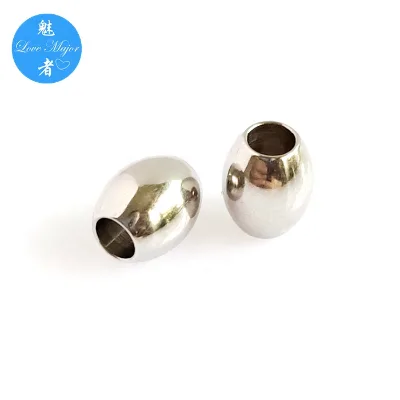
$0.07 - $0.15
MOQ: 500 pieces
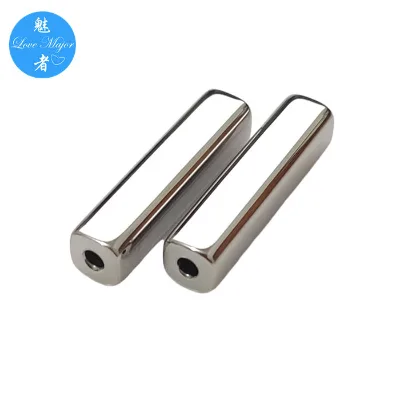
Nice Polished Stainless Steel Tube Spacer Standoff Slide Bar Jewelry Findings for DIY Shim 2 mm Hole
$0.51 - $0.57
MOQ: 100 pieces
- Trading Company
- Zhejiang, China
- Lead time0 days
- Avg. response≤ 5h
Main productsNecklace,Bracelet,Earring,Rings,Accessories
Main marketsNorth America(8.00%)

Dongguan Hongsheng Craft Gifts Co., Ltd.
- Verified by TUVRHEINLAND
- Trading Company
- China Guangdong
- Lead time30 days
Main productsStainless Steel Ring, Stainless Steel Pendant Charm, Stainless Steel Leather Bracelet, Stainless Steel Bracelet Bangle, Stainless Steel Earring, Stainless Steel Chain, Leather Cord, Clothing Accessories, Key Chains, Rubber Products
Main marketsSouth America,Europe

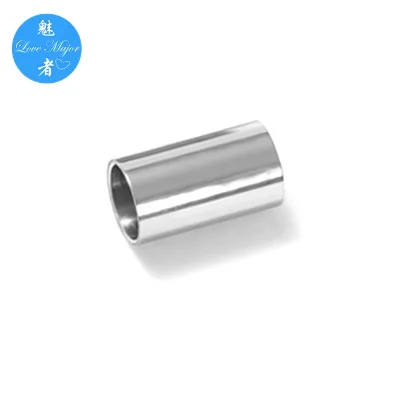
Stainless Steel Tube Spacers Beads for Necklace Bracelet Earring Making DIY
$0.06 - $0.40
MOQ: 50 Pieces


18K Gold Plated Stainless Steel Beads Round Metal Spacer Bead for Jewelry Making
$0.10 - $0.13
MOQ: 200 Pieces


Guangzhou Milky Way Jewelry Limited
- Trading Company
- Guangdong, China
- Lead time10 days
- Avg. response≤ 3h
Main productsfashion jewelry,jewelry supplies,jewelry findings,jewelry material,art and gift
Main marketsNorth America(40.00%), Eastern Europe(12.00%), South America(12.00%), Africa(10.00%), Western Europe(10.00%), Northern Europe(8.00%), Eastern Asia(3.00%), Southern Europe(2.00%), Mid East(1.00%), Oceania(1.00%), Southeast Asia(1.00%)
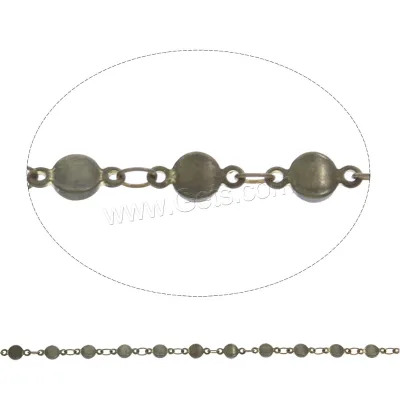
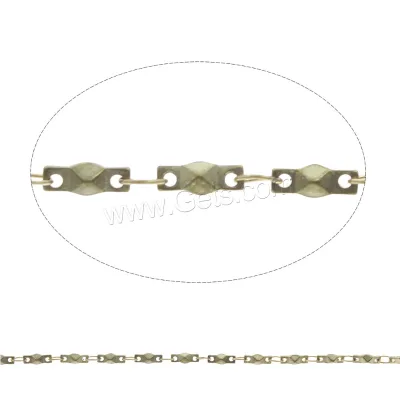
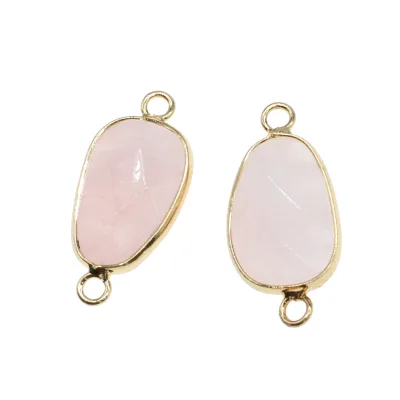
Bracelet Making Handmade Bar Chain Brass DIY Loose Chains for Jewelry Making
$1.59 - $2.07
MOQ: 50 Minimum
Shenzhen Crown Jewelry Co., Ltd.
- Manufacturer, Trading Company
- Guangdong, China
- Lead time0 days
- Avg. response≤ 9h
Main productsstainless steel jewelry,925 sterling silver jewelry,copper/brass jewelry,tungsten jewelry,alloy jewelry
Main marketsNorth America(35.00%), Eastern Europe(20.00%), Western Europe(10.00%), Oceania(10.00%), South Asia(5.00%), Southern Europe(5.00%), Northern Europe(5.00%), Southeast Asia(5.00%), South America(5.00%)
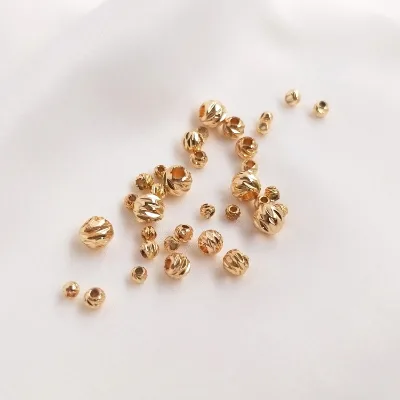
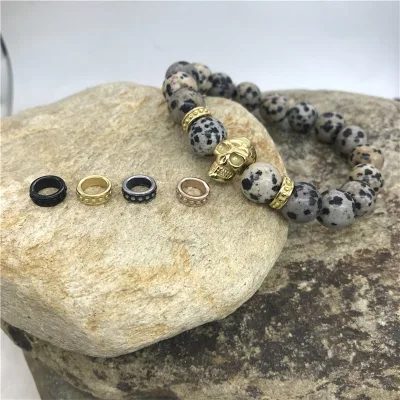
14k Gold Plated Faceted Cut Shape Jewelry Beads Spacers for DIY Bracelet Making
$0.52 - $1.04
MOQ: 1000 Minimum
Guangzhou Tengyue Jewelry Co., Ltd.
- Manufacturer, Trading Company
- Guangdong, China
- Lead time0 days
- Avg. response≤ 5h
Main productsPendant/Earring/Bracelet/Bead/Charms
Main marketsNorth America(50.00%), Domestic Market(20.00%), Western Europe(20.00%), Southeast Asia(5.00%), South America(5.00%)
- Trading Company
- Guangdong, China
- Lead time30 days
- Avg. response≤ 3h
Main productscustom jewelry,925 silver jewelry,sunglass,fashion bags,fashion accessories
Main marketsWestern Europe(12.00%), Northern Europe(12.00%), South America(12.00%), North America(12.00%), Eastern Europe(10.00%), Southern Europe(10.00%), Oceania(9.00%), Mid East(5.00%), Central America(4.00%), Southeast Asia(4.00%), South Asia(3.00%), Africa(3.00%), Domestic Market(2.00%), Eastern Asia(2.00%)

Hongxiang New Geo-Material Co., Ltd.
- Manufacturer
- China Shandong
- Lead time0 days
Main productsWaterproof Materials, Geotextile, Geomembrane, Geogrid, Geonet, Geocomposite Geomembrane, Compound Geomembrane, Sodium Bentonite Geosyntetic Clay, Compound Geomembrane Geotextile, Geocomposite Drainage Mat
Guangzhou Lizhizhu Jewelry Co., Ltd.
- Manufacturer, Trading Company, Distributor/Wholesaler
- Guangdong, China
- Lead time10 days
- Avg. response≤ 8h
Main productsfashion jewelrys,jewelry findings,stone loose beads,glass beads,jewelry packages
Main marketsNorth America(20.00%), Western Europe(12.00%), Southeast Asia(12.00%), Mid East(10.00%), Eastern Europe(10.00%), South America(10.00%), Domestic Market(6.00%), Central America(6.00%), Eastern Asia(6.00%), Northern Europe(5.00%), Southern Europe(3.00%)
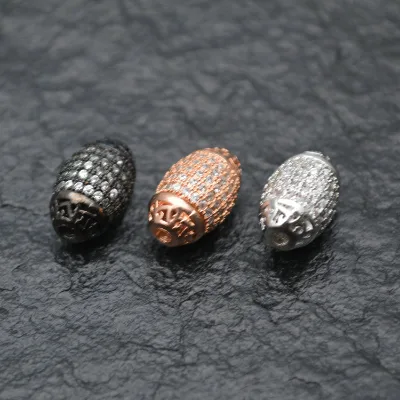
Flourishbeads CZ Paved Rice Barrel Shape Metal Loose Beads for Necklace Bracelet Making
$0.97 - $1.10
MOQ: 20 pieces
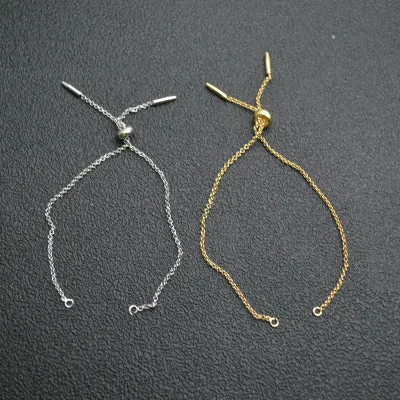
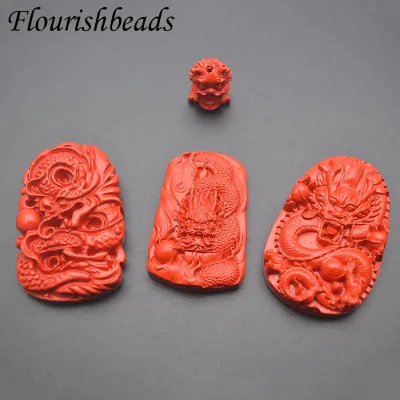

Dongguan Allen House Of Jewelry & Findings Co., Ltd.
- Trading Company
- Guangdong, China
- Lead time7 days
- Avg. response≤ 4h
Main productsJewelry Findings,earrings,Pendant & charms,Bracelet bangles,Necklace
Main marketsNorth America(40.00%), Southern Europe(10.00%), Northern Europe(10.00%), Eastern Europe(10.00%), Western Europe(10.00%), Oceania(5.00%), Africa(5.00%), South America(5.00%), Mid East(5.00%)
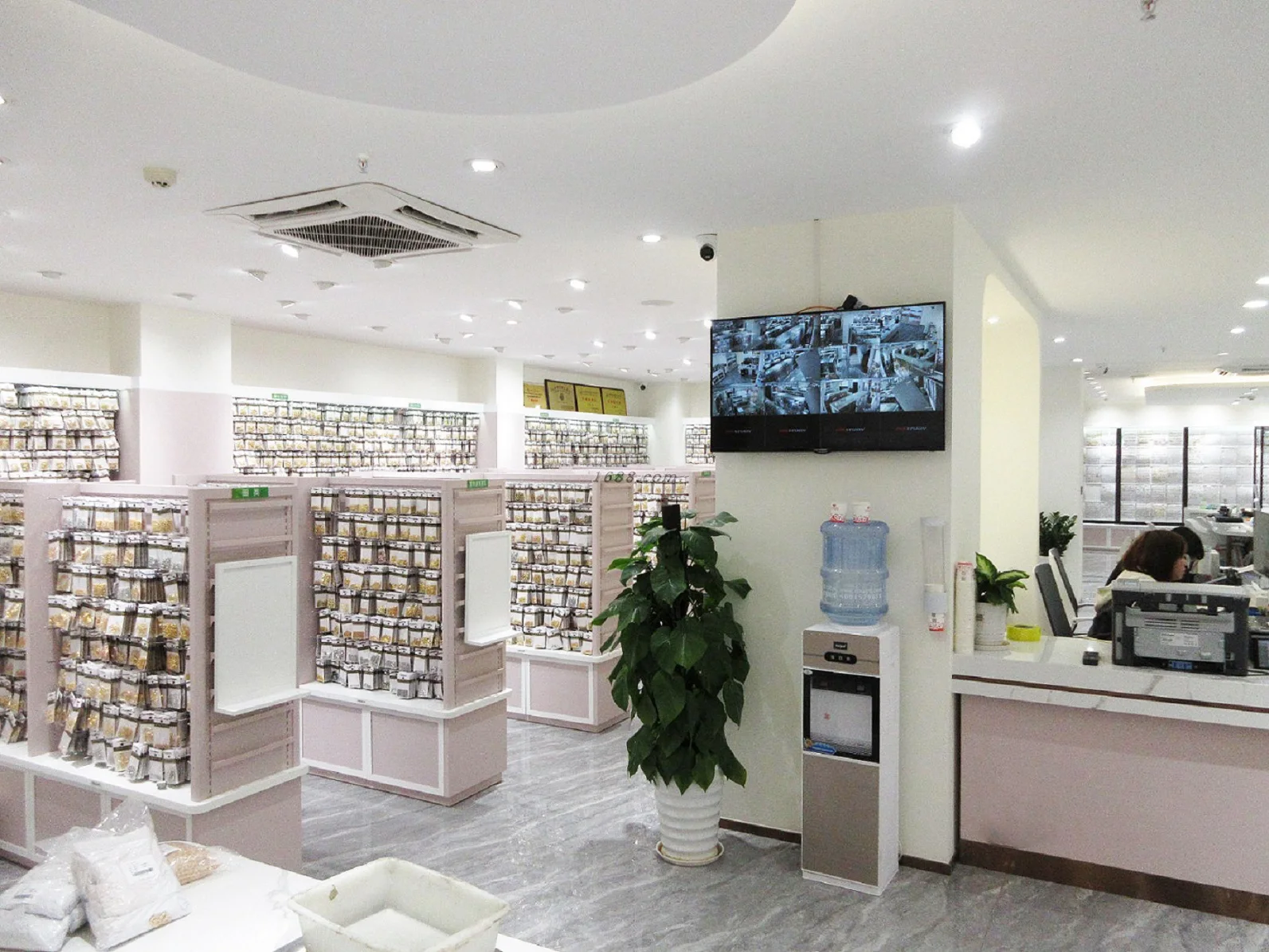
Yiwu Zhongxing Jewelry Fittings Co., Ltd.
- Trading Company
- Zhejiang, China
- Lead time7 days
- Avg. response≤ 8h
Main productsJewelry Fittings,Finish Jewelry,Earring,Pendants,Chains
Main marketsNorth America(32.18%), Western Europe(30.07%), Domestic Market(18.28%), South America(6.21%), Mid East(5.88%), Eastern Europe(3.25%), Oceania(2.12%), Southeast Asia(1.18%), Africa(0.83%)
Yiwu Weidu Hair Accessory Co., Ltd.
- Trading Company
- Zhejiang, China
- Lead time25 days
- Avg. response≤ 6h
Main productsJewelry Accessory,Jewelry,taxtile,Hair Accessories,Muslim Goods
Main marketsNorth America(40.00%), Oceania(20.00%), Northern Europe(10.00%), Western Europe(10.00%), South America(10.00%), Eastern Europe(10.00%)
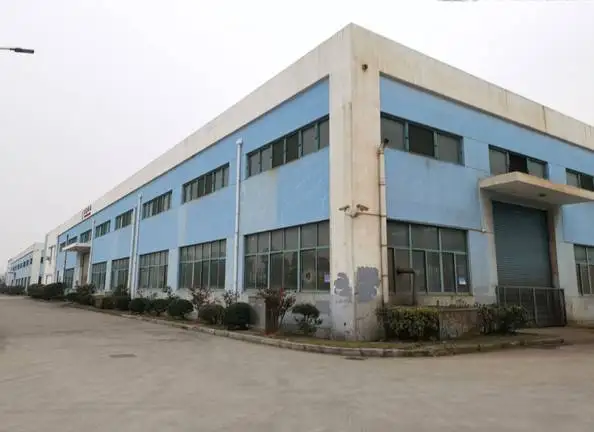
Huizhou Mairuidi Trade Co., Ltd.
- Trading Company
- Guangdong, China
- Lead time0 days
- Avg. response≤ 8h
Main productsdiy jewelry,earring,necklace,sunglasses
Main marketsNorth America(70.00%), Domestic Market(5.00%), Southern Europe(5.00%), Northern Europe(5.00%), Western Europe(5.00%), Eastern Europe(5.00%), South America(5.00%)
Shenzhen Jing Tian Household Co., Ltd.
- Verified by SGS Group
- Trading Company
- Lead time10 days
- Avg. response≤ 2h
Main productsSilicone Beads, Silicone Focal Beads, Acrylic Beads
Main marketsNorth America(60%), Eastern Europe(10%), Southeast Asia(10%)

DONG GUAN DO HEARTS TECHNOLOGY CO.,LTD.
- Verified by BV
- Combined
- China Guangdong
- Lead time30 days
Main productsPVC Dispensing Machine, Silicone Label Machine, Silicone Coating Machine, Silicone Molding Machine, PVC Injection Machine, Embossing Machine, Silicone Heat Transfer Machine, Screen Printing Machine, Hight Frequency Machine
Main marketsSouth America,Southeast Asia/ Mideast,Europe,North America
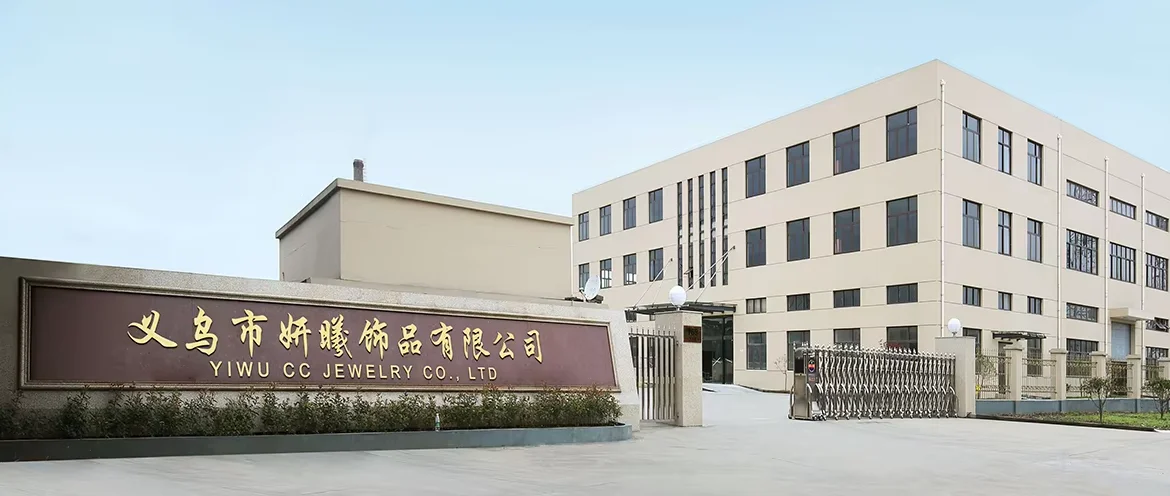
- Trading Company
- Zhejiang, China
- Lead time7 days
- Avg. response≤ 7h
Main productsGemstone Jewelry,Stainless Steel Jewelry,CZ Jewelry,Pearl Jewelry,Alloy Jewelry
Main marketsWestern Europe(25.00%), Northern Europe(15.00%), North America(5.00%), Eastern Europe(5.00%), South America(5.00%), Southeast Asia(5.00%), Africa(5.00%), Oceania(5.00%), Mid East(5.00%), Eastern Asia(5.00%), Central America(5.00%), Southern Europe(5.00%), South Asia(5.00%), Domestic Market(5.00%)
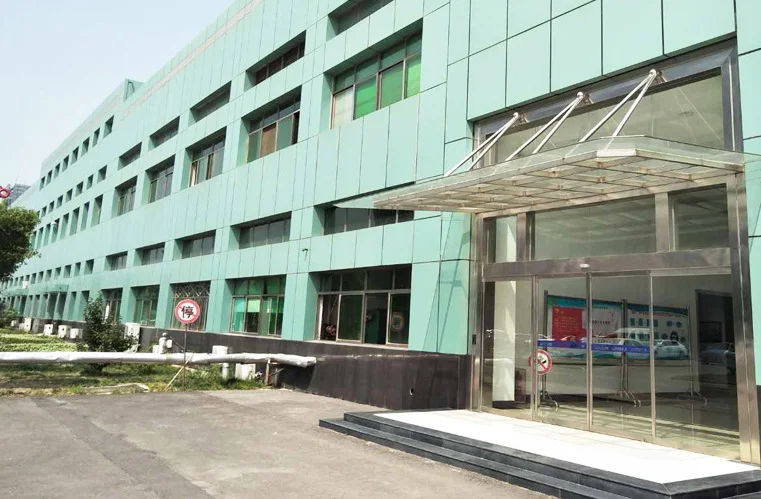
Jiujiang Fanghua Jewelry Co., Ltd.
- Trading Company
- Jiangxi, China
- Lead time10 days
- Avg. response≤ 2h
Main productsJewelry,Jewelry finding,Customized semi-finished jewelry finding,Bracelet,Necklace
Main marketsNorth America(25.00%), Central America(15.00%), Southern Europe(10.00%), South America(10.00%), Western Europe(10.00%), Mid East(10.00%), Southeast Asia(10.00%), Eastern Europe(10.00%)
- Verified by Intertek
- Manufacturer, Trading Company
- Lead time15 days
- Avg. response≤ 1h
Main productsNecklaces, Rings, Earrings, Bracelets, Jewelry Accessories
Main marketsNorth America(41%), Western Europe(18%), Oceania(10%)


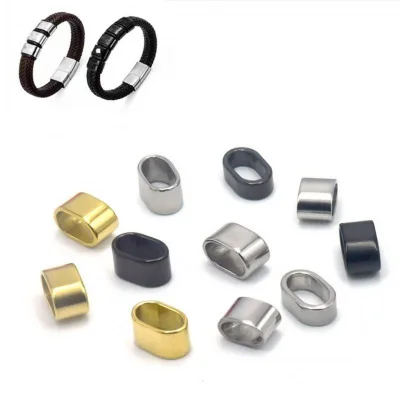
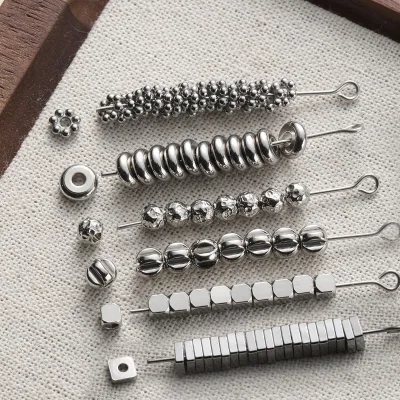
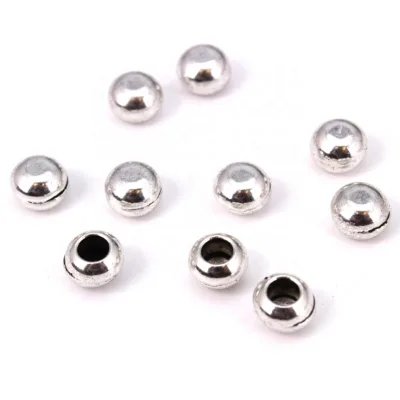
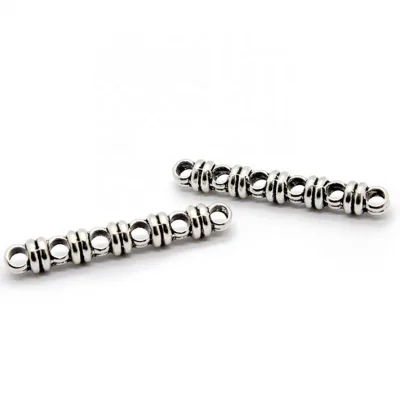
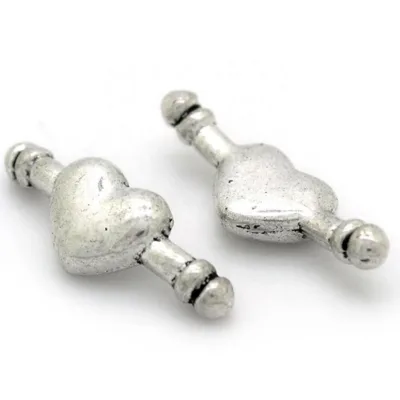
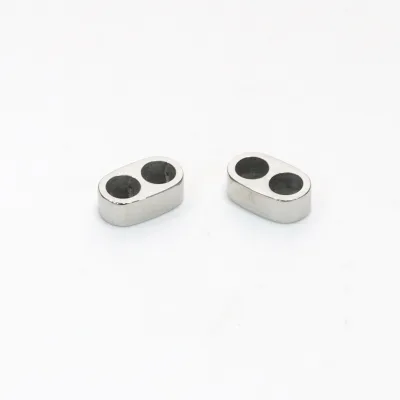
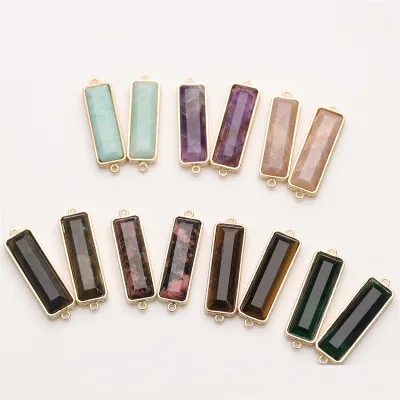
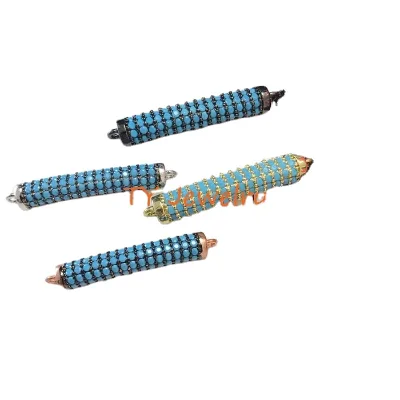
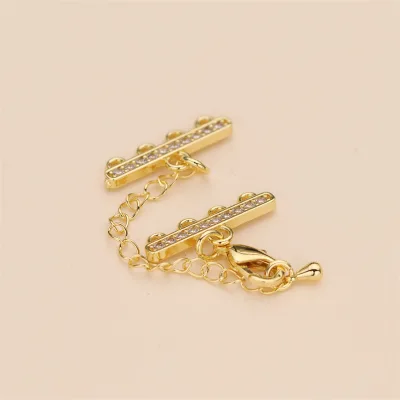
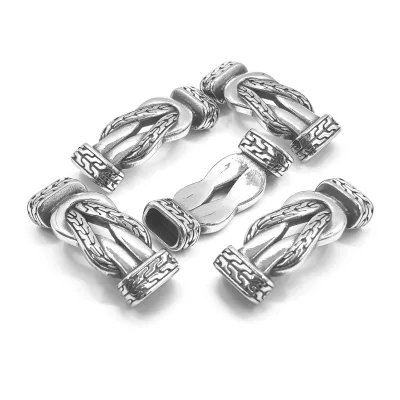
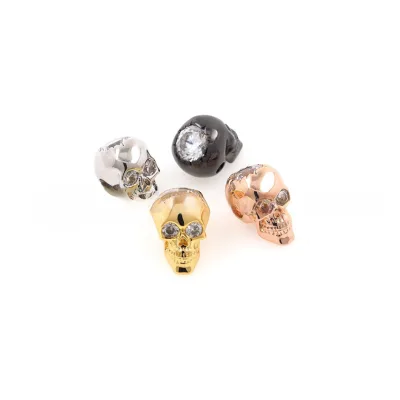
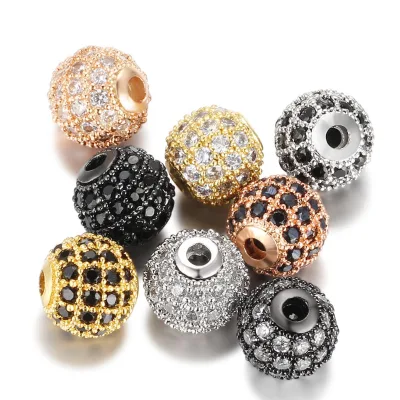


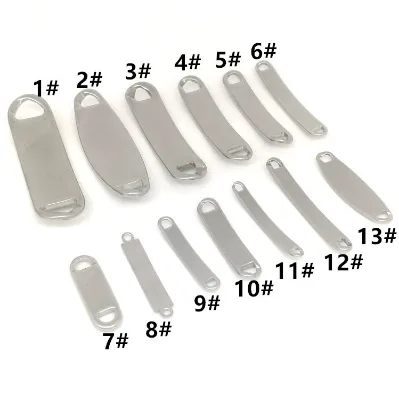
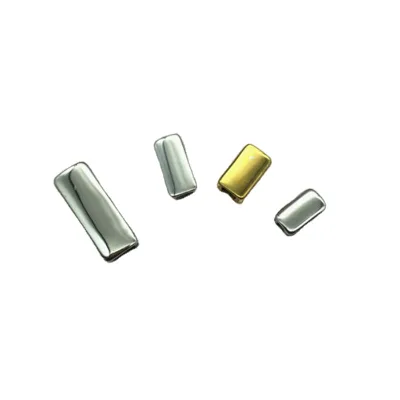
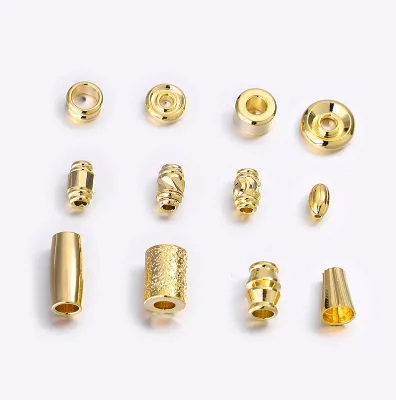
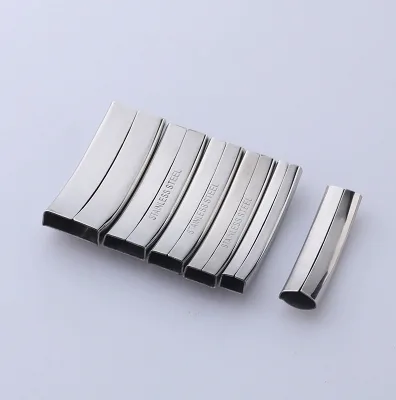
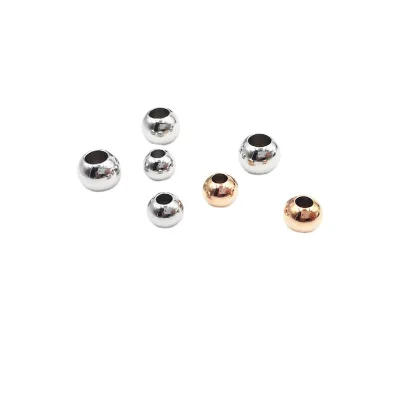
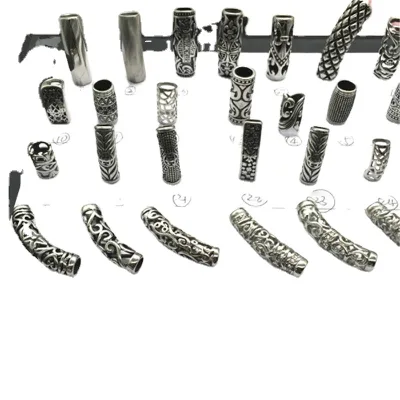
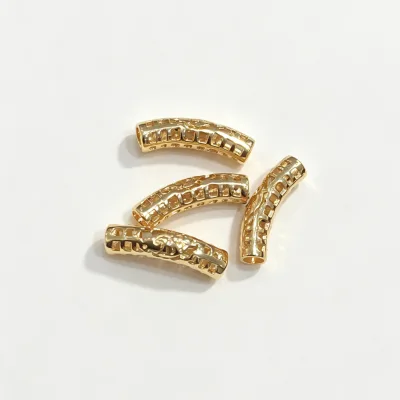
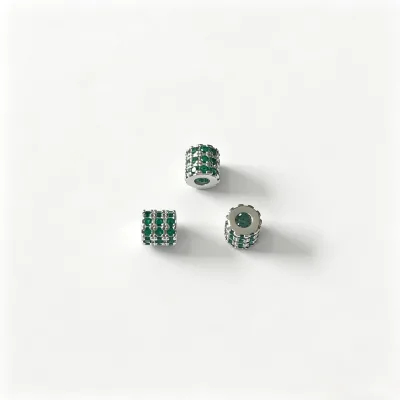
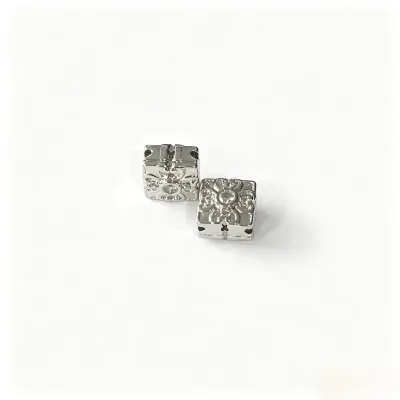
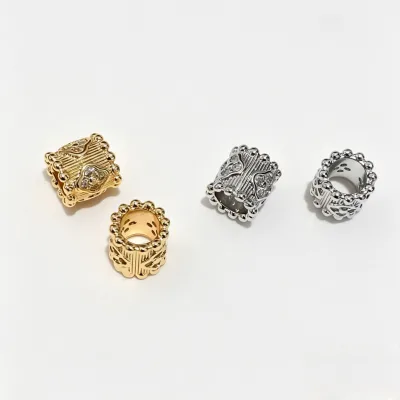
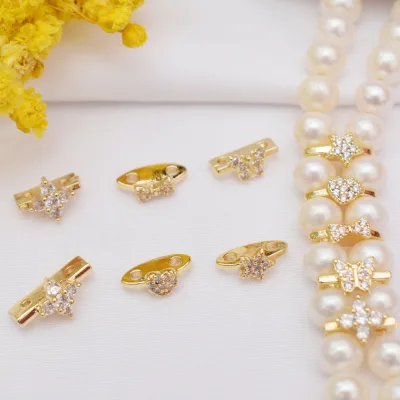
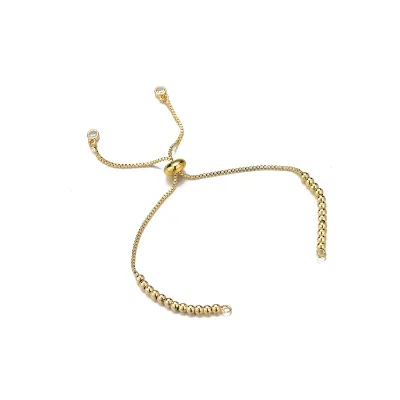
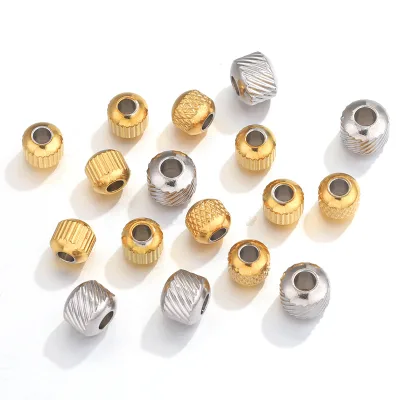
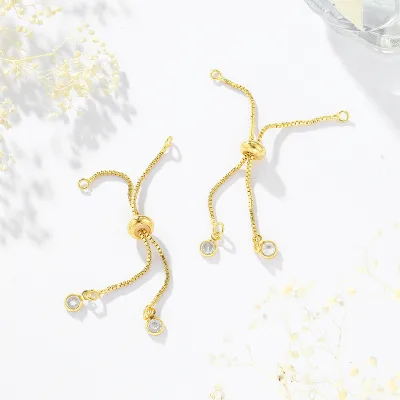
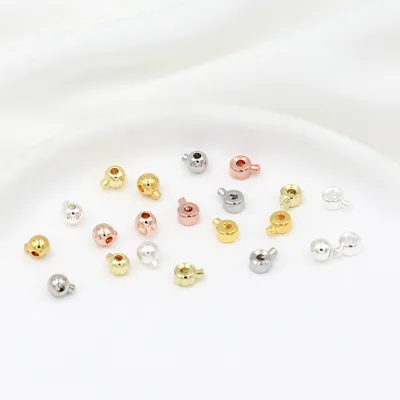
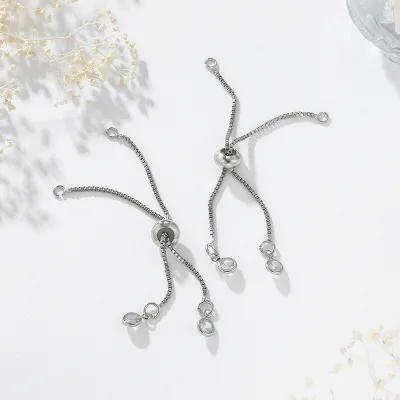
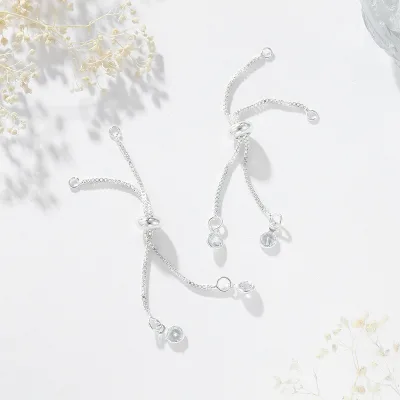
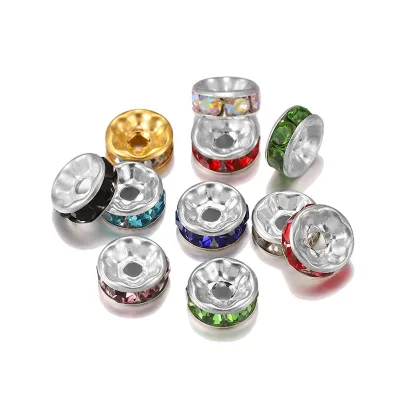


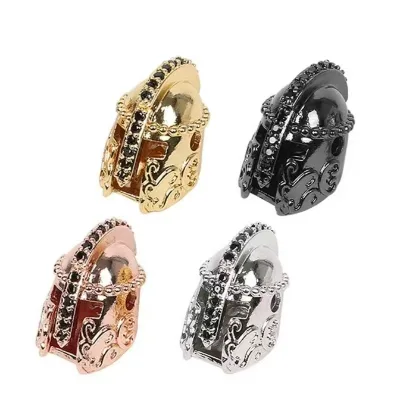
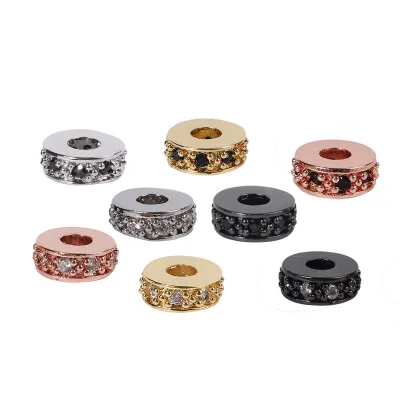
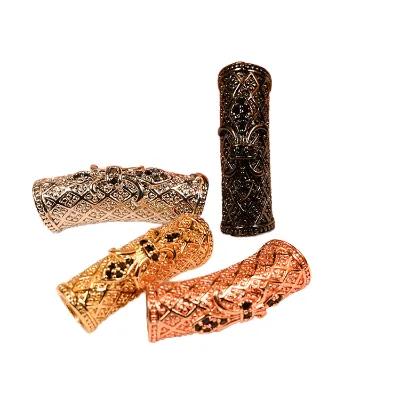
Comprehensive Sourcing Guide
Bracelet Making Bar Spacer Supplier Concentration and Factory Types
Current data indicates a concentration of suppliers in China Guangdong, with specific product origins noted in Dong Guan and general Guangdong regions. These locations host a mix of trading companies and manufacturers specializing in metal findings, including key rings, snap hooks, and various stainless steel components. The primary product categories observed include cylinder stainless steel spacer beads, ball spacer beads, and brass round flat beads, all serving the jewelry making sector. While some listings highlight specific factory outputs like stainless steel charms and connectors, the supplier type is frequently identified as a trading company rather than a direct factory. This distinction is critical for buyers seeking direct manufacturing relationships, as trading companies may add a layer of markup or logistical complexity.
Buyers should verify the actual factory presence by requesting proof of establishment year and specific manufacturing capabilities beyond the listed main products. The available facts show a mix of product attributes, such as customization availability and OEM/ODM services, which suggest some suppliers have production capacity. However, the absence of specific certification data like system certification or detailed factory audits means buyers cannot assume all listed entities are direct manufacturers. To identify true manufacturing clusters, buyers must request factory addresses and verify them against known industrial zones in Guangdong. This verification process ensures that the supplier can deliver the specific bar spacer components required without relying on third-party intermediaries who may not control the production quality or timeline.
How to Verify Bracelet Making Bar Spacer Suppliers
Verification begins with scrutinizing the response time and lead time data provided in supplier profiles. Current observations show response times ranging from two to three days, with lead times varying significantly from zero to fifteen days depending on the specific product and order volume. Buyers must confirm if these lead times apply to stock items or custom orders, as some listings indicate a lead time of five to seven days for specific stainless steel findings. It is essential to ask suppliers to clarify their response time guarantees and whether they offer real-time communication channels for urgent orders. A supplier claiming a zero lead time may be referring to immediate stock availability, but this requires confirmation to avoid delays in production scheduling.
Buyers should also validate the supplier's main products and customization capabilities to ensure they align with specific Bracelet Making Bar Spacer requirements. The data shows that many suppliers offer customization, including material choices like stainless steel or brass, and surface treatments such as polished or eco-friendly coatings. However, the absence of specific certification details means buyers must request copies of any quality control reports or material test results before placing an order. Verifying the supplier's ability to handle specific model numbers, such as SH-SSF163 or F12820, is another crucial step. Buyers should ask for samples of these specific models to confirm that the supplier can meet the precise dimensional and aesthetic standards required for their jewelry designs.
What to Compare Across Bracelet Making Bar Spacer Suppliers
When comparing suppliers, the minimum order quantity (MOQ) is a primary differentiator, with observed values ranging from 20 pieces to 100 pieces. Some listings specify an MOQ of 50 pieces for stainless steel ball spacer beads, while others require 100 pieces for cylinder beads. Buyers must calculate their total volume needs against these thresholds to avoid unnecessary inventory costs. Additionally, price ranges vary significantly, with some products listed between $0.10 and $1.00 per unit, while others range from $0.50 to $5.00. This variation often reflects differences in material quality, such as the use of titanium steel versus standard stainless steel, or the complexity of the finishing process.
Beyond pricing and MOQ, buyers should compare the specific product attributes and service offerings listed in supplier profiles. The data indicates that some suppliers offer OEM/ODM services, while others focus on standard designs with limited customization. Comparing the material types, such as stainless steel, brass, or titanium steel, is essential for ensuring durability and aesthetic consistency. Buyers should also evaluate the packaging standards, noting that some suppliers pack items in boxes of 100 pieces, while others use OPP bags for smaller batches. These logistical details can impact shipping costs and storage requirements, making them critical factors in the final supplier selection process.
Common Bracelet Making Bar Spacer Sourcing Risks
One significant risk involves the discrepancy between advertised lead times and actual delivery schedules. While some suppliers list lead times as short as five to seven days, others may have longer production cycles that are not immediately apparent. This inconsistency can lead to delays in project timelines, especially for time-sensitive jewelry collections. Buyers must establish clear communication channels to monitor production progress and request regular updates. It is also important to verify if the supplier has a history of meeting deadlines, as this can be inferred from their response time and past order history.
Another risk is the potential for quality inconsistencies due to the lack of standardized certifications. The current data shows that system certification is listed as NIL for many suppliers, which means there is no third-party verification of their quality management systems. This absence of certification increases the risk of receiving products that do not meet the specified material or finish standards. Buyers should mitigate this risk by requesting detailed quality control procedures and asking for pre-shipment inspection reports. Additionally, the variation in product attributes, such as color options and surface treatments, requires careful verification to ensure that the final product matches the design specifications exactly.
Bracelet Making Bar Spacer Regional Sourcing and Logistics
The primary sourcing region for Bracelet Making Bar Spacer components is China Guangdong, with specific origins noted in Dong Guan and other parts of the province. This region is known for its dense network of metalworking and jewelry accessory manufacturers, offering a wide range of materials and finishes. Buyers should consider the logistical advantages of sourcing from this cluster, including proximity to major shipping ports and established supply chains. However, the distance from international markets can impact shipping times and costs, so buyers must factor these variables into their overall procurement strategy.
Logistics planning should also account for the specific packaging requirements of different suppliers. Some listings indicate that products are packed in boxes of 100 pieces, while others use OPP bags for smaller quantities. These packaging differences can affect the efficiency of shipping and the protection of the components during transit. Buyers should coordinate with suppliers to ensure that packaging meets their storage and handling needs. Additionally, the choice of shipping method, such as FedEx, DHL, or UPS, can influence the speed and cost of delivery. Buyers must evaluate these options based on their urgency and budget constraints to optimize the logistics process.
Bracelet Making Bar Spacer Commercial Terms and Order Planning
Commercial terms for Bracelet Making Bar Spacer orders often include specific payment conditions and delivery schedules. Buyers should clarify the payment terms, such as whether deposits are required or if full payment is due upon shipment. The data shows that some suppliers offer flexible payment options, while others may require strict adherence to their standard terms. Understanding these terms is crucial for managing cash flow and ensuring that the order is processed smoothly. Buyers should also discuss the possibility of using escrow services to protect their financial interests, especially for large or custom orders.
Order planning must consider the minimum order quantities and lead times to ensure timely delivery. With MOQs ranging from 20 to 100 pieces, buyers need to calculate their production needs accurately to avoid overstocking or understocking. Lead times, which can vary from five to fifteen days, should be factored into the production schedule to prevent delays. Buyers should also plan for potential variations in material availability and production capacity, as these factors can impact the final delivery date. By carefully managing these commercial terms and planning ahead, buyers can ensure a successful sourcing experience for their Bracelet Making Bar Spacer components.
FAQs
What is the typical lead time for bracelet spacer beads?
Manufacturers in Guangdong, China, generally require 5 to 15 days to produce and ship orders. Some suppliers offer faster turnaround times of 5 to 7 days for standard items. Buyers should confirm specific delivery schedules with the supplier before placing an order to ensure timely receipt of materials.
What is the minimum order quantity for spacer beads?
Minimum order quantities vary significantly by supplier and product type. Some manufacturers require a minimum of 100 pieces, while others accept orders as low as 20 pieces. Buyers should check the specific product listing for the exact MOQ to ensure it aligns with their production needs and budget constraints.
What materials are commonly used for bracelet spacer beads?
Common materials include stainless steel, brass, and titanium steel. Stainless steel options are often polished and available in silver, gold, or black finishes. Brass components may feature zircon accents. Buyers should verify the specific material composition to ensure durability and compatibility with their jewelry design requirements.
Do suppliers offer customization services for spacer beads?
Many suppliers provide OEM and ODM customization services for spacer beads. Buyers can often request specific shapes, sizes, or surface treatments. Customization is typically available for metal clasps and findings. Buyers should contact the supplier directly to discuss specific design requirements and any associated costs or minimum order quantities.
What is the price range for stainless steel spacer beads?
Prices for stainless steel spacer beads typically range from $0.10 to $1.00 per piece. Some specialized brass or titanium steel options may cost between $0.50 and $5.00. Prices depend on material quality, quantity, and customization. Buyers should request quotes for their specific order volume to get accurate pricing.
How quickly do suppliers respond to inquiries?
Response times vary, with some suppliers replying within 2 to 3 hours. Others may take up to 15 days for initial contact. Faster response times are often associated with trading companies in Guangdong. Buyers should prioritize suppliers with quick response times to ensure efficient communication throughout the sourcing process.