Anti-Scratch Jewelry Cleaning Cloth Suppliers and Manufacturers
Compare 27 verified suppliers of Anti-Scratch Jewelry Cleaning Cloth across locations like China Shandong and Anhui. Review response times, lead times, and certifications such as ISO 9001 before requesting quotes for custom sizes or logos; review the available evidence before requesting comparable quotations from suitable candidates.
Suppliers List

Qingdao Chenghaoda Science and Technology Co., Ltd.
- Verified by BV
- Manufacturer/Factory
- China Shandong
- Lead time15 days
- Avg. response≤ 15h
Main productsCustom Packaging Paper Bag, Custom Packaging Paper Box, Corrugated Carton/Gift Box, Custom Notebook, Decorative Books, Book/Booklet/Brochure/Catalog/Magazine Printing, Disposable Dishware
Main marketsNorth America,Eastern Asia,Western Europe

Shucheng Aiyu Textile Co., Ltd.
- Manufacturer, Trading Company
- Anhui, China
- Lead time7 days
- Avg. response≤ 2h
Main productsGlasses Cloth,Jewelry Cloth,Lens Cloth,Eyeglass Cloth,Sunglasses Cloth
Main marketsNorth America(20.00%), Domestic Market(10.00%), South Asia(8.00%), Northern Europe(8.00%), Southern Europe(8.00%), Western Europe(8.00%), Eastern Europe(8.00%), Oceania(7.00%), Eastern Asia(5.00%), Central America(5.00%), Southeast Asia(5.00%), Mid East(3.00%), South America(3.00%), Africa(2.00%)

Jiangyin Moonstar Clean Products Co., Ltd.
- Verified by SGS
- Trading Company,Manufacturer/Factory
- China Jiangsu
- Lead time15 days
- Avg. response≤ 15h
Main productsMicrofiber Cloth, Microfiber Fabric, Nonwoven Fabric
Main marketsSouth America,Eastern Europe,Mid East,North America,Southeast Asia,Eastern Asia,Oceania,Western Europe,Africa
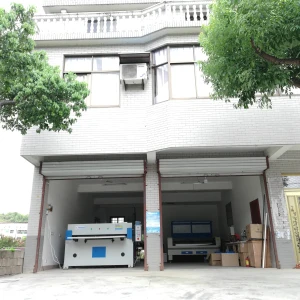
Handan Puman Trading Co., Ltd.
- Trading Company
- Hebei, China
- Lead time7 days
- Avg. response≤ 9h
Main productsSilver Polishing Cloth,Microfiber Cloth,Microfiber Pouch,Velvet Pouch,Leather Pouch
Main marketsCentral America(20.00%), Eastern Europe(20.00%), South America(10.00%), Southeast Asia(10.00%), North America(10.00%), Western Europe(5.00%), Southern Europe(5.00%), Africa(5.00%), Oceania(5.00%), Eastern Asia(3.00%), South Asia(3.00%), Domestic Market(2.00%), Northern Europe(1.00%), Mid East(1.00%)
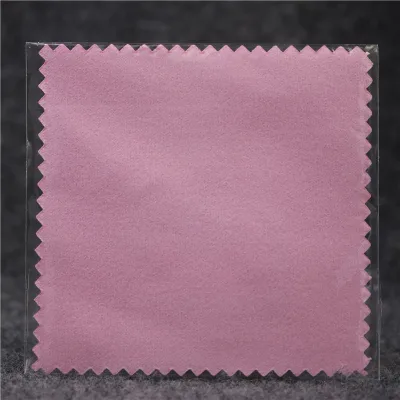
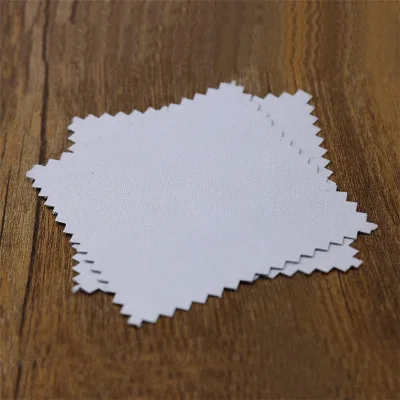
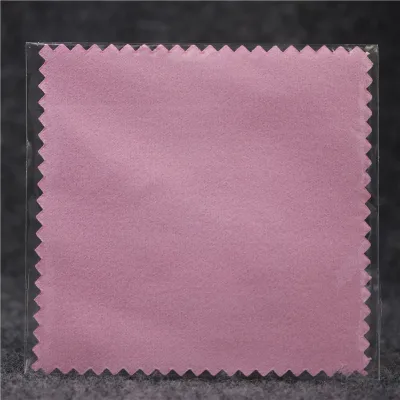
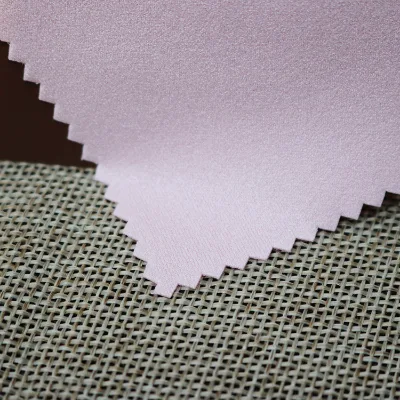
Custom Logo Size All Purpose Jewelry Polishing Cloth Silver Gold Cleaning Cloth
$0.08 - $0.09
MOQ: 500 pieces
- Verified by TüVRheinland
- Trading Company
- Lead time20 days
- Avg. response≤ 5h
Main productsJewelry Box, Gift Box, Jewellery Package Bag, Gift Paper Bag, Pouch
Main marketsNorth America(35%), Southeast Asia(15%), Eastern Europe(12%)
Wuxi East-Sunshine Textile Science And Technology Co., Ltd.
- Verified by Intertek
- Manufacturer, Trading Company
- Lead time15 days
- Avg. response≤ 4h
Main productsMicrofiber Glasses Cloth, Microfiber Glasses Pouch, Microfiber Fabric, Microfiber Gloves, Jewelry Bags
Main marketsDomestic Market(38%), North America(22%), Eastern Europe(20%)
Hebei Duoyang Trading Co., Ltd.
- Trading Company
- Hebei, China
- Lead time20 days
- Avg. response≤ 3h
Main productsCar Drying Towel, Microfiber Cleaning Towel, Car Wash Mitt, Detailing Brush, Car Wash Sponge
Main marketsNorth America(20.00%), Eastern Europe(20.00%), Western Europe(15.00%), Southeast Asia(15.00%), South America(10.00%), Central America(10.00%), Mid East(10.00%)

Dongguan Chengsheng Gloves Purification Technology Co.,Ltd.
- Verified by TUVRHEINLAND
- Combined
- China Guangdong
- Lead time15 days
- Avg. response≤ 2h
Main productsCotton Gloves, Microfiber Cleaning Cloth, Kinesiology Tape, Arthritis Gloves, Sports Gloves
Main marketsEast Asia(Japan/ South Korea)


Multi Purpose Lenses Plated Jewelry Polishing Microfiber Cleaning Cloth
$0.12 - $0.18
MOQ: 1000 Pieces

- Verified by TUVRHEINLAND
- Manufacturer/Factory
- China Beijing
- Lead time23 days
- Avg. response≤ 7h
Main productsHair Towel, Cleaning Cloth, Beach Towel, Microfiber Towel, Sport Towel, Makeup Remover Towel, Bath Towel, Microfiber Cloth, Car Towel, Cashmere Yarn
Main marketsSouth America,Eastern Europe,Mid East,North America,Southeast Asia,Eastern Asia,Oceania,Western Europe,Africa

Cleaning Microfiber Cloth, Microfiber Cleaning Cloth Towel, Gold Jewelry Cleaning Cloth
$0.35 - $0.45
MOQ: 500 Pieces

Jewelry Cleaning Cloth with Logo Microfiber Car Detail Cloth Customized Cloth
$0.35 - $0.45
MOQ: 500 Pieces

Guardidea (wuhan) Technology Co., Ltd.
- Trading Company
- Hubei, China
- Lead time25 days
- Avg. response≤ 2h
Main productsCustom jewelry boxes,Gift bags,Storage pouches,Jewelry display stands & trays,Jewelry cleaning cloths
Main marketsNorth America(32.00%), Western Europe(12.00%), Northern Europe(10.00%), Eastern Europe(10.00%), South America(5.00%), Southern Europe(5.00%), Mid East(5.00%), Oceania(5.00%), Southeast Asia(5.00%), Eastern Asia(3.00%), South Asia(3.00%), Central America(3.00%), Domestic Market(1.00%), Africa(1.00%)

- Verified by BV
- Manufacturer/Factory
- China Zhejiang
- Lead time15 days
- Avg. response≤ 2h
Main productsJewelry Bag, Jewelry Card, Box, Promotion Gifts
Main marketsSouth America,Eastern Europe,Mid East,North America,Southeast Asia,Eastern Asia,Oceania,Western Europe,Africa


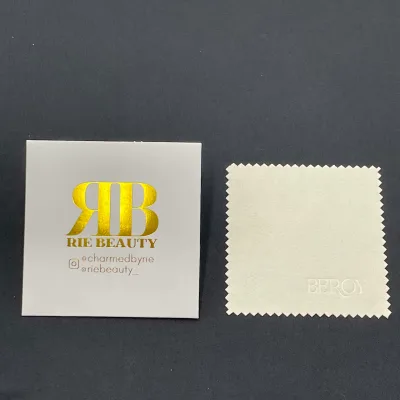
Custom Jewelry Microfiber Polishing Cleaning Cloth with Hot Stamp Gold Logo
$0.10 - $0.15
MOQ: 2000 Pieces

Well-Designed Polishing Jewelry Cleaning Microfiber Cloth with Silk-Screen Printing
$0.10 - $0.15
MOQ: 2000 Pieces


Hot Sale White Microfiber Jewelry Polishing Cleaning Cloth with 2 Colours Logo
$0.10 - $0.15
MOQ: 2000 Pieces

Customized Logo Offset Printed Microfiber Cleaning Cloth for Jewelry Polishing
$0.10 - $0.15
MOQ: 2000 Pieces

Guangzhou Yifang Mingye Garment Accessories Co., Ltd.
- Verified by SGS
- Trading Company
- China Guangdong
- Lead time15 days
- Avg. response≤ 12h
Main productsZipper Bag, Mailer Bag, Paper Tag/Card, Tissue Paper & Sticker, Paper Bag, Paper Box
Main marketsOthers(foreignTradeCapacity.exportBusinessCapacityMarketOther),East Asia(Japan/ South Korea)

$0.05 - $0.15
MOQ: 100 Pieces

Wholesale High End Customized Microfiber Suede Microfiber Jewelry Cloth with Logo
$0.05 - $0.15
MOQ: 100 Pieces
Dongguan Goodview Packing Products Co., Ltd
- Verified by TüVRheinland
- Trading Company
- Guangdong, China
- Lead time15 days
- Avg. response≤ 2h
Main productsJewelry Pouch, Riding Glove, Makeup Bag, Gift Bag, Sports Glove
Main marketsNorth America(25%), Northern Europe(15%), Southern Europe(12%)
Shenzhen Fanany Packing Products Co., Ltd.
- Manufacturer, Trading Company
- guangdong, China
- Lead time15 days
- Avg. response≤ 1h
Main productsvelvet pouch,suede pouch,cotton pouch,burlap pouch,linen pouch
Main marketsNorth America(30.00%), Southern Europe(10.00%), Northern Europe(10.00%), Western Europe(10.00%), South Asia(10.00%), Southeast Asia(10.00%), Eastern Europe(10.00%), Domestic Market(5.00%), Oceania(5.00%)

- Manufacturer/Factory
- China Guangdong
- Lead time23 days
- Avg. response≤ 10h
Main productsJewelry Box, Perfume Box, Watch Box, Paper Bag, Pouch, Jewelry Display&Tray, Gift Box, Cosmetic Box, Paper Packaging, Printing
Main marketsSouth America,Eastern Europe,Mid East,North America,Southeast Asia,Eastern Asia,Oceania,Western Europe,Africa

$0.25 - $20.00
MOQ: 2000 Pieces

$0.25 - $20.00
MOQ: 2000 Pieces

$0.25 - $20.00
MOQ: 2000 Pieces

$0.25 - $20.00
MOQ: 2000 Pieces


Fuzhou Dachion Import & Export Co., Ltd.
- Verified by SGS
- Trading Company
- China Fujian
- Lead time15 days
- Avg. response≤ 6h
Main productsBackpacksGift & Paper Shopping
Main marketsEurope,North America


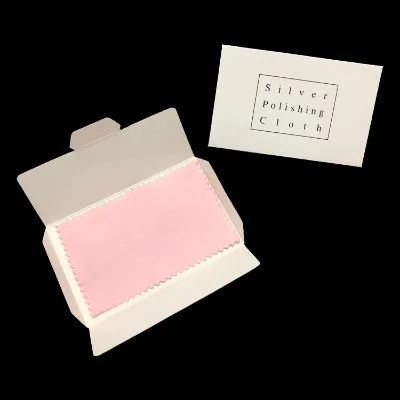
Custom Logo Silver Jewelry Polishing Microfiber Suede Cleaning Cloth with Envelope
$0.25 - $1.30
MOQ: 100 pieces


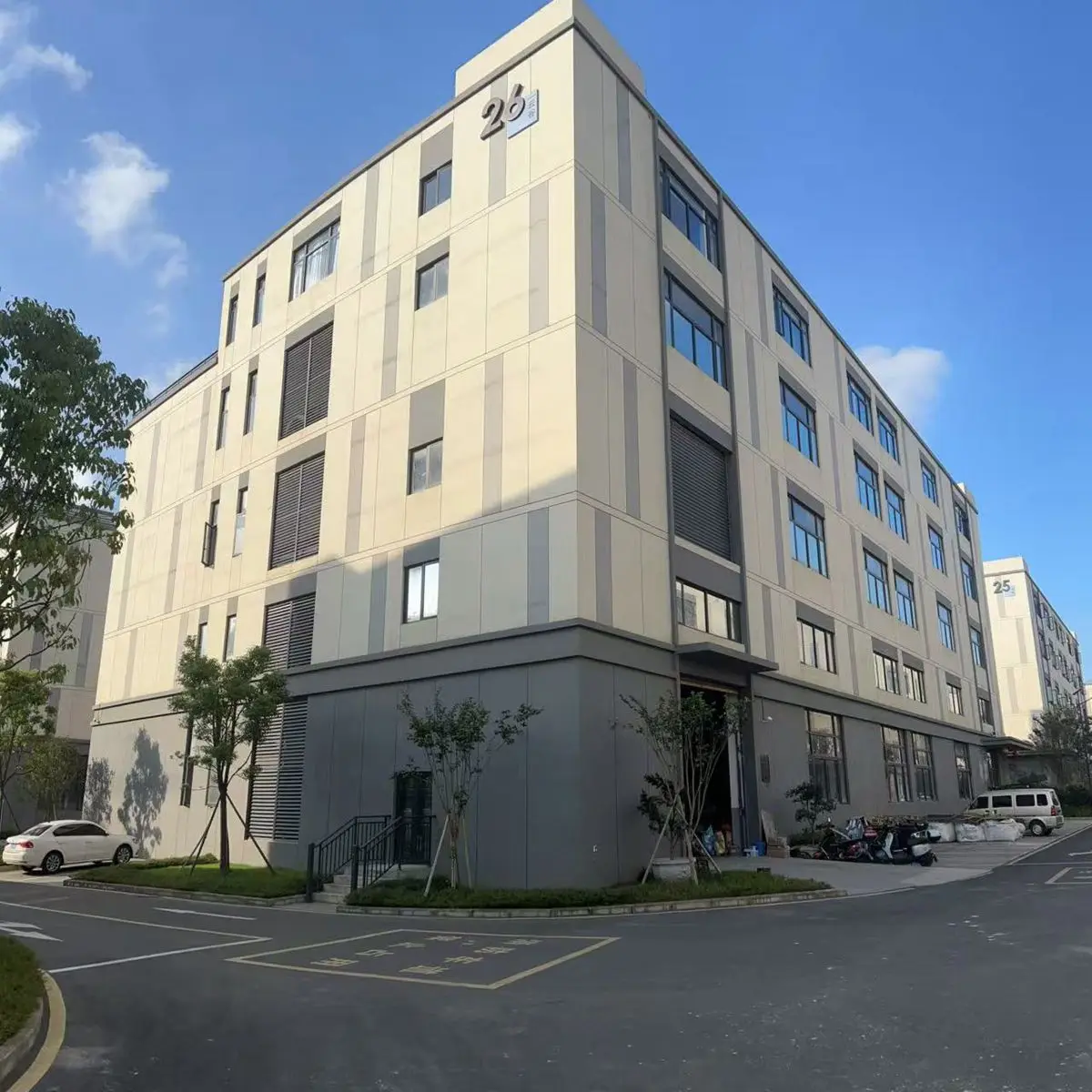
Fuzhou Guanghui Metal Products Co., Ltd.
- Manufacturer, Trading Company
- Fujian, China
- Lead time20 days
- Avg. response≤ 2h
Main productsMachinery Equipment,Mould,Scales,Jewelry Packing,Balance
Main marketsDomestic Market(31.00%), Southeast Asia(15.00%), Mid East(10.00%), South America(8.00%), North America(6.00%), Western Europe(5.00%), Eastern Asia(5.00%), Eastern Europe(5.00%), Central America(5.00%), Oceania(3.00%), South Asia(2.00%), Southern Europe(2.00%), Africa(2.00%), Northern Europe(1.00%)

Qingdao Chenghaoda Science and Technology Co., Ltd.
- Verified by BV
- Manufacturer/Factory
- China Shandong
- Lead time23 days
- Avg. response≤ 17h
Main productsRFID Card, NFC Card, Pcv Card, RFID Wristbands, RFID Sticker/Tag
Main marketsSouth America,Eastern Europe,Mid East,North America,Southeast Asia,Eastern Asia,Oceania,Western Europe,Africa
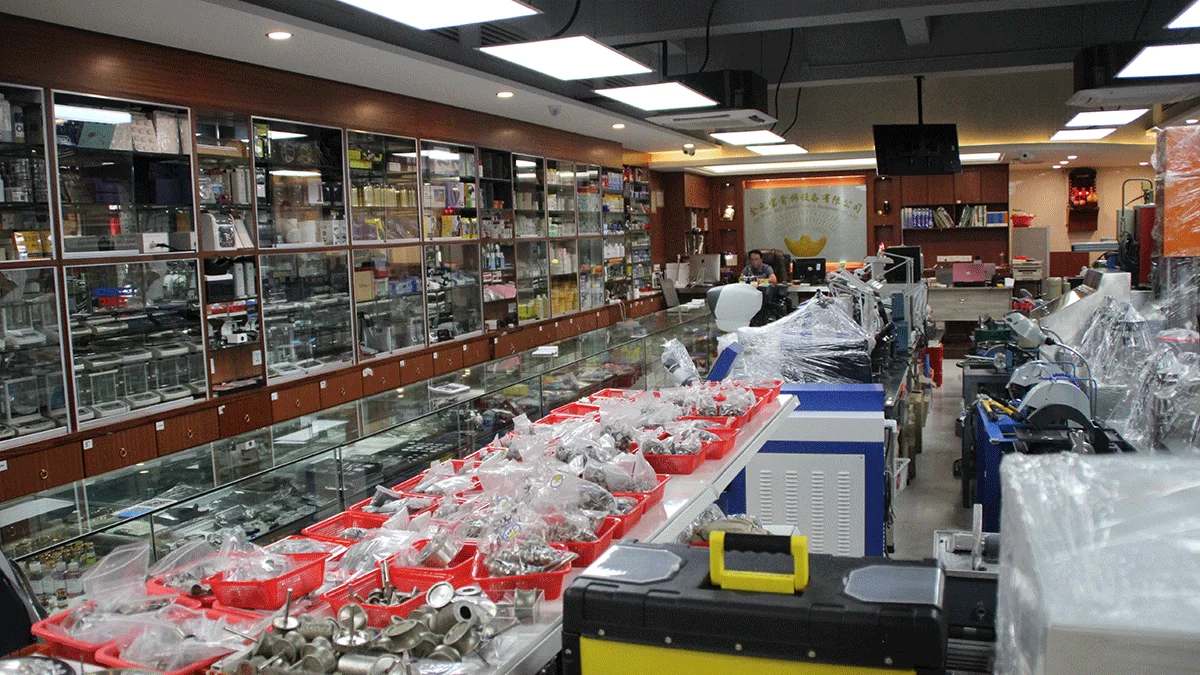
Mnf Goldsmith Jewelry Equipment Co., Ltd.
- Trading Company, Distributor/Wholesaler
- Guangdong, China
- Lead time7 days
- Avg. response≤ 7h
Main productsHandmade Jewelry tools,Casting Equipment,Polishing Machine,Jewelry Cleaners,Jewelry tester
Main marketsMid East(25.00%), South America(20.00%), Eastern Europe(20.00%), Western Europe(15.00%), South Asia(15.00%), Africa(5.00%)
Dongguan Chengsheng Gloves Purification Technology Co., Ltd.
- Verified by SGS Group
- Manufacturer, Trading Company
- Guangdong, China
- Lead time旺季: "1 - 1000":10,"1001 - 2000":15,"> 2000":"To be negotiated", 淡季: "1 - 1000":10,"1001 - 2000":15,"> 2000":"To be negotiated"
- Avg. response≤ 1h
Main productsGloves, Microfiber Cleaning Cloth, Fitness Glove
Main marketsDomestic Market(40%), Western Europe(20%), North America(10%)
Jiangsu Best-Clean Industrial Co., Ltd.
- Trading Company
- Jiangsu, China
- Lead time20 days
- Avg. response≤ 4h
Main productsGlasses Case,Glasses Pouch,Microfiber Cleaning cloth,Lens Cleaning Solution,Eyewear Accessories
Main marketsNorth America(30.00%), Mid East(10.00%), Southern Europe(10.00%), South America(10.00%), Northern Europe(10.00%), Eastern Europe(10.00%), Western Europe(10.00%), Oceania(5.00%), Domestic Market(5.00%)

Yiwu Choose Trade Company Limited
- Trading Company
- Zhejiang, China
- Lead time15 days
- Avg. response≤ 5h
Main productsJewelry packaging,Gift packaging,Bare stone box storage,Jewelry accessories,Cosmetic packaging
Main marketsNorth America(40.00%), Mid East(25.00%), Eastern Europe(15.00%), Western Europe(10.00%), South America(5.00%), Southeast Asia(3.00%), Oceania(2.00%)
- Verified by Intertek
- Trading Company
- Lead time30 days
- Avg. response≤ 2h
Main productsJewelry Box, Jewelry Pouches, Jewelry Display, Gift Box, Paper Bag
Main marketsNorth America(29%), Mid East(18%), South America(13%)
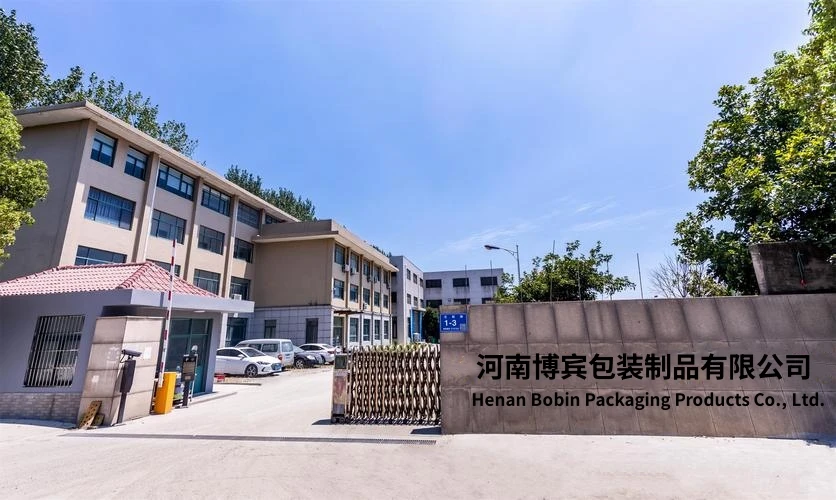
Henan Bobin Packaging Products Co., Ltd.
- Trading Company
- Henan, China
- Lead time15 days
- Avg. response≤ 5h
Main productsJewelry Packaging,display props,Jewelry storage,Gem packaging display,Jewelry care accessories
Main marketsNorth America(50.00%), Eastern Europe(20.00%), Western Europe(10.00%), Southeast Asia(10.00%), Southern Europe(5.00%)

Wuxi Kingda Microfiber Fabric Co., Ltd.
- Combined
- China Jiangsu
- Lead time15 days
- Avg. response≤ 7h
Main productsBeach Towel, Microfiber Cloth
Main marketsEast Asia(Japan/ South Korea),Domestic,Europe,North America


Cleaning Cloth Guaranteed Quality Microfiber Jewelry Cleaning Nano Fiber Cloth
$0.10 - $0.50
MOQ: 500 Pieces

Fuzhou Chongkang Gifts Trade Co., Ltd.
- Verified by SGS
- Manufacturer/Factory
- China Fujian
- Lead time23 days
- Avg. response≤ 7h
Main productsPromotional Gifts, Baseball Cap, Beanies Hat, Gift Bags, Scarf, Microfiber Cleaning Cloth, Keychain, USB Charging Line, Luggage Tag, Mobile Phone Holder
Main marketsSouth America,Eastern Europe,Mid East,North America,Southeast Asia,Eastern Asia,Oceania,Western Europe,Africa


High Quality Custom Printed Microfiber Cleaning Cloth for Glasses Eyewear Jewelry
$0.15 - $0.30
MOQ: 100 Pieces
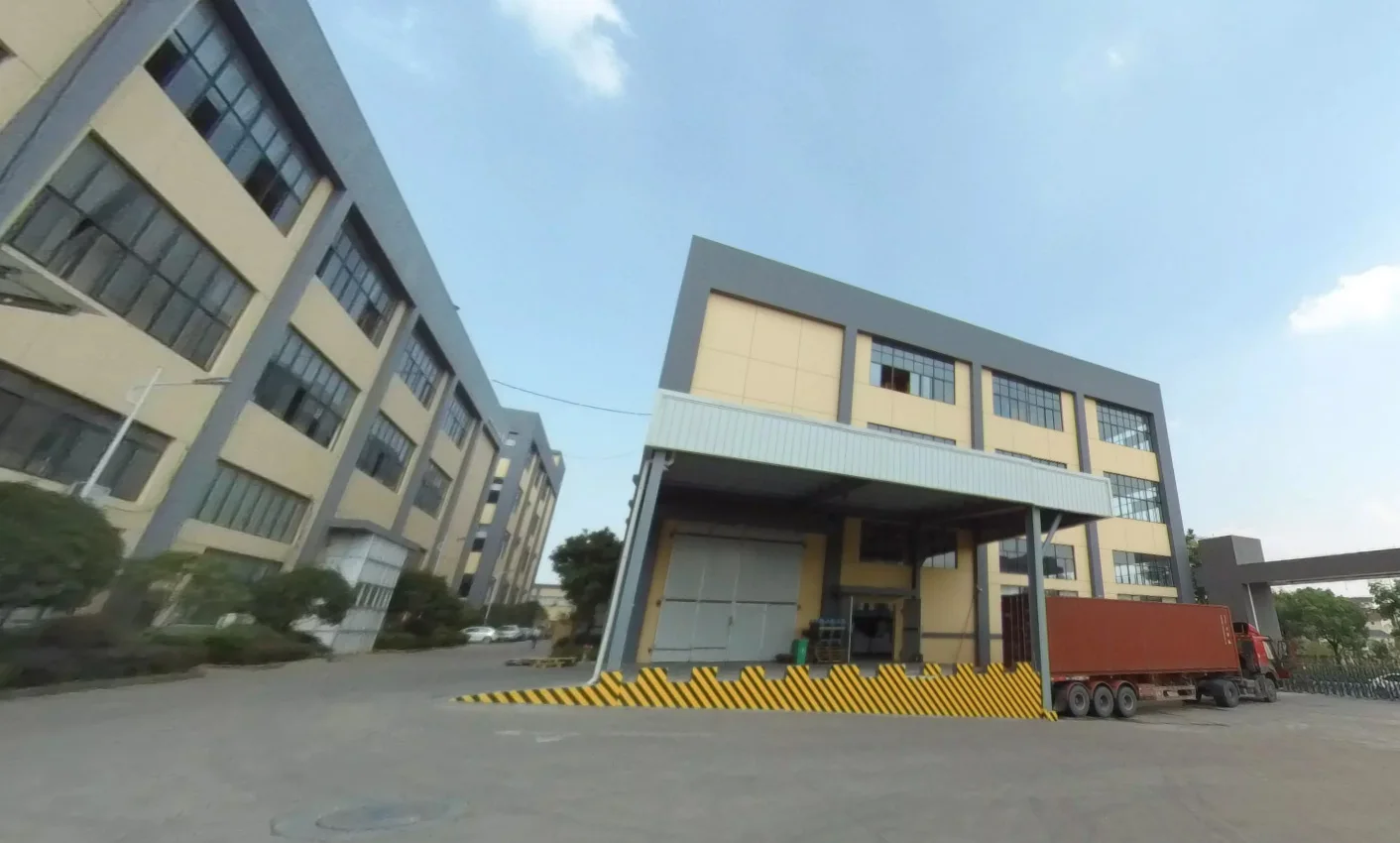
Dongguan Isunni Jewelry Co., Ltd.
- Manufacturer, Trading Company
- Guangdong, China
- Lead time7 days
- Avg. response≤ 3h
Main productsNecklaces,DIY Bracelets,Earrings,Rings,Harmony Bola
Main marketsSouth America(22.00%), North America(18.00%), Western Europe(11.00%), Southern Europe(11.00%), Eastern Europe(9.00%), Northern Europe(9.00%), Central America(9.00%), Oceania(4.00%), Southeast Asia(3.00%), Mid East(2.00%), Africa(2.00%)




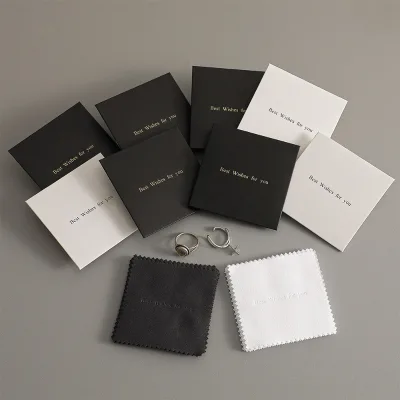
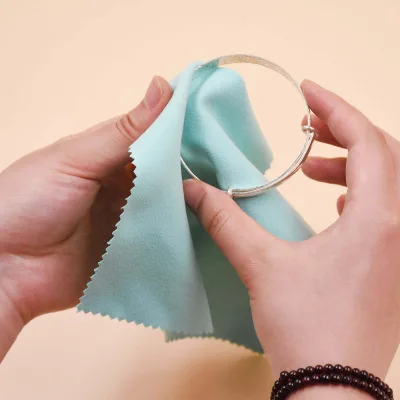
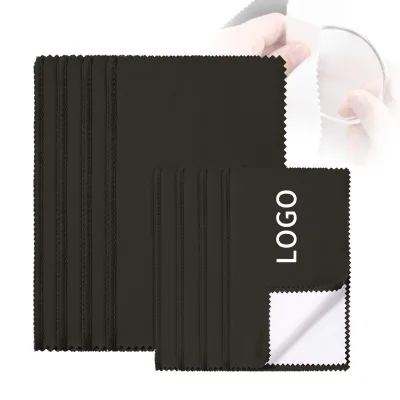
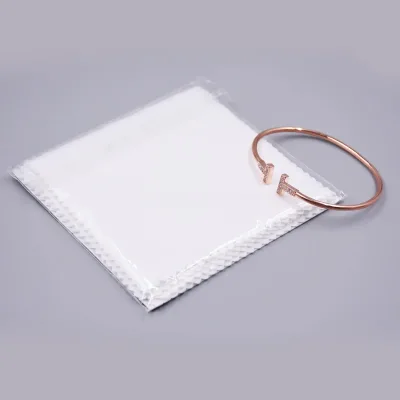
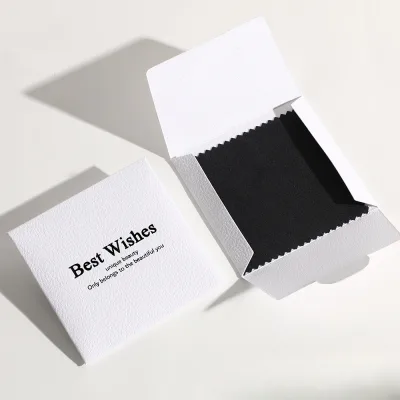
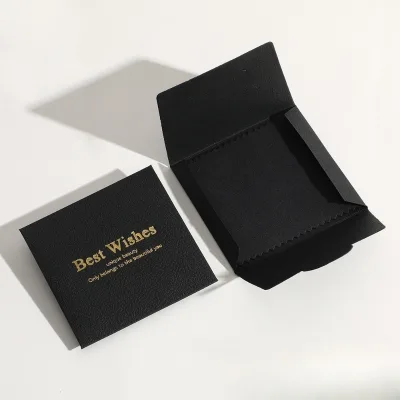
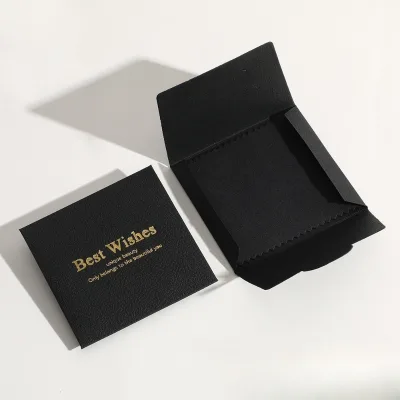
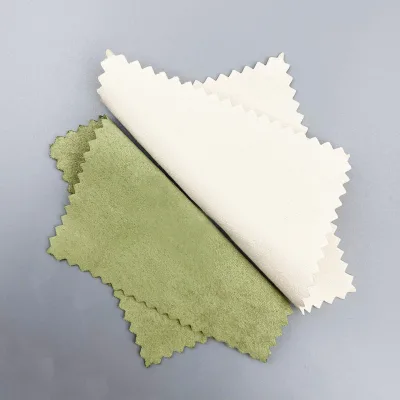
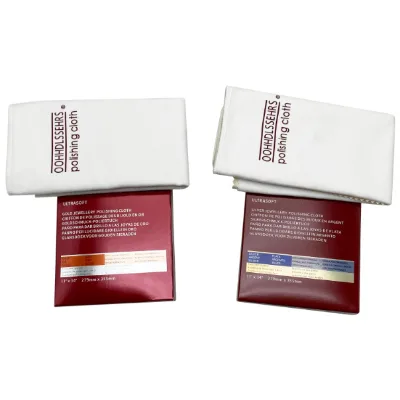
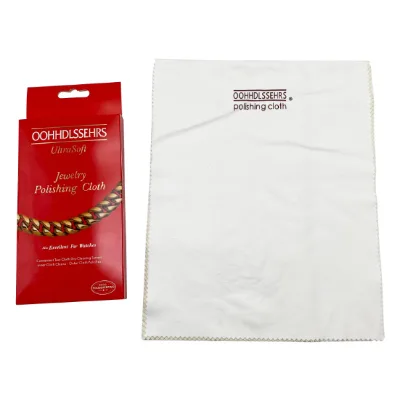
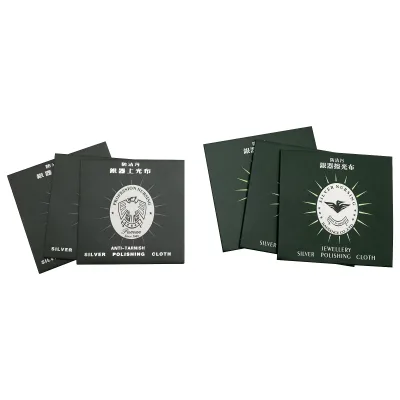


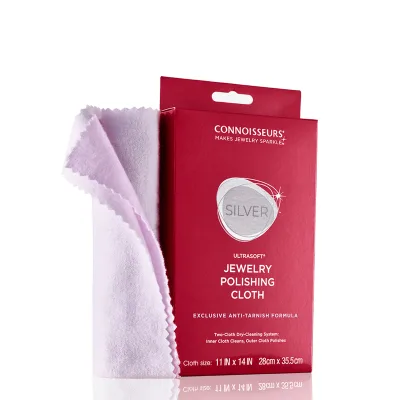
Comprehensive Sourcing Guide
Anti-Scratch Jewelry Cleaning Cloth Supplier Concentration and Factory Types
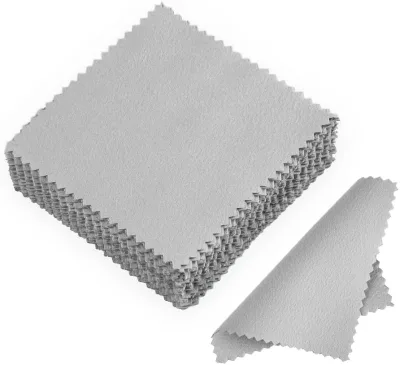
The current supplier landscape for Anti-Scratch Jewelry Cleaning Cloth reveals distinct manufacturing clusters primarily located in Shandong, Anhui, and Jiangsu provinces within China. Factories in Shandong often operate as Manufacturer/Factory entities with capabilities in OEM and ODM services, producing a wide range of packaging and paper goods alongside specialized cleaning cloths. In contrast, suppliers in Anhui frequently present as a hybrid of Manufacturer and Trading Company, focusing specifically on microfiber and lens cloths with rapid response capabilities. The presence of verified suppliers in these regions suggests a concentration of production capacity, though buyers must confirm if a specific factory handles the anti-scratch coating process or if it is outsourced.
Factory types vary significantly across the available results, ranging from pure manufacturers to trading companies that aggregate products from multiple sources. Some entities list ISO 9001 certification, indicating a standardized quality management system, while others rely on third-party verification like BV or SGS to establish trust. The main product lists often include diverse items such as custom packaging, notebooks, or general microfiber fabrics, suggesting that jewelry cleaning cloths may be part of a broader production line rather than a specialized niche. Buyers should investigate whether the supplier's primary focus aligns with their specific volume needs, as a factory producing custom packaging might prioritize different production schedules than one dedicated to high-volume microfiber textiles.
How to Verify Anti-Scratch Jewelry Cleaning Cloth Suppliers
Verification of suppliers requires a multi-layered approach starting with the displayed verification badges such as BV or SGS, which indicate that a third party has assessed the company's business license and operational capacity. However, these badges do not guarantee product quality for specific items like anti-scratch cloths, so buyers must request detailed product evidence including material composition and testing results. The presence of certifications like ISO 9001 or BSCI provides a baseline for factory management standards, but these should be cross-referenced with the specific product attributes listed, such as the microfiber material type or the availability of customization for size and logo.
Buyers should also scrutinize the response time metrics provided in supplier profiles, as a faster response often correlates with better communication channels and more active account management. For instance, a response time of two hours suggests a highly responsive team, whereas a time of nearly 15 hours might indicate a larger, less agile organization or a different time zone. It is critical to verify that the supplier's claimed capabilities, such as OEM or ODM services, match the actual product evidence provided, including details on packaging, weight, and standard sizes. Without direct confirmation of these attributes, buyers risk engaging with a trading company that may not have direct control over the manufacturing process or quality assurance protocols.
What to Compare Across Anti-Scratch Jewelry Cleaning Cloth Suppliers
When evaluating potential partners, the most critical comparison points include lead time, minimum order quantity (MOQ), and unit pricing, as these factors directly impact inventory planning and cash flow. Lead times observed in the current data range from seven days to fifteen days, with some suppliers offering faster turnaround for standard items while others require longer periods for customized orders. The MOQ varies significantly, with some suppliers requiring as few as 100 pieces, while others set thresholds at 5,000 or even 10,000 pieces, which can be a decisive factor for small to medium-sized buyers. Pricing also fluctuates based on order volume and customization, with unit costs ranging from approximately $0.03 to $0.36 depending on the specific product configuration and material quality.
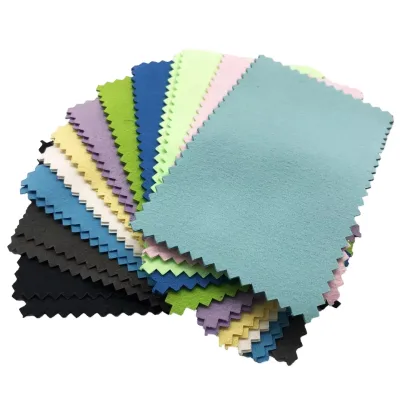
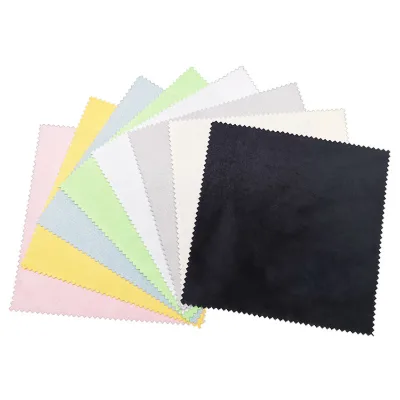
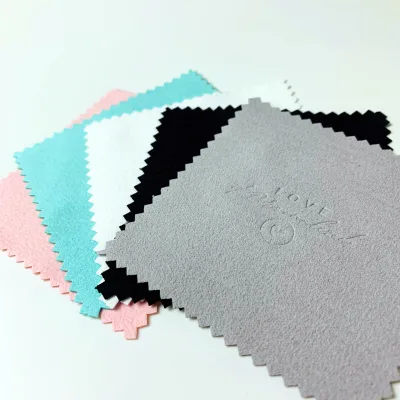
Beyond logistical metrics, buyers must compare the scope of customization options and the specific product attributes offered by each supplier. Some suppliers provide detailed specifications such as cloth size, edge type, and color options, while others may have limited customization capabilities. The availability of features like door-to-door service, free samples, and custom logo printing should be weighed against the supplier's main product focus to ensure alignment with brand requirements. Additionally, the supplier's location and associated logistics costs should be factored into the total landed cost, as shipping from different provinces in China may incur varying freight charges and transit times.
Common Anti-Scratch Jewelry Cleaning Cloth Sourcing Risks
One significant risk in sourcing Anti-Scratch Jewelry Cleaning Cloth is the potential discrepancy between the advertised product attributes and the actual delivered goods, particularly regarding material quality and anti-scratch performance. Suppliers may list generic microfiber cloths without specifying the exact weave density or chemical treatment required for effective tarnish removal, leading to products that fail to meet performance expectations. The variation in product evidence, such as differences in cloth size and packing details, highlights the need for rigorous pre-shipment inspections to ensure that the final product matches the agreed-upon specifications. Without clear standards, buyers may receive cloths that are too thin, lack the necessary texture, or fail to provide the advertised polishing effect.
Another risk involves the reliability of the supply chain, especially when dealing with trading companies that may not have direct oversight of the manufacturing process. If a supplier relies on multiple sub-contractors, there is a higher probability of delays or quality inconsistencies, particularly during peak seasons. The response time and lead time data suggest that some suppliers may struggle to maintain consistent delivery schedules, which can disrupt inventory levels and sales cycles. Furthermore, the lack of standardized pricing and MOQ structures across different suppliers can lead to unexpected cost increases or minimum order requirements that exceed the buyer's budget, necessitating careful negotiation and clear contractual terms to mitigate these financial risks.
Anti-Scratch Jewelry Cleaning Cloth Regional Sourcing and Logistics
Sourcing from specific regions in China offers distinct logistical advantages and challenges that buyers must consider when planning their procurement strategy. Suppliers in Shandong and Jiangsu provinces often have established infrastructure for exporting goods, but the distance from major ports can influence transit times and freight costs. Buyers should verify the specific port of loading and the estimated shipping duration for each supplier, as these factors can vary significantly even within the same province. The location of the factory also impacts the ability to conduct on-site audits, with some regions offering easier access for inspection teams than others, which is crucial for verifying production capabilities and quality control measures.
Logistics planning must also account for the packaging details provided by suppliers, such as the use of OPP bags or cartons, which affect the volume and weight of the shipment. Some suppliers offer door-to-door service, which can simplify the import process, while others may require the buyer to arrange their own freight forwarding. The gross weight per batch and package dimensions are critical for calculating shipping costs and determining the most efficient mode of transport. Buyers should also consider the potential for customs delays and the need for proper documentation, ensuring that the supplier provides accurate invoices and packing lists that align with the declared value and product specifications to avoid clearance issues.
Anti-Scratch Jewelry Cleaning Cloth Commercial Terms and Order Planning
Commercial terms for Anti-Scratch Jewelry Cleaning Cloth orders often include specific requirements regarding payment methods, escrow services, and warranty policies that buyers must carefully review before committing to a purchase. While some suppliers may offer flexible payment terms for repeat customers, new buyers should prioritize using secure payment channels that offer protection against non-delivery or quality disputes. The presence of escrow services can provide an additional layer of security, ensuring that funds are only released once the goods have been received and verified. Buyers should also clarify the return policy and the process for handling defective items, as these terms can vary widely between different suppliers and may impact the overall cost of the order.
Order planning requires a strategic approach to managing inventory levels and production schedules, taking into account the lead times and MOQs of the selected suppliers. Buyers should aim to place orders well in advance of peak seasons to avoid delays and ensure a steady supply of products. It is also important to consider the customization lead time, as adding logos or specific sizes may extend the production timeline. By maintaining a clear understanding of the supplier's capacity and response time, buyers can better forecast their needs and avoid stockouts. Regular communication with the supplier regarding production status and potential delays is essential for maintaining a smooth supply chain and ensuring that orders are fulfilled on time.
FAQs
What is the typical lead time for custom jewelry cleaning cloths?
Lead times vary by supplier and order size. Some manufacturers in China offer a 7-day lead time for standard orders. Others may require 15 days for customized packaging or specific material requests. Always confirm the exact timeline with the supplier before placing an order to ensure timely delivery.
What is the minimum order quantity for these cleaning cloths?
Minimum order quantities differ significantly across suppliers. Some vendors accept orders as low as 100 pieces for custom sizes. Others require a minimum of 500 or even 10,000 pieces depending on the product type and customization level. Buyers should check specific product listings to find options matching their volume needs.
Are these cloths available with custom logos and packaging?
Yes, many suppliers offer customization services including custom logos and packaging. Options often include accepting custom sizes and specific branding details. Some manufacturers provide OEM and ODM capabilities to tailor the product to your brand requirements. Verify specific customization limits and costs with the supplier directly.
What materials are commonly used for anti-scratch jewelry cloths?
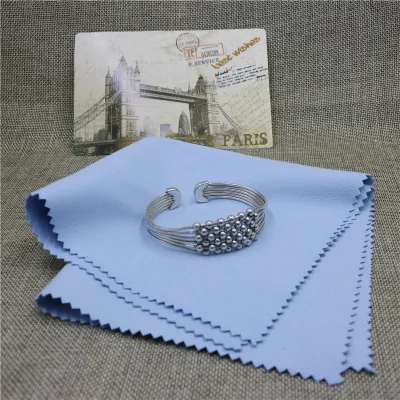
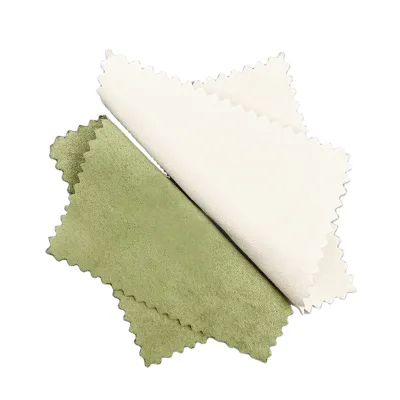
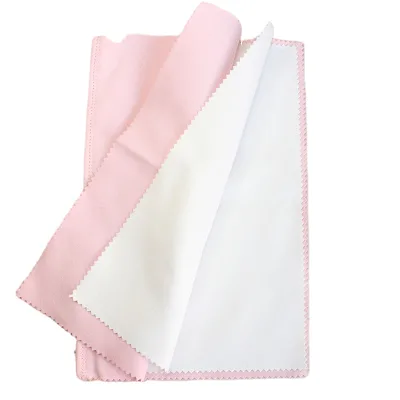
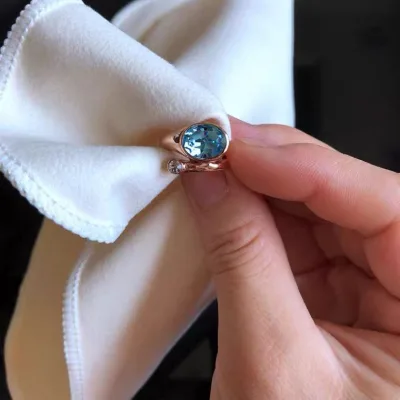
Microfiber is the most common material used for these cleaning cloths due to its gentle yet effective cleaning properties. Some products feature velvet or double velvet layers for extra protection. The material is selected to ensure it does not scratch delicate surfaces like silver, gold, or glass while removing tarnish effectively.
Do suppliers offer free samples for testing quality?
Some suppliers indicate that free samples are available for potential buyers to test product quality. This allows you to verify the cleaning performance and material feel before committing to a larger order. However, sample availability depends on the specific vendor and their current policies regarding sample requests.
What certifications do these manufacturing suppliers hold?
Several suppliers hold ISO 9001 certification for their quality management systems. Some also possess BSCI certification, indicating compliance with social standards. Verification by third-party agencies like BV or SGS is also common. These certifications help ensure consistent product quality and reliable manufacturing processes for your orders.
How quickly do suppliers typically respond to inquiries?
Response times vary among suppliers, with some replying within 2 hours. Others may take up to 15 hours to respond to initial inquiries. Faster response times often indicate a more active sales team. Buyers should prioritize suppliers with quick response metrics to ensure efficient communication during the sourcing process.