Agate Beads Suppliers and Manufacturers in China
Compare 13 verified suppliers of Agate Beads based on location, lead time, and certifications. Buyers can review response times, MOQs, and product specifications to select the right partner for machinery or jewelry needs; review the available evidence before requesting comparable quotations from suitable candidates.
Suppliers List

Hunan Jingshengda Ceramic Technology Co., Ltd.
- Verified by BV
- Trading Company,Manufacturer/Factory
- China Hunan
- Lead time15 days
- Avg. response≤ 2h
Main productsLab Ball Mill, Planetary Ball Mill, Jar Mill, Ball Mill Jar, Grinding Jar Comfort with Retsch, Grinding Jar Comfort with Fritsch, Rotary Ball Mill, Zirconia Beads, Planetary Ball Mill for Laboratory, Grinding Jar

Guangzhou Milky Way Jewelry Limited
- Trading Company
- Guangdong, China
- Lead time10 days
- Avg. response≤ 3h
Main productsfashion jewelry,jewelry supplies,jewelry findings,jewelry material,art and gift
Main marketsNorth America(40.00%), Eastern Europe(12.00%), South America(12.00%), Africa(10.00%), Western Europe(10.00%), Northern Europe(8.00%), Eastern Asia(3.00%), Southern Europe(2.00%), Mid East(1.00%), Oceania(1.00%), Southeast Asia(1.00%)
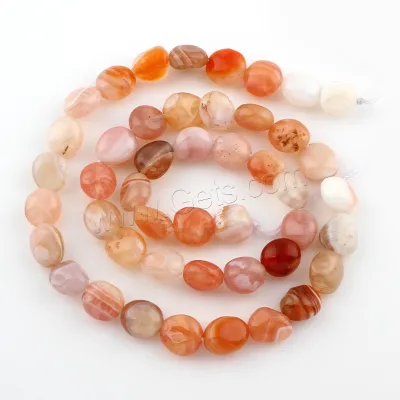
New Arrivals High Quality Beads Agate Botswana Agate Beads for Jewelry Making
$1.73 - $1.92
MOQ: 40 Minimum
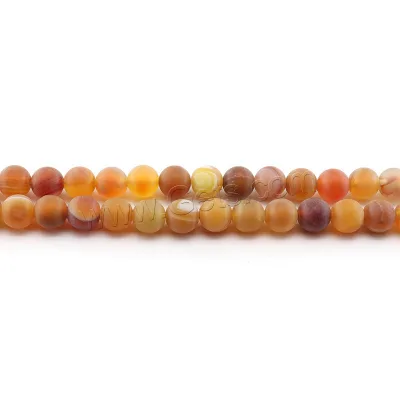
High Quality Natural Polished Orange Lace Agate Bead Gemstone Beads for Jewelry Making
$3.95 - $4.39
MOQ: 40 Minimum


East Sunrise Jewelry Co., Limited
- Verified by SGS
- Manufacturer/Factory
- China Guangdong
- Lead time23 days
- Avg. response≤ 16h
Main productsPendant, Necklace, Bracelet, Ring, Earring, Carving, Ornament, Loose Bead, Jewelry, Semi-Precious Stones
Main marketsSouth America,Eastern Europe,Mid East,North America,Southeast Asia,Eastern Asia,Oceania,Western Europe,Africa

- Trading Company,Manufacturer/Factory
- China Guangdong
- Lead time23 days
- Avg. response≤ 7h
Main productsGemstone, Jewelry, Gemstone Jewelry, Loose Gemstone Beads, Jewelry Rings, Jewelry Set, Jewellery Earrings, Pendant, Created Emerald, Cubic Zirconia
Main marketsSouth America,Eastern Europe,North America,Western Europe

Carved Natural Gemstone Rose Quartz Agate Aventurine etc Beads for Bracelet Design
$0.60 - $1.50
MOQ: 100 Pieces


Beijing Hong Yun Xi International Trade Company Limited
- Verified by SGS
- Trading Company
- China Beijing
- Lead time23 days
- Avg. response≤ 18h
Main productsFRP Tank, FRP Vessel, FRP Pipe, FRP Tower, FRP Clarifier, FRP Wet Electrostatic Precipitator Tube, FRP Environment Protection Equipment, Fiberglass Mat, Fiberglass Roving, Glass Beads
Main marketsOthers(foreignTradeCapacity.exportBusinessCapacityMarketOther),Southeast Asia/ Mideast

Wenzhou Olova Industry Co., Ltd.
- Manufacturer/Factory
- China Zhejiang
- Lead time0 days
- Avg. response≤ 16h
Main productsSequin Device, Cording Device, Embroidery Machine, Punching Machine, Pearl Device, Towel Device, Embroidery Device, Sewing Embroidery, Embroidery Equipment, Device

NINGBO HOBA INTERNATIONAL TRADING CO., LTD.
- Verified by BV
- Trading Company
- China Zhejiang
- Lead time30 days
- Avg. response≤ 4h
Main productsThread, Button, Lace Tape, Zipper, Hot Fix Stone, Crystal, Rope, Jewelry Accessory, Ribbon, Reflecting Material
Main marketsSouth America,Africa,Southeast Asia/ Mideast,East Asia(Japan/ South Korea),Europe,Australia,North America


Beads 2/3/4/5/6/8mm Colorful Glass Bicone Crystal Beads for Jewelry Making
$0.06 - $0.11
MOQ: 3000 bunch


Yiwu Shanmei Arts And Gifts Co., Ltd.
- Manufacturer, Trading Company
- Lead time旺季: "1 - 100":15,"> 100":"To be negotiated", 淡季: "1 - 100":15,"> 100":"To be negotiated"
- Avg. response≤ 4h
Main productsJewelry

Qinyuan Fuda New Material Technology Co., Ltd.
- Verified by TUVRHEINLAND
- Trading Company
- China Shanxi
- Lead time15 days
- Avg. response≤ 2h
Main productsgrinding ball
Main marketsSoutheast Asia/ Mideast,Domestic

Jiangxi Zhongli Superhard Materials Tools Co., Ltd.
- Combined
- China Jiangxi
- Lead time15 days
- Avg. response≤ 11h
Main productsDiamond Tool
Main marketsSouth America,Africa,Southeast Asia/ Mideast,East Asia(Japan/ South Korea),Domestic,Europe,Australia,North America

Guangxi Wuzhou Starsgem Co., Limited
- Manufacturer/Factory
- China Guangxi
- Lead time15 days
- Avg. response≤ 22h
Main productsCubic Zirconia, Star Cut, Synthetic Gemstone, Synthetic Ruby, Synthetic Sapphire, Glass Bead, CZ, Zircon, Semi-Precious Stone, Gemstone
Main marketsSouth America,Eastern Europe,Mid East,North America,Southeast Asia,Eastern Asia,Oceania,Western Europe,Africa
Guangzhou Hong Zhuo Jewelry Co., Ltd.
- Manufacturer, Trading Company, Agent
- Guangdong, China
- Lead time3 days
- Avg. response≤ 15h
Main productssemi precious gemstone beads,freshwater pearls,shell beads,finished jewelries,gold jewelry findings
Main marketsSouth America(26.00%), Northern Europe(10.00%), Western Europe(10.00%), Southern Europe(10.00%), Eastern Europe(10.00%), North America(6.50%), Africa(5.00%), Central America(5.00%), Southeast Asia(5.00%), Mid East(5.00%), Oceania(5.00%), South Asia(1.00%), Eastern Asia(1.00%), Domestic Market(0.50%)

NINGBO NCJN IMPORT AND EXPORT CO., LTD.
- Verified by TUVRHEINLAND
- Trading Company
- China Zhejiang
- Lead time15 days
- Avg. response≤ 12h
Main productsGarment Accessories, Zipper, Button, Lace, Tape, Velcro Tape, Hook and Eye Tape, Ring and Slider, Bra Cup
Main marketsSouth America,Africa,Southeast Asia/ Mideast,East Asia(Japan/ South Korea),Europe,Australia,North America


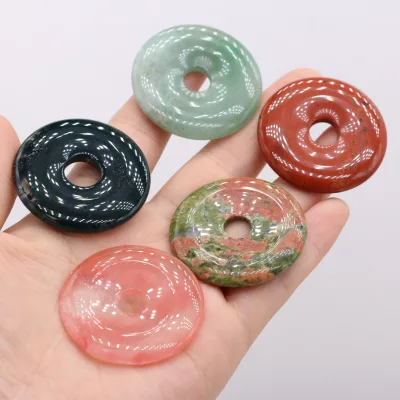
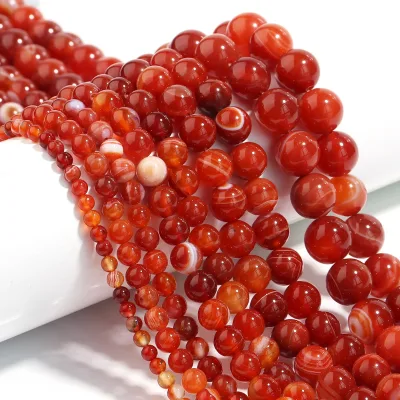


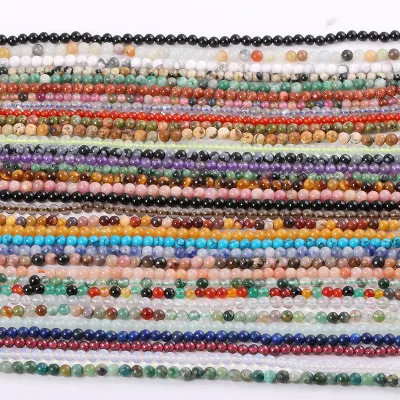
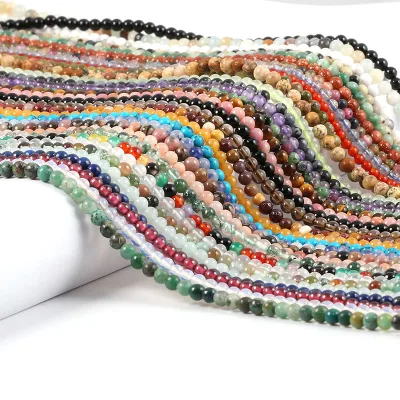


Comprehensive Sourcing Guide
Agate Beads Supplier Concentration and Factory Types
Current data indicates a distinct concentration of agate bead suppliers within China, specifically highlighting manufacturing clusters in Hunan and Guangdong provinces. Suppliers in Hunan are frequently associated with industrial grinding media and laboratory equipment, suggesting a strong capability in processing hard materials like agate for abrasive or mechanical applications. In contrast, suppliers located in Guangdong often focus on fashion jewelry, loose gemstones, and finished accessories, indicating a cluster specialized in consumer-facing decorative products. This geographic split implies that buyers seeking industrial-grade grinding balls should prioritize Hunan-based manufacturers, while those sourcing loose beads for jewelry making should target Guangdong-based trading companies and factories.
The supplier landscape includes a mix of trading companies and direct manufacturers, each offering different value propositions for agate bead procurement. Some entities operate as trading companies, aggregating products from various sources to offer a wide range of styles, such as Tibetan Dzi beads, Botswana agate, and crackle agate. Others function as manufacturers with their own brands, capable of providing OEM and ODM services for custom sizes and shapes. This diversity allows buyers to select partners based on whether they need standardized inventory or customized production runs. Understanding this distinction is critical, as manufacturers may offer better control over raw material sourcing from Brazil or local deposits, while trading companies might provide faster access to diverse inventory without minimum order constraints.
How to Verify Agate Beads Suppliers
Verification of agate bead suppliers relies heavily on third-party audit reports and specific certification markers found in supplier profiles. Many suppliers in this category display verification badges from recognized bodies such as BV or SGS, which serve as a primary indicator of operational legitimacy. Additionally, system certifications like ISO 9001 are common among manufacturers, signaling adherence to quality management standards that are essential for consistent bead grading and processing. Buyers should prioritize suppliers who explicitly list these certifications rather than relying on general claims, as these documents provide concrete evidence of the supplier's commitment to quality control and operational stability.
Beyond certifications, buyers must scrutinize the specific product attributes and material origins listed in supplier catalogs to ensure authenticity. For instance, some listings specify raw materials sourced from Brazil or China, with detailed composition data such as 97% SiO2 content and density measurements around 2.65g/cm3. These technical specifications are vital for distinguishing natural agate from treated or synthetic alternatives. Furthermore, the availability of third-party appraisal certificates for gemstone products adds a layer of verification regarding the natural origin and quality grade of the stones. Buyers should request these specific documents before placing orders to confirm that the Agate Beads meet the required purity and physical standards for their intended application.
What to Compare Across Agate Beads Suppliers
When evaluating potential partners, buyers should compare key operational metrics such as lead times, minimum order quantities, and response speeds to determine fit for their specific project needs. Data shows significant variation in lead times, ranging from as little as 10 days to over 23 days depending on the supplier's location and production capacity. Similarly, minimum order quantities can differ drastically, with some suppliers accepting orders as low as one unit for sampling, while others require bulk purchases of 40 units or more. Response times also vary, with some suppliers replying within two days and others taking up to 15 days, which can impact the speed of negotiation and order finalization.
Price structures and customization capabilities represent another critical dimension for comparison across the supplier base. Agate bead prices can range from approximately $1.73 to $65.00 per unit, heavily influenced by factors such as bead size, color variety, and processing type. Suppliers offering customization services may charge different rates compared to those providing standard non-customized inventory. Additionally, the availability of samples and the specific processing types, such as rolling or polishing, should be weighed against the budget constraints. Buyers must analyze these commercial terms alongside the supplier's main product focus, ensuring that a manufacturer specializing in laboratory equipment does not inadvertently become the primary source for fashion jewelry beads without verifying their specific inventory depth.
Common Agate Beads Sourcing Risks
One significant risk in sourcing Agate Beads involves the discrepancy between claimed material origins and actual product composition. While some listings explicitly state raw materials are sourced from Brazil or China, others may lack clear provenance, leading to potential issues with quality consistency or authenticity. Buyers must be vigilant about verifying the "Grade a" or specific composition claims, as unverified suppliers might substitute lower-quality stones or treated materials for natural agate. This risk is particularly acute when dealing with trading companies that aggregate products from multiple sources, as the lack of direct manufacturing control can obscure the true nature of the gemstones being supplied.
Another prevalent risk relates to the mismatch between product specifications and the intended application, especially regarding size and shape tolerances. Listings often describe beads as "round and cylindrical" or "oval," but without precise dimensional verification, buyers may receive products that do not fit their jewelry designs or machinery requirements. The variation in processing types, such as rolling versus polishing, can also lead to unexpected surface finishes that affect the final product's aesthetic or functional performance. To mitigate these risks, buyers should insist on detailed product attributes, including density, color consistency, and specific model numbers, before committing to large orders, ensuring that the physical characteristics align perfectly with their project specifications.
Agate Beads Regional Sourcing and Logistics
Logistics planning for Agate Beads must account for the specific regional strengths of Chinese manufacturing hubs, particularly the distinction between Hunan and Guangdong. Suppliers in Hunan often focus on industrial applications, which may involve heavier packaging and different shipping requirements for grinding media compared to the delicate, fashion-oriented products found in Guangdong. Buyers sourcing from Guangdong should anticipate a supply chain optimized for jewelry accessories, where packaging might prioritize aesthetic presentation and protection against breakage for loose gemstones. Understanding these regional nuances helps in selecting the most efficient shipping routes and packaging methods to minimize damage during transit.
Lead time variations across regions also play a crucial role in logistics planning, with some suppliers offering rapid turnaround times of 10 to 15 days while others require up to 23 days for production. This difference can significantly impact inventory management and order fulfillment schedules, especially for time-sensitive projects. Buyers should factor in these lead times when planning their procurement cycles, ensuring that they have sufficient buffer time to accommodate production delays or shipping contingencies. Additionally, the response time of the supplier, which can range from under two days to over 15 days, affects the speed of communication and the ability to resolve logistical issues quickly, making it a key factor in overall supply chain reliability.
Agate Beads Commercial Terms and Order Planning
Commercial terms for Agate Beads vary widely, with minimum order quantities ranging from single units to bulk orders of 40 pieces or more, depending on the supplier's business model. Some suppliers offer flexible terms for sampling, allowing buyers to test product quality before committing to larger volumes, while others enforce strict MOQs to ensure production efficiency. Pricing structures also fluctuate based on factors such as bead size, color, and customization options, with costs ranging from under $2 to over $65 per unit. Buyers must carefully review these terms to align their budget and order volume with the supplier's capabilities, ensuring that the financial terms support their overall procurement strategy.
Order planning should also consider the availability of customization services and the specific product attributes required for the final application. Suppliers offering OEM and ODM services can tailor bead sizes, shapes, and finishes to meet unique design requirements, but this often comes with longer lead times and higher minimum order thresholds. Buyers should verify the availability of samples and the specific processing types, such as rolling or polishing, to ensure the final product meets their quality standards. By thoroughly understanding these commercial terms and planning accordingly, buyers can mitigate risks associated with production delays, quality inconsistencies, and budget overruns, ensuring a smooth and successful sourcing experience for their agate bead projects.
FAQs
What is the typical lead time for Agate Beads?
The typical lead time for Agate Beads ranges from 10 to 23 days depending on the supplier. Some manufacturers in Guangdong offer a 10-day turnaround, while others in Hunan may require up to 23 days. Buyers should confirm specific delivery schedules before placing orders to ensure timely receipt of materials.
What is the minimum order quantity for Agate Beads?
Minimum order quantities vary significantly across suppliers, with some accepting orders as low as one piece. Other vendors require a minimum of 40 units for specific agate bead styles. Buyers must check individual product listings to determine the exact MOQ required for their specific order size and budget constraints.
Are Agate Beads available with ISO 9001 certification?
Yes, several suppliers offering Agate Beads hold ISO 9001 system certification. This certification indicates adherence to quality management standards for their manufacturing processes. Buyers seeking verified quality assurance should look for suppliers displaying this specific certification mark on their product pages or company profiles.
What is the price range for Agate Beads?
Prices for Agate Beads generally range from 1.73 to 65.00 per unit depending on size, grade, and customization. Lower-priced options often start around 1.73 for standard sizes, while specialized or larger batches may cost up to 65.00. Buyers should compare specific product attributes to find the best value.
Where are Agate Beads typically manufactured?
Agate Beads are primarily manufactured in China, with key production hubs located in Hunan and Guangdong provinces. Suppliers in these regions offer various types of Agate Beads including Tibetan and Dzi styles. Buyers can filter search results by these specific locations to find local manufacturers or trading companies.
What is the response time for supplier inquiries?
Supplier response times vary, with some vendors replying within 1.93 hours while others may take up to 15 hours. Faster response times are often associated with trading companies in Guangdong, whereas manufacturers in Hunan might have slightly longer reply windows. Buyers should prioritize suppliers with quicker response rates for urgent orders.
Can Agate Beads be customized for specific needs?
Customization is available for many agate bead products, including specific sizes, shapes, and colors. Some suppliers offer OEM and ODM services to meet unique design requirements. Buyers should verify customization options and lead times directly with the supplier to ensure their specific needs can be met without compromising quality.