ACL Injury Knee Brace with Stay Suppliers and Manufacturers
Source ACL Injury Knee Brace with Stay from 28 verified suppliers. Compare lead times, MOQs, and response speeds to find the right partner. Filter by origin and customization options to streamline your procurement process; review the available evidence before requesting comparable quotations from suitable candidates.
Updated
Suppliers List
Xiamen Dorrella Health Technology Co., Ltd.
- Verified by TüVRheinland
- Trading Company
- Lead time15 days
- Avg. response≤ 3h
Main productsRehabilitation Orthotics, Rehabilitation Equipment, Sports Braces
Main marketsMid East(45%), Eastern Europe(25%), North America(15%)
Hengshui Jingkang Medical Device Co., Ltd.
- Manufacturer, Trading Company
- Hebei, China
- Lead time5 days
- Avg. response≤ 6h
Main productsmaternity support,lumbar support,tourmaline magnetic,crutch,arm sling
Main marketsNorth America(40.00%), South America(20.00%), Eastern Europe(15.00%), Domestic Market(5.00%)
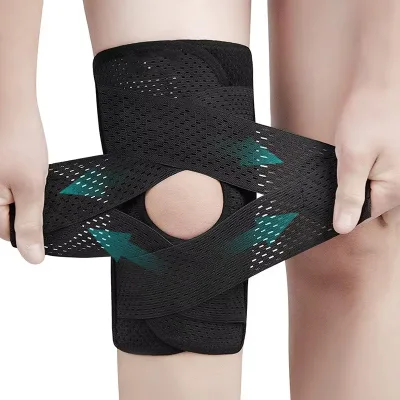
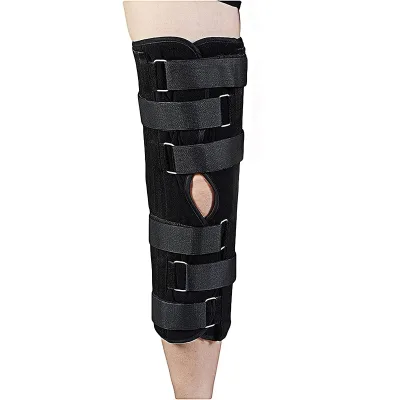
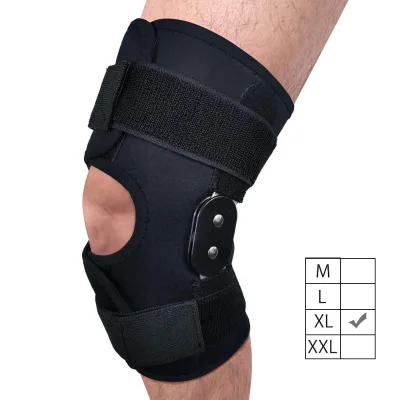
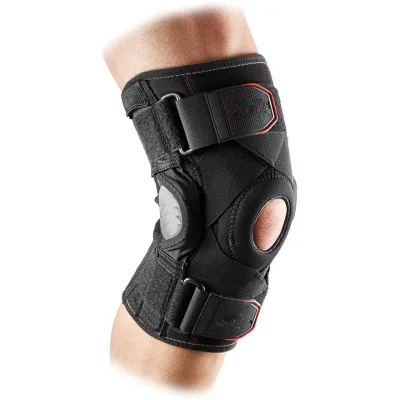
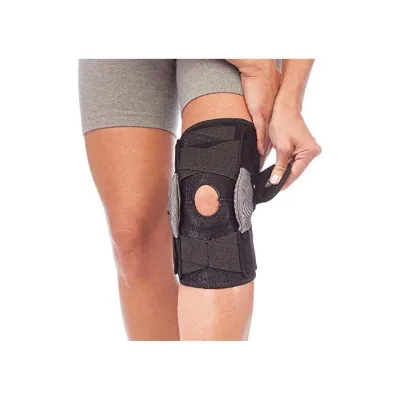
Knee Brace for Patella Support Knee Brace for Knee Pain Acl Tear for Chondromalacia
$6.00 - $10.00
MOQ: 1 Minimum
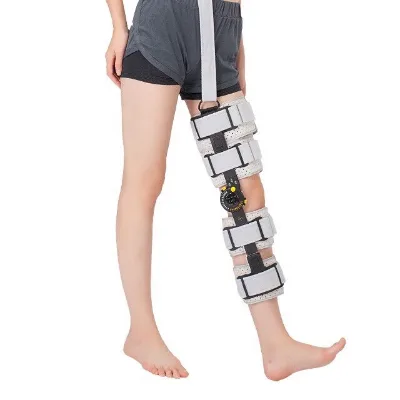
$19.00 - $30.00
MOQ: 1 pieces

Nanjing Ihome Comfort Co., Ltd.
- Verified by SGS
- Trading Company
- China Jiangsu
- Lead time30 days
- Avg. response≤ 8h
Main productsHot Water Bottle, Ice Pack, Hot Water Bag, Kneepad, Hot Cold Pack, Bp Bulb Bladder, Fitness Equipment, Leather Bag, Test Pack, First Aid Kit
Main marketsSouth America,Africa,Others(foreignTradeCapacity.exportBusinessCapacityMarketOther),Southeast Asia/ Mideast,East Asia(Japan/ South Korea),Europe,North America
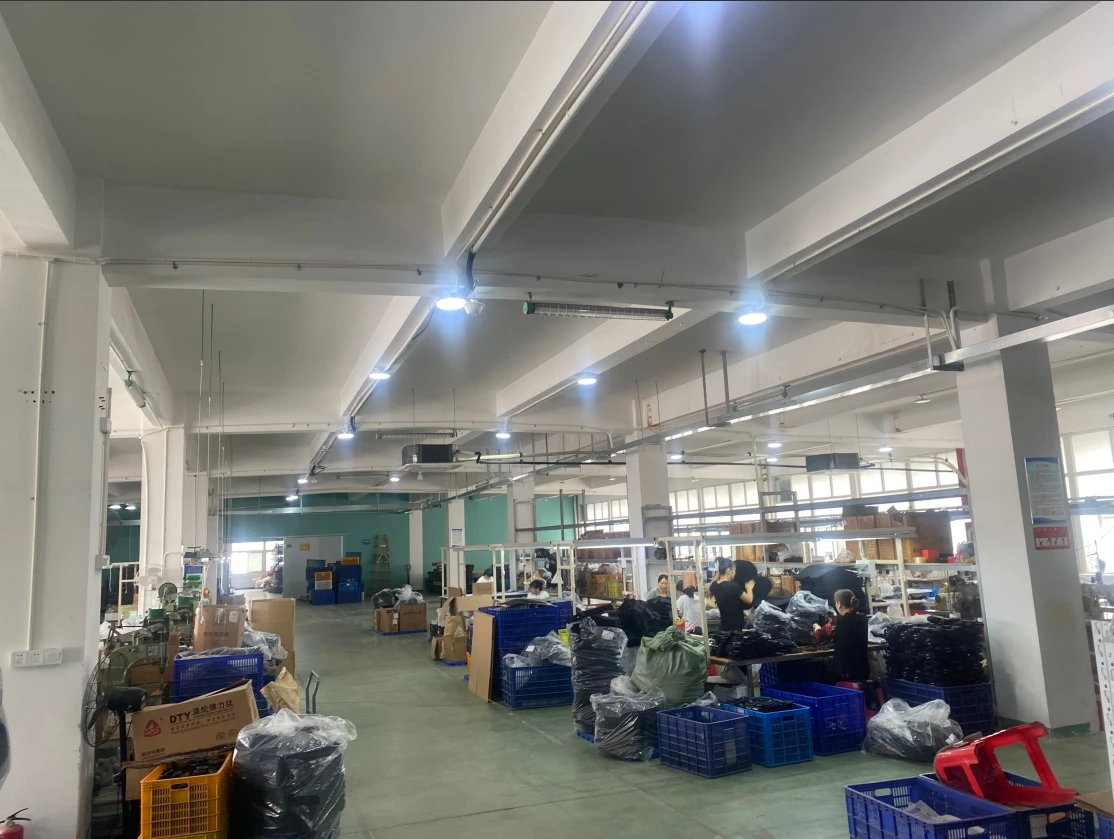
Xiamen Longstar Medical Equipment Co., Ltd.
- Manufacturer
- Fujian, China
- Lead time30 days
- Avg. response≤ 1h
Main productsCervical Collar,Shoulder Brace,Back Brace,Knee brace,Ankle brace
Main marketsDomestic Market(40.00%), Western Europe(20.00%), Eastern Europe(20.00%), North America(10.00%), Mid East(10.00%)
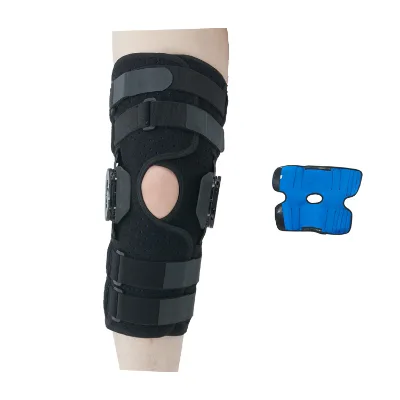
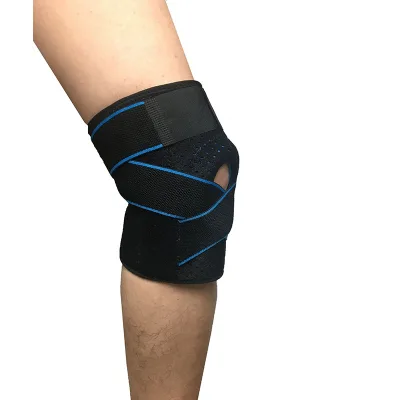
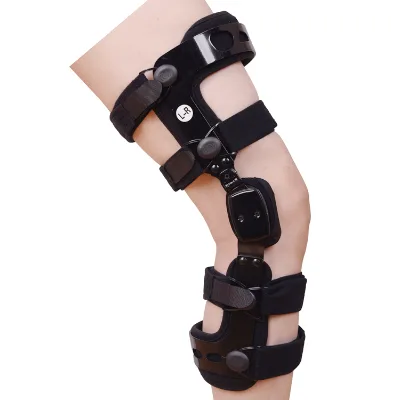
ACL MCL LCL Knee Brace for Meniscus Tear Support - Anti-Slip Silicone Gel & Spring Stabilizers
$3.9435 - $4.6092
MOQ: 50 pieces
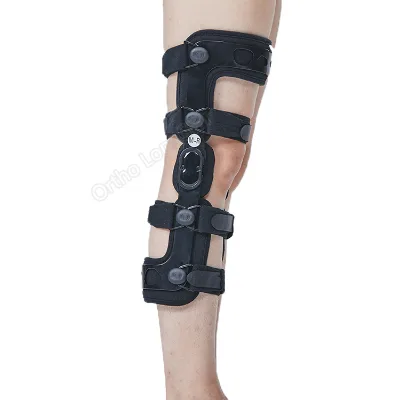
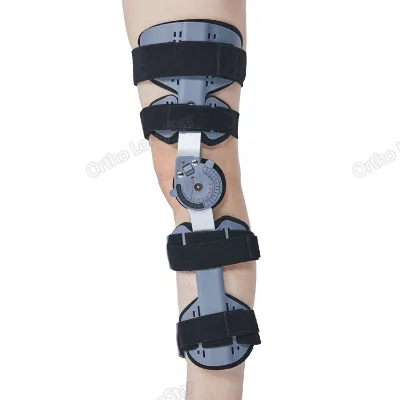
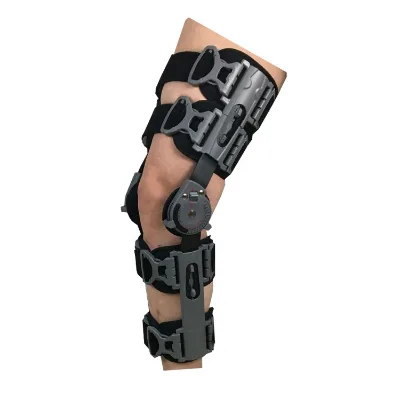
$43.007 - $46.0783
MOQ: 10 pieces

XIAMEN DORRELLA HEALTH TECHNOLOGY CO.,LTD
- Verified by SGS
- Trading Company,Manufacturer/Factory,Group Corporation
- China Fujian
- Lead time23 days
- Avg. response≤ 6h
Main productsOrthotic Brace, Ankle Brace, Arm Brace, Back Brace, Cervical Collar, Finger Splint, Hip Abduction Braces, Hand and Wrist Brace, Post-Op Shoes, Orthopedic Waiking Boot
Main marketsSouth America,Eastern Europe,Mid East,North America,Southeast Asia,Eastern Asia,Oceania,Western Europe,Africa

$15.00 - $20.00
MOQ: 10 Sets

OEM/ODM Dorrella Adjustable Orthopedic Medical Knee Brace with Side Stabilizers for Acl
$19.00 - $22.90
MOQ: 10 Pieces


Medical Rehabilitation Acl Tear Knee Joint Supporter Orthosis Knee Support Brace for Adults
$20.90 - $24.90
MOQ: 10 Pieces

Adjustable Knee Brace for Healing Osteoarthritis and Acl Mcl OA Knee Orthosis
$15.00 - $20.00
MOQ: 10 Sets

Hebei Denovo Medical Device Co., Ltd.
- Verified by BV
- Trading Company,Manufacturer/Factory
- China Hebei
- Lead time23 days
- Avg. response≤ 4h
Main productsBack Support, Knee Support, Posture Corrector, Foot Night Splint, Arm Slings, Hernia Belts, Cervical Collars, Abduction Orthosis
Main marketsSouth America,Eastern Europe,Mid East,North America,Southeast Asia,Eastern Asia,Oceania,Western Europe,Africa
Hengshui Gangsheng Medical Instruments Co., Ltd.
- Verified by SGS Group
- Manufacturer, Trading Company
- Lead time7 days
- Avg. response≤ 3h
Main productsCervical Collar, Lumbar Back Brace, Posture Corrector, Knee Brace, Arm Sling
Main marketsNorth America(34%), Western Europe(15%), Domestic Market(11%)
Zhejiang Fele Sports Co., Ltd.
- Verified by SGS Group
- Manufacturer, Trading Company
- Lead time20 days
- Avg. response≤ 3h
Main productsKnee Braces, Shin Guard, Sports Socks, Ankle Support, Calf Sleeves
Main marketsNorth America(40%), South America(10%), Eastern Europe(10%)
Shijiazhuang Aofeite Imp & Exp Co., Ltd.
- Manufacturer, Trading Company
- Lead time旺季: "1 - 1000":31,"> 1000":"To be negotiated", 淡季: "1 - 1000":31,"> 1000":"To be negotiated"
- Avg. response≤ 2h
Main productsKnee Brace, Lumbar Support Belt
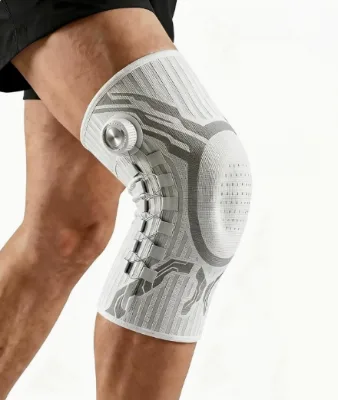
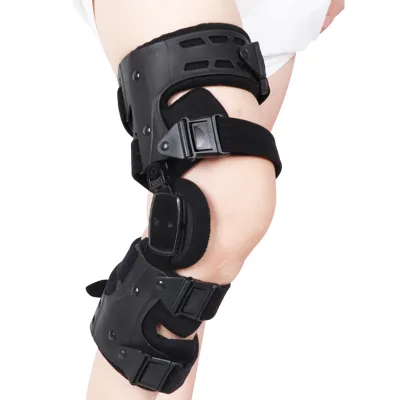
$22.5283 - $29.6956
MOQ: 10 Minimum
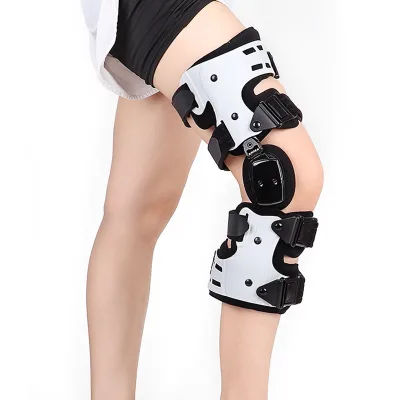

Shijiazhuang Yide Medical Device Manufacturing Co., Ltd.
- Combined
- China Hebei
- Lead time15 days
- Avg. response≤ 13h
Main productsPortable Suction Machine, Anti-Bedsore Air Mattress, Nebulizer, Isolation Gown, Isolation Shoe Cover, Protective Clothing, Infrared Thermometer, Digital Thermometer, Medical Mask, Pulse Oximeter
Main marketsSouth America,Africa,Southeast Asia/ Mideast,East Asia(Japan/ South Korea),Domestic,Europe,Australia
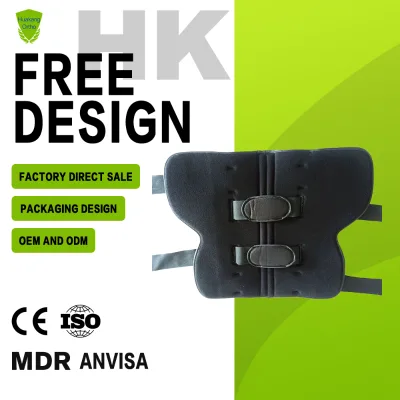
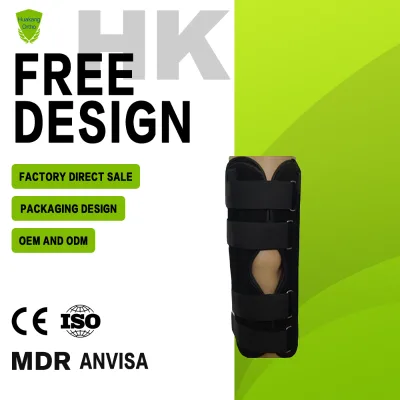
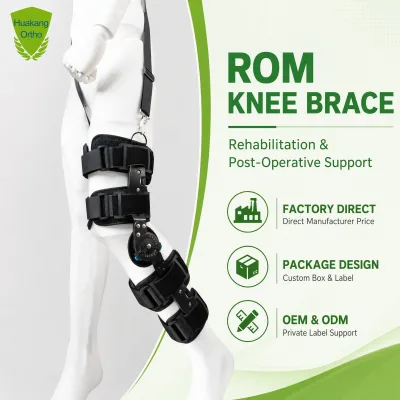
Xiamen Huakang Orthopedic Co., Ltd.
- Verified by TüVRheinland
- Manufacturer, Trading Company
- Lead time45 days
- Avg. response≤ 2h
Main productsOrthopedic Braces
Main marketsNorth America(84%), Western Europe(12%), Africa(2%)
Dongguan Welkong Sports Industrial Co., Ltd.
- Verified by TüVRheinland
- Manufacturer, Trading Company
- Lead time30 days
- Avg. response≤ 3h
Main productsKnee Brace, Back Brace, Lumbar Brace, Elbow Brace, Wrist Brace
Main marketsNorth America(28%), Domestic Market(20%), Mid East(10%)
Anping Huakang Medical Products Factory
- Verified by SGS Group
- Manufacturer, Trading Company
- Lead time35 days
- Avg. response≤ 2h
Main productsWalker brace, Wrist Brace, Knee Brace, Cervical Collar, Thoracolumbar Spine
Main marketsNorth America(70%), Western Europe(20%), South America(10%)

PLANET (ANHUI) INTERNATIONAL CO., LTD.
- Verified by BV
- Combined
- China Jiangsu
- Lead time60 days
- Avg. response≤ 3h
Main productsBandage, First Aid Kits, Band Aid, Wound Dressing, Foot Patch, Knee Brace, Knee Support, Knee Pad, Adhesive Tape, Compression Stocks
Main marketsNorth America

Wenzhou Scico Medical Corporation Co., Ltd
- Verified by BV
- Combined
- China Zhejiang
- Lead time15 days
- Avg. response≤ 4h
Main productsCohesive Bandage, Kinesiology Tape, Elastic Bandage, Sport Tape, Medical Tape, Medical Bandage, Cotton Tape, Adhesive Bandage, Sport Bandage, Knee Brace
Main marketsSoutheast Asia/ Mideast,East Asia(Japan/ South Korea),Europe,Australia,North America

$2.42 - $2.62
MOQ: 1000 Pieces

Custom Logo Best Knee Support Compression Sleeve Knee Brace for Knee Pain
$1.68 - $1.79
MOQ: 1000 Pieces
Yangzhou Changqingshu Sports Goods Co., Ltd.
- Manufacturer, Trading Company
- Jiangsu, China
- Lead time25 days
- Avg. response≤ 6h
Main productsSport supports, Rehabilitation brace
Main marketsNorth America(30.00%), Western Europe(30.00%), South America(10.00%), Eastern Europe(10.00%), Domestic Market(10.00%), Southeast Asia(10.00%)

Hangzhou Kebo Orthopedic Rehabilitation Equipment Co.,Ltd
- Verified by SGS
- Combined
- China Zhejiang
- Lead time30 days
- Avg. response≤ 11h
Main productsSpine Orthosis, Orthosis Accessories, Upper Limb Orthosis, Lower Limbs Orthosis
Main marketsSoutheast Asia/ Mideast,Europe
Shijiazhuang Aofeite Imp & Exp Co., Ltd.
- Manufacturer, Trading Company
- Lead time旺季: "1 - 100":32,"> 100":"To be negotiated", 淡季: "1 - 100":32,"> 100":"To be negotiated"
- Avg. response≤ 2h
Main productsKnee Brace, Lumbar Support Belt
Xiamen Bosegrow Medical Equipment Co., Ltd.
- Verified by SGS Group
- Manufacturer, Trading Company
- Lead time30 days
- Avg. response≤ 2h
Main productsWalker Boot, Rom Knee Brace, Ankle Foot Orthosis, Lumbar Support, Cervical Collar
Main marketsNorth America(30%), South America(20%), Southeast Asia(10%)
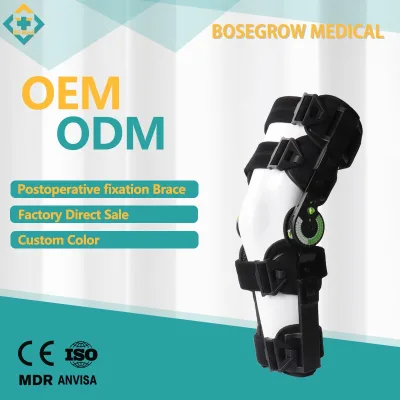
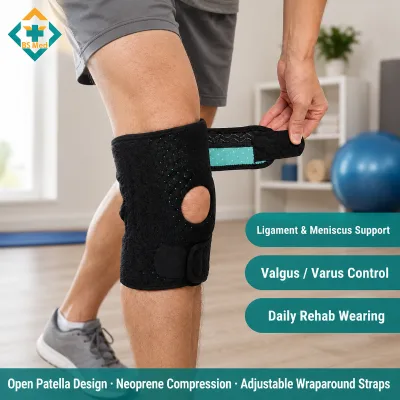
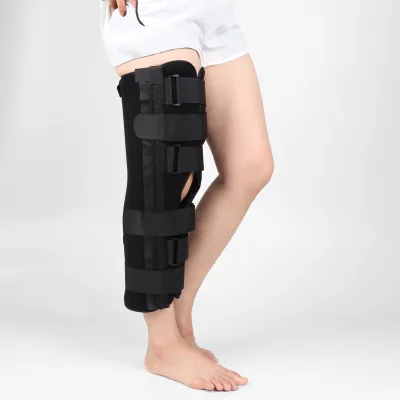
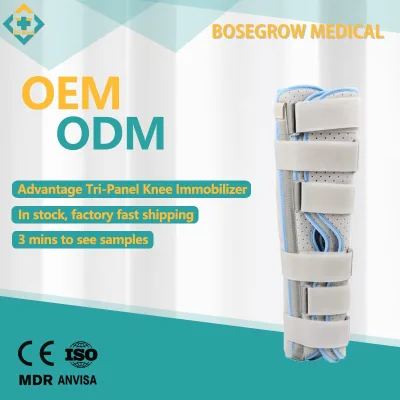
Adjustable Knee Brace CE for Acl Ligament Splint Orthopedic Knee Immobilizer
$10.2057 - $12.2463
MOQ: 10 pieces

Huaian Construction New Material CO., LTD.
- Verified by SGS
- Trading Company
- China Jiangsu
- Lead time15 days
- Avg. response≤ 4h
Main productsOrthopedic Cast Tape, Cast Padding, Elastic Bandage, Ice Cold Pack, Self Adhesive Bandage, Kinesiology Tape, Hot Water Bottle, Petrolatum Tape, Pipe Wrapping Tape, Pipe Repair Tape
Main marketsEurope,North America


Adjustable Knee Brace for Ligament Injury, Meniscus Lesion Rehabilitation and Protection
$7.20 - $7.89
MOQ: 10 Pieces
Henan Huanuo Pharmaceutical Co., Ltd.
- Trading Company
- Henan, China
- Lead time30 days
- Avg. response≤ 3h
Main productsPain Relief Cream Liquid,Pain Relief Patch,Slim Patch,Traditional Chinese Medicine Powder,Mouth nasal&Body patches
Main marketsDomestic Market(85.00%), Mid East(3.00%), North America(3.00%), Africa(3.00%), Eastern Europe(3.00%), South America(2.00%), Eastern Asia(1.00%)

Dongguan Runhong Sports Products Co., Ltd.
- Verified by SGS
- Manufacturer
- China Guangdong
- Lead time15 days
- Avg. response≤ 25h
Main productsLoptop Bag, Cup Covers, Lunch Bag, Wine Bags, Stubby Holders, Cooler Bags, Koozies, Beach Tote Bag
Main marketsSouth America,Southeast Asia/ Mideast,Europe,Australia,North America

Firstar Healthcare Company Limited (Guangzhou)
- Verified by SGS
- Combined
- China Guangdong
- Lead time30 days
- Avg. response≤ 12h
Main productsFirst Aid Kit, First Aid Box
Main marketsSoutheast Asia/ Mideast,Europe,Australia,North America
Beijing Jinwei Kangda Medical Instrument Ltd.
- Verified by TüVRheinland
- Manufacturer, Trading Company
- Lead time20 days
- Avg. response≤ 4h
Main productsOrthopedic Casting Tape, Orthopedic Knee Brace, Orthopedic Lumbar Brace, Walker Boots, Sport Support
Main marketsNorth America(50%), Domestic Market(10%), Mid East(6%)
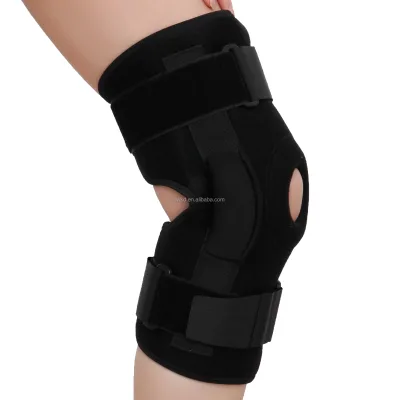
CE ISO Approved Physical Therapy Clinic Manufacturer Functional Knee Leg Brace for ACL MCL PCL
$6.8666 - $7.1733
MOQ: 1 pieces

Ningbo Beiduoen Health Tech. Co., Ltd.
- Verified by CTI
- Combined
- China Zhejiang
- Lead time23 days
- Avg. response≤ 6h
Main productsKnee Support, Ankle Brace, Compression Arthritis Glove, Wrist Support, Waist Belt, Foot Care, Insoles, Toe Separator, Compresson Sock Glove Knee Brace, Copper Supports
Main marketsSouth America,Southeast Asia/ Mideast,Europe,Australia,North America


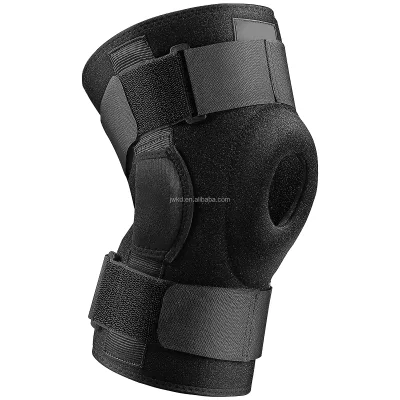
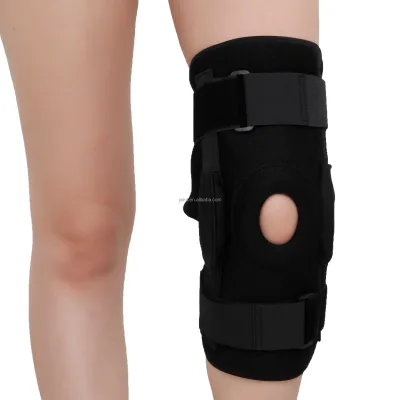
Medical Recovery Lower Body Knee Joint Fixation Support Brace for Leg Health
$7.52 - $8.20
MOQ: 500 Pieces


- Verified by TUVRHEINLAND
- Trading Company,Manufacturer/Factory
- China Guangdong
- Lead time45 days
- Avg. response≤ 10h
Main productsElectric Wheelchair, Manual Wheelchair, Sports Wheelchair, Hospital Bed, Crtuches, Walking Aids, Shower Chair, Trailer Mobility Scooter, Commode Wheelchair, Stretcher
Main marketsSouth America,Eastern Europe,Mid East,North America,Oceania,Western Europe,Africa


Adjustable Knee Support Joint Brace Surgical Fixation Stabilization Fracture Support
$26.00 - $39.00
MOQ: 100 Pieces
Tianjin Chenhai Medical Instrument Co., Ltd.
- Manufacturer, Trading Company
- Tianjin, China
- Lead time20 days
- Avg. response≤ 1h
Main productsBack brace,Walking boot,Ankle brace,Knee brace,Fiberglass Casting tape
Main marketsNorth America(35.00%), South America(20.00%), Western Europe(9.00%), Mid East(5.00%), Northern Europe(5.00%), Africa(5.00%), Eastern Europe(5.00%), Southern Europe(3.00%), Central America(3.00%), Southeast Asia(3.00%), Eastern Asia(3.00%), Oceania(2.00%), Domestic Market(1.00%), South Asia(1.00%)

SHANGHAI TEAMSTAND CORPORATION
- Verified by BV
- Trading Company
- China Shanghai
- Lead time23 days
- Avg. response≤ 2h
Main productsHypodermic Syringe, Blood Collection Set, Infusion Set, Huber Needle, Breathing Circuit, Prefilled Syringe, Catheter and Tube, Hemodialyser, AV Fistula Needle, Biopsy Needle
Main marketsOthers(foreignTradeCapacity.exportBusinessCapacityMarketOther)


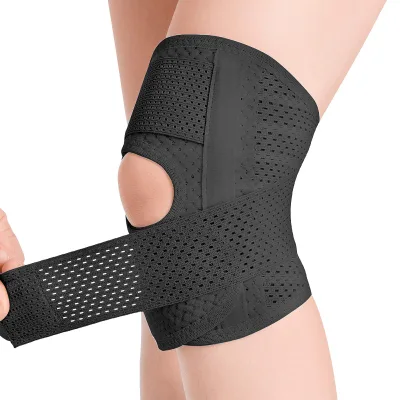
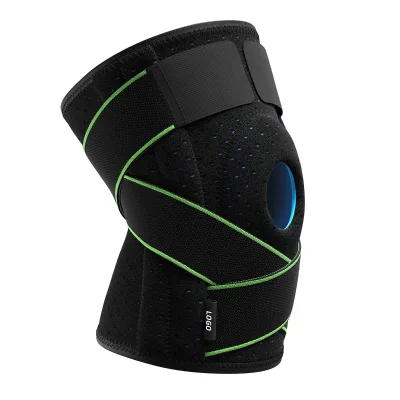
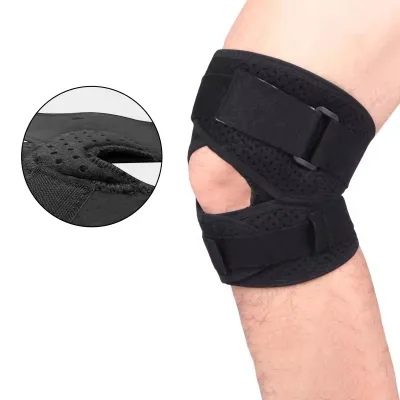


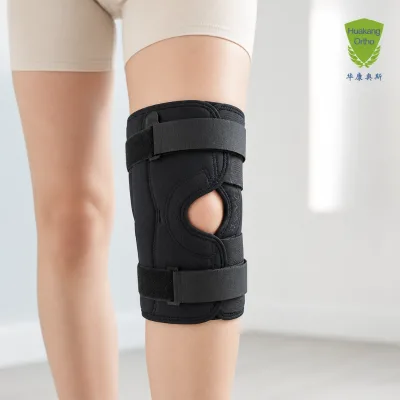








Comprehensive Sourcing Guide
ACL Injury Knee Brace with Stay Supplier Concentration and Factory Types
The landscape for sourcing ACL injury knee braces with stays reveals a distinct mix of manufacturing capabilities and trading structures. Current data indicates that suppliers are primarily categorized as either trading companies or combined manufacturer-trading entities. This distinction is critical for buyers seeking specific production control versus streamlined procurement services. For instance, some suppliers operate strictly as trading companies, leveraging their network to aggregate products from various factories. Others identify as both manufacturers and trading companies, offering direct factory access alongside commercial flexibility. This dual role often allows for greater customization options, such as OEM and ODM services, which are frequently welcomed by buyers looking for branded solutions. The presence of sample processing and graphic processing capabilities further suggests that many suppliers are equipped to handle bespoke design requests, catering to the diverse needs of medical distributors and sports equipment retailers.
Geographic concentration plays a significant role in the availability and cost structure of these braces. Evidence points to specific regions in China, such as Fujian and Hebei, as key hubs for production. Suppliers located in Fujian often produce items with materials like spandex, nylon, and neoprene, focusing on breathable and protective designs. Meanwhile, manufacturers in Hebei appear to specialize in more rigid structures, utilizing materials like aluminum stays and hook-and-loop fasteners for immobilization and stabilization. This regional split suggests that buyers can find specialized suppliers based on the specific type of stay required, whether it is for basic support or post-operative recovery. Understanding these geographic clusters helps in anticipating logistics patterns and potential lead times, as local supply chains for raw materials like neoprene and rubber may vary by province. Buyers should verify the exact place of origin for each product to ensure alignment with their quality and sourcing preferences.
How to Verify ACL Injury Knee Brace with Stay Suppliers
Verification is the cornerstone of mitigating risk when engaging with suppliers for medical-grade or sports-support equipment. Buyers must prioritize suppliers who have undergone third-party verification processes, such as those conducted by TüV Rheinland. This type of verification provides a layer of confidence regarding the supplier’s business legitimacy and operational standards. Beyond basic verification, it is essential to examine the specific product attributes listed in the supplier’s catalog. For example, checking the protection class is vital; some braces offer professional protection suitable for serious injuries, while others provide only basic protection for general sports use. Buyers should also scrutinize the material composition, ensuring that items claiming to be for ACL support contain appropriate structural elements like side stabilizers or aluminum stays, rather than relying solely on elastic fabrics. The presence of detailed product specifications, including model numbers and single package sizes, indicates a higher level of professionalism and transparency in the supplier’s operations.
Another critical aspect of verification involves assessing the supplier’s responsiveness and sample availability. A quick response time, such as three to six days, can indicate an active and engaged sales team, which is crucial for resolving technical queries about brace fit and function. Buyers should also look for suppliers who explicitly state that samples are available. This allows for physical inspection of the product’s quality, including the durability of the stays and the comfort of the padding. Additionally, verifying the business type is important; suppliers claiming to be both manufacturers and exporters may offer better pricing and customization options compared to pure trading companies. However, buyers must ensure that the claimed manufacturing capabilities are genuine by requesting factory audits or video tours if necessary. The availability of trade assurance or specific payment terms like PayPal Trade Assurance TT also serves as a financial safeguard, ensuring that transactions are protected until the goods are received and verified.
What to Compare Across ACL Injury Knee Brace with Stay Suppliers
When evaluating multiple suppliers, buyers should compare key operational metrics to determine the best fit for their business needs. Lead time is a primary differentiator, with some suppliers offering a fifteen-day turnaround while others promise a five-day lead time. This variance can significantly impact inventory management and order fulfillment strategies, especially for urgent medical supplies. Similarly, the minimum order quantity (MOQ) varies, with some suppliers accepting orders as low as one piece, which is ideal for testing the market or fulfilling small boutique orders. In contrast, other suppliers may have higher MOQs, requiring buyers to commit to larger volumes. Response time is another crucial factor; a three-day response time suggests a more agile support structure compared to a six-day response, which could delay critical negotiations or issue resolution. Buyers should also compare the range of main products offered, as suppliers focusing on rehabilitation orthotics may have deeper expertise than those offering a broader range of general sportswear.
Price and customization capabilities are equally important comparison points. The price range for knee braces can vary widely, from as low as $1.80 to over $12.60, depending on the complexity of the design and the materials used. Buyers must align these price points with their target market margins. Furthermore, the ability to customize is a significant value-add. Suppliers that offer customized colors, sizes, and graphic processing allow buyers to create unique product offerings. The availability of different sizes, such as S, M, L, XL, and even XS, ensures that the braces can fit a diverse customer base. Buyers should also compare the specific functions of the braces, such as whether they are designed for breathability, protection, or post-operative immobilization. By systematically comparing these attributes, buyers can identify suppliers that not only meet their price and volume requirements but also align with their brand’s quality and service standards.
Common ACL Injury Knee Brace with Stay Sourcing Risks
One of the primary risks in sourcing knee braces is the misalignment between product claims and actual functionality. Buyers must be cautious of suppliers who market braces as suitable for serious ACL injuries when the product may only offer basic protection. For instance, a brace described as having side stabilizers must be verified to ensure these stays are rigid and effective, rather than merely decorative. Another risk is the inconsistency in material quality. While some products specify high-quality materials like neoprene and spandex, others may use inferior substitutes that do not provide adequate support or durability. This is particularly relevant for braces intended for post-operative use, where failure could lead to further injury. Buyers should request detailed material specifications and, if possible, test samples to verify the integrity of the stays and the elasticity of the fabric. Ignoring these details can result in high return rates and damage to the buyer’s reputation.
Logistical and communication risks also pose significant challenges. Delays in response times can hinder the ability to resolve issues quickly, especially when dealing with custom orders or urgent shipments. Additionally, the lack of clear information about the supplier’s establishment year or long-term stability can make it difficult to assess their reliability. Buyers should be wary of suppliers who do not provide comprehensive product details, such as single gross weight or package dimensions, as this can lead to unexpected shipping costs. Another risk is the potential for counterfeit or non-compliant products, especially if the supplier lacks proper certifications or verification badges. Buyers must ensure that the products meet relevant safety and quality standards for their target market. By proactively identifying and mitigating these risks through thorough due diligence and clear communication, buyers can protect their business from potential losses and operational disruptions.
ACL Injury Knee Brace with Stay Regional Sourcing and Logistics
Sourcing from specific regions in China, such as Fujian and Hebei, offers distinct logistical advantages and challenges. Suppliers in Fujian often produce lighter, more flexible braces made from materials like spandex and nylon, which may have different shipping characteristics compared to the heavier, more rigid braces produced in Hebei. The latter often include aluminum stays and hook-and-loop fasteners, resulting in higher single gross weights, such as 2.0 kg for some packages. This weight difference can significantly impact shipping costs, especially for air freight. Buyers should consider the origin of the product when calculating total landed costs, as regional logistics infrastructure and export capabilities can vary. Additionally, the proximity to major ports and transportation hubs in these regions can affect lead times and reliability. Understanding these regional nuances helps buyers optimize their supply chain and select suppliers that align with their logistical preferences.
Customs and regulatory compliance are also influenced by the region of origin. Different provinces may have varying levels of experience with international trade regulations, which can affect the accuracy of documentation and the smoothness of the export process. Buyers should ensure that their suppliers are familiar with the import requirements of their target market, including labeling, packaging, and safety standards. For example, braces intended for medical use may require specific certifications or declarations that vary by country. Working with suppliers who have a proven track record of exporting to the buyer’s region can mitigate these risks. Additionally, buyers should consider the environmental and social standards of the manufacturing region, as these factors are increasingly important to consumers and regulators. By carefully evaluating the regional sourcing options, buyers can ensure a more efficient and compliant supply chain for their ACL injury knee braces.
ACL Injury Knee Brace with Stay Commercial Terms and Order Planning
Commercial terms and order planning are critical for ensuring a smooth transaction and successful long-term partnership. Buyers should carefully review the payment terms offered by suppliers, such as PayPal Trade Assurance or TT, to ensure they align with their financial policies and risk tolerance. The availability of trade assurance provides an additional layer of security, protecting the buyer’s payment until the goods are received and verified. It is also important to clarify the terms for sample orders, including costs and shipping arrangements, as these can vary significantly between suppliers. For bulk orders, buyers should negotiate clear terms regarding production schedules, quality control inspections, and delivery timelines. Understanding the supplier’s capacity to handle customized orders, such as those requiring specific graphic processing or OEM branding, is essential for planning large-scale productions.
Order planning should also account for the supplier’s lead time and MOQ requirements. Suppliers with shorter lead times, such as five days, may be preferable for urgent orders, while those with longer lead times, such as fifteen days, may require more advanced planning. Buyers should also consider the flexibility of the supplier in handling changes to order quantities or specifications. Clear communication regarding these terms can prevent misunderstandings and delays. Additionally, buyers should establish a process for ongoing quality assurance, including regular inspections and feedback loops. By developing a comprehensive order planning strategy that incorporates these commercial terms, buyers can minimize risks and maximize the efficiency of their sourcing operations. This proactive approach ensures that the supply chain remains resilient and responsive to market demands.
FAQs
What materials are used in hinged knee braces?
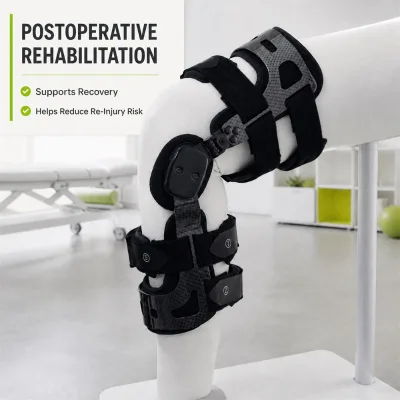
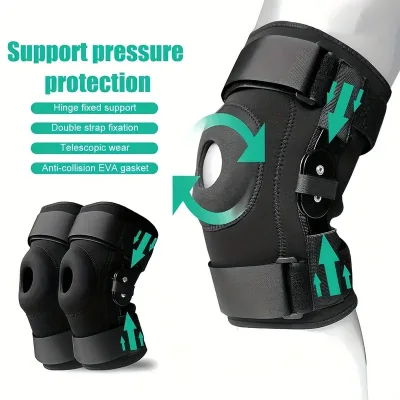
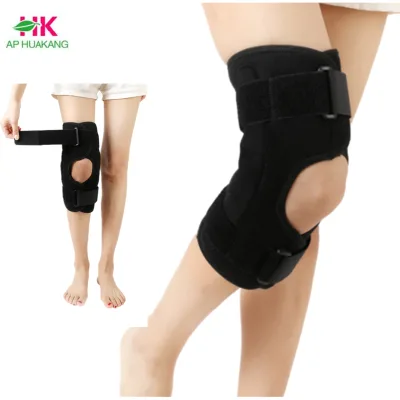
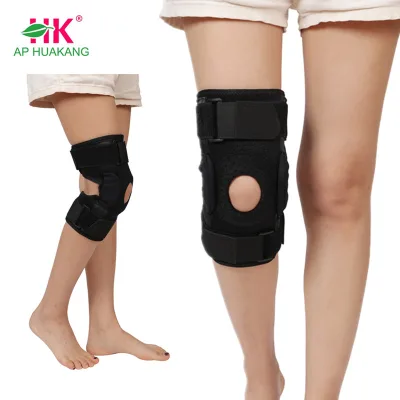
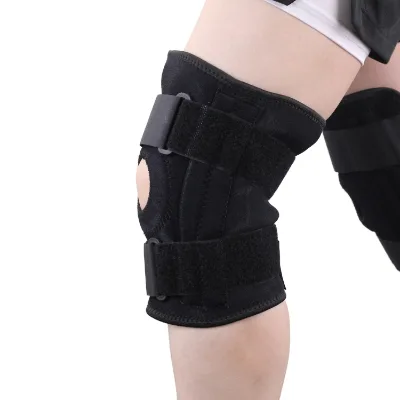
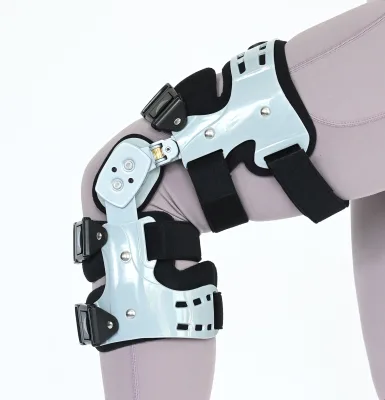
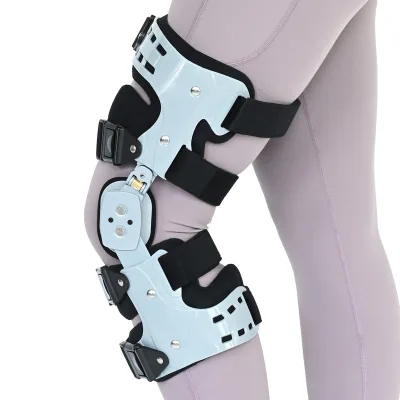
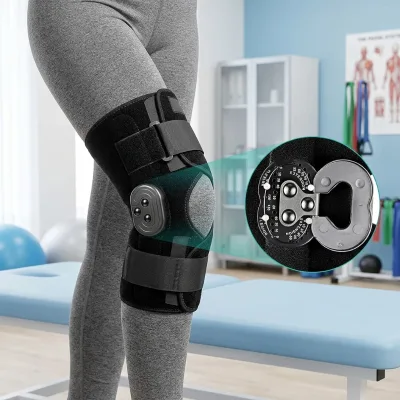
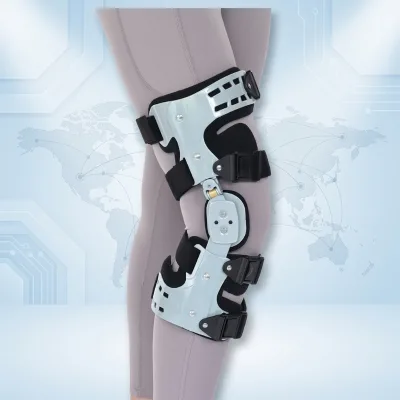
Manufacturers typically use neoprene, spandex, nylon, and aluminum stays for structural support. Some models incorporate chloride butyl rubber and hook-and-loop fasteners for secure adjustment. These materials ensure durability while maintaining breathability and comfort during extended wear for rehabilitation or sports activities.
What is the typical lead time for orders?
Standard lead times generally range from five to fifteen days depending on the supplier and order volume. Some manufacturers offer faster turnaround times for smaller quantities, while others may require additional time for customized designs or bulk production runs to ensure quality control.
Is customization available for knee braces?
Yes, many suppliers offer customization options including logo printing, color selection, and size adjustments. Buyers can request specific materials or packaging designs to meet their brand requirements. Custom orders may have different minimum order quantities and slightly longer production times than standard items.
What is the minimum order quantity for these products?
Minimum order quantities vary significantly among suppliers, with some accepting as few as one piece for samples or small trials. Other manufacturers may require higher volumes for production runs. Buyers should verify specific MOQ requirements with individual suppliers before placing bulk orders to avoid surprises.
Where are these knee braces manufactured?
Most suppliers are located in regions like Fujian and Hebei in China. These areas are known for their manufacturing capabilities in sports protective equipment and medical rehabilitation products. Buyers can verify specific factory locations and production capacities during the supplier evaluation process.
Are payment options like Trade Assurance available?
Many suppliers support secure payment methods including Trade Assurance and PayPal to protect buyer interests. These options ensure funds are released only after order confirmation or delivery. Buyers should always check the specific payment terms offered by each supplier to ensure transaction security.