Adjustable Height Wabi-Sabi Floor Lamp Suppliers and Manufacturers
Explore 25 verified suppliers offering adjustable height wabi sabi floor lamps with ODM and OEM capabilities. Compare response times, lead times, certifications like VDE and RoHS, and pricing ranges to find the right partner. Contact suppliers directly to request samples and discuss customization options.
Suppliers List

Zhong Shan Rima Lighting Co., Ltd.
- Verified by CTI
- Combined
- China Guangdong
- Lead time23 days
- Avg. response≤ 2h
Main marketsSoutheast Asia/ Mideast,Domestic,Europe,North America
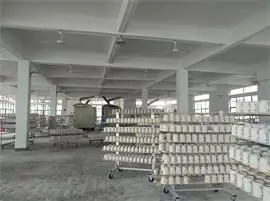
Jingdezhen Suolide Ceramic Co., Ltd.
- Manufacturer, Trading Company
- Jiangxi, China
- Lead time30 days
- Avg. response≤ 2h
Main productsCeramic Vase/Ceramic Jar/Ceramic Table Lamp/Ceramic Stool/Ceramic Floor Vase,ceramic lamp,ceramic dinnerware,ceramic jar
Main marketsDomestic Market(15.0%), Southern Europe(15.0%), Africa(10.0%), Northern Europe(10.0%), South America(10.0%), Central America(6.0%), North America(6.0%), Mid East(5.0%), Oceania(5.0%), Southeast Asia(5.0%), Eastern Europe(5.0%), Western Europe(5.0%), Eastern Asia(3.0%)
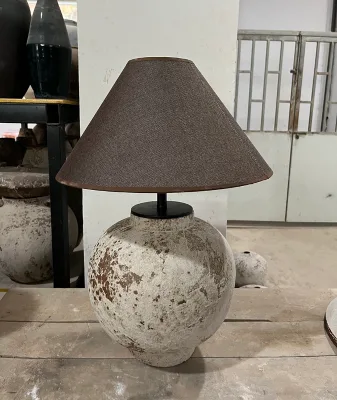
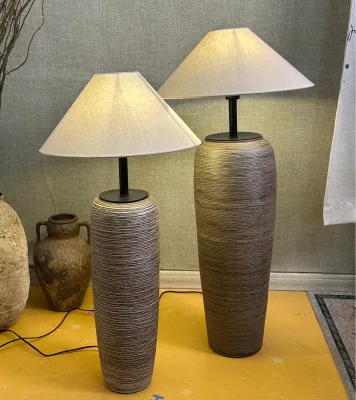
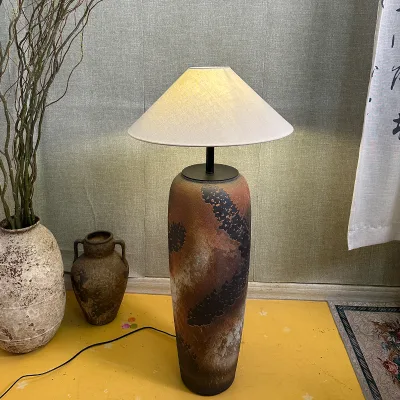
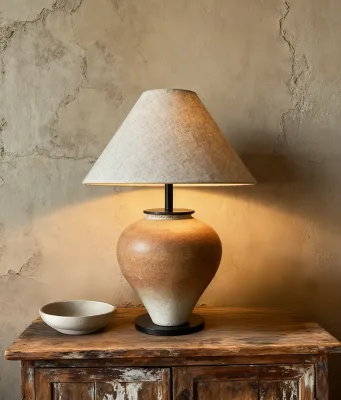
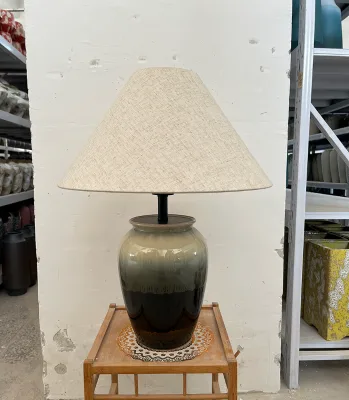
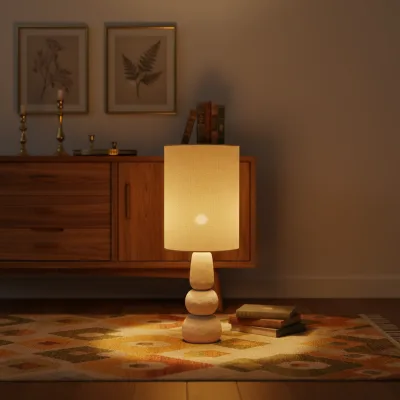
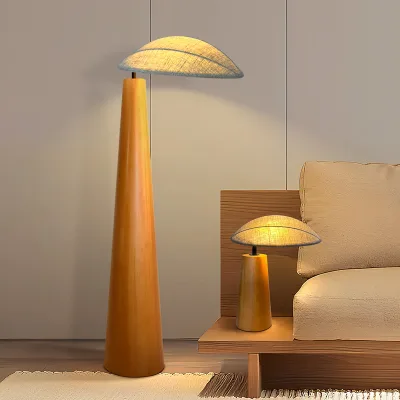
Two sizes wabi sabi stylish ceramic floor lamp with fabric lampshade and EU plug
$78.37 - $87.65
Moq: 2
Shenzhen Aolier Technology Co., Ltd.
- Trading Company
- Guangdong Province, China
- Lead time30 days
- Avg. response≤ 2h
Main productsChandeliers, Crystal Chandelier Pendant Light, Customized Lighting Fixtures, Wall Lamps, Floor Lamp
Main marketsSoutheast Asia(30.0%), Mid East(30.0%), North America(20.0%), Africa(15.0%), South America(15.0%), Domestic Market(10.0%), South Asia(10.0%), Southern Europe(10.0%), Northern Europe(10.0%), Central America(10.0%), Western Europe(10.0%), Eastern Asia(10.0%), Eastern Europe(10.0%), Oceania(10.0%)
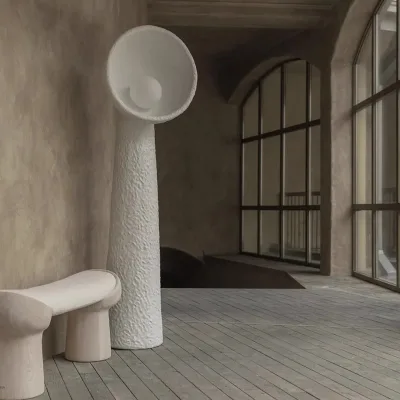
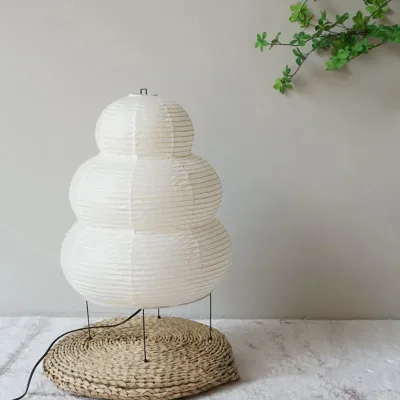
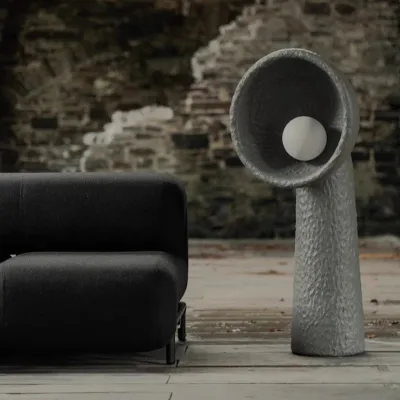
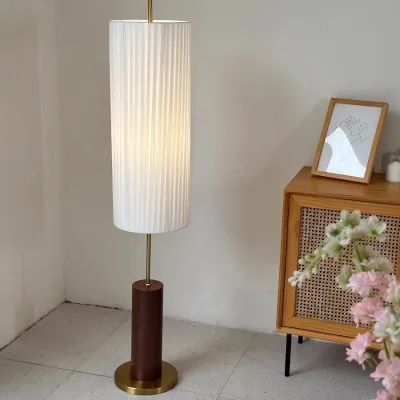
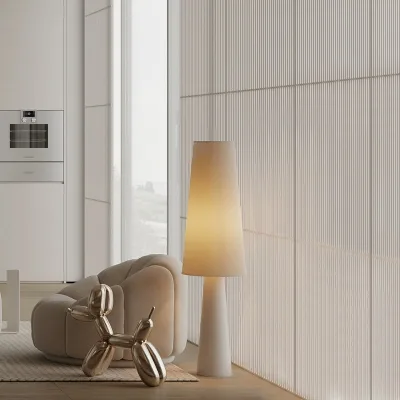
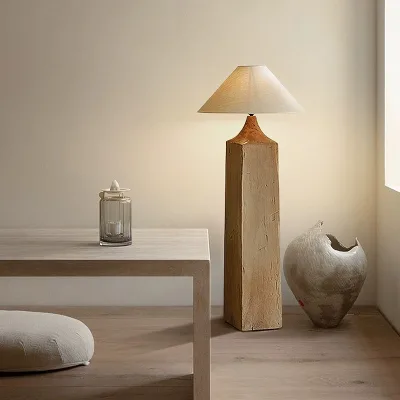
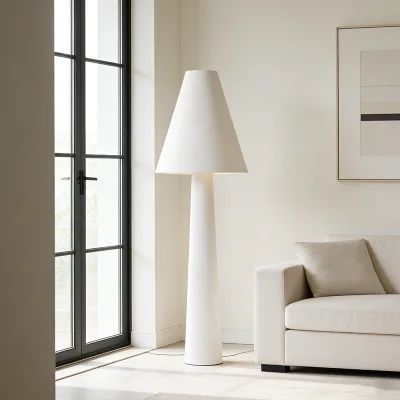
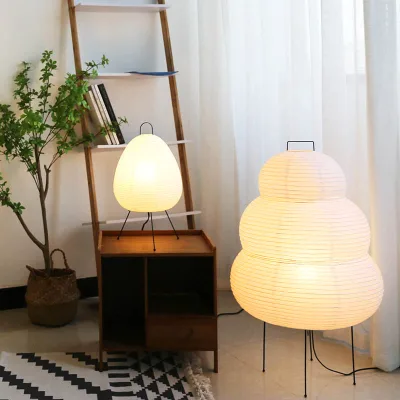
Japanese Wabi-sabi Wind Unique Floor Lamp Bedroom Living Room Atmosphere Floor Lamp
$42.89 - $57.19
Moq: 2
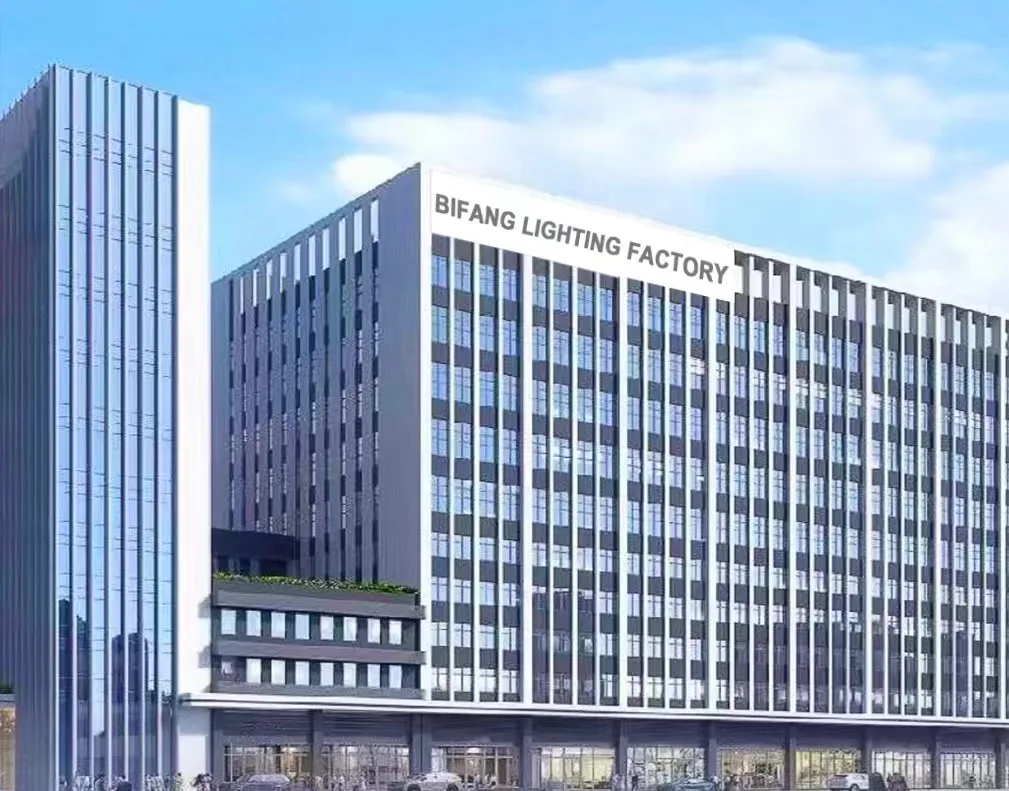
Henan Bifang Lighting Technology Co., Ltd.
- Trading Company
- /henan, China
- Lead time7 days
- Avg. response≤ 3h
Main productstable lamp,floor lamp,Mood lighting,Rechargeable night light,Interior lighting
Main marketsNorthern Europe(25.0%), North America(20.0%), Eastern Asia(15.0%), Eastern Europe(5.0%), Western Europe(5.0%), Southeast Asia(5.0%)
Guangzhou Beacon Peace Home Decor Co., Limited
- Trading Company
- Lead time旺季: "1 - 10":15,"11 - 50":45,"51 - 100":60,"> 100":"To be negotiated", 淡季: "1 - 10":15,"11 - 50":45,"51 - 100":60,"> 100":"To be negotiated"
- Avg. response≤ 4h
Main productsChandelier, Table Lamps, Floor Lamps, Wall Lamps, Ceiling Lamps
Chaozhou Fengxi Jinming Ceramic Lamps Factory
- Verified by Intertek
- Manufacturer, Trading Company
- Lead time55 days
- Avg. response≤ 5h
Main productsTable Lamp, Vase, Decoration Item, Candle Holder, Ceiling Lamp
Main marketsWestern Europe(65%), North America(15%), Mid East(10%)
Zhongshan Guzhen Ganyi Lighting Factory
- Manufacturer, Trading Company
- GuangDong, China
- Lead time0 days
- Avg. response≤ 4h
Main productsrattan lamp,hemp rope lamp,wooden lamp,bamboo lamp,fabric lamp
Main marketsSouth America(15.0%), North America(15.0%), Eastern Europe(14.000000000000002%), Western Europe(13.0%), Northern Europe(12.0%), Southern Europe(11.0%), Southeast Asia(8.0%), Domestic Market(7.000000000000001%), Mid East(5.0%)

Zhongshan Ocean Smart Lighting Co., Ltd
- Verified by BV
- Combined
- China Guangdong
- Lead time15 days
- Avg. response≤ 4h
Main productsChandelier, Crystal Chandelier, Pendant Light, Table Light, Floor Lamp, Ceiling Light, Wall Light, Lighting, Hotel Lighting, Energy-Saving Lamp
Main marketsSouth America,Africa,Others(foreignTradeCapacity.exportBusinessCapacityMarketOther),Southeast Asia/ Mideast,Europe,Australia,North America


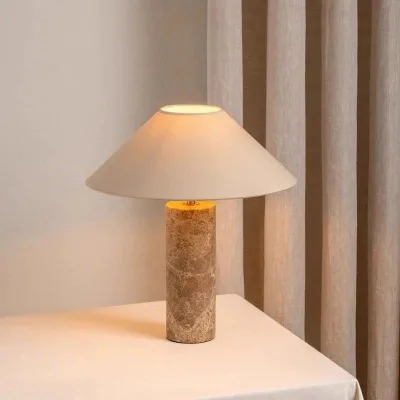
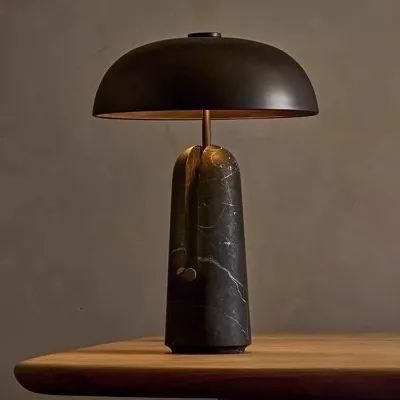
Elegant Wabi Sabi Restaurant Indoor Decor Natural Stone Lighting Marble Table Lamp
$25.99 - $79.99
Moq: 5


Huizhou Homelighting Technology Co., Ltd.
- Verified by BV
- Trading Company,Manufacturer/Factory
- China Guangdong
- Lead time0 days
- Avg. response≤ 8h
Main productsTable Lamp, Wall Lamp, Floor Lamp, Hotel Lamp, Tiffany Lamp, Lampshade, Chandelier Lamp
Main marketsSouth America,Eastern Europe,Mid East,North America,Southeast Asia,Eastern Asia,Oceania,Western Europe,Africa
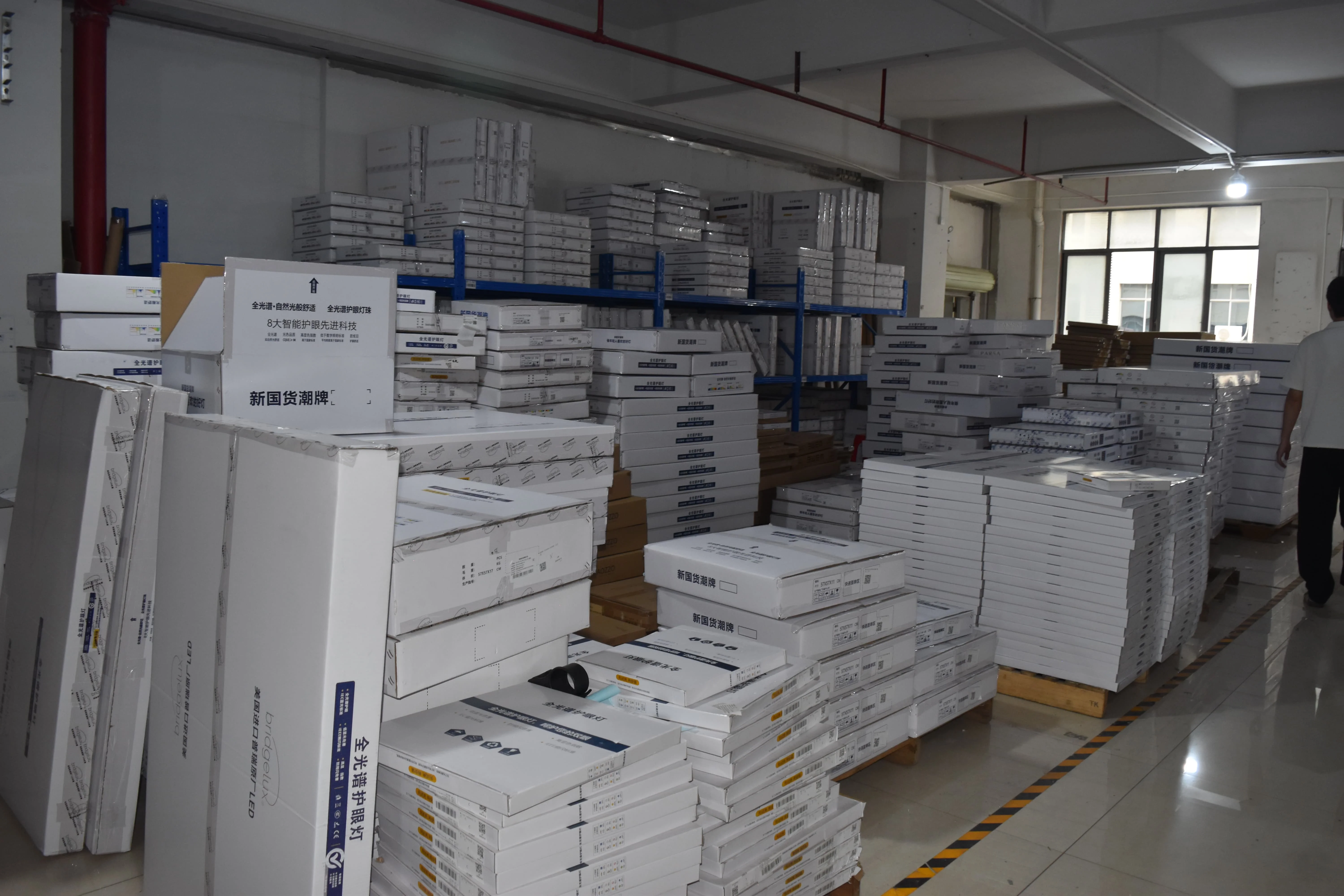
Hefei Bahe Import Export Co., Ltd.
- Manufacturer
- Anhui, China
- Lead time7 days
- Avg. response≤ 2h
Main productsChandeliers & Pendant Lights,Floor Lamps,Wall Lamps,Table Lamps,LED Ceiling Fans
Main marketsNorth America(60.0%), Western Europe(15.0%), Mid East(5.0%), Oceania(5.0%), Eastern Europe(5.0%), Southern Europe(3.0%), Northern Europe(3.0%), South America(3.0%), Domestic Market(1.0%)
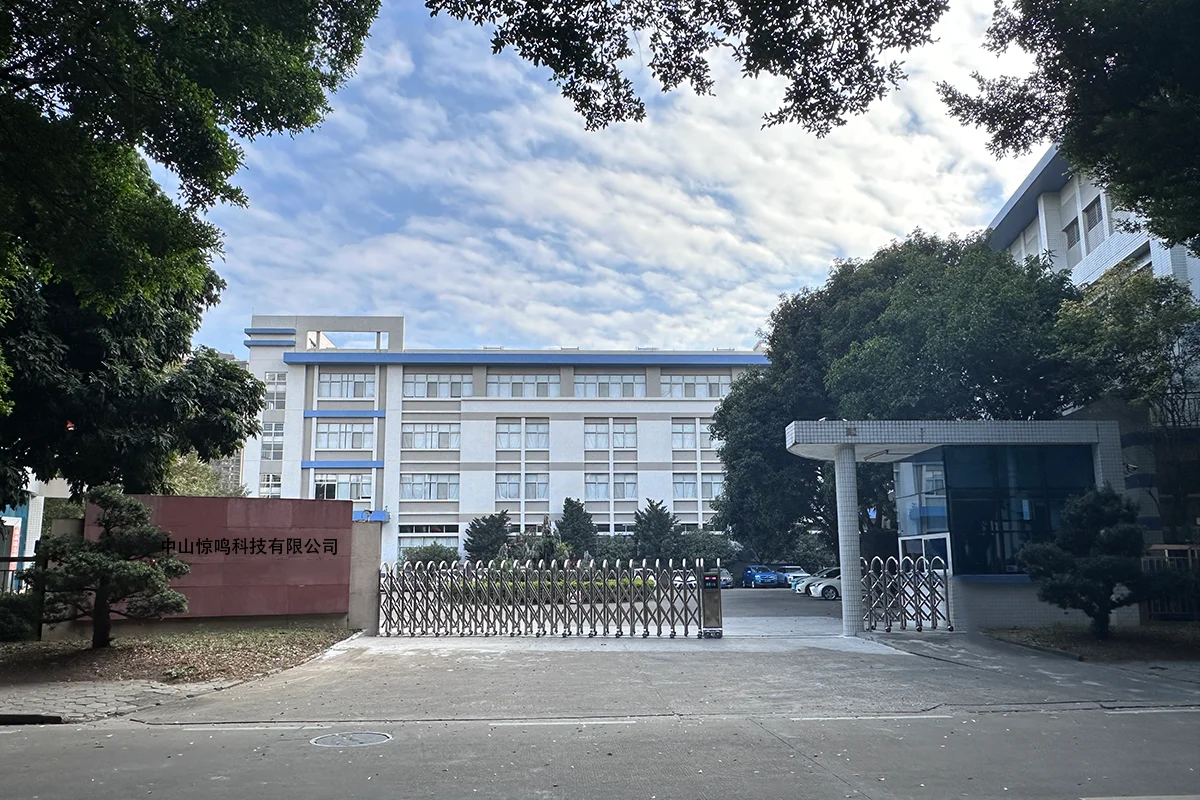
Zhongshan Jingming Technology Co., Ltd.
- Manufacturer, Trading Company
- Guangdong, China
- Lead time20 days
- Avg. response≤ 1h
Main productschandelier,wall lamp,table lamp,floor lamp,ceiling lamp
Main marketsNorth America(20.0%), Mid East(20.0%), South America(10.0%), Southeast Asia(10.0%), Eastern Europe(5.0%), Africa(5.0%), Oceania(5.0%), Western Europe(5.0%), Northern Europe(5.0%), Southern Europe(5.0%), South Asia(5.0%), Domestic Market(5.0%)
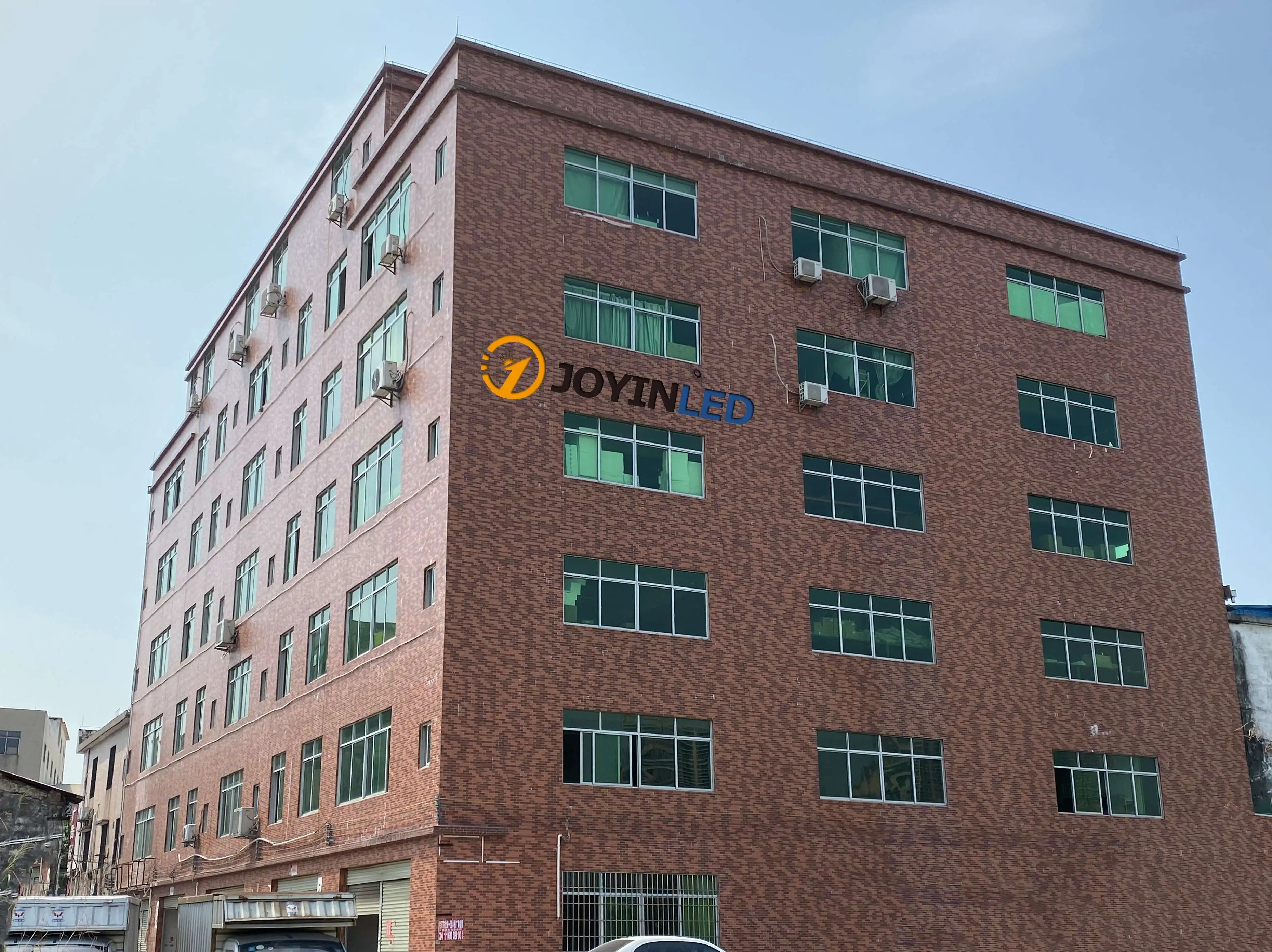
Shenzhen Joyinled Technology Co., Ltd.
- Manufacturer, Trading Company
- Guangdong, China
- Lead time25 days
- Avg. response≤ 7h
Main productsPendant Hanging Lamp, LED Lamp Fitting, LED Downlight, LED Wall Washer, LED Ceiling Lamp
Main marketsWestern Europe(30.0%), Northern Europe(20.0%), Southern Europe(15.0%), Southeast Asia(10.0%), North America(8.0%), Eastern Europe(5.0%), Domestic Market(5.0%), South America(3.0%), South Asia(2.0%), Mid East(2.0%)
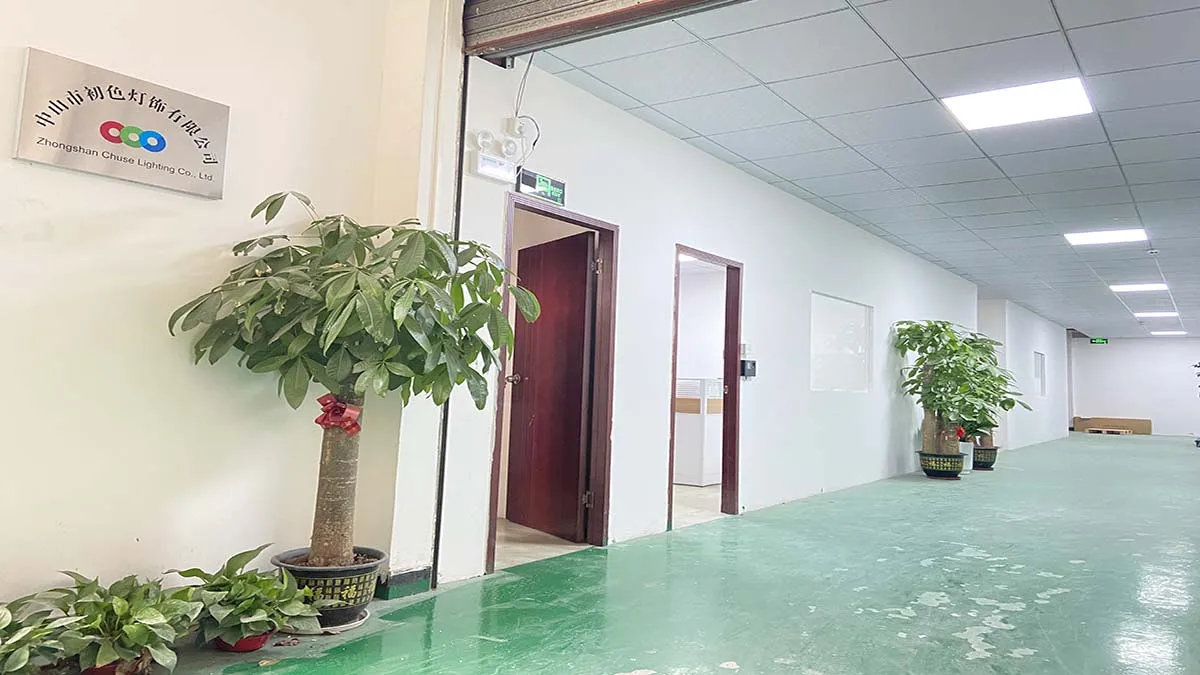
Zhongshan Chuse Lighting Co., Ltd.
- Manufacturer
- Guangdong, China
- Lead time7 days
- Avg. response≤ 3h
Main productsFloor Lamp, Wall Lamp, Table Lamp
Main marketsNorth America(40.0%), Eastern Asia(30.0%), Southern Europe(10.0%), Northern Europe(10.0%), Oceania(5.0%), South Asia(3.0%), Southeast Asia(2.0%)

SHANGLI LIGHTING CRAFTS CO.,LTD
- Verified by BV
- Manufacturer/Factory
- China Guangdong
- Lead time30 days
- Avg. response≤ 11h
Main productsPortable Table and Floor Lamp, LED Lamp, Hotel Lamp, Chandelier Lamp, Pendant Lamp, Ceiling Lamp, Wall Lamp, Lampshade, Accessory, Mirror
Main marketsSouth America,Eastern Europe,Mid East,North America,Southeast Asia,Eastern Asia,Oceania,Western Europe,Africa
Foshan Green Lighting Co., Ltd.
- Verified by TüVRheinland
- Trading Company
- Lead time0 days
- Avg. response≤ 1h
Main productsChandeliers, Table Lamps, Wall Lamps, Floor Lamps, Ceiling Lamps
Main marketsSouth Asia(40%), North America(20%), Oceania(20%)
- Trading Company
- Guangdong, China
- Lead time0 days
- Avg. response≤ 5h
Main productsPendant light,Table light,Floor light,Wall light,Ceiling light
Main marketsNorth America(25.0%), Northern Europe(15.0%), Western Europe(15.0%), Domestic Market(10.0%), South America(10.0%), Eastern Europe(7.000000000000001%), Mid East(5.0%), Central America(5.0%), Southern Europe(3.0%), Africa(2.0%), Oceania(2.0%), Southeast Asia(1.0%)

How Bright Electronics Limited
- Trading Company
- China Guangdong
- Lead time23 days
- Avg. response≤ 4h
Main productsWall Lamp, Ceiling Lamp, Pendant Lamp, Spot Light, Down Light, Track Light
Main marketsSouth America,Africa,Southeast Asia/ Mideast,East Asia(Japan/ South Korea),Europe,Australia,North America
Zhongshan Chenyuan Lighting Technology Co., Ltd.
- Manufacturer, Trading Company
- Guangdong, China
- Lead time10 days
- Avg. response≤ 5h
Main productswall light,chandelier,pendant lamp,ceiling light,spot light
Main marketsEastern Europe(20.0%), Northern Europe(15.0%), Mid East(15.0%), Southeast Asia(15.0%), North America(15.0%), Southern Europe(10.0%), Eastern Asia(8.0%), Western Europe(2.0%)

Zhongshan City Zhi Yi Lighting Co., Ltd
- Verified by BV
- Combined
- China Guangdong
- Lead time23 days
- Avg. response≤ 2h
Main productsLighting, Chandelier, Pendant Light Pendant Lamp, Ceiling Light Ceiling Lamp, Table Lamp Desk Light, Floor Lamp Floor Light, LED Light LED Lighting, Wall Lamp Wall Light, Downlight, Crystal Chandelier
Main marketsAfrica,Southeast Asia/ Mideast,Domestic,North America


New Products Wabi-Sabi Style LED-Light Pendant Lamp for Living Room Bedroom (Cj027)
$44.00 - $73.00
Moq: 2


Ganzhou Badu Technology Co., Ltd.
- Verified by TüVRheinland
- Manufacturer, Trading Company
- Lead time30 days
- Avg. response≤ 2h
Main productsCeiling Lights, Wall Lamps, Floor Lamps, Chandeliers & Pendant Lights, Outdoor Lighting
Main marketsNorth America(17%), Africa(15%), Southeast Asia(12%)
Shenzhen Hard Lighting Technology Co., Ltd.
- Manufacturer
- Guangdong, China
- Lead time15 days
- Avg. response≤ 3h
Main productsMagnetic Track Light,LED Track Light
Main marketsNorth America(40.0%), Western Europe(30.0%), Domestic Market(20.0%), Eastern Europe(10.0%)
Zhongshan Dengnilai Lighting Co., Ltd.
- Trading Company
- Guangdong, China
- Lead time10 days
- Avg. response≤ 1h
Main productsChandelier,wall lamp,table lamp,ceiling lamp,floor lamp
Main marketsNorth America(33.0%), Oceania(31.0%), Western Europe(25.0%), South America(1.5%), Southeast Asia(1.0%), South Asia(1.0%), Eastern Europe(1.0%), Southern Europe(1.0%), Northern Europe(1.0%), Central America(1.0%), Eastern Asia(1.0%), Mid East(1.0%), Africa(1.0%), Domestic Market(0.5%)
Guangzhou Xinhongrui Technology Co., Ltd.
- Manufacturer, Agent, Distributor/Wholesaler
- Guangdong, China
- Lead time0 days
- Avg. response≤ 4h
Main productsChandelier,Ceiling Light,Wall Lamp,Table Lamp,Floor Lamp
Main marketsNorth America(35.0%), South America(20.0%), Eastern Europe(15.0%), Domestic Market(8.0%), Southeast Asia(8.0%), Mid East(5.0%), Eastern Asia(3.0%), Oceania(3.0%), Africa(2.0%), Western Europe(1.0%)

Zhongshan Tpstarlite Lighting CO., LTD.
- Verified by TUVRHEINLAND
- Combined
- China Guangdong
- Lead time30 days
- Avg. response≤ 5h
Main productsChandelier Lamp, Modern Lamp, Crystal Lamp, Pendant Lamp, Wall Lamp, Ceiling Lamp, Mirror Lamp, Floor Lamp & Table Lamp, Crystal Chandelier Light, Lighting
Main marketsOthers(foreignTradeCapacity.exportBusinessCapacityMarketOther),Southeast Asia/ Mideast
Zhongshan Sanliang Lighting Co., Ltd.
- Verified by SGS Group
- Manufacturer, Trading Company
- Lead time35 days
Main productsPendant Light, Ceiling Lamp, Table Lamp, Floor Lamp, Wall Lamp
Main marketsNorth America(50%), South America(10%), Eastern Europe(5%)


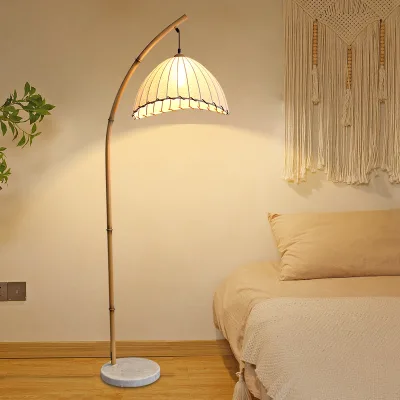
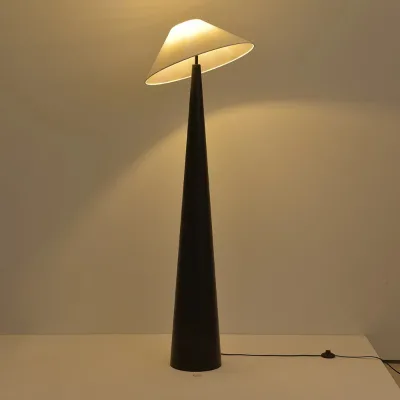
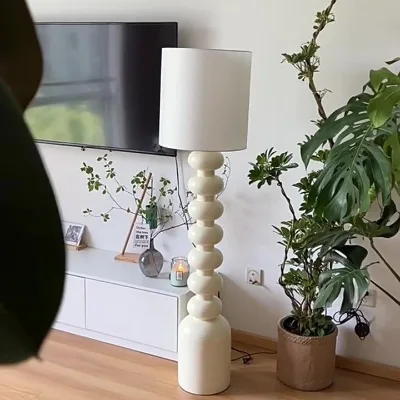
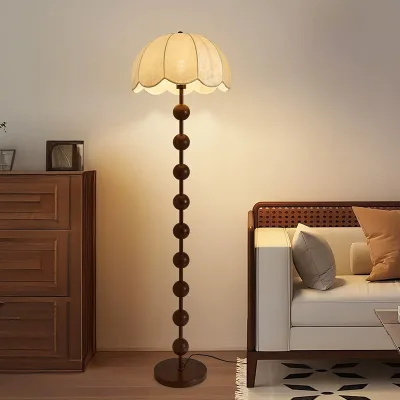
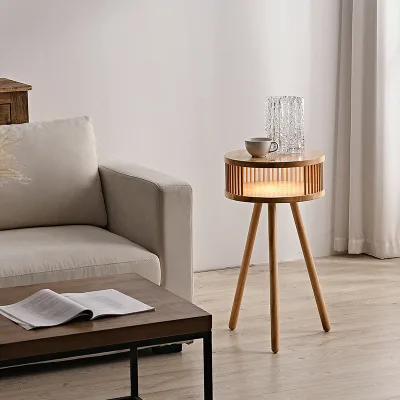
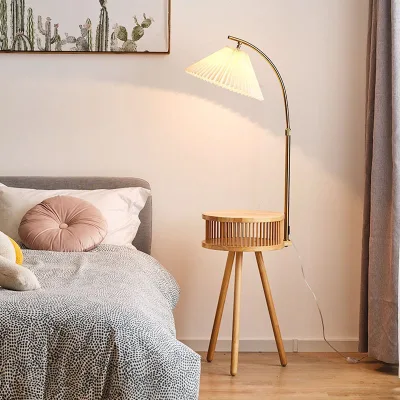
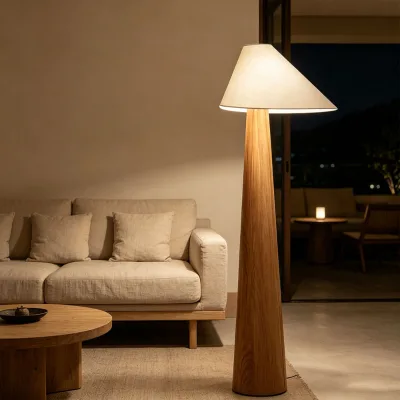
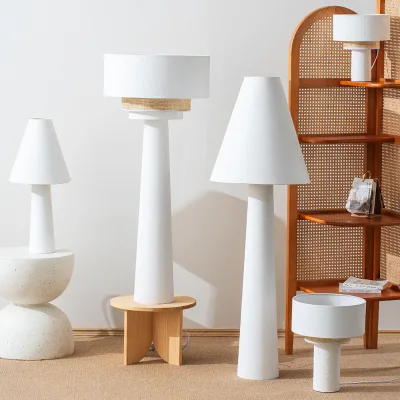
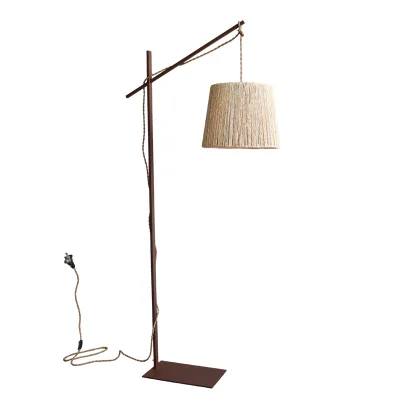
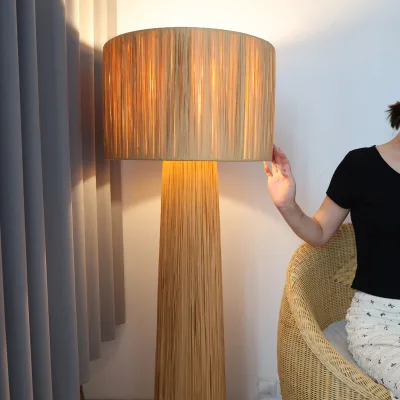


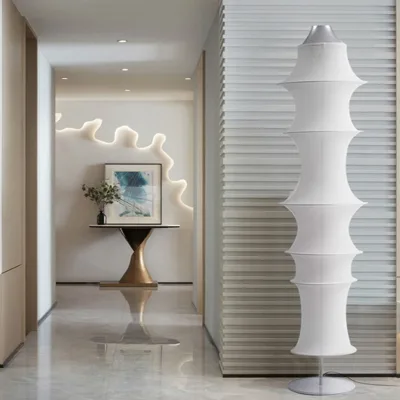
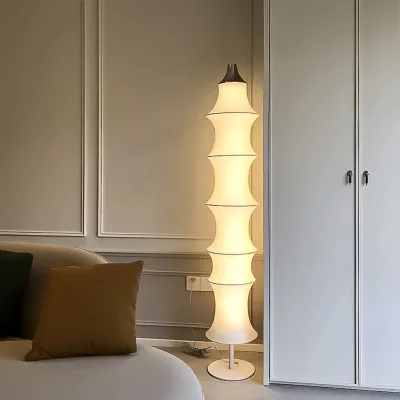
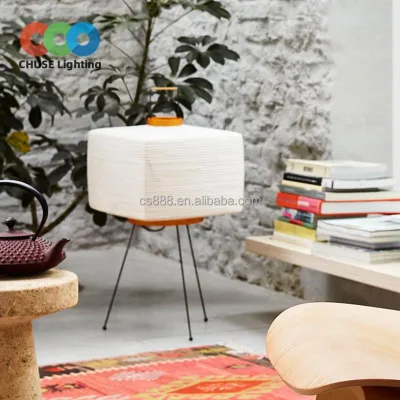
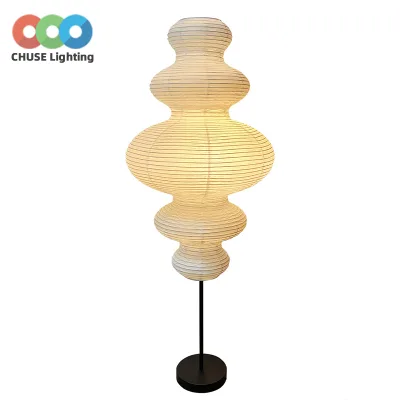


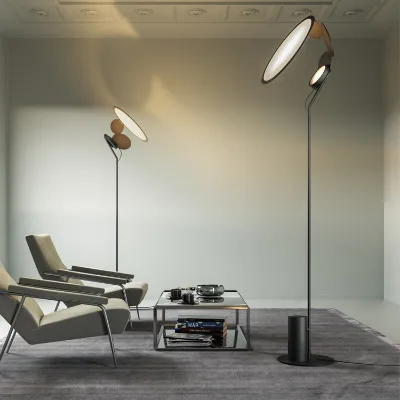
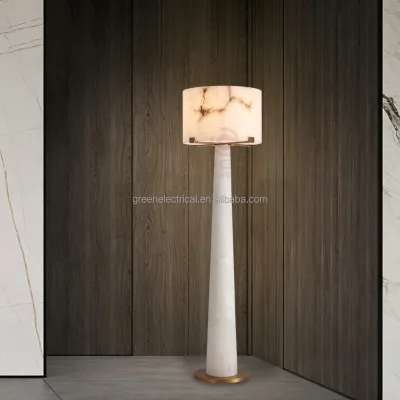
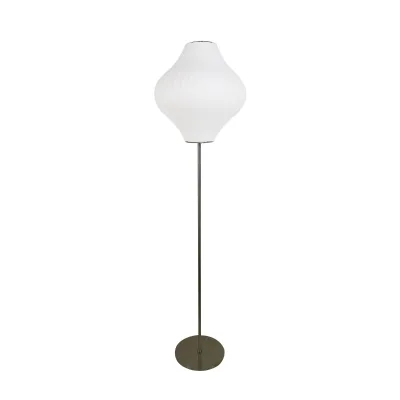
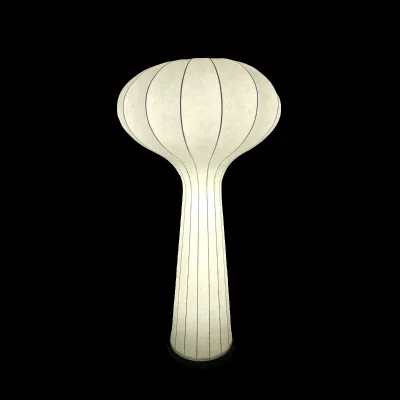


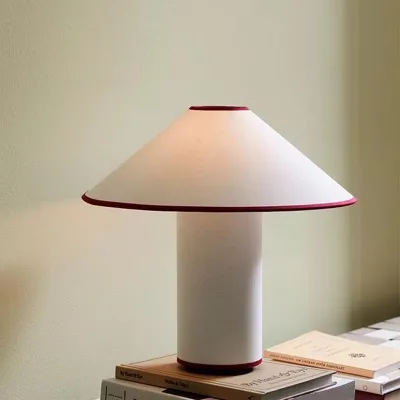
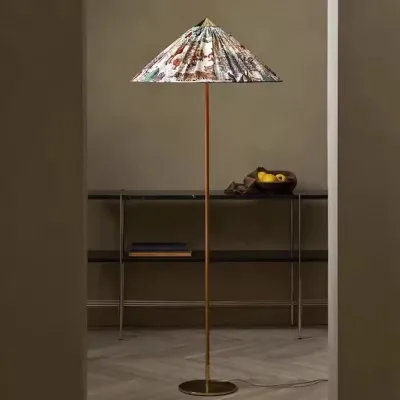
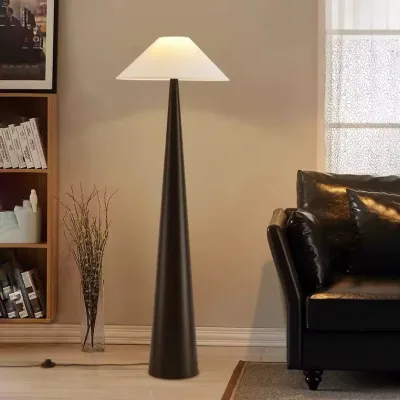
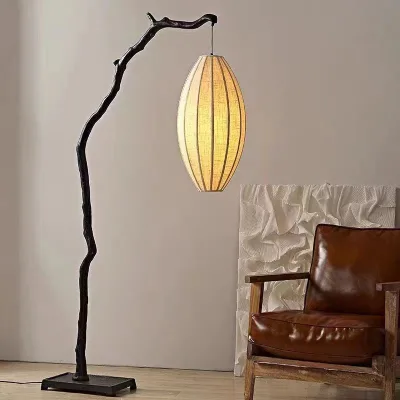
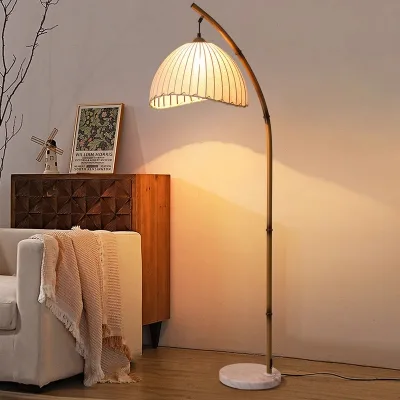
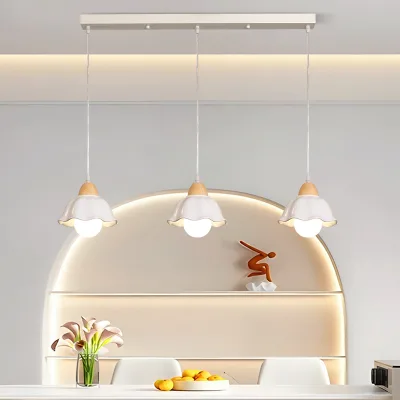
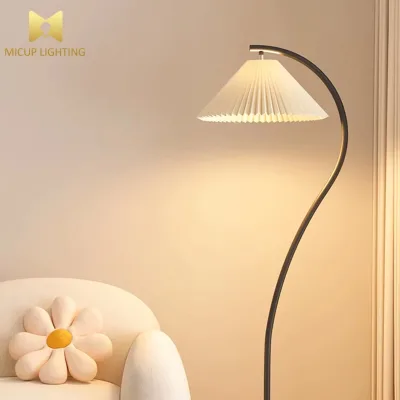
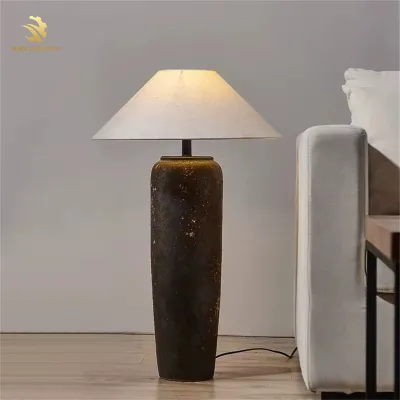
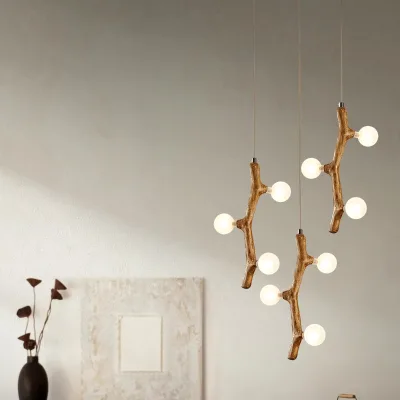


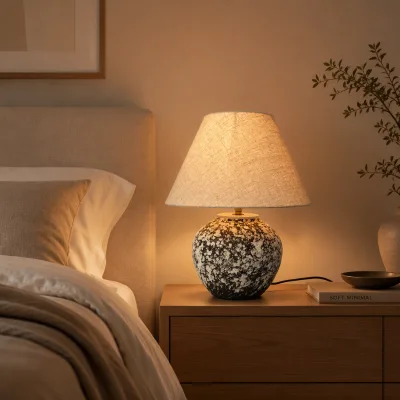
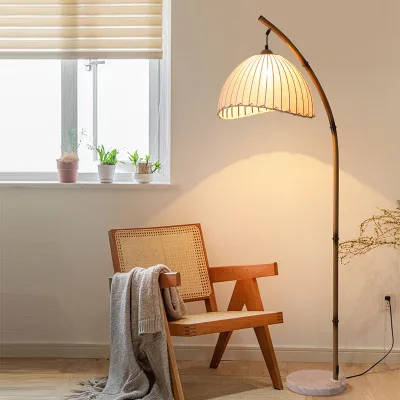
Comprehensive Sourcing Guide
Adjustable Height Wabi-Sabi Floor Lamp Supplier Concentration and Factory Types
When sourcing an Adjustable Height Wabi-Sabi Floor Lamp, understanding where suppliers cluster and what kinds of companies sell in this category helps you shortlist efficiently. The results on this page point to Guangdong, China as a documented supplier location, which is consistent with the broader lighting supply base in that province. A second documented location is Jiangxi, China, where at least one supplier lists ceramic-focused main products including ceramic vases, ceramic jars, ceramic table lamps, ceramic stools, and ceramic floor vases. Because wabi sabi designs often rely on textured, handmade-looking materials such as porcelain or ceramic shades, a ceramic manufacturer can be a relevant source even when its catalog is broader than floor lamps alone. Beyond these documented locations, do not assume concentration; verify where a prospective partner actually produces.
Supplier types in this category vary meaningfully. The results show at least one combined company type, and one supplier identified as both a manufacturer and trading company. This distinction matters: a manufacturer may offer deeper control over ceramic or metal fabrication, while a trading company may consolidate floor lamps, wall lamps, and pendant lights from multiple workshops. Many lighting suppliers also advertise ODM and OEM capacity, which is relevant if you want custom heights, finishes, or shade shapes. Map each candidate against type, documented location, and product evidence before requesting quotes.
How to Verify Adjustable Height Wabi-Sabi Floor Lamp Suppliers
Verification begins with confirming the claims a supplier profile makes. Some suppliers on this page carry a third-party verification badge, and at least one is marked as verified by CTI. Treat verification as a starting signal rather than proof of production capability: it typically reflects a business-identity or site check, not an audit of adjustable-height mechanisms or ceramic firing quality. Ask each candidate for its business license, its factory address, and whether the listed location — for example Guangdong or Jiangxi where results document suppliers — matches the actual production site. Trading companies often list one province while manufacturing happens elsewhere, so request photographs, a live video walk-through, or a third-party inspection booking before committing.
Product-level verification matters just as much. The floor lamp listings here document certifications such as VDE, RoHS, and CE, and wall lamp listings also show CCC, but a certification printed in a listing is not evidence for your specific unit. Request the actual certificate documents, check the certificate numbers against the issuing bodies, and confirm the certified scope covers your product variant. Where the mechanism is adjustable, ask how the height adjustment is engineered and whether it has been tested for cycle life and load. For samples, order the exact specification you intend to sell, including the shade material and finish, then inspect welds, joints, cord quality, and stability on your own side before scaling an order.
What to Compare Across Adjustable Height Wabi-Sabi Floor Lamp Suppliers
Build a comparison sheet from the attributes suppliers actually display, without assuming every supplier publishes every field. On this page, response times range from about one hour to two hours for documented suppliers, which gives a rough signal of communication speed — a useful early indicator of how order issues will be handled later. Lead times differ too: documented figures include roughly 23 days for one supplier and 30 days for another. Treat these as quoted baselines for standard orders and reconfirm in writing for your specifications, since custom finishes or shade materials often extend production. Location is another axis; a Guangdong-based lighting supplier and a Jiangxi-based ceramic manufacturer will differ in shipping proximity to ports and material sources.
Compare product evidence side by side. One floor lamp listing on this page shows a price band from the low tens to eighty dollars per unit with a minimum order quantity of ten pieces, while a ceramic wabi sabi lamp listing shows a two-piece MOQ — a significant difference if you are testing the market. Company type also belongs on the sheet: combined, manufacturer-plus-trading, and pure trading structures carry different quality-control implications. Where a supplier advertises ODM or OEM capability, ask for evidence of past custom projects. Note which fields are missing for each candidate and request them explicitly rather than penalizing a supplier for an incomplete profile.
Common Adjustable Height Wabi-Sabi Floor Lamp Sourcing Risks
The most common risk in this category is a mismatch between listing images and the delivered product. Wabi sabi aesthetics depend on organic texture, imperfect glazes, and muted finishes, which are difficult to judge from photographs. A supplier whose evidence shows customizable specifications, as one floor lamp listing here does, may produce each batch slightly differently unless you lock a physical golden sample. Another risk is the height-adjustment mechanism itself: suppliers experienced with fixed-height floor lamps may source the telescopic or weighted mechanism from a subcontractor, introducing an untested component. Ask directly who makes the mechanism and request cycle testing data or conduct your own.
Compliance risk follows closely. Listings here document certifications including VDE, RoHS, CE, and CCC across floor and wall lamp products, but the applicable set depends on your destination market and your exact electrical configuration, including voltage. One documented floor lamp is rated at 220V while a wall lamp shows an input range of 85-165V, illustrating how electrical specs vary even within one supplier's catalog — never assume a lamp sold for one market is wired for another. Also watch packing risk: one listing specifies standard export packing and another five-layer cartons, and flimsy packing is a frequent cause of transit damage for ceramic and plaster-look shades. Finally, very low MOQs can tempt buyers to skip sampling; resist that shortcut.
Adjustable Height Wabi-Sabi Floor Lamp Regional Sourcing and Logistics
Regional considerations should start from documented facts. This page's results locate suppliers in Guangdong, China, a province long associated with lighting manufacturing, and in Jiangxi, China, where a documented supplier's main products center on ceramics such as vases, jars, table lamps, and ceramic stools. If your lamp uses a porcelain or ceramic shade with an adjustable metal stem, a Jiangxi ceramic specialist and a Guangdong lighting assembler may both be involved in the real supply chain, even if you contract with only one. Ask each candidate where the shade and the metal components are produced, and whether subcomponents are outsourced to a second province.
Logistically, confirm the nearest export port to the documented production location and how that affects inland freight cost and lead time. One supplier here quotes roughly a 23-day lead time and another 30 days; add inland transport, booking delays, and inspection time when you build your schedule, especially before peak shipping seasons. Packing choices documented in the listings — standard export packing for one floor lamp and five-layer cartons for a ceramic lamp — directly affect container utilization and breakage rates, so request carton dimensions and drop-test practices. For samples, air freight is usually worth the cost to shorten feedback loops. Finally, confirm who handles export documentation and whether the supplier has shipped floor lamps, with their length and fragility, to your region before.
Adjustable Height Wabi-Sabi Floor Lamp Commercial Terms and Order Planning
Commercial planning should anchor on the numbers suppliers actually publish, then be confirmed contractually. On this page, a documented floor lamp listing spans a price range from ten to eighty dollars per unit — a wide band that likely reflects specification tiers, so define your exact configuration before asking for a firm quote. Documented MOQs also vary sharply: ten pieces for one floor lamp listing versus two pieces for a ceramic wabi sabi lamp. A low MOQ suits market testing but usually raises unit cost; plan a first order at the supplier's stated minimum, reserve volume for a reorder once quality is proven, and avoid negotiating an unusually low trial quantity that the factory may deprioritize.
Payment and risk-management terms deserve explicit attention. Do not assume escrow or platform protection applies to any given transaction; instead, confirm with your chosen channel what protection exists, what it covers, and when funds are released, and consider a staged payment such as a deposit with balance after inspection. One documented pendant light listing carries a three-year warranty — evidence that lighting suppliers in this space do make warranty commitments, so negotiate warranty scope for your floor lamp, including the adjustment mechanism and electrical parts, in writing. Finally, tie the schedule to the documented lead times of roughly 23 to 30 days, add your own buffer for inspection and shipping, and record every agreed specification, packing standard, and certification requirement in the purchase contract before paying any deposit.
FAQs
What certifications do these floor lamps hold?
The available floor lamps carry VDE, RoHS, and CE certifications. These marks confirm compliance with international safety and environmental standards. Buyers should verify specific test reports for their target market. Custom specifications are available for large orders. Ensure the supplier provides updated documentation before finalizing the purchase agreement.
What is the minimum order quantity for these lamps?
Minimum order quantities vary by supplier and product type. Some suppliers require a minimum of ten units for standard floor lamps. Others may accept orders as low as two pieces for specific ceramic or pendant styles. Buyers must check the specific product page for the exact MOQ. Bulk discounts often apply when exceeding the initial minimum threshold.
How long does production take for these items?
Production lead times typically range from twenty-three to thirty days. This duration depends on the supplier location and order volume. Guangdong-based suppliers often offer faster turnaround times compared to other regions. Custom designs may extend the production schedule. Buyers should confirm the exact delivery timeline with the supplier before placing the order.
Are customization options available for these lamps?
Customization is widely available for both OEM and ODM requirements. Suppliers accept custom sizes, colors, and material specifications. Many products support custom packaging and branding. Buyers can request specific voltage configurations or light source adjustments. Contact the supplier directly to discuss detailed customization needs and potential additional costs.
What is the price range for these floor lamps?
Prices for these lamps generally range from ten to eighty dollars per unit. The cost depends on the material, design complexity, and certification requirements. Simple floor lamps start at the lower end of the spectrum. More intricate sculptural or ceramic designs command higher prices. Buyers should request a detailed quotation based on their specific quantity and customization needs.
Where are these suppliers located?
Suppliers are primarily located in Guangdong and Jiangxi provinces in China. Guangdong is a major hub for lighting manufacturing with established supply chains. Jiangxi suppliers often specialize in ceramic-based lighting products. Buyers can filter results by location to prioritize regional shipping advantages. Verify the exact factory address during the due diligence process.