Adjustable Jade Tennis Bracelet Suppliers and Manufacturers
Source Adjustable Jade Tennis Bracelet options from 31 verified suppliers in China. Compare response times, lead times, certifications, and pricing to find the right partner. Review product details and request quotes directly; review the available evidence before requesting comparable quotations from suitable candidates.
Suppliers List

Zhongshan Veiya Jewelry Co., Ltd.
- Trading Company,Manufacturer/Factory
- China Guangdong
- Lead time0 days
- Avg. response≤ 4h
Main productsRings, Earrings, Pendants, Bracelets, Necklaces, Bangles
Main marketsSouth America,Eastern Europe,Mid East,North America,Western Europe,Africa

YIWU JINYE IMPORT AND EXPORT CO., LTD
- Verified by SGS
- Trading Company
- China Zhejiang
- Lead time15 days
- Avg. response≤ 24h
Main productsBangle, Wrist Band, Bracelet, Fashion Jewelry
Main marketsNorth America

GOODLINESS JEWELLERY CO., LIMITED
- Verified by SGS
- Manufacturer
- China Guangdong
- Lead time23 days
- Avg. response≤ 7h
Main products925 Silver Ring, Brass Jewelry, 925 Silver Earring, 925 Silver Necklace, 925 Silver Set, 925 Silver Bangle, Customer's Design, 925 Silver Bracelet, Silver Accessory, Brass Accessory
Main marketsSoutheast Asia/ Mideast,Europe,North America
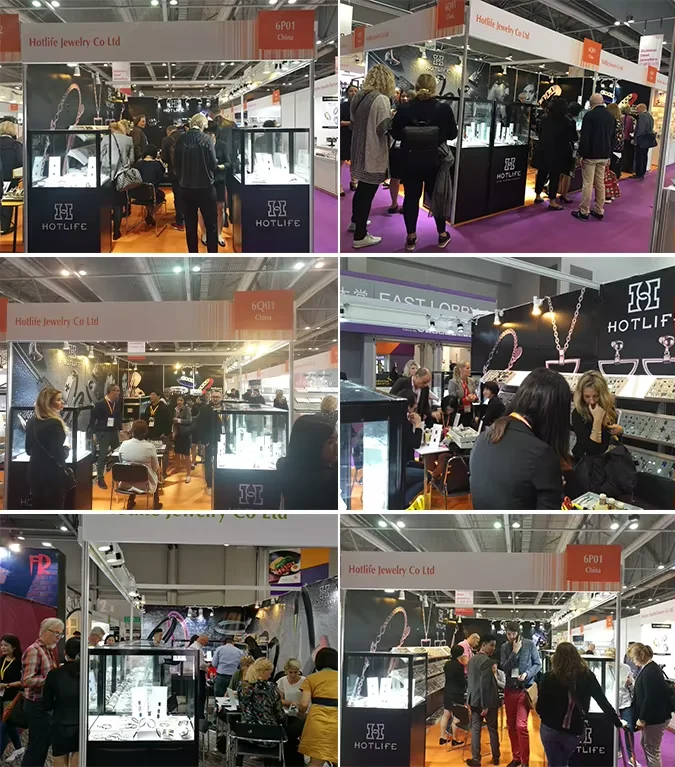
Guangzhou Tianyi Jewelry Co., Ltd.
- Manufacturer, Trading Company, Distributor/Wholesaler
- Guangdong, China
- Lead time15 days
- Avg. response≤ 4h
Main productsBracelet,Necklace,Earring,Ring,Pendant
Main marketsWestern Europe(40.0%), Northern Europe(20.0%), Central America(10.0%), North America(10.0%), South America(10.0%), Southern Europe(5.0%), Eastern Europe(5.0%)

Hangzhou Candid I/E Corp. Ltd.
- Verified by SGS
- Trading Company,Manufacturer/Factory
- China Zhejiang
- Lead time60 days
- Avg. response≤ 4h
Main productsNail Making Machine, Wire Drawing Machine, Gabion Machine, Wire Mesh Machine, Galvanizing Production Line, Stationery Machine, Mine Machinery
Main marketsSouth America,Eastern Europe,Mid East,North America,Southeast Asia,Eastern Asia,Oceania,Western Europe
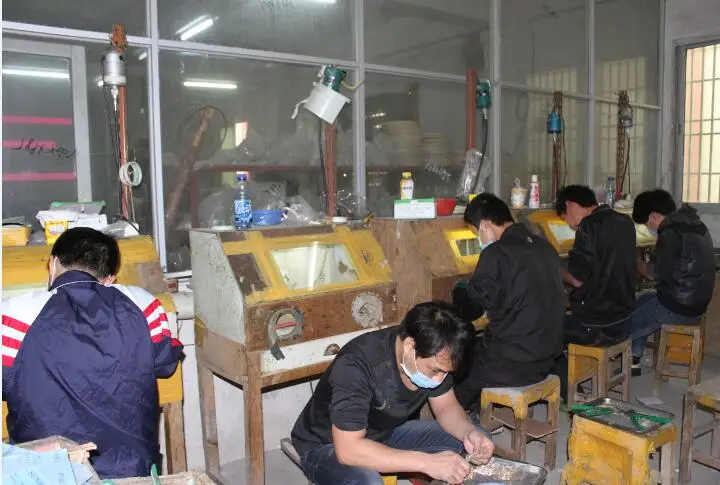
Shenzhen Charm Fish Net Co, Ltd.
- Manufacturer, Distributor/Wholesaler
- Guangdong, China
- Lead time0 days
- Avg. response≤ 5h
Main products18K gold plated jewelry,Sterling silver jewelry,Watch,925 silver plated jewelry,Steel jewelry
Main marketsNorthern Europe(15.0%), Eastern Europe(15.0%), Southern Europe(12.0%), Domestic Market(10.0%), Western Europe(10.0%), South America(5.0%), Eastern Asia(5.0%), Southeast Asia(5.0%), Mid East(5.0%), North America(5.0%), Oceania(5.0%), Africa(4.0%), Central America(2.0%), South Asia(2.0%)

Qingdao Gemopia Jewelry Co., Ltd.
- Combined
- China Shandong
- Lead time30 days
- Avg. response≤ 3h
Main productsGold Jewelry, Silver Ring
Main marketsSouth America,Africa,Southeast Asia/ Mideast,East Asia(Japan/ South Korea),Domestic,Europe,Australia,North America

Yiwu Ba Yuan Jewelry Co., Ltd.
- Verified by TUVRHEINLAND
- Trading Company,Manufacturer/Factory,Other
- China Zhejiang
- Lead time45 days
- Avg. response≤ 15h
Main productsBridal Jewelry and Hair Accessories, Wedding Jewelry, Tiara and Headpieces, CZ Jewelry, Tiara Crown, Zirconia Jewelry, CZ Necklace, Stretch Bracelet, Hip Hop Jewelry, Fashion Pendant
Main marketsSouth America,Eastern Europe,Mid East,North America,Southeast Asia,Eastern Asia,Oceania,Western Europe,Africa


Contact supplier


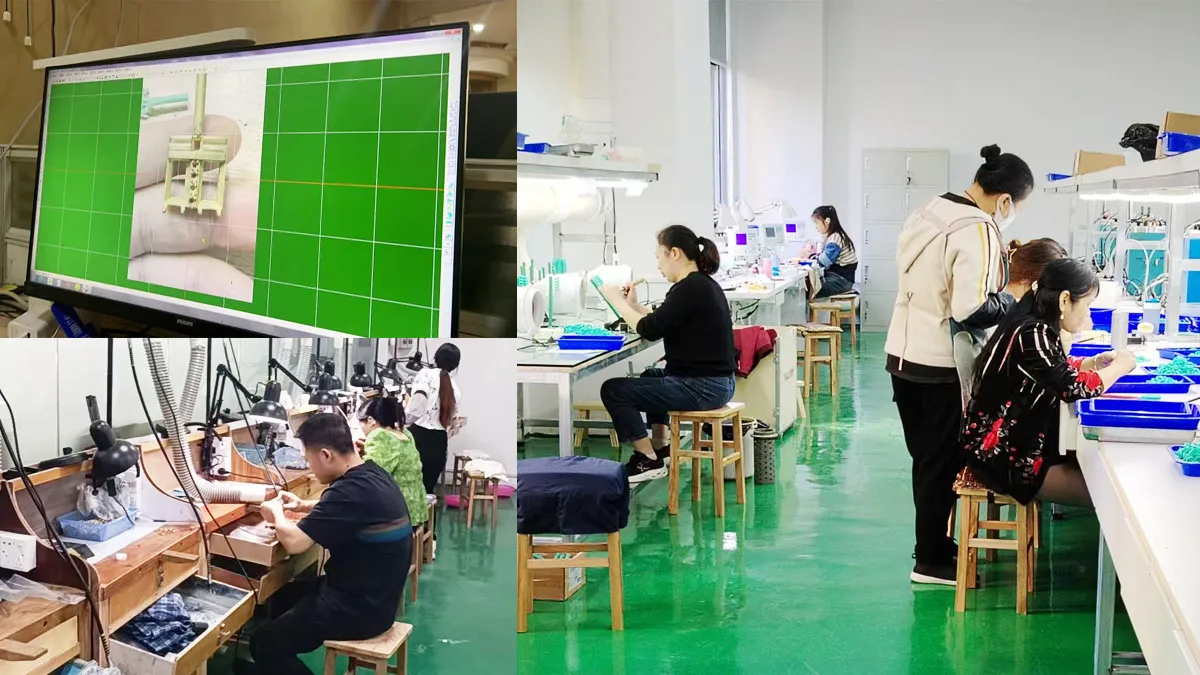
- Trading Company
- Taiwan, China
- Lead time21 days
- Avg. response≤ 4h
Main productsfashion jewelry,women necklace,women earrings,fashion rings jewelry,fashion bracelets jewelry
Main marketsNorth America(40.0%), Western Europe(30.0%), Southern Europe(10.0%), South Asia(5.0%), Northern Europe(5.0%), Oceania(5.0%), Central America(5.0%)

Guangzhou Joacii Jewelry Co., Ltd.
- Verified by TUVRHEINLAND
- Combined
- China Guangdong
- Lead time15 days
- Avg. response≤ 19h
Main products925 Sterling Silver Fine Jewelry etc
Main marketsOthers(foreignTradeCapacity.exportBusinessCapacityMarketOther),Southeast Asia/ Mideast,Domestic,Europe,North America

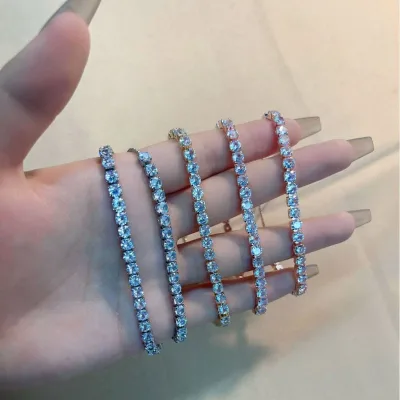
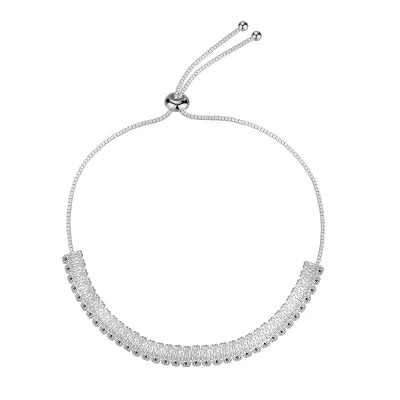
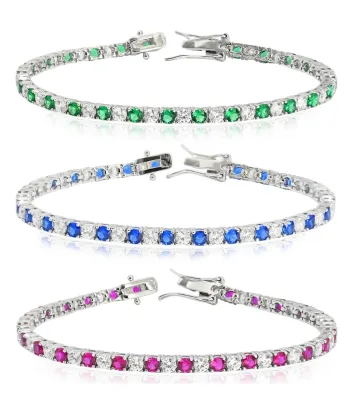
Eternelle Adjustable Bracelet Brilliant Zircons Features Blue Silver Tennis Bracelet
$35.76 - $37.71
Moq: 10


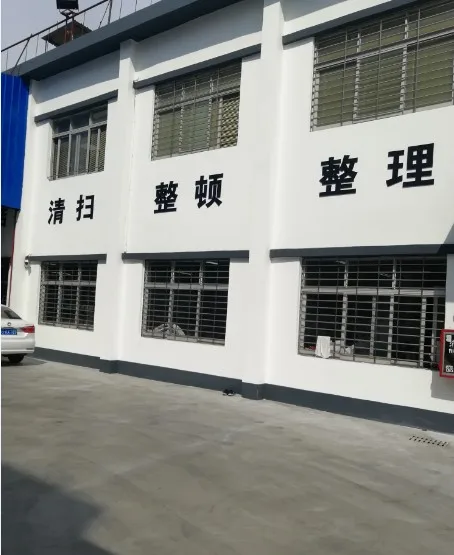
Shenzhen Fendi Jewelry Co., Ltd.
- Manufacturer, Trading Company, Distributor/Wholesaler
- Guangdong, China
- Lead time10 days
- Avg. response≤ 4h
Main productsFashion Jewelry,Body Jewelry,Silicone Gift,Bags,Clothes
Main marketsSouth America(20.0%), North America(20.0%), Central America(10.0%), Mid East(10.0%), Northern Europe(5.0%), Southeast Asia(5.0%), Western Europe(5.0%), Southern Europe(5.0%), Eastern Europe(5.0%), Domestic Market(5.0%), South Asia(5.0%), Eastern Asia(3.0%), Oceania(1.0%), Africa(1.0%)
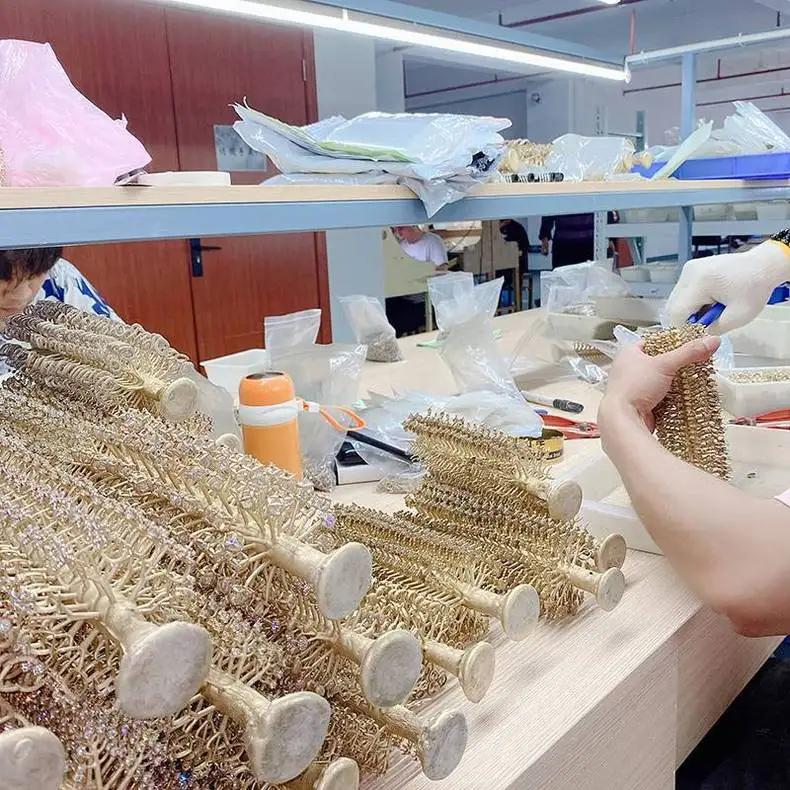
- Trading Company
- Zhejiang, China
- Lead time10 days
- Avg. response≤ 1h
Main productsEarrings,stainless steel Necklace,stainless steel Bracelet,zircon ring,necklace bracelet earrings jewelry sets
Main marketsEastern Europe(20.0%), South America(20.0%), North America(20.0%), Africa(10.0%), Southeast Asia(10.0%), Eastern Asia(5.0%), Mid East(5.0%), Oceania(5.0%), Domestic Market(1.0%), South Asia(1.0%), Northern Europe(1.0%), Central America(1.0%), Western Europe(1.0%)

Guangzhou Panyu Longlong Jewelry Factory
- Verified by CTI
- Combined
- China Guangdong
- Lead time15 days
- Avg. response≤ 9h
Main productsPendants Necklaces Earrings Rings Bracelets
Main marketsAfrica,Southeast Asia/ Mideast,Domestic,Europe,North America

Zhuhai Kirin Jewelry Co., Ltd.
- Combined
- China Guangdong
- Lead time15 days
- Avg. response≤ 10h
Main productsFashion Jewelry
Main marketsSoutheast Asia/ Mideast,Europe,North America


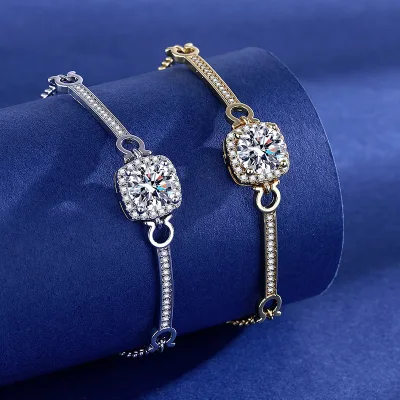
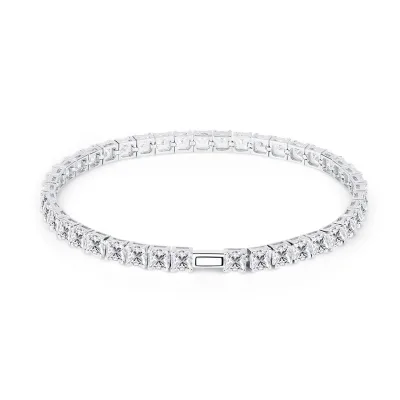
Sliver Jewelry Moissanite Tennis Chain Real Diamond CZ Tennis Bracelet for Gift
$30.89 - $34.78
Moq: 6


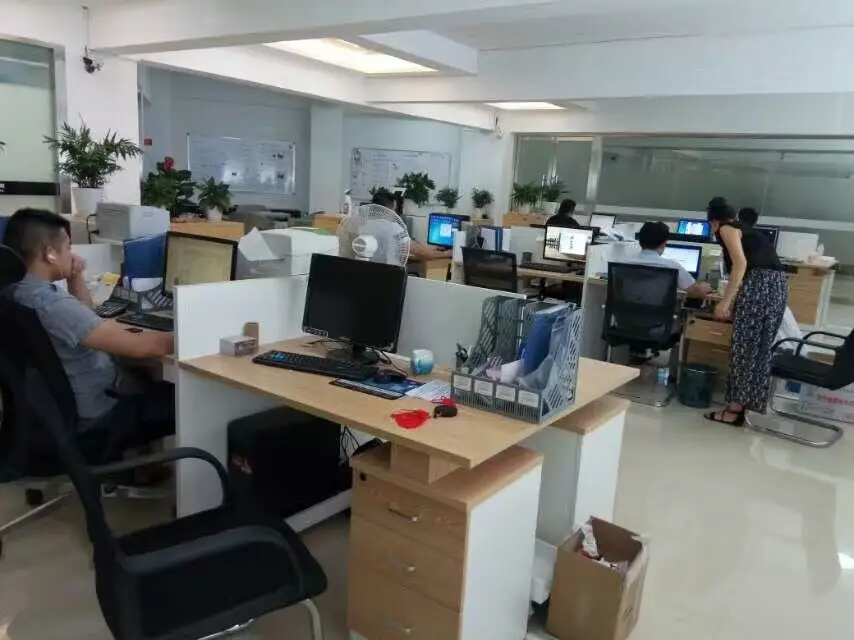
Yiwu Feiling Jewelry Co., Ltd.
- Trading Company
- Zhejiang, China
- Lead time15 days
- Avg. response≤ 3h
Main productsbracelet,necklace,earring,rings,sunglasses
Main marketsNorth America(30.0%), South America(15.0%), Central America(10.0%), Western Europe(8.0%), Eastern Europe(7.000000000000001%), Southern Europe(6.0%), Northern Europe(5.0%), Africa(5.0%), Southeast Asia(5.0%), Mid East(5.0%), South Asia(2.0%), Eastern Asia(2.0%)

- Verified by SGS
- Trading Company
- China Zhejiang
- Lead time15 days
- Avg. response≤ 15h
Main productsMop, Kitchen Knife, Chopping Board, Blanket, Mosquito Net, Cushion, Slipper, Broom, Luggage, Educational Toy
Main marketsEurope,Australia
Beakwind Shenzhen Information Technology Enterprise
- Manufacturer, Trading Company
- Guangdong, China
- Lead time10 days
- Avg. response≤ 7h
Main productsNecklaces,Pendants,Bracelets,Earrings,Rings
Main marketsNorthern Europe(100.0%), Central America(100.0%), Domestic Market(100.0%), Eastern Asia(100.0%), Mid East(100.0%), Oceania(100.0%), Africa(100.0%), South Asia(100.0%), Eastern Europe(100.0%), South America(100.0%), Southern Europe(100.0%), North America(70.0%), Southeast Asia(20.0%), Western Europe(10.0%)
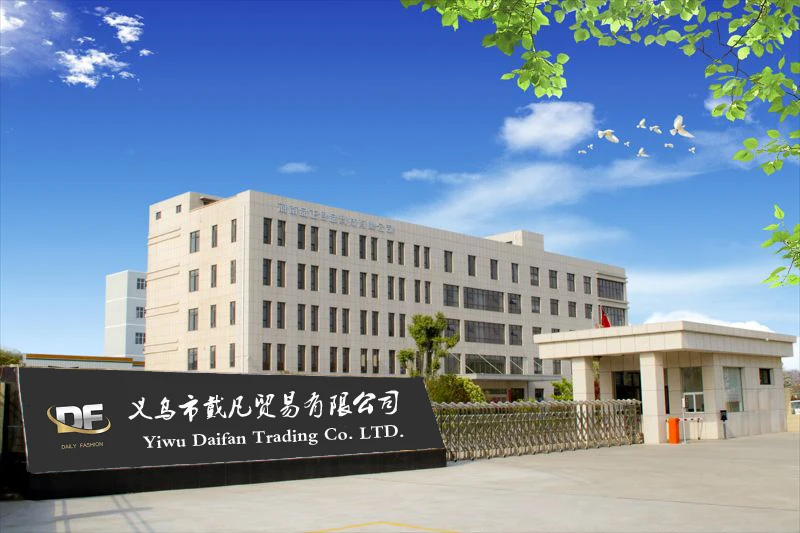
- Trading Company
- zhejiang, China
- Lead time15 days
- Avg. response≤ 4h
Main productsFashion Jewelry,Jewelry Findings & Accessories,Promotion Key Chains,Pins Badges & Brooches,Jewelry Packaging & Display
Main marketsNorth America(39.0%), Western Europe(21.0%), Northern Europe(8.0%), South America(6.0%), Oceania(5.0%), Domestic Market(5.0%), Eastern Asia(4.0%), South Asia(4.0%), Mid East(3.0%), Africa(1.0%), Southeast Asia(1.0%), Southern Europe(1.0%), Eastern Europe(1.0%), Central America(1.0%)

- Combined
- China Guangdong
- Lead time15 days
- Avg. response≤ 5h
Main productsOpal
Main marketsDomestic,Europe,North America


Adjustable Sterling Silver Tennis Bracelet with Rhodium Plated Fine Jewelry for Partys
$15.56 - $18.93
Moq: 30

Xiamen Yuxiang Magnetic Materials Technology Co., Ltd.
- Trading Company
- China Fujian
- Lead time23 days
- Avg. response≤ 6h
Main productsNdFeB Magnet, SmCo Magnet, AlNiCo Magnet, Ferrite Magnet, Rubber Magnet, Fridge Magnet, Magnetic Powder, Magnetic Compound, Magnetic Core, Magnetic Materials
Main marketsSouth America,Africa,Southeast Asia/ Mideast,East Asia(Japan/ South Korea),Europe,Australia,North America

- Verified by SGS
- Trading Company
- China Fujian
- Lead time15 days
- Avg. response≤ 5h
Main productsPromotion Gift, Keychain, Timing Belt, Sport Gift, Worm, Reducer, Pulley, Tennis Gift, Pickleball Gift
Main marketsEast Asia(Japan/ South Korea),Europe,Australia,North America
- Manufacturer, Trading Company
- Guangdong, China
- Lead time7 days
- Avg. response≤ 2h
Main productsjewelry,jewelry packing,velvet bag
Main marketsNorth America(50.0%), Western Europe(10.0%), Mid East(10.0%), Eastern Europe(10.0%), South America(10.0%), Southeast Asia(5.0%), Africa(2.0%), South Asia(1.0%), Northern Europe(1.0%), Eastern Asia(1.0%)
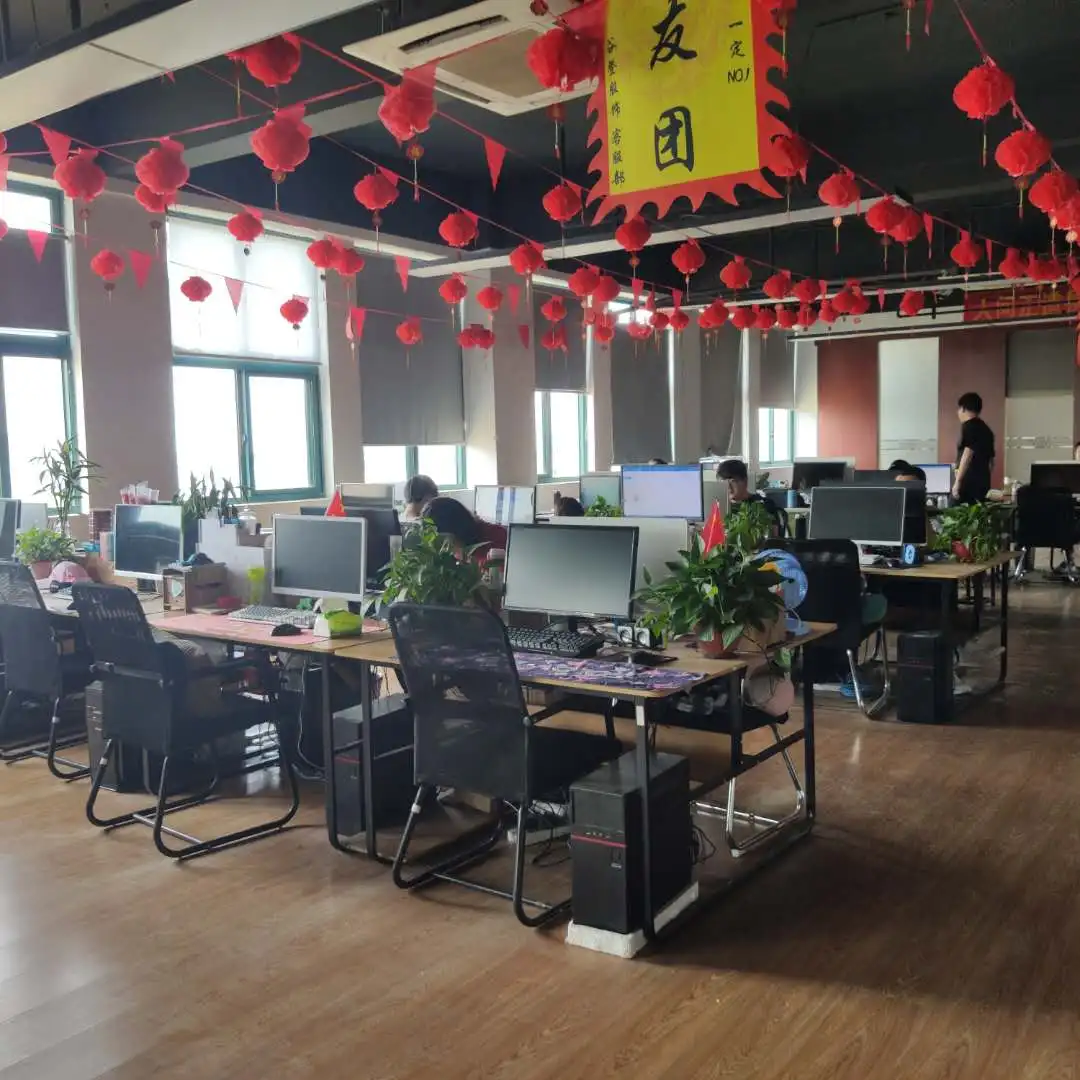
- Trading Company
- Zhejiang, China
- Lead time3 days
- Avg. response≤ 2h
Main productsNecklaces,Earrings,Bracelets&Bangles,Rings,Brooches
Main marketsNorth America(50.0%), South Asia(15.0%), South America(8.0%), Northern Europe(8.0%), Mid East(4.0%), Central America(4.0%), Southern Europe(3.0%), Western Europe(3.0%), Africa(2.0%), Eastern Europe(2.0%), Oceania(1.0%)

Longyuan (Guangzhou) Industrial Development Co., Ltd.
- Verified by TUVRHEINLAND
- Manufacturer/Factory
- China Guangdong
- Lead time23 days
- Avg. response≤ 6h
Main productsJewelry, Fashion Watch, Hair Accessories, Men Jewelry, Women Jewelry, Pendants, Brooches, Bracelets, Crowns, Necklaces
Main marketsSouth America,Eastern Europe,Mid East,North America,Western Europe
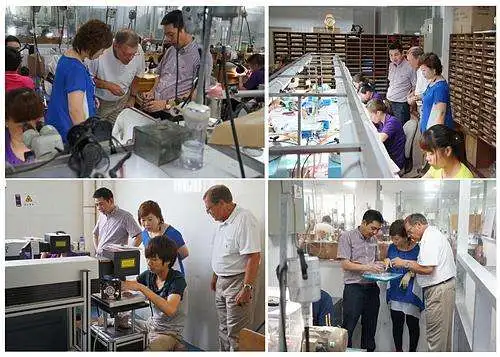
Guangzhou Beimingzhe International Trade Co., Ltd.
- Manufacturer, Trading Company, Distributor/Wholesaler
- Guangdong, China
- Lead time7 days
- Avg. response≤ 1h
Main productsreal leather jewelry,316L stainelss jewelry,gold-plating jewelry,natural stone jewelry,jewelry packing
Main marketsNorth America(35.0%), Western Europe(25.0%), Mid East(10.0%), Africa(7.000000000000001%), South America(5.0%), Southeast Asia(5.0%), Central America(4.0%), Eastern Europe(4.0%), South Asia(2.0%), Southern Europe(2.0%), Domestic Market(1.0%)
- Manufacturer, Trading Company
- Lead time旺季: "1 - 500":10,"> 500":"To be negotiated", 淡季: "1 - 500":10,"> 500":"To be negotiated"
- Avg. response≤ 2h
Main productsFashion Jewelry
Shenzhen Huaxinsheng Gifts Co., Ltd.
- Manufacturer, Trading Company, Agent
- Guangdong, China
- Lead time20 days
- Avg. response≤ 2h
Main productsjewelry,necklace,bracelets,pearls and jewels,earrings
Main marketsNorth America(50.0%), Northern Europe(30.0%), Western Europe(10.0%), Oceania(5.0%)

Wuzhou Provence Jewelry Co., Ltd.
- Verified by CTI
- Combined
- China Guangxi
- Lead time23 days
- Avg. response≤ 8h
Main productsMoissanite, Moissanite Jewelry, Cubic Zirconia, Lab Grown Diamond, Gold Jewelry
Main marketsSoutheast Asia/ Mideast,Europe,North America
Shangrao Oriole Jewelry Co., Ltd.
- Verified by Intertek
- Manufacturer, Trading Company
- Lead time0 days
- Avg. response≤ 2h
Main productsNecklaces, Ring, Earrings, Key Chains, Lanyard
Main marketsNorth America(60%), Western Europe(30%), Eastern Europe(10%)
Dongguan Huiying Art&crafts Co., Ltd.
- Manufacturer, Trading Company
- Guangdong, China
- Lead time20 days
- Avg. response≤ 6h
Main productsgifts,crafts,skin care products,face rollers,gua sha massagers
Main marketsWestern Europe(25.0%), North America(25.0%), Northern Europe(10.0%), Oceania(10.0%), Mid East(5.0%), Eastern Europe(5.0%), Central America(5.0%), Southeast Asia(3.0%), Eastern Asia(3.0%), South Asia(2.0%), Southern Europe(2.0%), South America(2.0%), Africa(2.0%), Domestic Market(1.0%)
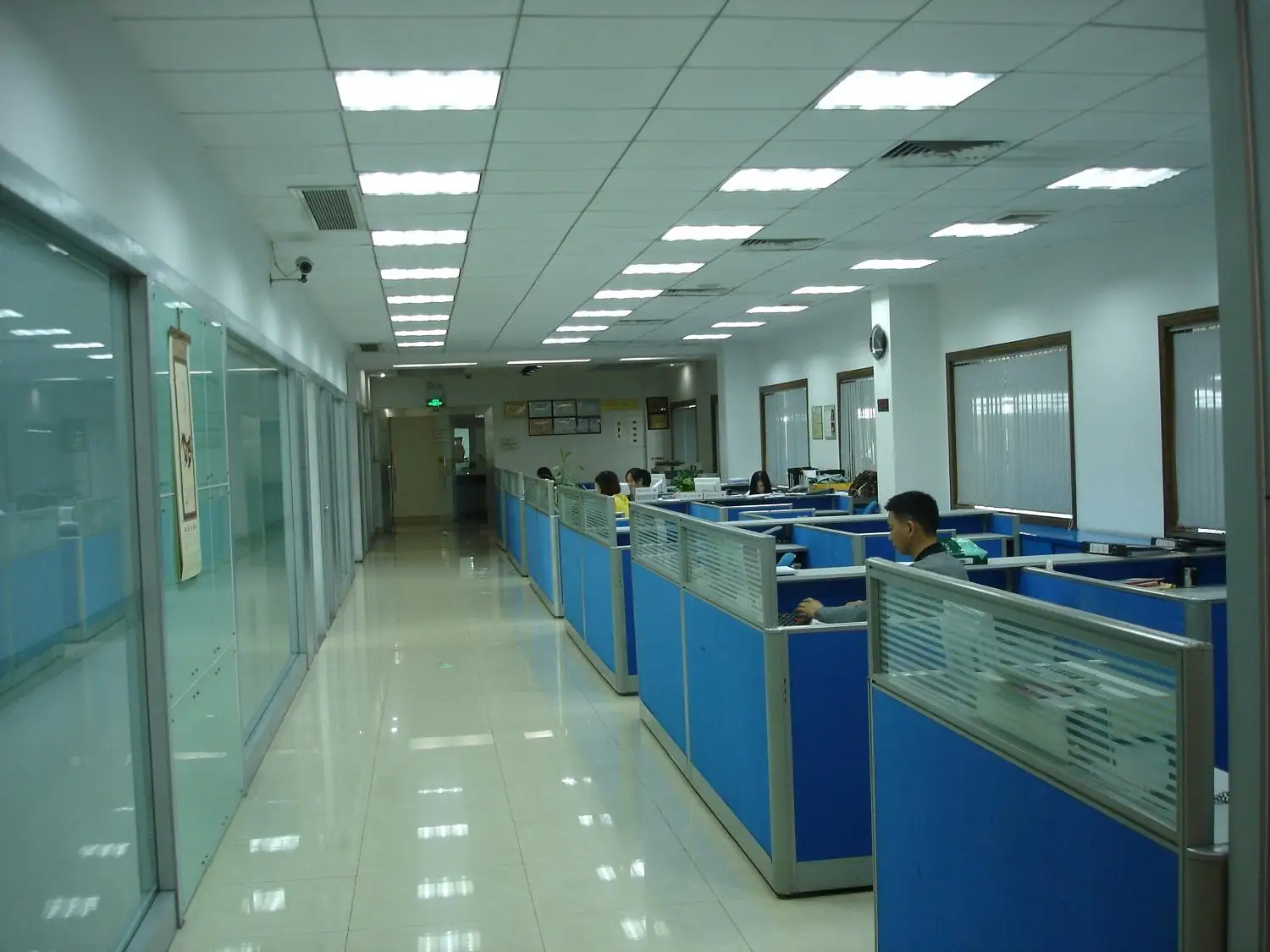
Yiwu Tuoqian Jewelry Co., Ltd.
- Trading Company
- Zhejiang, China
- Lead time15 days
- Avg. response≤ 7h
Main productsjewelry,necklace,earring,ring,bracelet
Main marketsSouth America(30.0%), North America(30.0%), Southern Europe(10.0%), Western Europe(10.0%), Eastern Europe(10.0%)




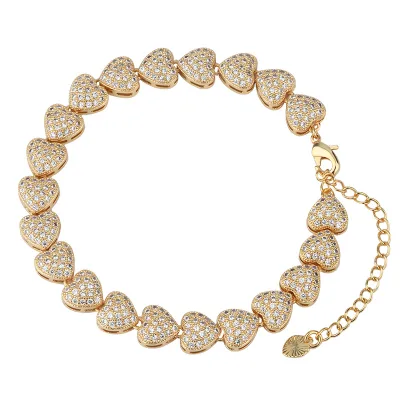
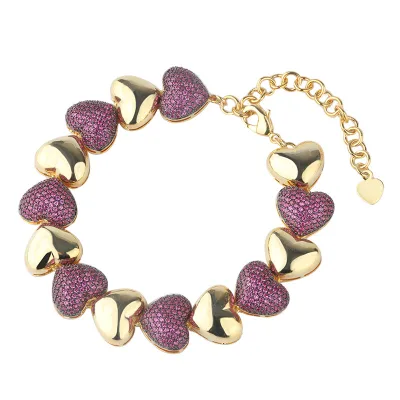
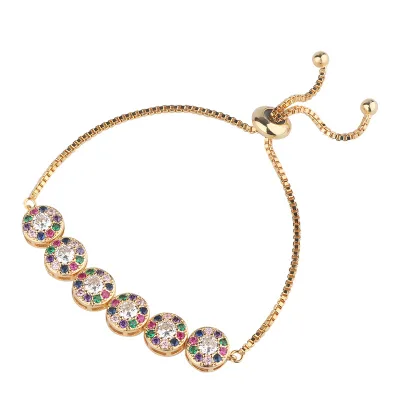


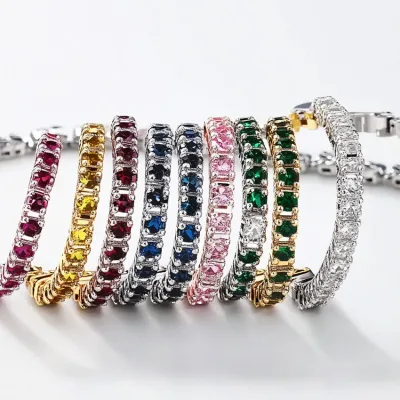
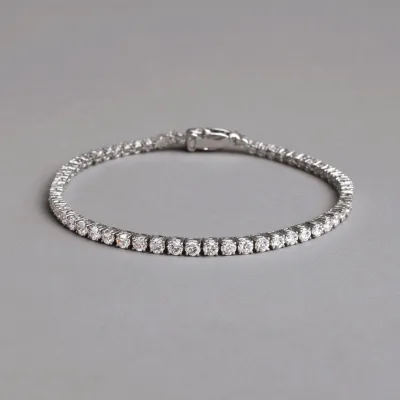
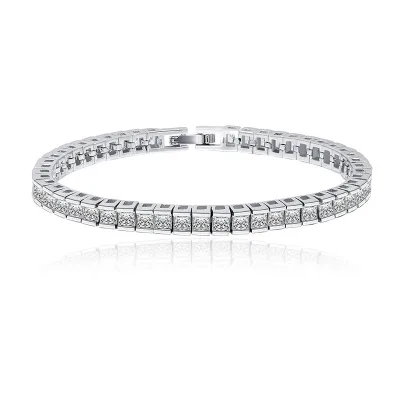
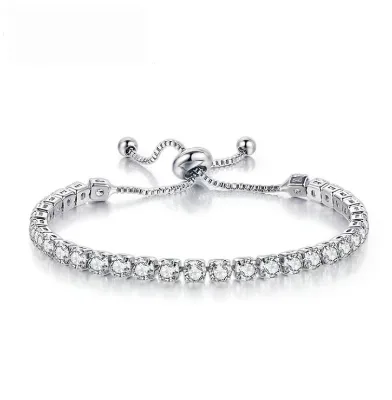
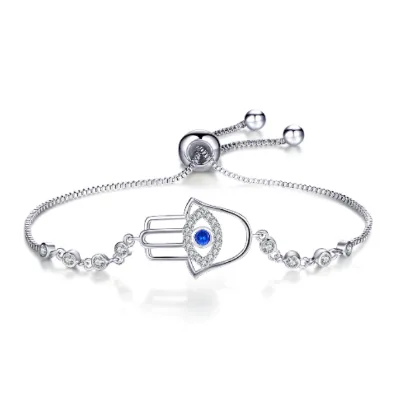








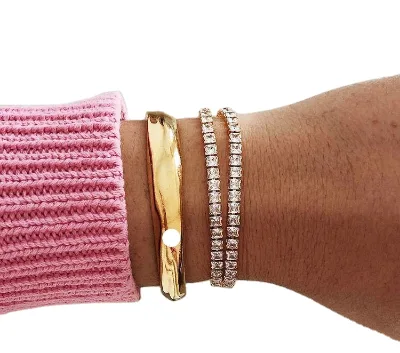
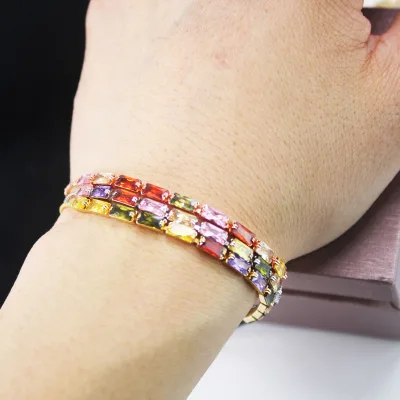
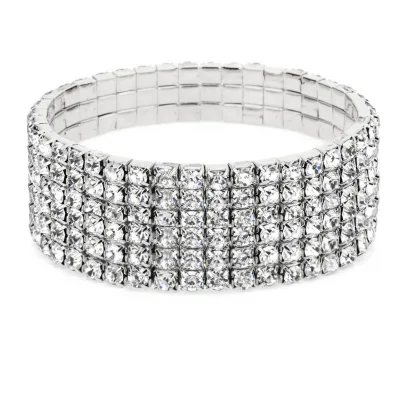
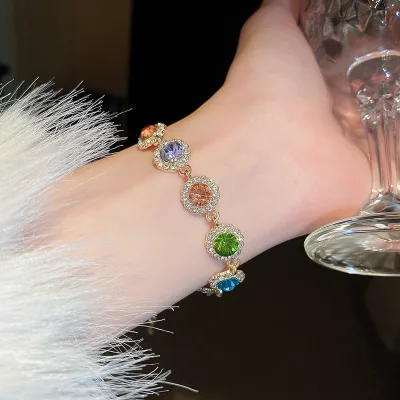


Comprehensive Sourcing Guide
Adjustable Jade Tennis Bracelet Supplier Concentration and Factory Types
Current data indicates that suppliers for adjustable jade tennis bracelets are concentrated in specific Chinese provinces, with Guangdong and Zhejiang emerging as primary hubs for this category. Fact records show a mix of company types, including both trading companies and manufacturers or factories, operating within these regions. Guangdong-based entities often list diverse product lines such as rings, earrings, pendants, and various bracelet styles, suggesting a broad manufacturing ecosystem capable of handling complex jewelry assembly. In contrast, suppliers located in Zhejiang frequently specialize in fashion jewelry, bangles, and wrist bands, often positioning themselves as trading companies that curate specific design trends. This geographic split implies that buyers seeking direct factory production might find more options in Guangdong, while those prioritizing design variety and rapid turnover might encounter stronger trading networks in Zhejiang.
When evaluating the factory type, it is crucial to distinguish between entities that own production lines and those that act as intermediaries. Some suppliers in the results explicitly state they offer OEM and ODM capabilities, which is a strong indicator of manufacturing capacity rather than simple resale. For instance, certain manufacturers list specific plating processes like rhodium or gold plating alongside casting techniques, confirming in-house production capabilities. However, other suppliers are identified solely as trading companies, which may still offer customization but rely on external factories for the actual fabrication. Buyers should verify whether the supplier claims to be a manufacturer or a trading company to understand the depth of their control over quality and lead times. This distinction directly impacts the ability to negotiate custom specifications for adjustable jade tennis bracelets and ensures the buyer knows who holds responsibility for the final product quality.
How to Verify Adjustable Jade Tennis Bracelet Suppliers
Verification of suppliers requires a rigorous check of their stated certifications and response metrics to ensure reliability. Several suppliers in the current dataset display system certifications such as BSCI and ISO 9001, which are critical indicators of a structured management system and ethical labor practices. Additionally, specific product listings mention third-party testing results confirming that items are nickel and lead-free, a vital safety standard for jewelry worn close to the skin. Some suppliers also hold verification badges from recognized agencies like SGS, which adds a layer of external validation to their business operations. Buyers must cross-reference these claims against the supplier's profile to ensure the certifications are current and applicable to the specific Adjustable Jade Tennis Bracelet products being sourced. Relying on unverified claims can lead to compliance issues, especially when exporting to markets with strict material safety regulations.
Beyond certifications, the response time and verification status of a supplier provide immediate insight into their operational efficiency. Data shows response times varying significantly, with some suppliers responding within a few hours while others take over twenty hours to reply. A faster response time often correlates with a more active sales team and better communication channels, which is essential for resolving issues during the customization of adjustable jade tennis bracelets. Furthermore, checking if a supplier is verified by platforms like SGS helps confirm their business identity and financial stability. Buyers should prioritize suppliers who demonstrate both high verification status and rapid response capabilities, as these factors reduce the risk of miscommunication and delays. It is also important to confirm that the supplier's main products align with the specific needs of the buyer, ensuring they have the necessary expertise in jade and crystal jewelry rather than just general fashion accessories.
What to Compare Across Adjustable Jade Tennis Bracelet Suppliers
Comparing suppliers requires a detailed analysis of their lead times, minimum order quantities, and pricing structures to find the best fit for the business. Lead times in the observed data range from zero to fifteen days, indicating varying levels of inventory readiness and production scheduling. Some suppliers offer immediate availability for standard items, while others require a two-week window for custom orders. Minimum order quantities also differ widely, with some suppliers requiring as few as fifteen pieces, while others set thresholds at two hundred units. This variation allows buyers to select partners based on their inventory strategy, whether they prefer low-risk testing with small batches or bulk purchasing for established distribution channels. Understanding these constraints is essential for planning production schedules and managing cash flow effectively.
Pricing and customization options are equally critical factors when comparing different suppliers for adjustable jade tennis bracelets. The observed price ranges for similar products vary from approximately one dollar to nearly ten dollars per unit, depending on materials like cubic zirconia, sterling silver, or alloy. Suppliers offering customization services, such as laser engraving or specific length adjustments, often command different price points compared to those selling standard stock items. Buyers should evaluate whether the cost difference justifies the added value of customization, such as unique branding or specific stone settings. Additionally, comparing the plating options available, such as rhodium, rose gold, or various karat golds, helps determine the perceived value and durability of the final product. A comprehensive comparison ensures that the selected supplier offers the optimal balance of cost, quality, and flexibility for the specific market segment.
Common Adjustable Jade Tennis Bracelet Sourcing Risks
One significant risk in sourcing adjustable jade tennis bracelets involves the discrepancy between product descriptions and actual material quality. While some listings specify high-purity materials like 92.5% sterling silver or natural jade, others may use terms like "alloy" or "imitation jewelry" without clear distinction. This ambiguity can lead to receiving products that do not meet the expected standards, particularly regarding the durability of the plating and the authenticity of the stones. Buyers must carefully review product attributes to ensure that the materials listed, such as cubic zirconia or jade, match the intended market positioning. Failing to verify these details can result in customer dissatisfaction and potential returns, damaging the brand reputation associated with the Adjustable Jade Tennis Bracelet line.
Another critical risk is the inconsistency in packaging and shipping standards, which can affect the final presentation of the product. Some suppliers use simple polybags or OPP bags for packaging, while others may offer more elaborate options. The lack of standardized packaging can lead to damage during transit or a poor unboxing experience for the end consumer. Additionally, the variability in lead times poses a logistical risk, as delays in production can disrupt inventory planning and sales cycles. Buyers should explicitly confirm packaging requirements and lead time commitments before placing an order to mitigate these risks. Ensuring that the supplier adheres to strict quality control measures and provides clear shipping timelines is essential for maintaining a reliable supply chain for adjustable jade tennis bracelets.
Adjustable Jade Tennis Bracelet Regional Sourcing and Logistics
Sourcing from China offers distinct logistical advantages due to the established manufacturing clusters in Guangdong and Zhejiang. These regions provide a dense network of suppliers specializing in jewelry, which facilitates efficient communication and rapid prototyping for adjustable jade tennis bracelets. The concentration of factories in these areas allows for streamlined production processes, reducing the time required to move from design to finished goods. Buyers can leverage this geographic proximity to coordinate closely with manufacturers, ensuring that specific design requirements are met with precision. Furthermore, the presence of multiple suppliers in these hubs creates a competitive environment that can drive down costs and improve service levels for international buyers.
However, logistics from these regions require careful planning to manage shipping times and costs effectively. While some suppliers report lead times as short as zero days, others may require up to fifteen days for production, which must be factored into the overall delivery timeline. Buyers should consider the impact of these lead times on their inventory management and order planning. Additionally, the choice of shipping method will influence the final cost and delivery speed, with air freight offering speed at a higher price and sea freight providing cost savings for larger volumes. Understanding the specific logistics capabilities of each supplier, including their experience with international shipping and customs clearance, is crucial for ensuring a smooth supply chain. Proper logistics planning helps minimize delays and ensures that adjustable jade tennis bracelets reach the market on time.
Adjustable Jade Tennis Bracelet Commercial Terms and Order Planning
Commercial terms for adjustable jade tennis bracelets often include specific requirements regarding customization and payment structures. Many suppliers offer OEM and ODM services, allowing buyers to tailor products to their brand identity through custom logos or unique designs. However, these services may come with higher minimum order quantities or longer lead times compared to standard stock items. Buyers must clearly define their customization needs and negotiate terms that align with their production capacity and budget. Understanding the specific terms for customization, such as the availability of laser engraving or specific plating options, is essential for ensuring that the final product meets the desired specifications. Clear communication of these requirements helps avoid misunderstandings and ensures a successful partnership.
Order planning for adjustable jade tennis bracelets requires a strategic approach to managing inventory and cash flow. Buyers should consider the varying minimum order quantities and price points when planning their orders, balancing the need for stock with the risk of over-investment. Some suppliers offer low MOQs, which can be beneficial for testing new designs or entering new markets, while others require larger orders to achieve competitive pricing. Additionally, buyers should factor in the response times and lead times of their chosen suppliers to ensure timely delivery. By carefully analyzing these commercial terms and planning orders accordingly, buyers can optimize their supply chain efficiency and maximize profitability. Effective order planning ensures that the business can meet customer demand while maintaining healthy financial margins.
FAQs
What is the price range for adjustable jade tennis bracelets?
Prices for adjustable jade tennis bracelets typically range from $1.00 to $9.83 per unit depending on material and customization. Suppliers in China offer various options, with basic crystal styles starting around $1.00 and sterling silver versions reaching nearly $10. Buyers should verify specific pricing based on order volume and selected plating or stone types.
What are the minimum order quantities for these bracelets?
Minimum order quantities vary significantly by supplier and product type. Some manufacturers accept orders as low as 15 pieces for tennis bracelets, while others require 100 or 200 units for jade or crystal styles. Buyers should check individual product listings to confirm the exact MOQ, as it directly impacts initial inventory costs and sample ordering flexibility.
Are these bracelets suitable for female customers?
Most adjustable jade tennis bracelets listed are specifically designed for female customers, featuring styles like star fashion or simple elegance. However, some suppliers also offer unisex or male-specific options, such as natural usingite bead bracelets. Buyers should review product attributes to ensure the target demographic matches their intended market segment and customer base requirements.
What certifications do these jewelry suppliers hold?
Suppliers often hold certifications such as BSCI, ISO 9001, SGS, BV, and Intertek to ensure quality and ethical standards. These credentials verify compliance with international trade regulations and safety requirements. Buyers should request valid certification documents to confirm that the supplier meets specific industry standards and regulatory requirements for their target markets.
How long does production take for custom orders?
Lead times for production vary, with some suppliers indicating a 15-day turnaround for standard orders. Customization options like laser logos or specific plating may affect the final delivery schedule. Buyers should confirm exact lead times with suppliers before placing orders to ensure timely delivery and align with their inventory planning and market launch schedules.
Can suppliers provide OEM and ODM services?
Many suppliers offer both OEM and ODM services, allowing for custom designs, logos, and packaging. Buyers can request customized lengths, plating options, and stone types to match their brand identity. This flexibility supports unique product development and branding strategies, enabling businesses to differentiate their offerings in competitive fashion jewelry markets.